

Why French Bulldogs Are More Prone to Skin Allergies and Itchy Skin Problems

French Bulldogs are beloved companions known for their charming personalities, distinctive bat-like ears, and affectionate nature. However, these adorable dogs come with a significant health consideration that many owners discover after bringing one home: they are exceptionally prone to skin allergies and itchy skin problems. If you're a French Bulldog owner or considering becoming one, understanding why these dogs struggle with skin issues is crucial for providing proper care and maintaining your pet's quality of life.
Why French Bulldogs Are Prone to Skin Allergies
Genetic Predisposition
French Bulldogs have been selectively bred for specific physical characteristics, and unfortunately, this selective breeding has resulted in a genetic predisposition to various health issues, including skin allergies. The genes that contribute to their compact size, flat faces, and distinctive appearance also seem to influence their immune system's response to allergens. This genetic vulnerability means that French Bulldogs' bodies are more likely to overreact to substances that might not bother other dog breeds.
The breed's genetic makeup has created a situation where their immune systems are hypersensitive, treating harmless substances as threats. This hyperactive immune response is the foundation of many french bulldog allergies that owners encounter throughout their pets' lives.
Breed-Specific Characteristics
One of the most distinctive features of French Bulldogs is their skin folds, particularly around their face and neck. While these wrinkles contribute to their adorable appearance, they create an ideal environment for moisture, bacteria, and yeast to thrive. These skin folds trap sweat, dirt, and moisture, creating warm, damp conditions that are perfect breeding grounds for infections and irritation.
Additionally, French Bulldogs have short, fine coats that don't provide as much protection as longer coats found in other breeds. This shorter coat means their skin is more exposed to environmental irritants, allergens, and harsh weather conditions. The lack of a protective barrier makes their skin more vulnerable to damage and irritation, contributing to the prevalence of french bulldog skin issues.
Weakened Skin Barrier
French Bulldogs naturally have a compromised skin barrier function. The outermost layer of their skin, called the stratum corneum, is less effective at retaining moisture and preventing allergens from penetrating deeper into the skin. This weakened barrier allows irritants and allergens to more easily enter the skin, triggering inflammatory responses and allergic reactions.
This compromised skin barrier is a fundamental reason why french bulldog skin conditions are so common. When the skin's protective function is compromised, it becomes easier for allergens to cause problems, and it's harder for the skin to maintain proper hydration and health.
Common Skin Conditions in French Bulldogs
Atopic Dermatitis
Atopic dermatitis is one of the most common skin conditions affecting French Bulldogs. This chronic inflammatory skin disease is caused by a combination of genetic factors and environmental triggers. Dogs with atopic dermatitis experience intense itching, which leads to excessive scratching, licking, and biting at their skin. This behavior can cause secondary infections and further damage to the skin barrier.
Atopic dermatitis in dogs often develops between one and three years of age and can worsen over time if not properly managed. The condition is particularly prevalent in French Bulldogs due to their genetic predisposition and compromised skin barrier function.
Food Allergies
Food allergies represent another significant contributor to french bulldog health issues. Unlike food intolerances, which affect the digestive system, food allergies trigger an immune response that often manifests as skin problems. Common food allergens for dogs include beef, chicken, wheat, corn, and dairy products.
When a French Bulldog consumes a food they're allergic to, their immune system overreacts, leading to inflammation and itching. Identifying and eliminating the offending food from your dog's diet can significantly improve their skin condition.
Contact Dermatitis
Contact dermatitis occurs when a French Bulldog's skin comes into direct contact with an irritating or allergenic substance. Common culprits include certain cleaning products, pesticides, plants, fabrics, and even grass. The skin folds characteristic of French Bulldogs make them particularly susceptible to contact dermatitis, as these areas trap irritating substances against the skin.
Yeast and Bacterial Infections
The warm, moist environment created by French Bulldogs' skin folds makes them prone to secondary yeast and bacterial infections. Malassezia yeast and Staphylococcus bacteria thrive in these conditions, causing additional itching, odor, and skin damage. These infections often develop as a result of the dog's excessive scratching and licking due to primary allergies.
Signs and Symptoms to Watch For
Recognizing the early signs of skin problems in your French Bulldog is essential for prompt treatment. Common symptoms include excessive itching and scratching, particularly around the face, paws, ears, and skin folds. You might notice your dog constantly licking their paws or scratching at their ears.
Physical signs include red, inflamed skin, hair loss, dry patches, and flaking. Many French Bulldog owners notice their dogs have red paws and licking behavior, which is a classic sign of skin irritation. Ear infections are also common, often accompanied by head shaking, ear scratching, and a foul odor.
Contributing Factors to Skin Problems
Environmental Allergens
Pollen, dust mites, mold spores, and other environmental allergens can trigger allergic reactions in French Bulldogs. Seasonal changes often exacerbate these problems, with many dogs experiencing worse symptoms during spring and fall when pollen counts are high.
Diet and Nutrition
A poor-quality diet lacking essential fatty acids, vitamins, and minerals can weaken the skin barrier and increase susceptibility to allergies. Conversely, a high-quality diet rich in omega-3 and omega-6 fatty acids can support skin health and reduce inflammation.
Humidity and Climate
High humidity and warm temperatures create ideal conditions for yeast and bacterial growth. French Bulldogs living in humid climates often experience more severe skin problems than those in drier regions.
Stress
Stress can trigger or exacerbate skin problems in French Bulldogs. Anxious dogs may engage in excessive licking and scratching, which damages the skin and increases the risk of infections.
Treatment and Management Options
Veterinary Diagnosis
The first step in addressing french bulldog skin conditions is obtaining a proper veterinary diagnosis. Your veterinarian can perform skin scrapings, fungal cultures, and allergy testing to identify the underlying cause of your dog's skin problems. This diagnostic information is crucial for developing an effective treatment plan.
Topical Treatments
Medicated shampoos, creams, and ointments can help manage skin inflammation and infections. Regular bathing with gentle, hypoallergenic products can soothe irritated skin and remove allergens.
Supplements and Nutrition
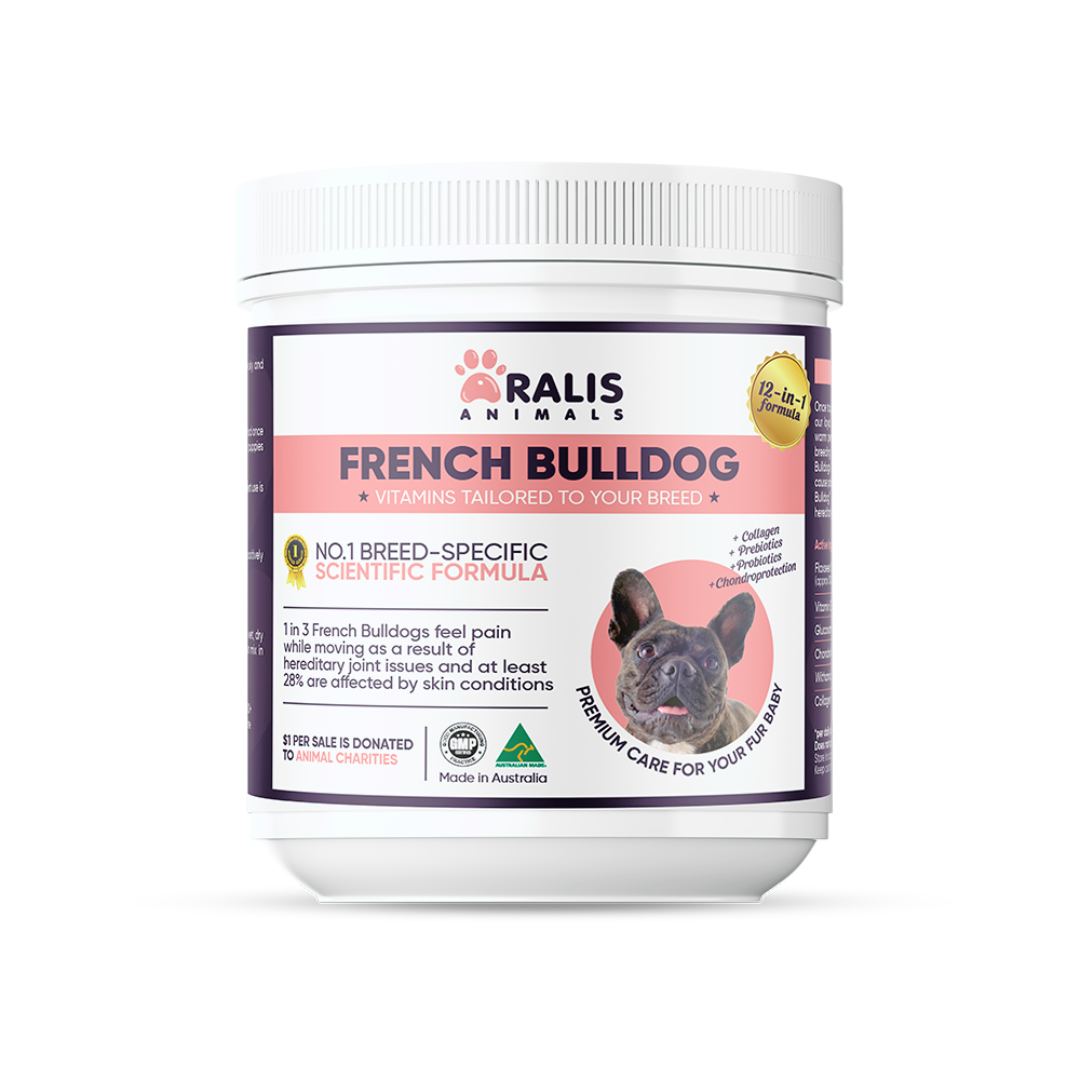
High-quality supplements specifically formulated for dogs with skin issues can support skin health from within. Omega-3 fatty acids, probiotics, and other targeted nutrients can strengthen the skin barrier and reduce inflammation. Breed-specific supplements designed for French Bulldogs can address their unique nutritional needs.
Lifestyle Adjustments
Regular grooming, including cleaning and drying skin folds, is essential for preventing infections. Maintaining a clean living environment and minimizing exposure to known allergens can also help manage symptoms.
Prevention Tips
Regular Grooming
Establish a consistent grooming routine that includes regular bathing, brushing, and cleaning of skin folds. This helps prevent the buildup of moisture, dirt, and allergens.
Proper Diet
Feed your French Bulldog a high-quality diet appropriate for their age and health status. Consider consulting with your veterinarian about the best food choices for your individual dog.
Environmental Control
Minimize your dog's exposure to known allergens by keeping your home clean, using air filters, and avoiding harsh chemicals and pesticides.
Regular Vet Check-ups
Schedule regular veterinary check-ups to monitor your French Bulldog's skin health and catch problems early before they become severe.
Conclusion
French Bulldogs' susceptibility to skin allergies and itchy skin problems is a result of their genetic predisposition, breed-specific physical characteristics, and compromised skin barrier function. Understanding these factors and recognizing the signs of skin issues early can make a significant difference in your dog's comfort and quality of life.
Managing french bulldog skin issues requires a comprehensive approach that includes proper veterinary care, appropriate nutrition, regular grooming, and environmental management. By taking proactive steps and providing your French Bulldog with the specialized care they need, you can help minimize skin problems and keep your beloved companion comfortable and healthy.
If your French Bulldog is struggling with skin allergies or itchy skin, consider exploring breed-specific supplements from Aralis Animals. Our tailored solutions are designed to support your French Bulldog's unique health needs and promote optimal skin health. Elevate your pet's health today with supplements specifically formulated for your beloved companion's wellbeing.