

Why Does My Pug Keep Getting Rashes? Common Allergy Triggers Explained

If you're a pug owner, you've likely noticed your furry friend scratching more than seems normal. Those adorable wrinkled faces and compact bodies come with a price—pugs are particularly susceptible to skin issues that can leave them uncomfortable and you frustrated. Understanding what causes these rashes and how to address them is essential for keeping your beloved companion happy and healthy. This comprehensive guide will help you identify common allergy triggers, recognize symptoms, and explore effective treatment options for your pug's persistent skin problems.
Understanding Pug Skin Allergies
Pugs have a unique genetic makeup that makes them more prone to skin sensitivity than many other dog breeds. Their short coats, while low-maintenance in terms of grooming, don't provide the same protective barrier as longer-haired breeds. Additionally, their facial structure, including those characteristic wrinkles and skin folds, creates warm, moist environments where bacteria and yeast can thrive. This combination of factors means that pug skin problems are not just occasional issues—they're something many pug owners deal with regularly.
Dog skin allergies differ from other skin conditions in that they involve an immune system response to specific triggers. When your pug's immune system overreacts to a substance it perceives as threatening, it releases histamines and other inflammatory compounds. This leads to the itching, redness, and rash formation that characterizes allergic reactions. Understanding this distinction is crucial because it helps determine the appropriate treatment approach.
Dog skin allergy symptoms can manifest in various ways. The most obvious sign is excessive scratching and licking, but you might also notice hair loss, red or inflamed skin, scabs, and a distinctive odor. Some pugs develop secondary infections from constant scratching, which can complicate the original allergy issue. Recognizing these dog skin allergy symptoms early allows you to intervene before the problem escalates.
Common Allergy Triggers for Pugs
Food Allergies
One of the most common culprits behind pug skin issues is food allergies. Unlike food intolerances, which cause digestive upset, food allergies trigger immune responses that often manifest as skin problems. Common food allergens for dogs include chicken, beef, dairy, wheat, and soy. If your pug develops a rash shortly after eating or shows consistent itching year-round, food allergies might be the cause.
Identifying food allergies requires patience and systematic elimination. Your veterinarian might recommend an elimination diet where you feed your pug a novel protein source (one they've never eaten before) for several weeks. If the symptoms improve, you can gradually reintroduce foods to identify the specific trigger. This process takes time but provides valuable information about your pug's dietary needs.
Environmental Allergens
Environmental factors play a significant role in dog skin allergies. Pugs can be allergic to grass, pollen, dust mites, mold, and other airborne particles. If you notice your pug's itching worsens during certain seasons, environmental allergies are likely the culprit. Spring and fall typically see increased pollen counts, while summer heat can exacerbate dust mite populations indoors.
Dog allergic to grass is a common complaint among pug owners. When your pug walks through grass, pollen particles stick to their coat and skin, triggering allergic reactions. You might notice your pug focusing their scratching on their paws, belly, and face—areas that make direct contact with grass and environmental irritants.
Parasites and Irritants
Even if your pug is on regular flea prevention, parasites can still cause significant skin problems. Fleas are a common trigger for dog itching and scratching, and some dogs develop flea allergy dermatitis—an extreme allergic reaction to flea saliva. A single flea bite can trigger intense itching in sensitive dogs. Additionally, mites, lice, and other parasites can cause rashes and discomfort.
Beyond parasites, contact allergens like certain fabrics, cleaning products, or grooming supplies can irritate your pug's skin. Some pugs react negatively to specific shampoos, collars, or bedding materials. Identifying these contact allergens involves observing when symptoms appear and what your pug has been exposed to.
Contact Allergies
Contact allergies occur when your pug's skin reacts to direct contact with a substance. This might include certain plants, chemicals, or materials. Rash on dogs belly often indicates contact allergies, as the belly has thinner, more sensitive skin that makes direct contact with surfaces like grass, carpets, or furniture. If you notice your pug's rash appears primarily on areas that touch the ground or certain surfaces, contact allergies are worth investigating.
Identifying the Problem
Recognizing the specific cause of your pug's skin issues requires careful observation. Start by noting when the itching is worst—is it seasonal, constant, or triggered by specific activities? Document what your pug eats, where they spend time, and any environmental changes that coincide with symptom flare-ups.
Dog itching and scratching patterns provide valuable clues. If your pug focuses on their paws and face, environmental or food allergies are likely. If the itching is concentrated on the belly and skin folds, contact allergies or parasites might be responsible. Generalized itching across the body could indicate food allergies or systemic issues.
Dog irritated skin warning signs include excessive licking or chewing, visible redness, scabs, hair loss, and a musty odor indicating secondary yeast infections. Some pugs develop hot spots—areas of intense inflammation and infection from constant licking. These require immediate attention to prevent serious complications.
Treatment Options for Dog Itchy Skin
Professional Veterinary Care
When to see a vet is an important question for any pug owner dealing with skin issues. If your pug's symptoms persist for more than a few weeks, worsen despite home care, or show signs of infection, professional evaluation is essential. Your veterinarian can perform skin scrapings, fungal cultures, or allergy testing to identify the specific cause.
Your vet might recommend antihistamines, corticosteroids, or antibiotics if secondary infections are present. For severe cases, prescription medications like apoquel or cerenia can provide relief while you identify and address the underlying cause. Never self-treat with human medications or over-the-counter products without veterinary guidance.
At-Home Remedies and Prevention
While professional treatment is important, several at-home strategies can complement veterinary care. Regular bathing with hypoallergenic shampoos can remove allergens from your pug's coat and skin. However, over-bathing can strip natural oils, so limit baths to once or twice weekly unless your vet recommends otherwise.
Omega-3 fatty acids support skin health and reduce inflammation. Adding fish oil supplements to your pug's diet can improve coat quality and reduce itching. Probiotics also support immune function and may help reduce allergic responses.
Keeping your pug's environment clean reduces exposure to dust mites and mold. Wash bedding frequently in hot water, use air purifiers, and maintain appropriate humidity levels. Regular grooming helps you spot skin issues early and removes allergens from the coat.
Breed-Specific Solutions for Pug Skin Problems
Pugs require specialized care that addresses their unique genetic predispositions. Pug skin problem prevention tips include maintaining proper weight, as obesity exacerbates skin issues by increasing skin fold moisture and heat. Regular inspection of skin folds and keeping them clean and dry prevents bacterial and yeast overgrowth.
The importance of breed-specific supplements cannot be overstated. Generic supplements designed for all dogs may not address the specific nutritional needs of pugs. Breed-specific formulations take into account the unique challenges pugs face, including their tendency toward skin sensitivity and allergies.
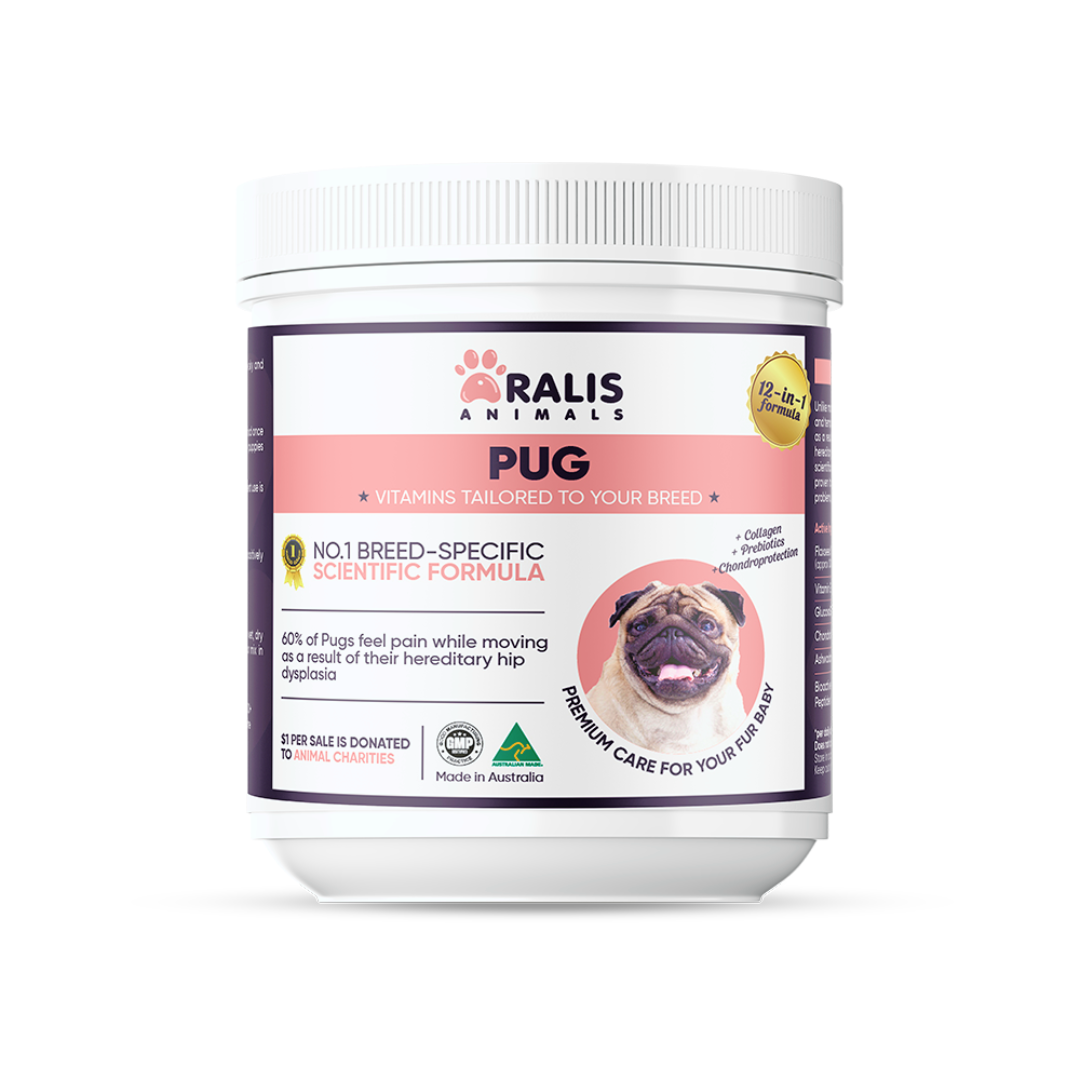
Aralis Animals offers tailored solutions specifically designed for pug health. Their breed-specific supplements are formulated to support skin health, reduce inflammation, and strengthen your pug's natural defenses against allergens. By choosing products designed specifically for your pug's breed, you're giving them the targeted support they need to maintain healthy skin and coat. Click here to learn more.
Conclusion
Pug skin issues are frustrating, but they're manageable with the right approach. By understanding common allergy triggers, recognizing symptoms early, and implementing appropriate treatment strategies, you can significantly improve your pug's quality of life. Whether your pug struggles with food allergies, environmental sensitivities, or contact allergens, a combination of professional veterinary care and targeted at-home management typically yields positive results.
Don't let your pug suffer through constant itching and discomfort. Start by consulting with your veterinarian to identify the specific cause of your pug's rashes. Then, explore breed-specific supplements and preventive measures that address your pug's unique needs. With dedication and the right support, your pug can enjoy healthy, comfortable skin and the happy, active life they deserve.