

Why Does My Dog Keep Licking Their Paws? Common Causes and What Actually Helps

As a devoted dog owner, you've likely encountered the frustrating scenario of your canine companion constantly licking their paws. This behavior can be perplexing, as it's not always clear what's driving it. Is it a harmless grooming habit, or a sign of a deeper issue? Understanding the underlying causes is the first step in providing your furry friend the relief they need.
Normal vs. Excessive Paw Licking
A certain amount of paw licking is considered normal dog behavior. Dogs groom themselves as part of their natural hygiene routine, and the paws are a common target. However, when this licking becomes excessive, it's often an indication that something is amiss.
Signs that your dog's paw licking has crossed the line into problematic territory include:
- Persistent, compulsive licking that doesn't seem to have an end
- Visible irritation, redness, or inflammation of the paws
- Licking that leads to hair loss or open sores
- Limping or favoring one paw over the others
If you notice any of these concerning symptoms, it's important to investigate the root cause and address it promptly.
Common Medical Causes
There are several medical conditions that can trigger excessive paw licking in dogs. Understanding these potential culprits can help you work with your veterinarian to find the right solution.
Allergies
Environmental and food allergies are a common trigger for paw licking in dogs. When a dog's immune system overreacts to certain substances, it can cause itchy, inflamed skin - including on the paws. This leads to excessive licking as the dog tries to find relief.
Skin Infections
Bacterial or fungal infections of the skin can also cause irritation and inflammation that drives a dog to lick their paws. These infections may stem from underlying conditions like allergies or poor grooming habits.
Parasites
External parasites like fleas, mites, or ticks can take up residence on a dog's paws, leading to intense itching and licking.
Injuries or Foreign Objects
Cuts, scrapes, or the presence of a foreign object (like a foxtail or splinter) lodged in the paw can cause pain and discomfort, prompting a dog to lick the affected area.
Psychological Triggers
While medical issues are a common root cause, paw licking can also have psychological underpinnings. Factors like anxiety, boredom, and stress can all contribute to this behavior.
Anxiety
Dogs with separation anxiety, fear-based issues, or other sources of chronic stress may turn to paw licking as a self-soothing mechanism.
Boredom
Lack of mental and physical stimulation can lead some dogs to develop compulsive behaviors like excessive paw licking out of sheer boredom.
Stress
Major life changes, household disruptions, or other stressful events can trigger a dog's paw licking as a coping mechanism.
Identifying the Root Cause
Determining the underlying reason for your dog's paw licking is crucial for providing effective relief. Start by closely observing your pet's behavior and environment for potential triggers. Take note of when the licking occurs, how long it lasts, and any other accompanying symptoms.
If the licking is accompanied by visible skin irritation, redness, or other concerning signs, it's time to schedule a veterinary appointment. Your vet can perform a thorough examination, run diagnostic tests if needed, and help pinpoint the root cause. This may involve allergy testing, skin scrapings, or other investigative measures.
Treatment and Management Strategies
Once the underlying issue has been identified, your vet can recommend the appropriate treatment plan. This may include:
Veterinary Interventions
- Prescription medications to address allergies, infections, or other medical conditions
- Topical treatments like medicated shampoos or ointments to soothe irritated skin
- Flea/parasite control products to eliminate external pests
Home Care Techniques
- Frequent paw soaking and cleaning to remove irritants
- Applying soothing, moisturizing balms to dry, cracked paws
- Providing mental and physical stimulation to curb boredom-related licking
- Using calming supplements or anxiety-reducing techniques for stress-induced licking
Preventative Measures
- Implementing a regular grooming routine to keep paws clean and healthy
- Identifying and removing potential allergens from your dog's environment
- Providing ample opportunities for exercise and enrichment to prevent boredom
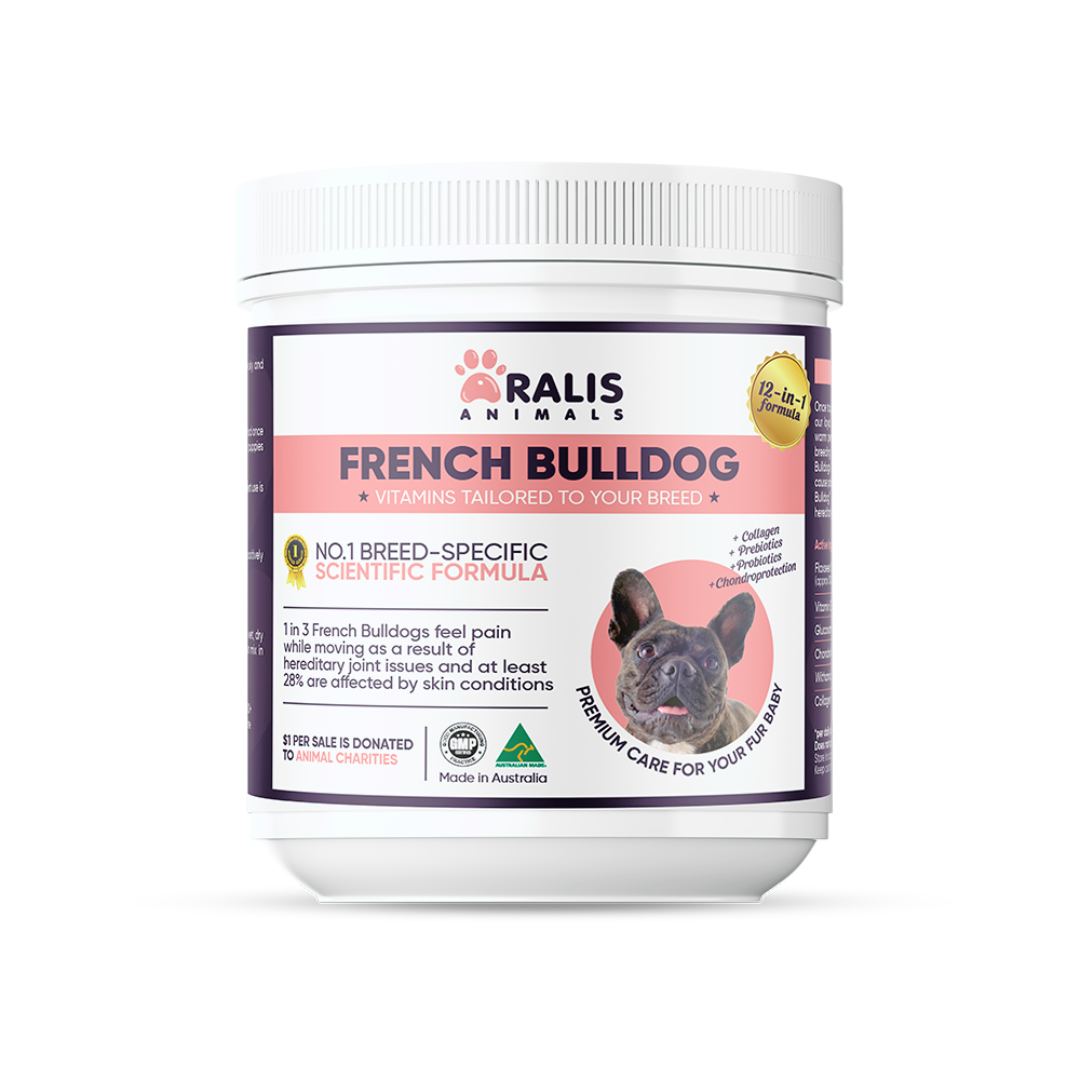
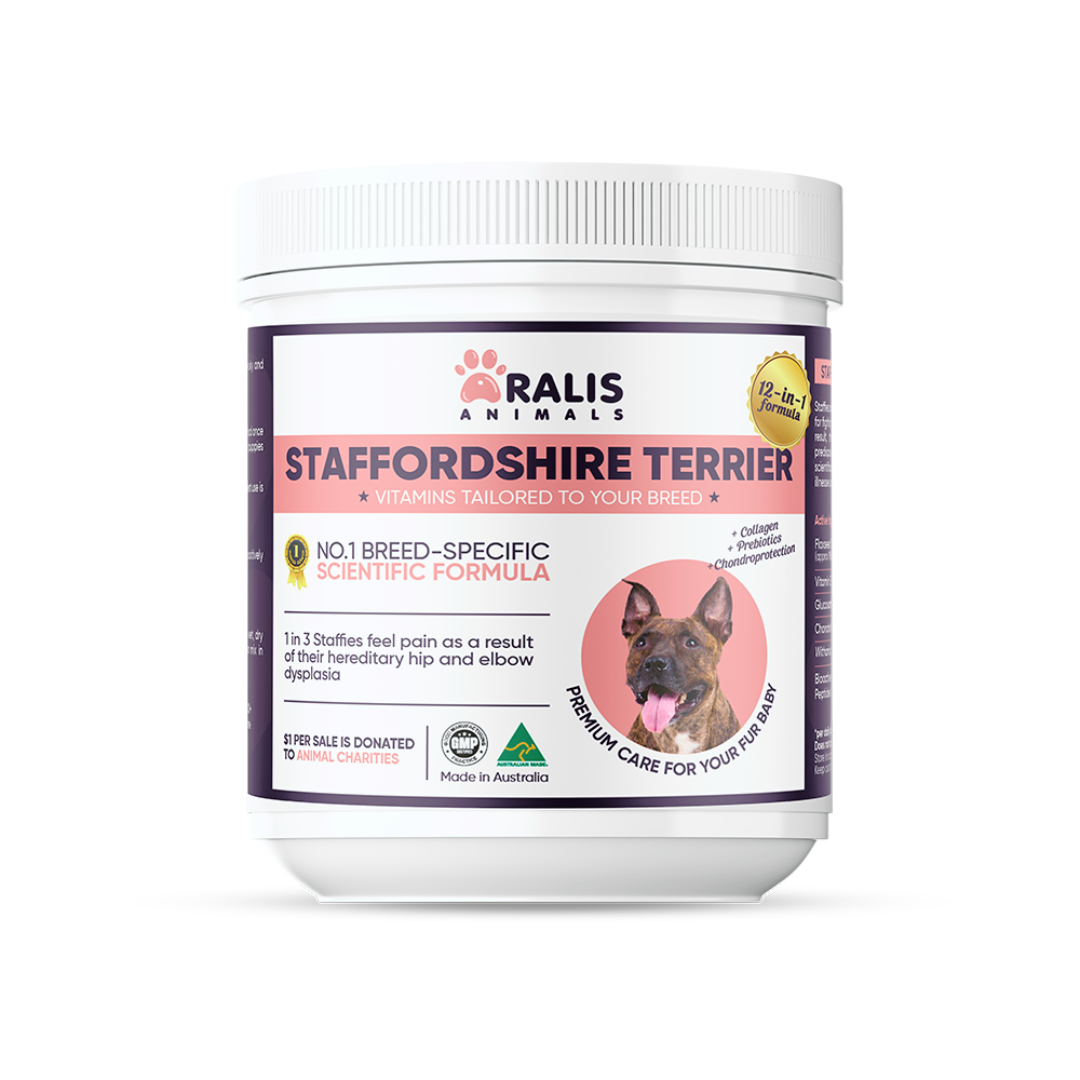
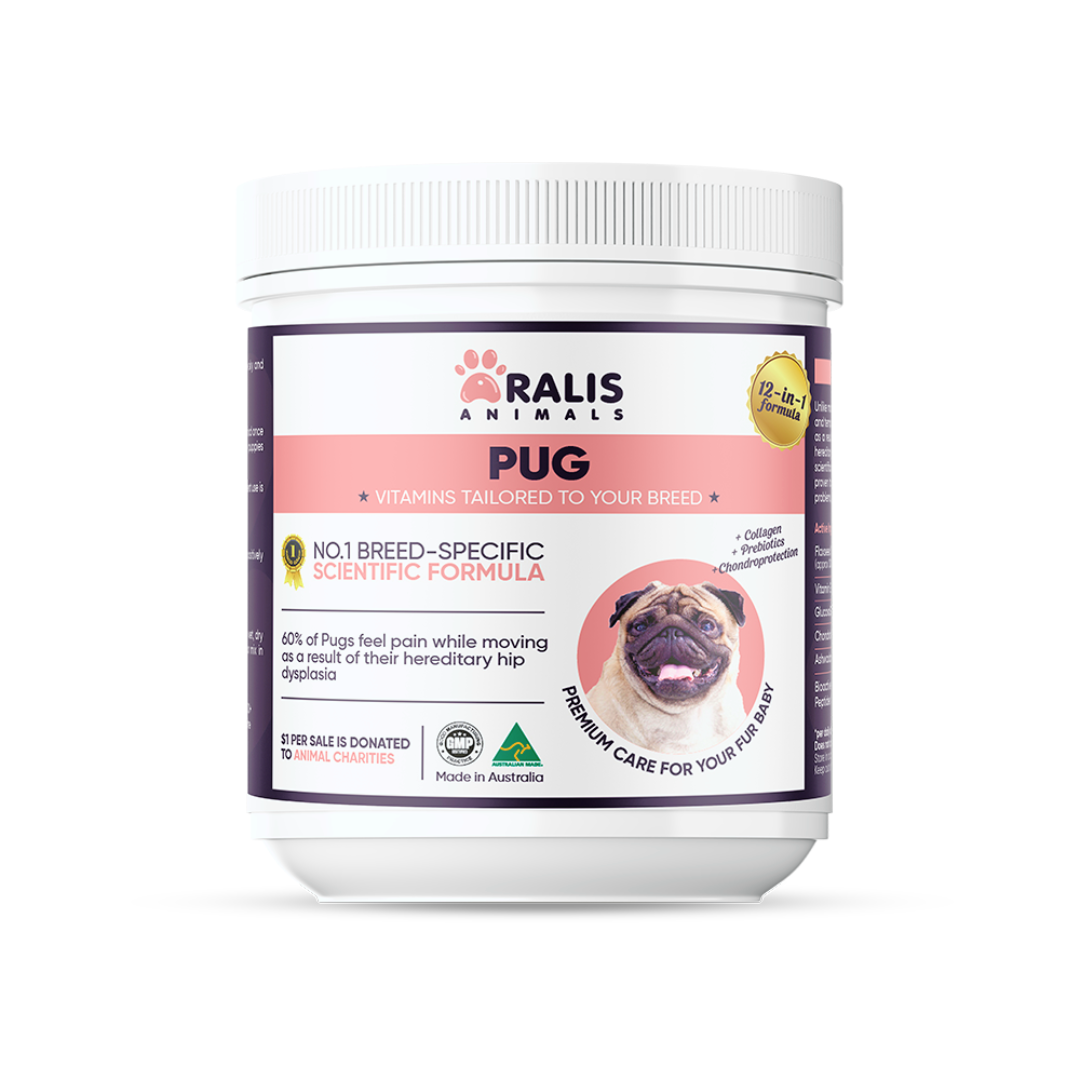
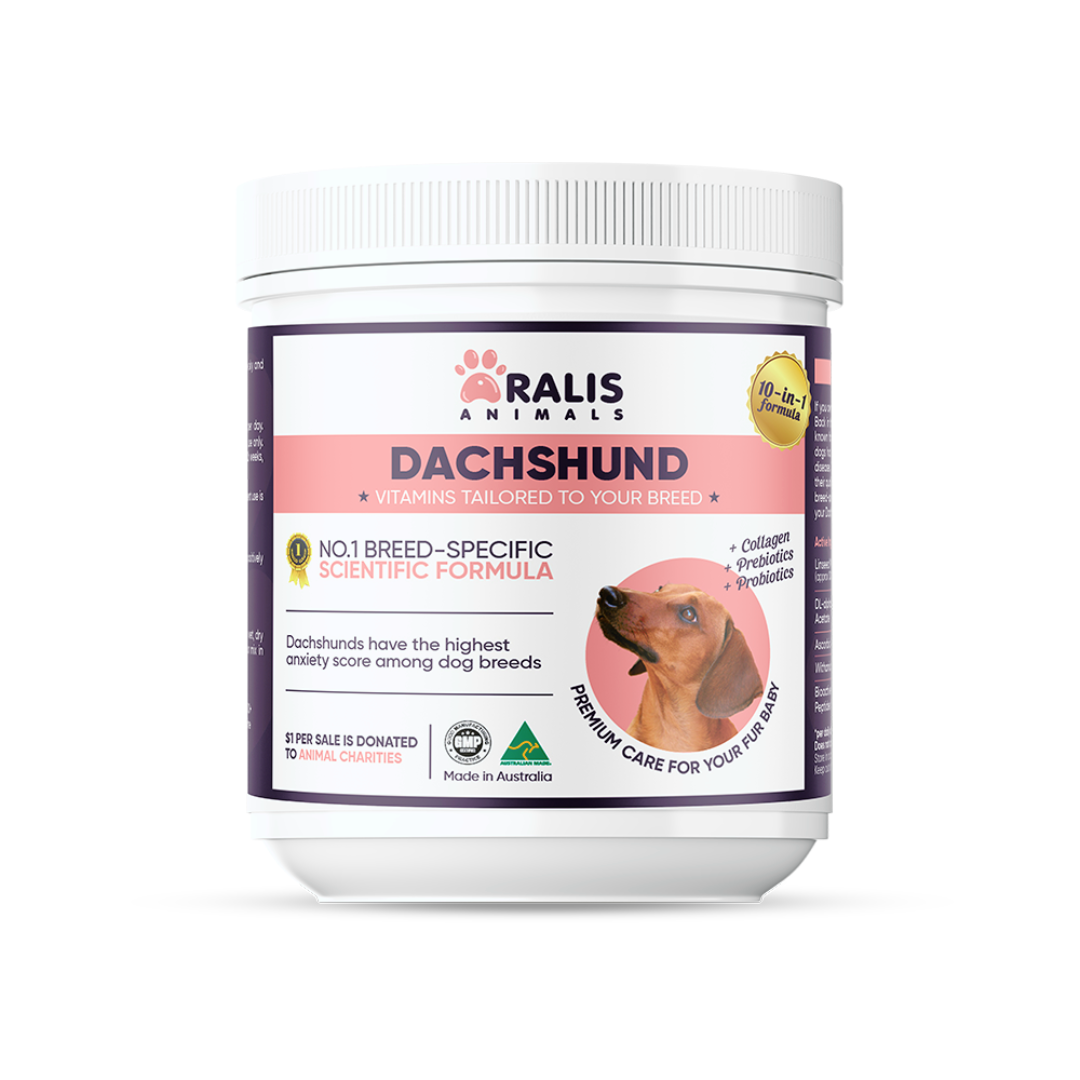
For dogs whose paw licking is linked to allergies or gut imbalance, Aralis Animals Multivitamins provide daily support with omega fatty acids for skin barrier health and probiotics, including Saccharomyces boulardii, to help calm the gut–immune response often behind chronic itching. A simple, nutrition-first way to support paws from the inside out. Explore here.
Addressing the root cause of your dog's paw licking, whether it's medical or psychological, is crucial for restoring their comfort and well-being. By working closely with your veterinarian and employing a multi-faceted approach, you can help your furry friend find relief and put an end to this frustrating behavior. Remember, your dog's health and happiness are the top priorities, so don't hesitate to seek professional guidance when needed.