

Why Beagles Are Prone to Allergies and How to Support Them with the Right Supplements

Beagles are beloved companions known for their curious nature, boundless energy, and affectionate personalities. However, many beagle owners face a common challenge that can significantly impact their pet's quality of life: allergies. If you've noticed your beagle constantly scratching, licking their paws, or displaying other signs of discomfort, you're not alone. Understanding why beagles are particularly susceptible to allergies and learning how to support them with the right supplements can make a tremendous difference in your furry friend's health and happiness.
Why Beagles Are Prone to Allergies
Beagles have a genetic predisposition to allergies that sets them apart from many other dog breeds. This susceptibility isn't a flaw in the breed but rather a characteristic that beagle owners should be aware of and prepared to manage. Several factors contribute to this heightened vulnerability.
Genetic Predisposition
The beagle breed has been selectively bred for specific traits, including their exceptional sense of smell and hunting instincts. Unfortunately, this selective breeding has also resulted in a genetic tendency toward allergic reactions. If your beagle's parents or grandparents suffered from allergies, there's a higher likelihood that your dog will too. This genetic component means that even the healthiest beagle may develop allergies at some point in their life.
Common Allergen Triggers
Beagles can react to various allergens, which fall into three main categories: food allergies, environmental allergies, and contact allergies. Food allergies in beagles often stem from common ingredients like chicken, beef, wheat, and corn. Environmental allergens include pollen, dust mites, mold, and pet dander. Contact allergies may develop from certain materials, cleaning products, or plants. Understanding which allergens affect your specific beagle is crucial for effective management.
Breed-Specific Susceptibility Factors
Beyond genetics, beagles have other characteristics that make them more prone to allergies. Their floppy ears create a warm, moist environment that can harbor bacteria and yeast, leading to ear infections and skin issues. Their short coat, while easy to maintain, offers less protection against environmental irritants. Additionally, beagles are notorious for their love of food and tendency to eat anything they find, which can expose them to potential food allergens and digestive issues that trigger allergic responses.
Signs and Symptoms of Allergies in Beagles
Recognizing the early signs of allergies in your beagle is essential for prompt intervention. Dog itching and scratching is often the most obvious indicator, but there are many other symptoms to watch for.
Dog Itching and Scratching Behaviors
Excessive scratching is typically the first sign that something is amiss. You might notice your beagle constantly licking their paws, scratching behind their ears, or rubbing their face on furniture and carpets. This behavior can become obsessive and lead to secondary skin infections if left unaddressed.
Dog Skin Allergies and Manifestations
Dogs itchy skin conditions in beagles often manifest as redness, inflammation, and sometimes hair loss. You may notice dry, flaky skin or hot spots where your beagle has scratched through the skin. Some beagles develop a distinctive odor due to yeast overgrowth on their skin, which is a common secondary infection resulting from allergies.
Other Physical Indicators
Beyond skin issues, allergic beagles may experience watery eyes, ear infections, sneezing, and gastrointestinal problems like diarrhea or vomiting. Some beagles develop paw pad dermatitis, where the skin between their toes becomes inflamed and irritated. Chronic ear infections are particularly common in beagles due to their ear structure, and these are often allergy-related.
The Role of Gut Health in Managing Allergies
One of the most overlooked aspects of allergy management in dogs is the critical connection between gut health and immune response. A healthy digestive system is fundamental to a strong immune system, and this relationship is especially important for allergy-prone beagles.
Connection Between Gut Health and Immune Response
Approximately 70% of a dog's immune system resides in their gut. When the digestive system is compromised, the immune system becomes dysregulated, making your beagle more susceptible to allergic reactions. A healthy gut barrier prevents harmful substances from entering the bloodstream, while a compromised gut allows these substances to trigger immune responses. This is why supporting digestive health is crucial for managing common dog allergies.
How Digestive Health Affects Allergy Symptoms
When your beagle's digestive system is functioning optimally, it can better process food and eliminate potential allergens before they cause problems. Conversely, poor digestive health can lead to increased intestinal permeability, often called "leaky gut," which allows partially digested food particles and toxins to enter the bloodstream. This triggers immune responses that manifest as skin allergies, itching, and other allergy symptoms. By improving gut health, you're essentially strengthening your beagle's ability to tolerate potential allergens.
Supporting Beagles with Supplements
While dietary management and environmental controls are important, targeted supplementation can provide significant relief for allergy-prone beagles. The right supplements work synergistically to support immune function, reduce inflammation, and promote healing.
Probiotics for Dogs Benefits
Probiotics are beneficial bacteria that support a healthy gut microbiome. For dogs with allergies, probiotics for dogs can be transformative. These supplements help restore the balance of beneficial bacteria in the digestive tract, strengthen the gut barrier, and modulate immune responses. A healthy microbiome helps your beagle's body distinguish between harmful pathogens and harmless substances, reducing unnecessary allergic reactions. Quality probiotics can also help reduce inflammation throughout the body, including in the skin.
Prebiotics and Probiotics for Dogs Working Together
While probiotics introduce beneficial bacteria, prebiotics and probiotics for dogs work best together. Prebiotics are non-digestible fibers that serve as food for beneficial bacteria, helping them thrive and multiply. When you combine prebiotics with probiotics, you create an optimal environment for a healthy microbiome. This synergistic approach is more effective than using either supplement alone, as it ensures that the beneficial bacteria have the nutrients they need to flourish and provide maximum benefit to your beagle's immune system.
Allergy Supplements for Dogs Options
Beyond probiotics and prebiotics, several other supplements can support allergy management. Omega-3 fatty acids help reduce inflammation and support skin health. Quercetin acts as a natural antihistamine, helping to reduce allergic responses. Digestive enzymes can improve nutrient absorption and reduce digestive stress. Bone broth provides collagen and amino acids that support gut healing. At Aralis Animals, we understand that every beagle is unique, which is why we offer breed-specific supplements tailored to address the particular needs of beagles prone to allergies.
Aralis Animals Breed-Specific Solutions
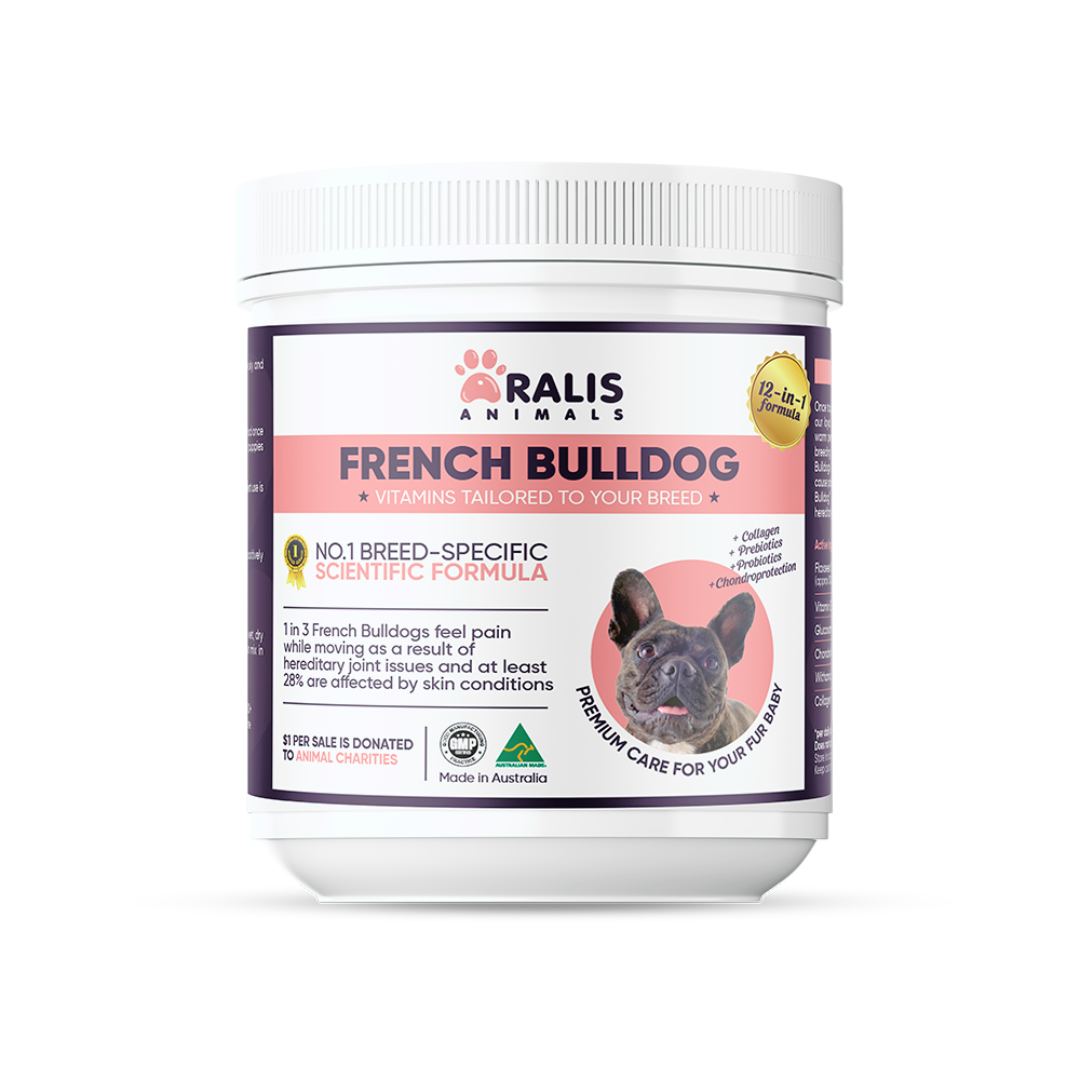
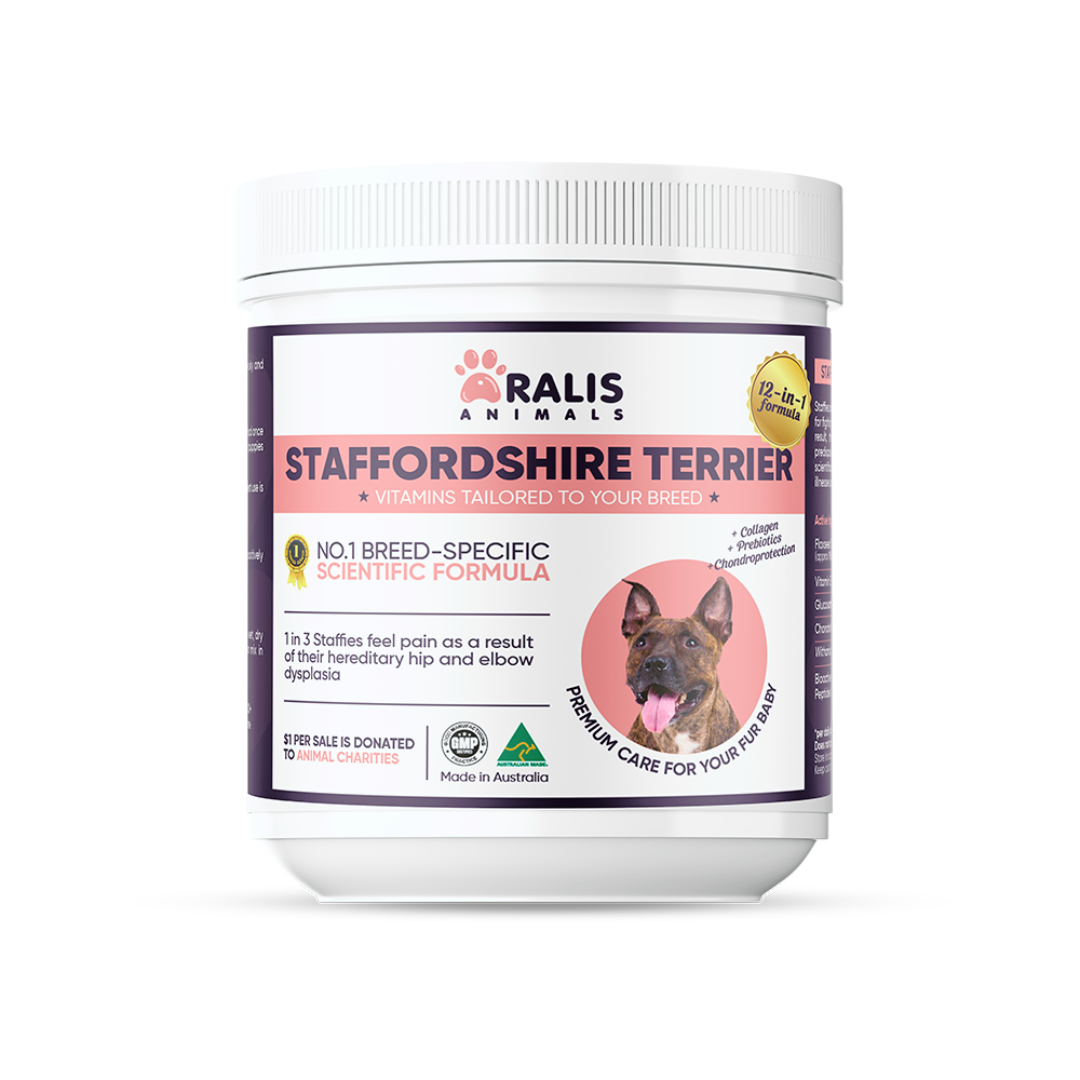
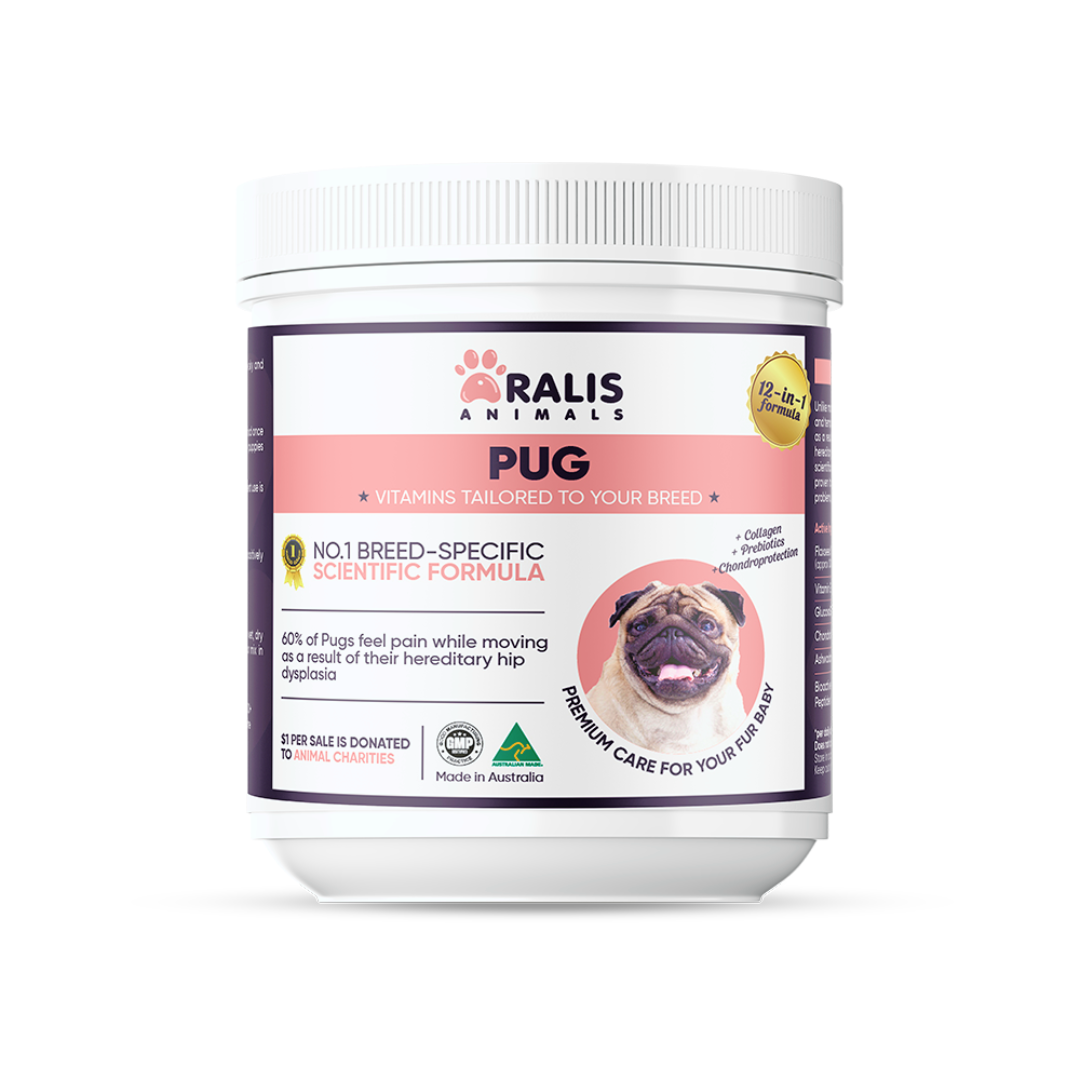
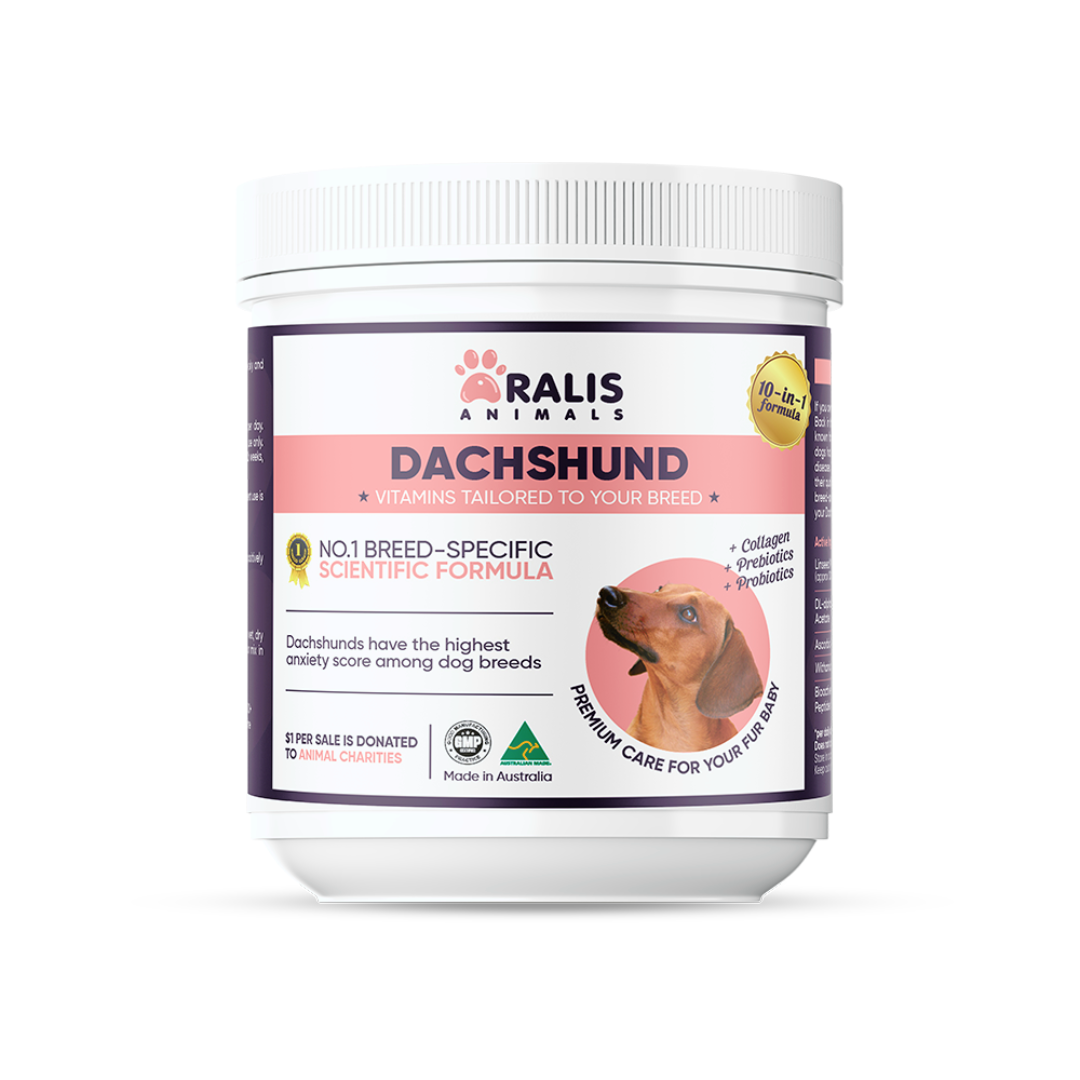
Aralis Animals specializes in breed-specific supplements designed to elevate your pet's health. Our carefully formulated supplements for beagles take into account the breed's genetic predisposition to allergies and digestive sensitivities. We combine the most effective ingredients, including probiotics, prebiotics, and other allergy-supporting nutrients, in optimal ratios specifically for beagles. Our products are developed with the understanding that beagles need targeted support to manage their unique health challenges. If you’re looking for gentle, consistent support, you can learn more here.
Prevention and Long-Term Care
Managing allergies in beagles isn't just about treating symptoms; it's about creating a comprehensive approach to prevention and long-term wellness.
Dietary Considerations
Feed your beagle a high-quality, limited-ingredient diet that minimizes exposure to common allergens. Many beagle owners find success with novel protein sources like duck, venison, or fish. Avoid foods with excessive fillers, artificial additives, and common allergens like wheat and corn. Consider working with your veterinarian to identify specific food triggers through an elimination diet. Additionally, ensure your beagle has access to fresh water and avoid giving them table scraps, which can introduce unknown allergens.
Environmental Management Tips
Reduce your beagle's exposure to environmental allergens by regularly cleaning their bedding, using air filters in your home, and minimizing their time outdoors during high pollen seasons. Keep their ears clean and dry to prevent yeast and bacterial infections. Bathe your beagle regularly with a gentle, hypoallergenic shampoo to remove allergens from their coat and skin. Maintain a clean living environment free from dust and mold.
Regular Monitoring and Veterinary Guidance
Schedule regular check-ups with your veterinarian to monitor your beagle's allergy status and adjust treatment plans as needed. Keep a journal of your beagle's symptoms, diet, and environmental factors to identify patterns and triggers. Work closely with your vet to determine whether your beagle's allergies are food-related, environmental, or a combination of both. Regular monitoring allows you to catch problems early and prevent them from becoming severe.
Conclusion
Beagles' predisposition to allergies is a challenge that many owners face, but it's one that can be effectively managed with the right approach. By understanding why beagles are prone to allergies, recognizing the signs and symptoms, and supporting your dog's health with proper supplementation, you can significantly improve your beagle's quality of life. The connection between gut health and immune function is particularly important, making probiotics for dogs and other digestive support supplements essential tools in your allergy management arsenal.
Aralis Animals is committed to helping you elevate your beagle's health with breed-specific supplements designed to address their unique needs. Don't let allergies diminish your beagle's joy and comfort. Take action today by implementing dietary changes, environmental management strategies, and targeted supplementation. Your beloved companion deserves to live their best life, free from the constant discomfort of allergies. With dedication and the right support, you can help your beagle thrive despite their allergic tendencies.