

The Truth About Skin Allergies in Dogs and How to Actually Get Them Under Control

If you've ever watched your dog scratch relentlessly, lick their paws until they're raw, or shake their head constantly, you know how distressing it can be. Dog skin allergies are one of the most common health issues pet owners face, yet they remain widely misunderstood. Many dog owners spend months or even years trying different treatments without understanding the root cause of their pet's discomfort. The truth is, skin allergies in dogs are complex, multifaceted conditions that require a comprehensive approach to manage effectively. This guide will help you understand what's really happening with your dog's skin and provide you with actionable strategies to finally get their allergies under control.
Understanding Dog Skin Allergies
Dog skin allergies are far more prevalent than most people realize. Studies suggest that up to 10-15% of dogs suffer from some form of allergic dermatitis, making it one of the top reasons pet owners visit veterinarians. But what exactly are these allergies, and why do they develop?
Types of Dog Skin Allergies
There are three primary categories of skin allergies in dogs, and understanding the differences is crucial for effective treatment.
Atopic dermatitis is perhaps the most common form of dog skin allergies. This condition develops when a dog's immune system overreacts to environmental allergens like pollen, dust mites, mold spores, or grass. Unlike humans who typically experience respiratory symptoms from these allergens, dogs manifest their allergic reactions through their skin. Atopic dermatitis tends to be seasonal, though some dogs experience year-round symptoms depending on their environment.
Food allergies represent another significant category of dog skin allergies. When a dog has a food allergy, their immune system reacts negatively to specific proteins or ingredients in their diet. Common culprits include beef, chicken, wheat, and dairy. Unlike food intolerances, which cause digestive upset, food allergies often present as skin problems, making them particularly tricky to diagnose.
Contact allergies occur when a dog's skin reacts to direct contact with irritating substances. These might include certain fabrics, cleaning products, pesticides, or even specific plants like poison ivy. Contact allergies are typically localized to the areas where contact occurred.
How Allergies Develop in Dogs
The development of allergies in dogs involves both genetic predisposition and environmental factors. Some breeds are more prone to allergies than others, which is why breed-specific approaches to allergy management can be particularly effective. When a dog is genetically predisposed to allergies, their immune system is essentially primed to overreact to certain substances. Environmental exposure then triggers this overreaction, leading to the inflammatory response we see as itching, redness, and other skin symptoms.
Key Symptoms to Recognize
Identifying dog skin allergy symptoms early is essential for preventing secondary infections and improving your pet's quality of life. The signs can be subtle at first, but they typically escalate if left unaddressed.
Primary Symptoms
The most obvious sign of skin allergies in dogs is excessive itching and scratching. You might notice your dog scratching more than usual, particularly in specific areas like their ears, paws, face, or underarms. Dog licking paws is another telltale sign—many dogs with allergies will obsessively lick their feet, sometimes to the point of causing hair loss and open sores.
Other common symptoms include:
- Red, inflamed skin
- Hair loss or patchy coat
- Ear infections or excessive ear scratching
- Skin infections or hot spots
- Excessive shedding
- Dry, flaky skin
- Musty odor on the skin or coat
Distinguishing Allergies from Fleas
One of the most common mistakes pet owners make is assuming their dog's itching is caused by fleas. While flea allergy dermatitis is indeed a possibility, many cases of dog itching without fleas are actually caused by environmental or food allergies. If you've ruled out fleas through thorough inspection and flea prevention, but your dog is still constantly scratching, allergies are likely the culprit. The key difference is that flea-related itching typically improves with consistent flea prevention, whereas allergic itching persists despite flea control measures.
Common Causes and Triggers
Understanding what triggers your dog's allergies is fundamental to managing them effectively. Different dogs react to different allergens, which is why a personalized approach works best.
Environmental Allergens
Environmental allergies in dogs are incredibly common, particularly seasonal allergies in dogs that flare up during specific times of year. Spring and fall are typically the worst seasons when pollen counts are highest. Common environmental triggers include:
- Tree and grass pollen
- Dust and dust mites
- Mold spores
- Ragweed
- Dander from other animals
If your dog is allergic to grass, you might notice symptoms worsen during lawn season or after spending time outdoors. Some dogs develop year-round environmental allergies due to indoor allergens like dust mites or mold in the home.
Food-Related Triggers
Food allergies can develop at any point in a dog's life, even if they've been eating the same food for years. The most common food allergens for dogs include beef, chicken, wheat, corn, soy, and dairy products. Identifying food allergies requires patience and often involves an elimination diet under veterinary guidance.
Secondary Factors
It's important to note that allergies often don't occur in isolation. A dog with mild environmental allergies might develop severe symptoms when combined with a food sensitivity. Additionally, stress, poor nutrition, and compromised skin barriers can exacerbate allergic reactions.
Dog Skin Allergy Treatment Options
Once you've identified that your dog has skin allergies, the next step is determining the most appropriate treatment approach. There's no one-size-fits-all solution, but several evidence-based options can provide relief.
Veterinary Diagnosis
Before starting any dog allergies treatment, a proper veterinary diagnosis is essential. Your veterinarian might perform skin scrapings, fungal cultures, or allergy testing to identify the specific allergens affecting your dog. Intradermal allergy testing and serum allergy testing are both viable options, each with its own advantages.
Treatment Approaches
Medication is often the first line of defense. Antihistamines, corticosteroids, and newer immunosuppressive medications can provide relief from itching and inflammation. While these medications can be effective, they often come with side effects and may not address the underlying cause.
Dietary management is crucial, particularly for dogs with food allergies. Your veterinarian might recommend a limited ingredient diet or a prescription hypoallergenic diet. For environmental allergies, ensuring your dog receives optimal nutrition supports skin health and immune function.
Supplements and breed-specific solutions have gained significant recognition in recent years. High-quality supplements containing omega-3 fatty acids, probiotics, and other skin-supporting nutrients can significantly improve skin health and reduce allergic reactions. Breed-specific supplements are particularly valuable because they're formulated to address the specific predispositions and needs of particular breeds.
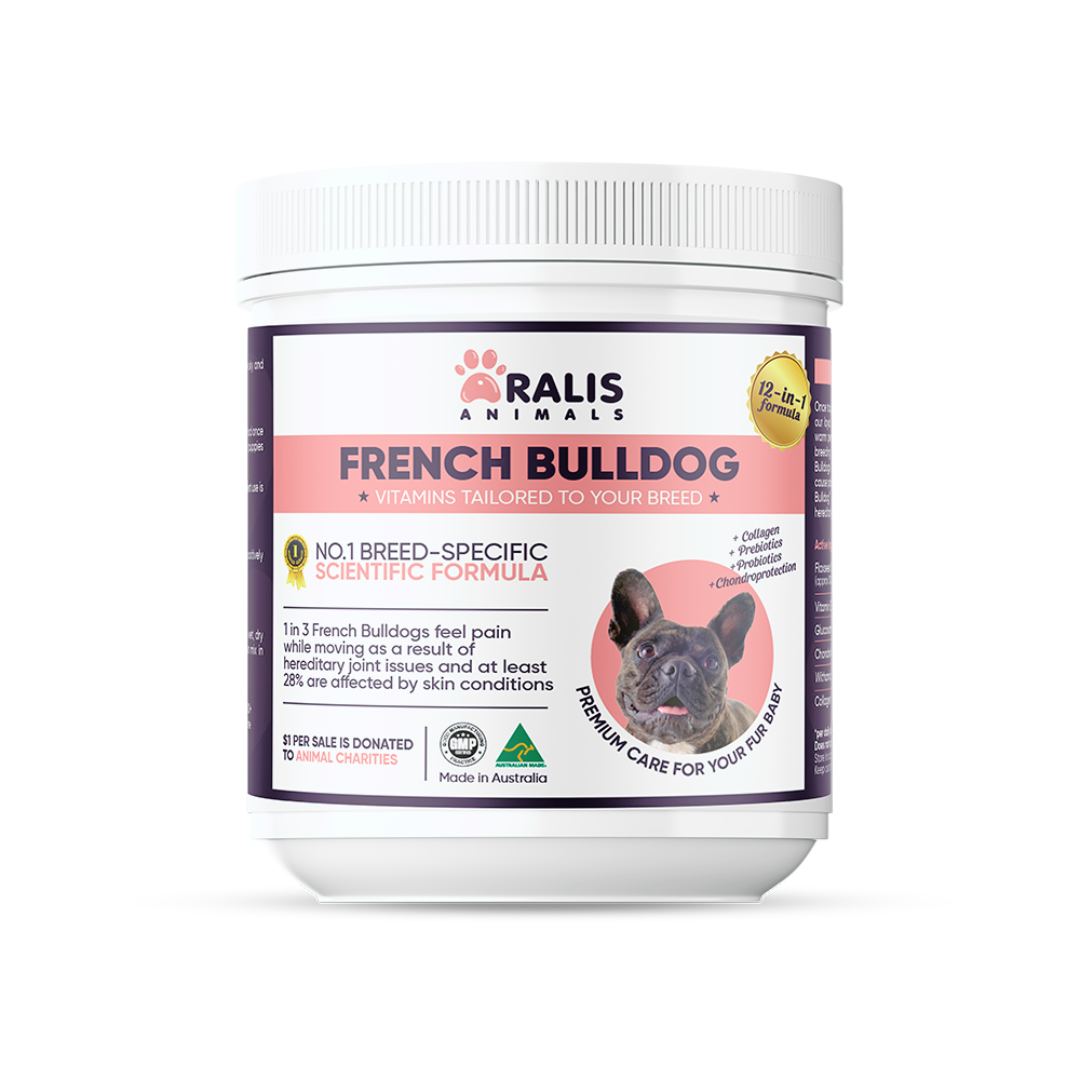
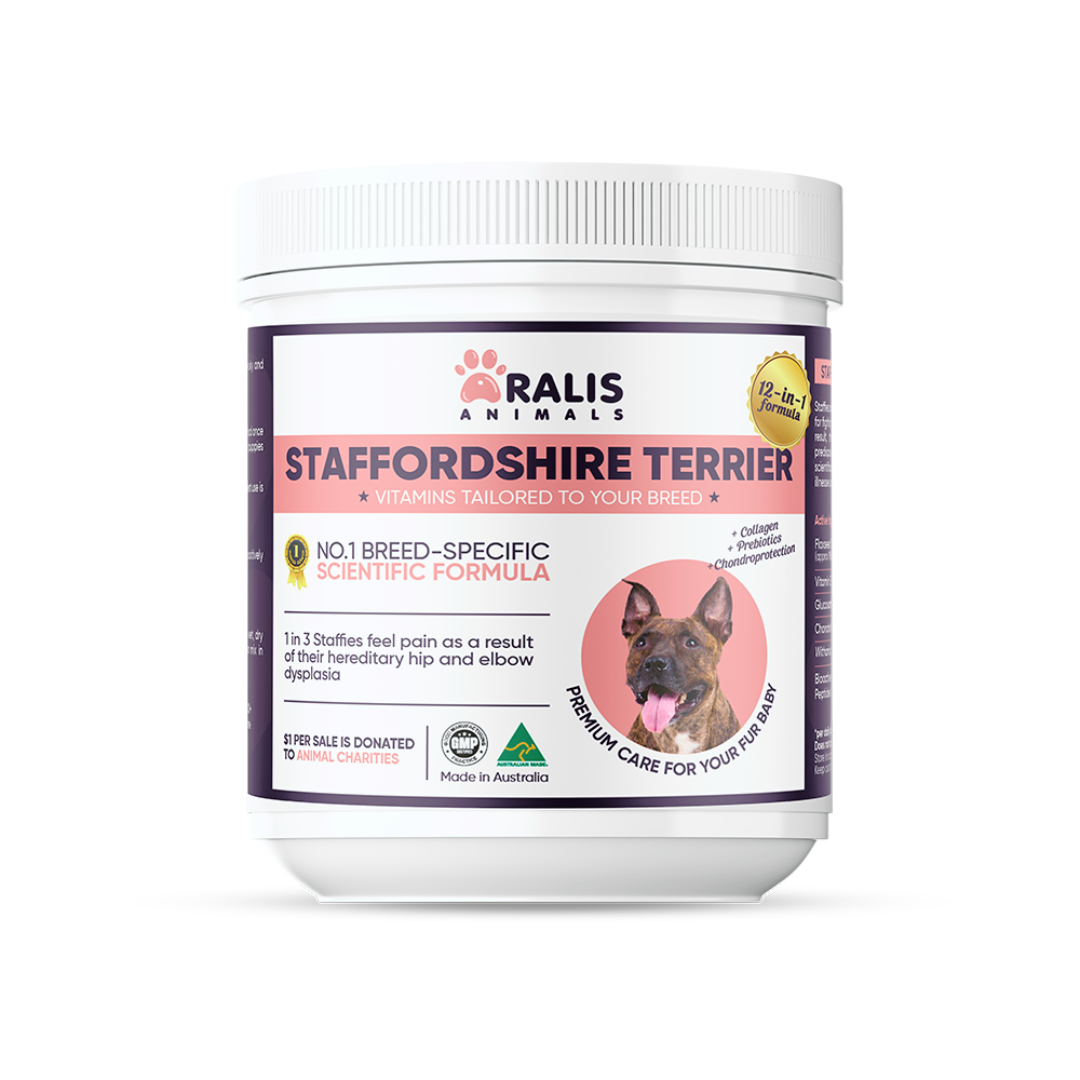
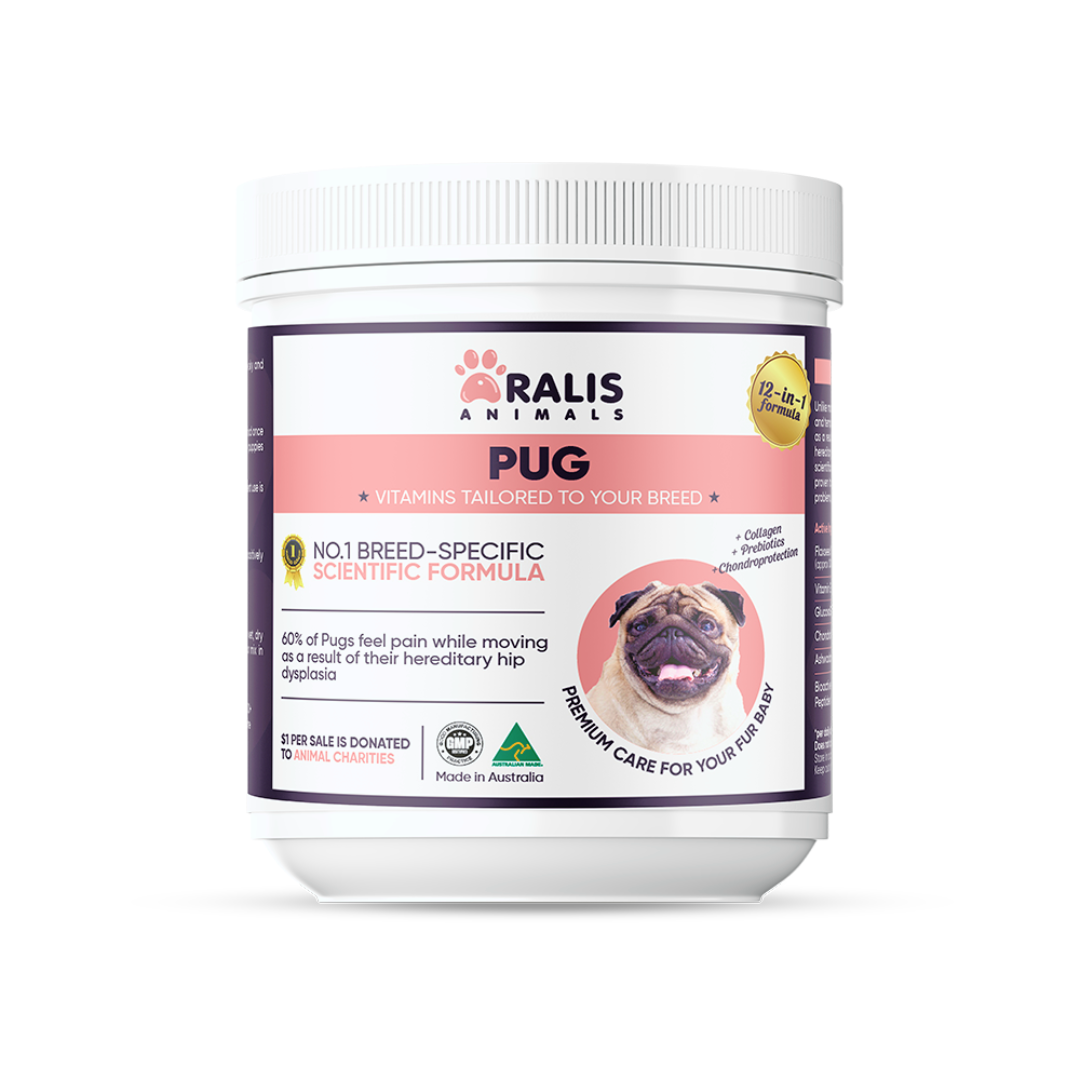
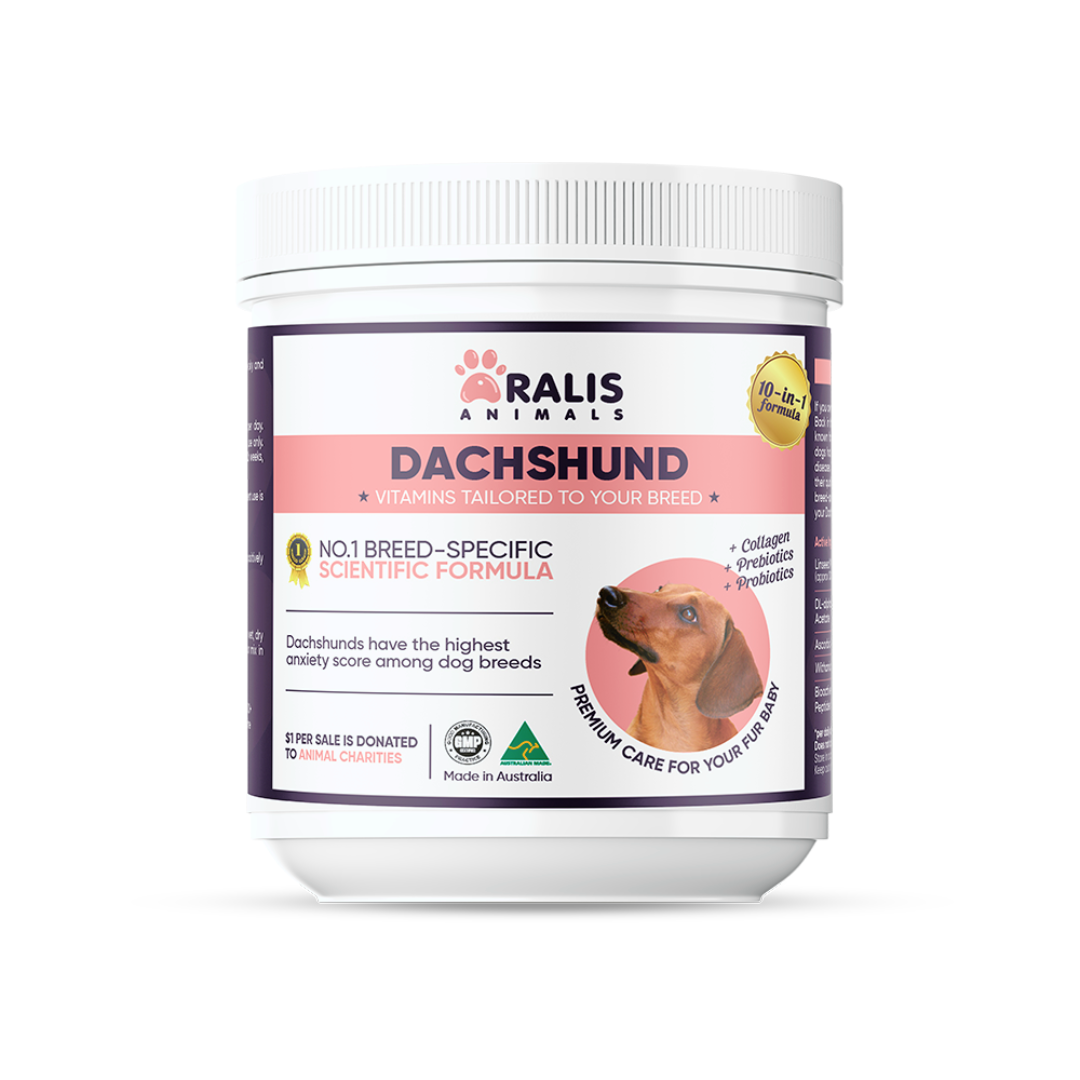
Supporting your pooch’s skin health goes beyond temporary itch relief. Our Aralis Animals multivitamins are formulated with omega fatty acids, probiotics, and skin-supporting nutrients to help strengthen the skin barrier, support gut balance, and promote a calmer immune response from within—click here to explore more.
The Role of Topical Care
Regular bathing with hypoallergenic shampoos can help remove allergens from your dog's coat and soothe irritated skin. Medicated shampoos prescribed by your veterinarian can provide additional relief during flare-ups.
Practical Management Strategies
Beyond medical interventions, implementing practical management strategies in your daily routine can significantly reduce your dog's allergic symptoms.
Daily Care Routines
Establish a consistent grooming routine that includes regular brushing to remove allergens from the coat and identify skin issues early. Wiping your dog's paws after outdoor time can reduce environmental allergen exposure. Regular ear cleaning is particularly important for dogs prone to ear infections related to allergies.
Environmental Controls
Minimize your dog's exposure to known allergens. If your dog is allergic to grass, limit time on the lawn during high pollen seasons. Use air purifiers in your home to reduce dust and mold spores. Wash your dog's bedding frequently in hypoallergenic detergent.
Lifestyle Adjustments
Maintain a consistent exercise routine, as physical activity supports immune function and overall health. Manage stress in your dog's environment, as stress can exacerbate allergic reactions. Consider the timing of outdoor activities based on pollen counts and weather conditions.
Conclusion
Dog skin allergies are challenging but manageable conditions that require patience, persistence, and a comprehensive approach. The truth is that getting skin allergies under control doesn't happen overnight, but with proper diagnosis, appropriate treatment, and consistent management strategies, most dogs can experience significant relief from their symptoms.
Early intervention is crucial—the longer allergies go untreated, the more likely secondary infections and complications become. By understanding the types of allergies, recognizing symptoms early, and implementing both medical and lifestyle interventions, you can dramatically improve your dog's quality of life.
If you're struggling with your dog's skin allergies, consider exploring breed-specific supplement solutions that address your dog's particular needs. At Aralis Animals, we specialize in tailored solutions designed to elevate your pet's health and support their skin wellness. Our breed-specific supplements are formulated to provide the nutritional support your dog needs to combat allergies and maintain healthy skin. Start your journey toward a more comfortable, itch-free life for your beloved companion today.