

The Hidden Causes Behind Dog Paw Licking and Red, Irritated Skin

If you've noticed your beloved canine companion constantly licking their paws or displaying red, irritated skin, you're not alone. This is one of the most common concerns pet owners bring to their veterinarians, and it can be incredibly frustrating to watch your dog struggle with discomfort. Paw licking and skin irritation are symptoms that warrant attention, as they often indicate an underlying health issue that needs to be addressed. Understanding the root causes of these problems is the first step toward helping your furry friend feel better and return to their happy, healthy self.
Main Causes of Paw Licking and Skin Irritation
Allergies: The Most Common Culprit
Allergies are among the leading causes of paw licking and skin irritation in dogs. Just like humans, dogs can develop allergies to various substances in their environment and diet. These allergies manifest in different ways, and paw licking is often one of the first signs that something is amiss.
Food allergies are particularly common and can develop at any point in a dog's life. Common allergens include chicken, beef, wheat, corn, and soy. When a dog consumes food they're allergic to, their immune system reacts, causing inflammation and itching. This itching often leads to excessive paw licking as the dog attempts to find relief.
Environmental allergies, also known as atopy, occur when dogs react to substances in their surroundings such as pollen, dust mites, mold, or grass. These allergies are often seasonal, meaning your dog may experience increased paw licking during certain times of the year. Contact allergies can develop when a dog's skin comes into contact with irritating substances like certain cleaning products, pesticides, or even certain types of bedding materials.
Parasites and Infections
Parasitic infestations are another significant cause of paw licking and skin irritation. Fleas are the most obvious culprit, but even a single flea bite can trigger an allergic reaction in sensitive dogs, leading to intense itching and excessive licking. Mites, including those that cause mange, can also cause severe skin irritation and paw licking behavior.
Yeast and bacterial infections often develop secondary to other skin conditions. When a dog's skin barrier is compromised due to allergies or parasites, bacteria and yeast can proliferate, creating additional discomfort and requiring specific treatment. These infections can make the paw licking worse and may result in a distinctive odor or visible discharge.
Behavioral Issues and Anxiety
Sometimes, paw licking isn't purely physical in nature. Dogs experiencing anxiety, stress, or boredom may develop compulsive paw licking as a self-soothing behavior. This is particularly common in dogs that spend long periods alone or lack adequate mental stimulation. The behavior can become habitual, even after the initial cause has been resolved, making it important to address both the physical and psychological aspects of the problem.
Dry Skin and Dermatitis
Environmental factors such as low humidity, frequent bathing, or harsh shampoos can lead to dry skin and dermatitis. When a dog's skin becomes dry, it becomes itchy and irritated, prompting excessive licking. This is especially problematic during winter months when indoor heating reduces humidity levels. Dermatitis can also be caused by irritants or allergens that directly contact the skin.
Breed-Specific Considerations
American Staffordshire Terrier Predispositions
American Staffordshire Terriers, often called American Staffies or Staffys, are known for their muscular build and loyal temperament. However, this breed has a genetic predisposition to certain skin conditions that make them more susceptible to paw licking and skin irritation. American Staffordshire Terrier dog breed standards don't account for the skin vulnerabilities that many individuals in this breed experience.
The American Staffordshire Terrier's short coat, while easy to maintain, doesn't provide as much protection against environmental irritants as longer coats do. Additionally, this breed is prone to developing allergies, both food-related and environmental. Staffy health issues often include skin conditions that require specialized attention and care.
Staffordshire Bull Terrier Health Vulnerabilities
Staffordshire Bull Terriers share similar health predispositions with their American cousins. Staffordshire bull terrier health problems frequently include various skin conditions and allergies. Staffy health issues are so common that many breed enthusiasts and veterinarians consider skin problems almost inevitable in the breed.
Common dog allergies in Staffies often manifest as paw licking and skin irritation. Staffy skin conditions can range from mild irritation to severe dermatitis, and early intervention is crucial for preventing secondary infections and behavioral complications.
Genetic Skin Conditions in Staffies
Health problems in staffies often have genetic components. Some individuals inherit a predisposition to atopy, making them more likely to develop environmental allergies. Others may have naturally more sensitive skin that reacts more readily to irritants. Understanding your dog's breed-specific vulnerabilities can help you take proactive steps to prevent or minimize skin issues.
Recognizing Symptoms
Signs of Infection
If your dog's paw licking has led to an infection, you may notice additional symptoms beyond the licking itself. Look for redness, swelling, discharge, or a foul odor coming from the paws. Your dog may also show signs of pain, such as limping or reluctance to walk. In some cases, you might notice hair loss around the affected areas due to constant licking and scratching.
Identifying Allergic Reactions
Allergic reactions typically present with itching and redness, but the severity can vary. Some dogs may have localized reactions affecting only the paws, while others experience more widespread skin issues. You might notice your dog scratching their ears, face, or belly in addition to their paws. The skin may appear inflamed, and your dog might seem uncomfortable or restless.
When to Seek Veterinary Care
If your dog's paw licking persists for more than a few days, or if you notice signs of infection, it's time to consult your veterinarian. Similarly, if the behavior seems compulsive or is affecting your dog's quality of life, professional guidance is essential. Your vet can perform diagnostic tests to identify the underlying cause and recommend appropriate treatment.
Treatment and Management Options
Veterinary Diagnosis Methods
Your veterinarian may perform various tests to identify the cause of your dog's paw licking. These might include skin scrapings to check for mites, fungal cultures to identify yeast or bacterial infections, or allergy testing to pinpoint specific allergens. Blood tests can help rule out systemic conditions, while elimination diets can help identify food allergies.
Topical Treatments
Depending on the diagnosis, your vet may recommend topical treatments such as medicated shampoos, creams, or sprays. These can help reduce inflammation, kill parasites or bacteria, and provide relief from itching. Regular bathing with appropriate products can help manage skin conditions and prevent secondary infections.
Breed-Specific Supplement Solutions
For breeds like the American Staffordshire Terrier and Staffordshire Bull Terrier, breed-specific supplements can play a crucial role in managing skin health. These supplements are formulated to address the specific nutritional needs and vulnerabilities of these breeds. Omega-3 fatty acids, for example, can help reduce inflammation and support skin barrier function. Supplements containing probiotics can support gut health, which is closely linked to skin health and immune function.
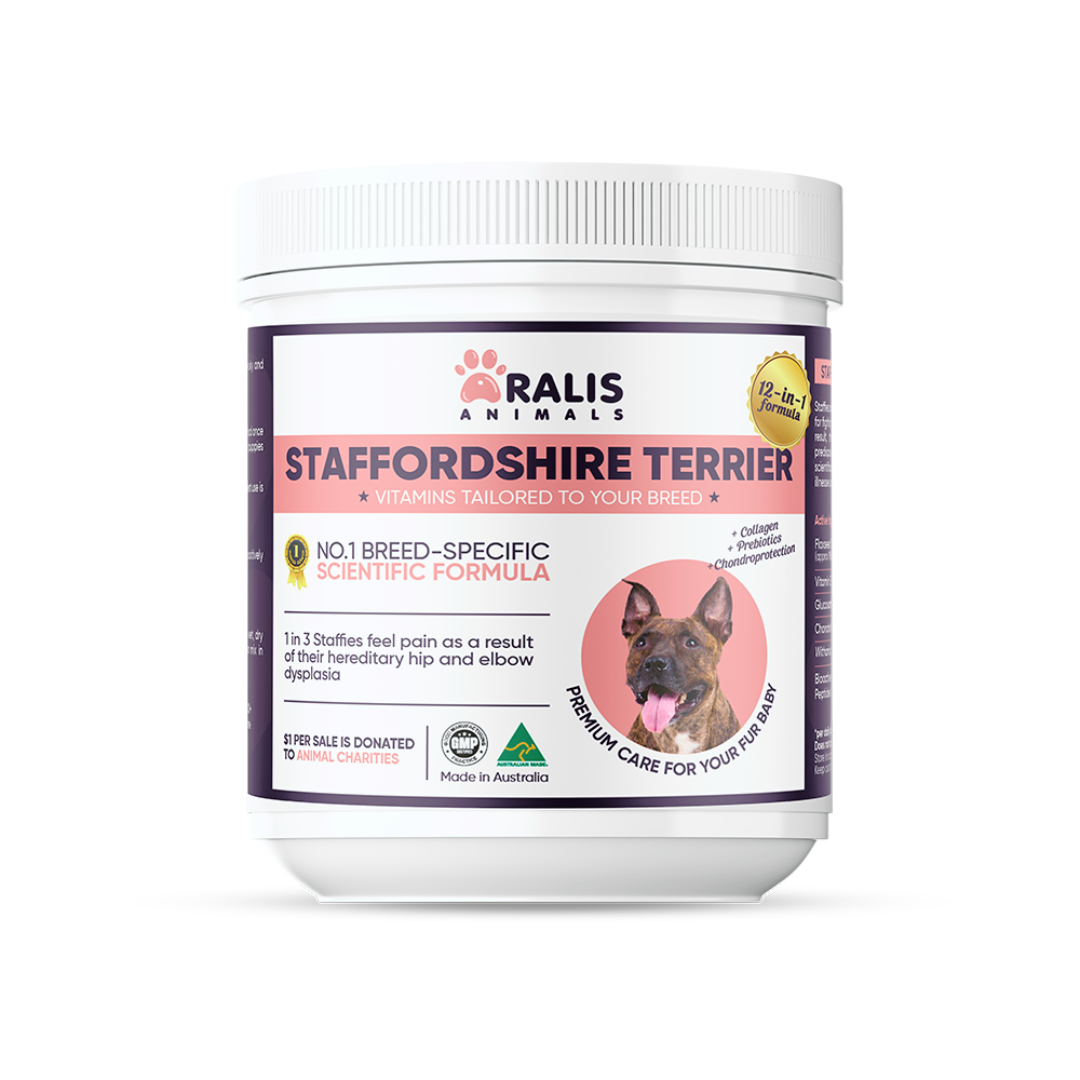
Aralis Animals offers tailored supplement solutions designed specifically for breeds prone to skin issues. These breed-specific supplements can complement veterinary treatment and help prevent future flare-ups by supporting your dog's overall skin and coat health.
Lifestyle Adjustments
Making environmental changes can significantly impact your dog's skin health. Ensure your dog has access to fresh water at all times, as proper hydration supports skin health from within. Maintain appropriate humidity levels in your home, especially during dry seasons. Provide adequate mental stimulation and exercise to reduce stress-related behaviors. Consider using hypoallergenic bedding and cleaning products to minimize exposure to potential irritants.
Prevention Strategies
Grooming Practices
Regular grooming is essential for maintaining healthy skin and early detection of problems. Brush your dog's coat several times a week to remove loose hair and distribute natural oils. Bathe your dog with a gentle, hypoallergenic shampoo appropriate for their skin type. Trim the hair between the paw pads to reduce moisture accumulation and prevent infections. Regular nail trimming can also prevent your dog from causing additional damage through excessive scratching.
Environmental Control
Minimize your dog's exposure to known allergens whenever possible. If your dog has environmental allergies, wipe their paws when they come inside to remove pollen and other irritants. Use air filters in your home to reduce dust and mold spores. Keep your dog's bedding clean and wash it regularly with hypoallergenic detergent. Consider using a humidifier during dry months to maintain optimal humidity levels.
Nutritional Support
A high-quality diet rich in omega-3 and omega-6 fatty acids supports skin health and reduces inflammation. Look for dog foods that list real meat as the primary ingredient and avoid common allergens if your dog has known sensitivities. Supplements specifically formulated for skin health can provide additional nutritional support. Aralis Animals breed-specific supplements are designed to provide the targeted nutrition that American Staffordshire Terriers and Staffordshire Bull Terriers need to maintain healthy skin and coat.
Regular Monitoring
Keep a close eye on your dog's skin and paw condition. Note any changes in licking behavior, appearance of the skin, or other symptoms. Regular veterinary check-ups allow your vet to catch potential problems early before they become serious. Maintaining detailed records of when symptoms occur can help identify patterns and potential triggers.
Conclusion
Paw licking and red, irritated skin are symptoms that deserve attention and investigation. Whether caused by allergies, parasites, infections, or behavioral issues, these problems significantly impact your dog's quality of life and comfort. For breeds like the American Staffordshire Terrier and Staffordshire Bull Terrier, understanding breed-specific vulnerabilities is particularly important for effective prevention and management.
By working with your veterinarian to identify the underlying cause and implementing appropriate treatment strategies, you can help your dog find relief and return to their happy, healthy self. Remember that prevention is always easier than treatment, so taking proactive steps to support your dog's skin health through proper grooming, environmental control, and nutritional support can make a significant difference.
If you're looking for additional support in managing your dog's skin health, consider exploring Aralis Animals breed-specific supplements. Elevate your pet's health with our tailored solutions designed specifically for your beloved companion's unique needs. With the right combination of veterinary care, lifestyle adjustments, and nutritional support, you can help your dog overcome paw licking and skin irritation for good. Click here to learn more.