



Staffy Staffordshire Bull Terrier Care Guide for First-Time Owners

Welcome to the ultimate care guide for Staffordshire Bull Terriers, affectionately known as Staffies. If you're considering bringing one of these remarkable dogs into your home or have recently become a proud Staffy owner, you've come to the right place. This comprehensive guide will walk you through everything you need to know about caring for your beloved companion, from understanding their unique temperament to maintaining their health and well-being.
Breed Overview & Temperament
Understanding the Staffordshire Bull Terrier
The Staffordshire Bull Terrier is a medium-sized dog breed with a rich history dating back to 19th-century England. Originally developed from a cross between bulldogs and terriers, these dogs were bred for strength and tenacity. However, modern Staffies are far removed from their fighting heritage and have evolved into loving, loyal family companions.
The Staffordshire breed is characterized by its muscular build, distinctive head shape, and powerful jaws. Despite their intimidating appearance, Staffies are known for their gentle nature and unwavering loyalty to their families. They're often referred to as the "nanny dog" due to their patience and affection toward children, making them excellent family pets.
Key Personality Traits
One of the most important things to understand about the Staffordshire Bull Terrier dog breed is their temperament. Staffies are incredibly affectionate, intelligent, and eager to please their owners. They thrive on human companionship and are known for their playful, energetic nature. These dogs form strong bonds with their families and are fiercely protective of those they love.
Staffies are also remarkably resilient and adaptable dogs. They can adjust to various living situations and are generally good-natured with people. Their intelligence makes them relatively easy to train, though they do require consistent, positive reinforcement and clear boundaries.
Addressing Misconceptions
Unfortunately, the Staffordshire Bull Terrier has been subject to numerous misconceptions and negative stereotypes. Many people assume that all Staffies are aggressive or dangerous, but this couldn't be further from the truth. The English Staffordshire Bull Terrier is actually known for its friendly disposition and love of people. Any aggression issues typically stem from poor training, lack of socialization, or irresponsible ownership rather than inherent breed characteristics.
Physical Characteristics & Exercise Needs
Size and Appearance
The Staffordshire Bull Terrier is a compact, muscular dog that typically weighs between 24 to 38 pounds and stands about 14 to 16 inches tall at the shoulder. They have a distinctive appearance with a broad head, strong jaw, and athletic build. Their coat is short and smooth, coming in various colors including red, fawn, white, black, and brindle.
Daily Exercise Requirements
Staffies are energetic dogs that require regular physical activity to maintain their health and happiness. A typical Staffy dog needs at least 60 to 90 minutes of exercise per day. This can include walks, playtime, running, and interactive games. Without adequate exercise, Staffies may develop behavioral problems and become destructive.
Activity Recommendations
To keep your Staffy mentally and physically stimulated, consider incorporating a variety of activities into their routine. Daily walks are essential, but you should also engage them in interactive play, fetch games, and training sessions. Many Staffies excel in dog sports such as agility, obedience competitions, and dock diving. These activities not only provide physical exercise but also strengthen the bond between you and your dog.
Nutrition & Health Supplements
Dietary Requirements
Proper nutrition is fundamental to your Staffy's overall health and longevity. Feed your dog high-quality, protein-rich food that supports their muscular build and active lifestyle. Look for dog foods with real meat as the primary ingredient and avoid products with excessive fillers or artificial additives.
The amount of food your Staffy needs depends on their age, size, and activity level. Most adult Staffies require about 1.5 to 2.5 cups of food per day, divided into two meals. Always consult with your veterinarian to determine the appropriate portion size for your individual dog.
Breed-Specific Supplements for Optimal Health
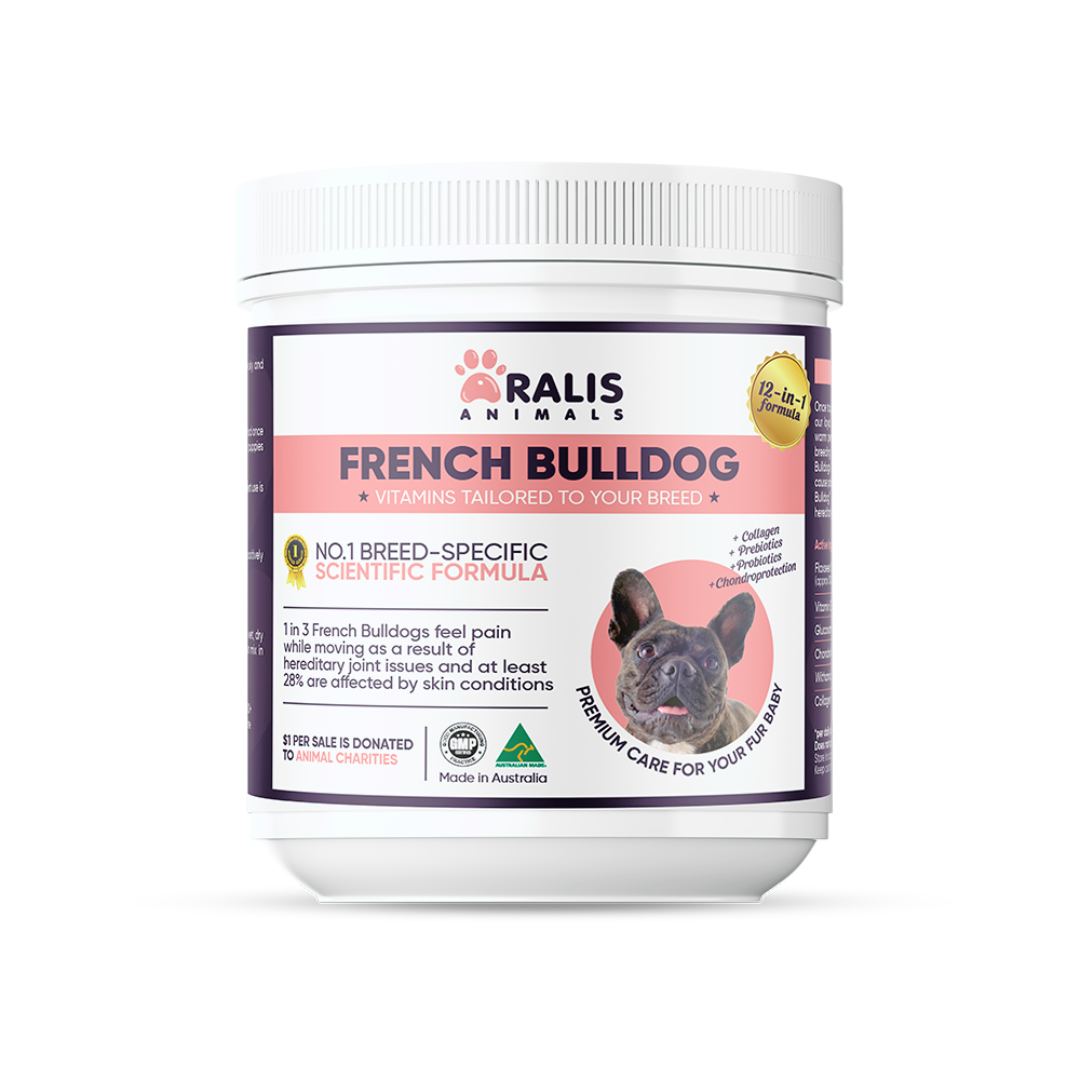
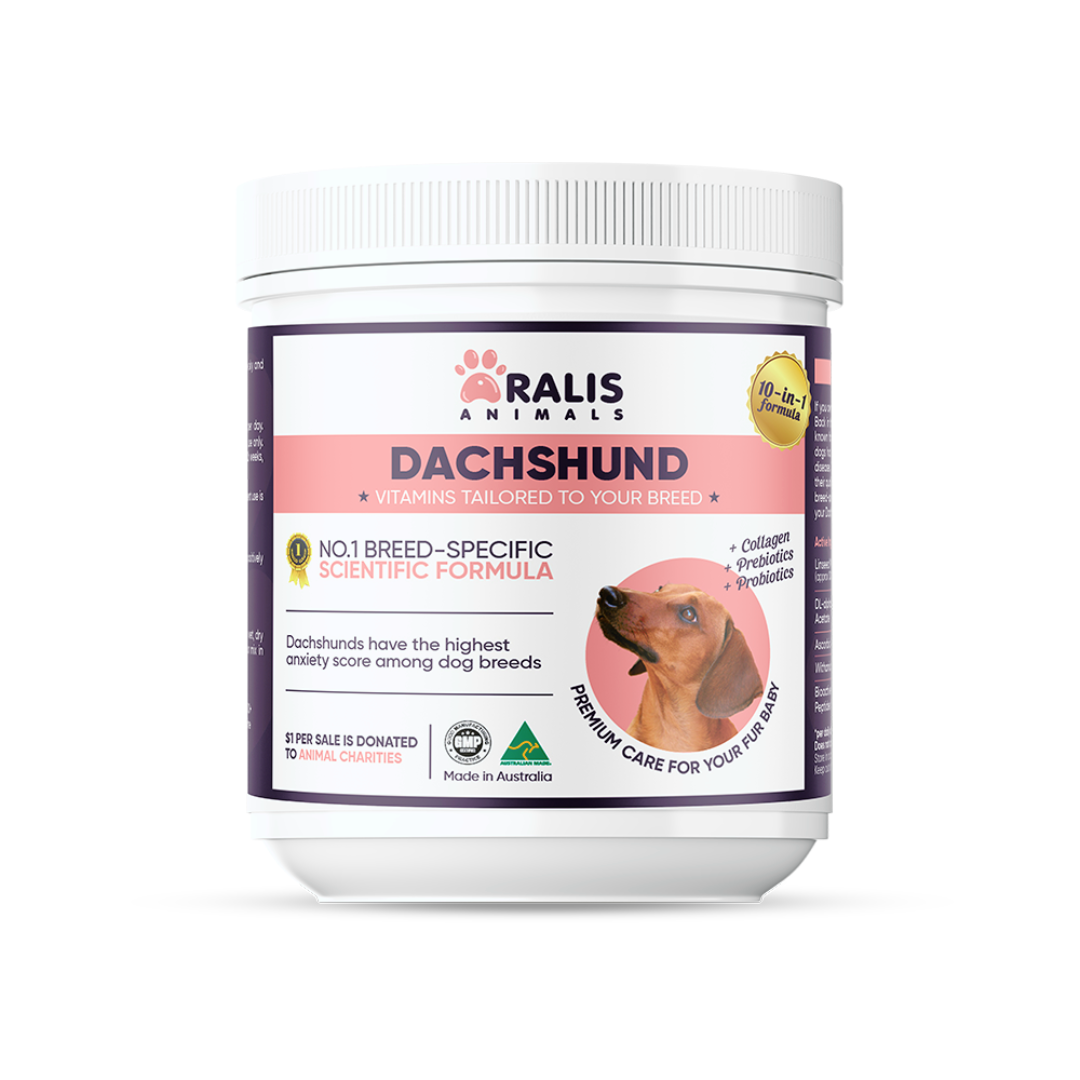
While a balanced diet is the foundation of good health, breed-specific supplements can provide additional support for your Staffordshire Bull Terrier. At Aralis Animals, we understand the unique nutritional needs of Staffies and offer tailored supplement solutions designed specifically for this breed.
Joint supplements containing glucosamine and chondroitin can help maintain healthy joints and prevent arthritis, which is common in muscular breeds. Omega-3 fatty acids support coat health and reduce inflammation, while probiotics promote digestive health. Additionally, supplements containing antioxidants can support immune function and overall vitality. Help your Staffy stay active and comfortable here.
Training & Socialization
Early Socialization Importance
Socialization is crucial for developing a well-rounded, confident Staffy. Expose your puppy to various people, environments, sounds, and experiences during their critical developmental period, ideally between 3 and 14 weeks of age. This early exposure helps prevent fear and anxiety-related behaviors and promotes a friendly, adaptable temperament.
Basic Training Tips
Staffies are intelligent and eager to please, making them relatively easy to train. Use positive reinforcement methods such as treats, praise, and play to reward desired behaviors. Consistency is key—establish clear rules and boundaries, and ensure all family members enforce them consistently.
Start with basic commands like sit, stay, come, and down. Keep training sessions short and engaging, as Staffies have good attention spans but can become bored with repetitive exercises. Always use a calm, confident tone and avoid harsh corrections, as Staffies respond poorly to punishment-based training methods.
Building Good Behavior Habits
Establish good habits from the beginning by setting clear expectations for your Staffy's behavior. Crate training can be invaluable for house training and providing a safe space for your dog. Teach your Staffy appropriate play behavior and discourage jumping, nipping, and other unwanted behaviors through consistent training and redirection.
Healthcare & Common Health Issues
Preventative Care
Regular veterinary check-ups are essential for maintaining your Staffy's health. Schedule annual wellness exams, keep vaccinations current, and discuss preventative care measures with your veterinarian. Maintain a consistent parasite prevention program to protect against fleas, ticks, and internal parasites.
Staffy Health Issues to Watch For
While Staffies are generally healthy dogs, they are prone to certain breed-specific health conditions. Staffordshire Bull Terrier health problems include hip dysplasia, elbow dysplasia, and various skin conditions. Some Staffies may also experience breathing difficulties due to their broad heads and shortened muzzles.
Staffy health issues can also include hereditary cataracts and heart conditions. Being aware of these potential problems allows you to monitor your dog for early signs and seek veterinary care promptly. Responsible breeders conduct health screenings on their breeding dogs to minimize the risk of hereditary conditions.
Regular Vet Check-ups
Schedule regular veterinary visits to monitor your Staffy's health and catch any potential issues early. Discuss your dog's diet, exercise routine, and any behavioral concerns with your veterinarian. They can recommend appropriate supplements and preventative measures tailored to your individual dog's needs.
Grooming & Maintenance
Coat Care
Staffies have short, smooth coats that are relatively low-maintenance. Brush your dog's coat weekly to remove loose hair and distribute natural oils. During shedding seasons, more frequent brushing can help minimize hair around your home.
Nail, Ear, and Dental Care
Trim your Staffy's nails every 4 to 6 weeks or as needed. Check their ears weekly for signs of infection or excessive wax buildup, and clean them gently with a damp cloth. Dental care is often overlooked but is crucial for your dog's overall health. Brush your Staffy's teeth several times per week and schedule professional dental cleanings as recommended by your veterinarian.
Seasonal Considerations
Staffies have short coats and minimal undercoat, making them sensitive to extreme temperatures. During hot weather, provide plenty of shade, fresh water, and avoid strenuous exercise during peak heat hours. In cold weather, consider a dog coat or sweater for outdoor activities.
Living Environment & Family Compatibility
Space Requirements
While Staffies are medium-sized dogs, they don't require an enormous amount of space. They can adapt well to apartment living as long as they receive adequate exercise and mental stimulation. However, a securely fenced yard is ideal for safe outdoor play and exercise.
Compatibility with Families and Children
Staffies are excellent family dogs and are known for their patience and gentleness with children. Their playful nature and sturdy build make them great companions for active families. However, supervision is always necessary when dogs and young children interact, and children should be taught how to interact respectfully with dogs.
Creating a Safe Home
Ensure your home is safe for your Staffy by removing hazards, securing electrical cords, and storing toxic substances out of reach. Provide comfortable bedding, fresh water, and a designated space where your dog can retreat and relax.
Conclusion
Bringing a Staffordshire Bull Terrier into your home is a rewarding experience that comes with significant responsibility. By understanding the unique needs of this remarkable breed and committing to proper care, training, and health management, you'll enjoy many wonderful years with your loyal companion.
Remember that every Staffy is an individual with their own personality and needs. Stay informed, work closely with your veterinarian, and don't hesitate to seek professional help from trainers or behaviorists when needed. With love, patience, and proper care, your Staffy will thrive and become a cherished member of your family.
For breed-specific nutritional support, explore the tailored supplement solutions available at Aralis Animals, designed to elevate your Staffy's health and well-being throughout their life.