

Staffy Paw Licking: Causes, Allergies and Natural Ways to Support Your Dog

If you're a Staffordshire Bull Terrier owner, you've likely noticed your beloved companion licking their paws more often than seems normal. This common behavior, while sometimes innocent, can indicate underlying health issues that deserve your attention. Excessive paw licking in dogs, particularly in Staffies, is a concern that affects countless pet owners who want nothing more than to see their furry friends comfortable and happy. Understanding the causes behind this behavior and learning how to address it naturally can make a significant difference in your dog's quality of life.
Paw licking is a natural behavior for dogs, but when it becomes obsessive, it's a red flag that something needs attention. Whether your staffy is licking paws due to allergies, skin conditions, or behavioral issues, this comprehensive guide will help you understand what's happening and explore natural solutions to support your dog's wellbeing.
Common Causes of Paw Licking in Dogs
When your dog has itchy paw or is constantly licking their feet, multiple factors could be at play. Understanding these causes is the first step toward finding relief for your pet.
Allergies: The Primary Culprit
Dog allergies are one of the most common reasons behind excessive paw licking. Allergies in dogs manifest differently than in humans, and the paws are often one of the first areas affected. There are three main types of allergies that can cause dog itchy paws:
Food Allergies: Just like humans, dogs can develop sensitivities to certain ingredients in their diet. Common culprits include chicken, beef, wheat, and corn. When a dog has a food allergy, the immune system reacts to these proteins, often resulting in inflammation and itching, particularly in the paws.
Environmental Allergies: Pollen, dust mites, mold, and other environmental factors can trigger allergic reactions in dogs. Staffies, in particular, seem to have a predisposition to environmental sensitivities. These allergies are often seasonal but can persist year-round depending on your location.
Contact Allergies: Sometimes the culprit is something your dog comes into direct contact with, such as certain cleaning products, grass, or materials. If your dog licking paws happens primarily after walks or playtime outdoors, contact allergies might be the issue.
Skin Conditions and Infections
Beyond allergies, various skin conditions can cause discomfort and lead to dog obsessive paw licking. Yeast infections are particularly common in dogs with moist paws or those living in humid climates. Bacterial infections can also develop, especially if the paw area becomes damaged from excessive licking. Dry skin, eczema, and other dermatological conditions may also contribute to the problem.
Parasites and Fleas
Even if you're diligent about flea prevention, parasites can still cause issues. Fleas are notorious for causing intense itching, and some dogs are hypersensitive to flea saliva, meaning even a single bite can trigger significant discomfort. Mites and lice can also infest a dog's paws, leading to persistent licking and scratching.
Behavioral and Anxiety-Related Causes
Sometimes dog licking paws treatment needs to address psychological factors rather than physical ones. Anxiety, stress, boredom, or compulsive behaviors can manifest as excessive paw licking. Dogs may develop this habit as a self-soothing mechanism or as a response to environmental stressors.
Pain or Injury
Don't overlook the possibility of physical pain. A thorn, splinter, or injury between the toes, arthritis, or other painful conditions might cause your dog to focus attention on their paws. If the licking is localized to one paw, injury is more likely the cause.
Allergies in Dogs: Understanding the Connection to Paw Issues
Dog allergies deserve special attention because they're so prevalent, especially in Staffordshire Bull Terriers. Staffies have a genetic predisposition to skin allergies, making them more susceptible than many other breeds.
Why Staffies Are Prone to Skin Issues
Staffordshire Bull Terriers have short, dense coats that, while beautiful, can trap allergens and moisture against their skin. Their genetic makeup also makes them more prone to inflammatory responses. This combination means that Staffies are particularly vulnerable to developing dog skin allergies that manifest as paw licking and itching.
Recognizing Allergy Symptoms
Beyond the obvious paw licking, allergies in dogs present other warning signs. Look for redness or discoloration of the paw pads, swelling, a musty odor coming from the paws, hair loss around the affected areas, and sometimes discharge or crusting. Your dog might also show signs of general discomfort, such as restlessness or difficulty sleeping.
Diagnosing Itchy and Irritated Paws
If your dog has itchy paw that's causing concern, a proper diagnosis is essential before starting any treatment plan.
When to See a Veterinarian
Schedule a veterinary appointment if the paw licking persists for more than a few days, if you notice signs of infection, if the behavior is affecting your dog's sleep or quality of life, or if over-the-counter remedies aren't helping. Your vet can rule out serious conditions and provide professional guidance.
Diagnostic Methods
Your veterinarian might perform skin scrapings to check for mites, fungal cultures to identify yeast or bacterial infections, or allergy testing to pinpoint specific allergens. They may also recommend an elimination diet to identify food allergies. These diagnostic tools help create a targeted treatment plan.
Natural Ways to Support Your Dog
Once you understand the cause of your dog's paw licking, you can explore natural solutions to provide relief and support healing.
Dietary Supplements and Breed-Specific Solutions
Nutrition plays a crucial role in supporting your dog's skin health. Omega-3 and omega-6 fatty acids are essential for maintaining healthy skin and reducing inflammation. High-quality fish oil supplements can help reduce itching and support your dog's immune system. Probiotics are another valuable addition, as they support gut health and can reduce allergic reactions.
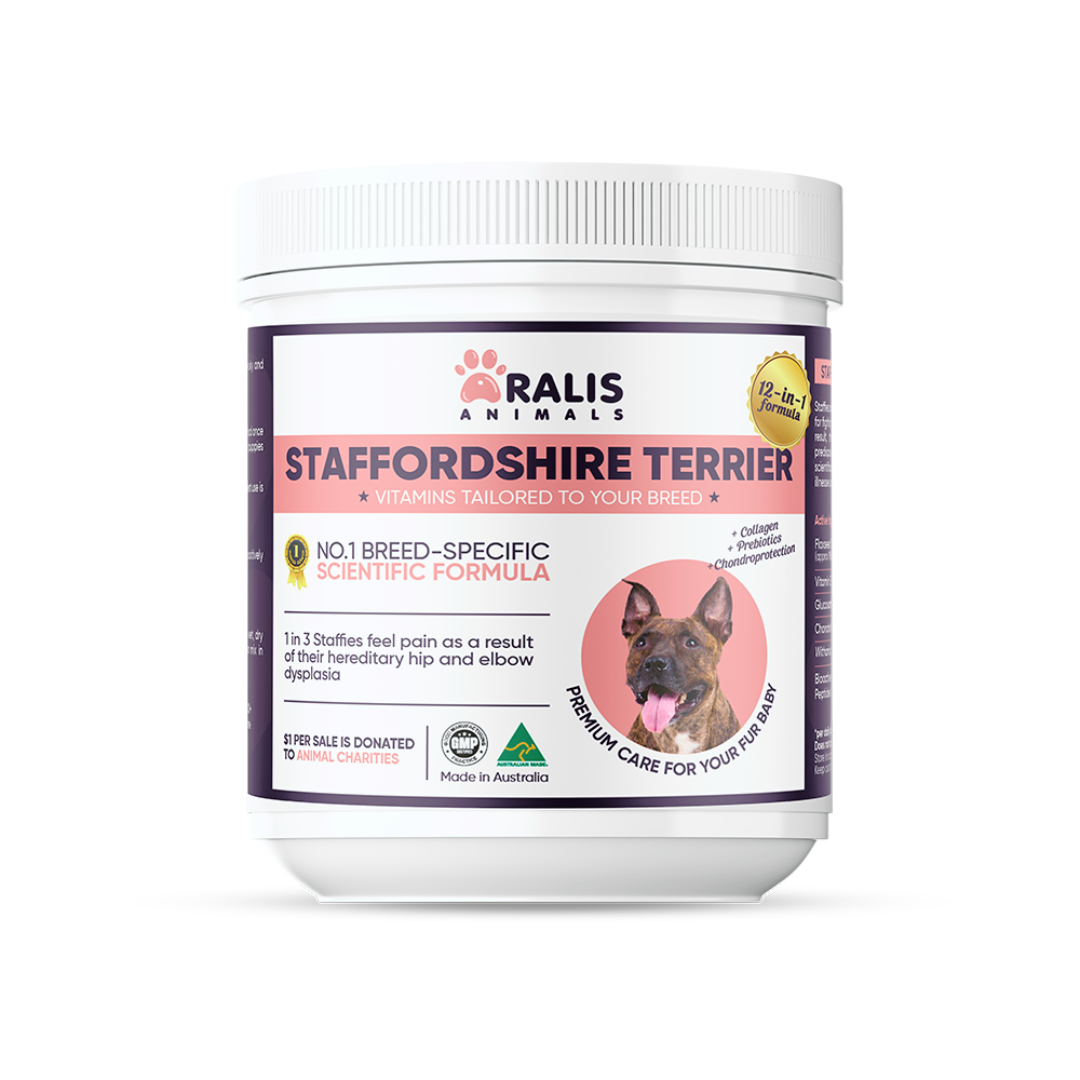
Because allergies are one of the most common causes of excessive paw licking in Staffies, daily nutritional support can be an important part of a long-term wellness plan. Our Aralis Animals Staffordshire Bull Terrier multivitamins combine Saccharomyces boulardii, Flaxseed Meal, Vitamin E, and Zinc Diglycinate to help support gut health, immune function, skin health, and a healthy response to everyday environmental challenges—discover inside-out support for sensitive Staffies here.
Topical Remedies and Soothing Treatments
Natural topical solutions can provide immediate relief. Oatmeal baths are soothing and can reduce inflammation. Apple cider vinegar diluted in water can help balance skin pH and reduce yeast growth. Coconut oil has natural antimicrobial and anti-inflammatory properties. Always ensure any topical treatment is safe for your dog and consult your vet before applying anything to irritated skin.
Environmental Modifications
Reduce exposure to known allergens when possible. If environmental allergies are the issue, wiping your dog's paws after outdoor time can remove pollen and other irritants. Keep your home clean to minimize dust mites and mold. Ensure your dog's bedding is washed regularly in hypoallergenic detergent.
Lifestyle and Grooming Practices
Regular grooming helps you monitor your dog's paw health and remove potential irritants. Keep the hair between the toes trimmed to improve air circulation and reduce moisture buildup. Bathe your dog with a gentle, hypoallergenic shampoo. Provide adequate exercise and mental stimulation to reduce stress-related licking.
Prevention and Long-term Management
Preventing paw issues is always better than treating them after they develop.
Maintaining Healthy Paw Hygiene
Establish a regular paw care routine. Check your dog's paws daily for signs of irritation, swelling, or discharge. Keep paws clean and dry, especially after outdoor activities. Trim nails regularly to prevent discomfort that might lead to licking.
Regular Monitoring and Early Intervention
Catch problems early by monitoring your dog's behavior and paw condition. If you notice increased licking, address it immediately rather than waiting for it to worsen. Early intervention often means simpler, more effective treatment.
Supporting Immune and Skin Health
A strong immune system is your dog's best defense against allergies and infections. Ensure your Staffy receives a balanced, high-quality diet rich in nutrients. Consider year-round supplementation with breed-specific formulas designed to support skin health and immune function. Regular exercise and stress reduction also support overall health.
Conclusion
Excessive paw licking in your Staffordshire Bull Terrier is a sign that something needs attention, whether it's allergies, skin conditions, or behavioral issues. By understanding the causes and exploring natural solutions, you can help your beloved companion find relief and return to their happy, comfortable self.
The journey to healthier paws often involves a combination of approaches: identifying the underlying cause, making dietary and environmental adjustments, and providing targeted nutritional support. For Staffies specifically, breed-specific supplements from Aralis Animals can play a crucial role in supporting skin health, reducing inflammation, and addressing the unique predispositions of this wonderful breed.
Don't let your dog suffer from persistent paw licking. Take action today by consulting with your veterinarian and exploring natural solutions tailored to your dog's specific needs. With the right approach and proper support, your Staffy can enjoy healthy, comfortable paws and a better quality of life.