

Frenchie Paw Licking and Red Skin: Gentle Daily Support for Your French Bulldog

As a devoted French Bulldog owner, you've likely encountered the common issue of paw licking and red skin. These frustrating symptoms can be a source of discomfort for your beloved companion, and it's essential to understand the underlying causes and explore gentle, effective solutions.
Common Triggers for Paw Licking and Red Skin
French Bulldogs are prone to a variety of skin conditions, and paw licking is often a telltale sign that something is amiss. Let's explore some of the most common triggers:
Allergies
Environmental allergies, such as pollen, dust, or certain materials, can cause your Frenchie's skin to become irritated, leading to excessive paw licking and redness.
Environmental Factors
Changes in temperature, humidity, or exposure to harsh chemicals can also contribute to skin irritation and paw licking behavior.
Food Sensitivities
Certain ingredients in your Frenchie's diet may trigger an immune response, leading to skin inflammation and discomfort.
Skin Infections
Bacterial or fungal infections can cause your dog's paws to become red, itchy, and prone to licking.
Identifying the Root Causes
Recognizing the signs of irritation is the first step in addressing the issue. Look for redness, swelling, or excessive licking, especially around the paws and between the toes. If the symptoms persist or worsen, it's essential to consult your veterinarian for a comprehensive assessment.
Your vet may recommend various diagnostic tests, such as skin biopsies or allergy testing, to pinpoint the underlying cause and develop a tailored treatment plan.
Gentle Daily Support Options
Fortunately, there are several gentle, effective ways to support your Frenchie's skin health and reduce paw licking behavior. Let's explore some of the options:
Dietary Considerations
Incorporating a high-quality, limited-ingredient diet or hypoallergenic food can help eliminate potential food triggers. You may also consider adding omega-3 and omega-6 fatty acids to your Frenchie's diet to support skin health.
Topical Treatments
Gentle, soothing topical creams or sprays can provide relief for irritated skin. Look for products containing natural ingredients like aloe vera, chamomile, or oatmeal.
Probiotics and Supplements
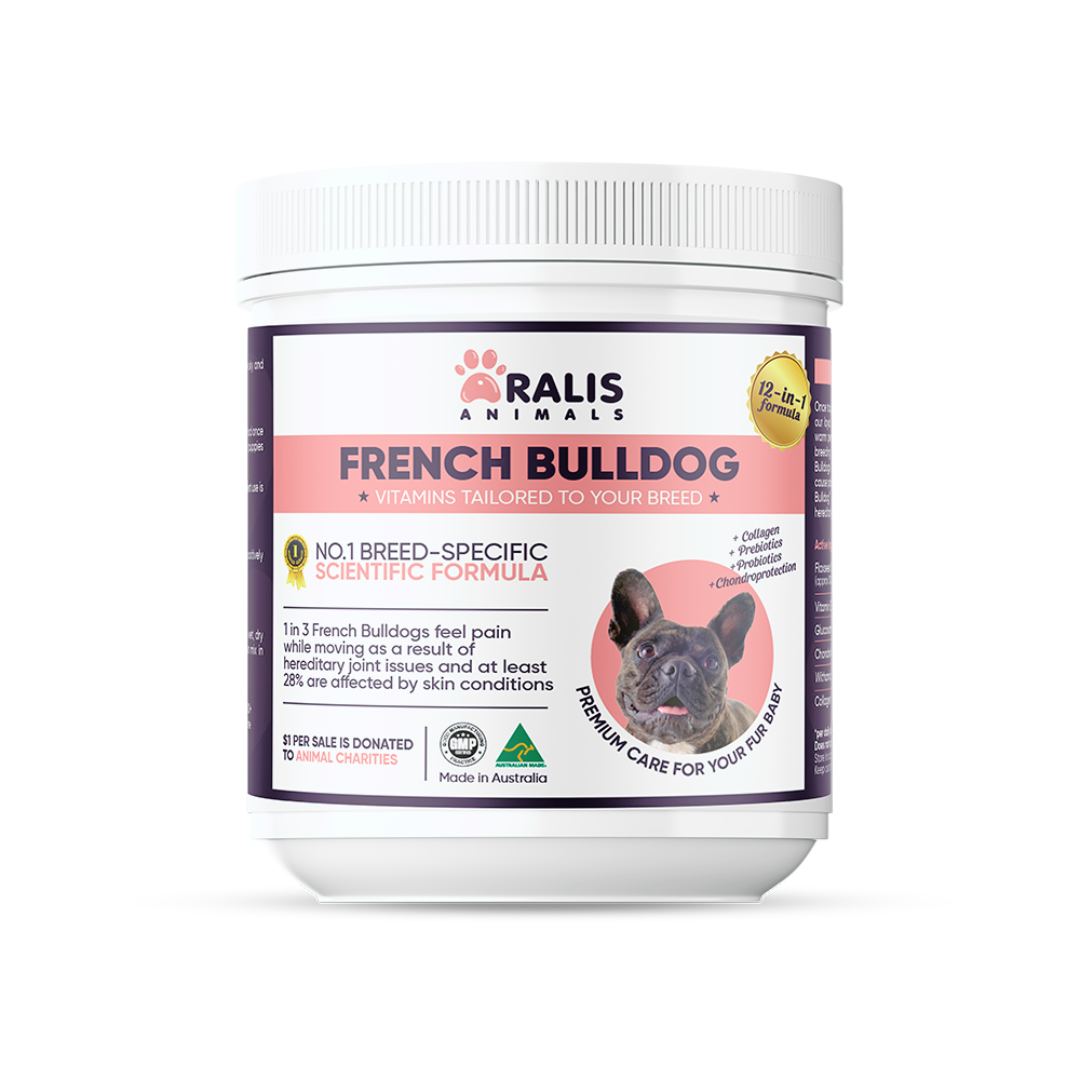
Probiotic supplements can help maintain a healthy gut microbiome, which can positively impact your Frenchie's skin. Additionally, supplements like quercetin or vitamin E may help reduce inflammation. If you prefer something simple, an all-in-one daily multivitamin that blends probiotics, omegas, and calming nutrients can make things much easier. Gentle formulas like those from Aralis Animals are designed to support gut balance, skin comfort, and overall wellness together you can explore the blend here if you’d like.
Environmental Management
Ensuring your Frenchie's living space is clean, free of harsh chemicals, and well-ventilated can help minimize environmental triggers.
Preventive Strategies
Proactive steps can go a long way in maintaining your Frenchie's skin health and preventing paw licking issues. Regular grooming, including paw cleaning and nail trimming, can help remove irritants and keep the skin healthy. Optimizing your Frenchie's nutrition and incorporating stress-reducing techniques, such as calming activities or pheromone diffusers, can also be beneficial.
When to Consult a Veterinarian
While many paw licking and skin issues can be managed at home, it's essential to consult your veterinarian if the symptoms persist or worsen. Persistent or severe skin reactions may require a comprehensive health assessment and a more targeted treatment plan.
Conclusion
Paw licking and red skin can be a frustrating challenge for French Bulldog owners, but with a holistic, gentle approach, you can help your beloved companion find relief and maintain optimal skin health. By understanding the common triggers, implementing supportive measures, and working closely with your veterinarian, you can ensure your Frenchie's comfort and well-being.