

Seasonal Allergies in Dogs: Symptoms Every Pet Parent Should Know

As the seasons change, many pet parents notice their beloved dogs scratching more frequently, shaking their heads, or developing red, irritated skin. These signs often indicate seasonal allergies in dogs, a common condition that affects millions of pets worldwide. Understanding the symptoms of dog allergies is crucial for early detection and effective management. At Aralis Animals, we believe that recognizing these warning signs is the first step toward elevating your pet's health and comfort during allergy season.
Seasonal allergies can significantly impact your dog's quality of life, causing discomfort and potentially leading to secondary infections if left untreated. By learning to identify the early symptoms of dog allergy symptoms, you can take proactive steps to help your furry companion feel better. This comprehensive guide will walk you through everything pet parents need to know about seasonal allergies in dogs, from recognizing the initial signs to implementing effective management strategies.
Understanding Seasonal Allergies in Dogs
Seasonal allergies in dogs occur when your pet's immune system overreacts to environmental allergens that are present during specific times of the year. Unlike year-round allergies that persist throughout the seasons, seasonal allergies typically emerge during spring, summer, or fall when certain allergens become more prevalent in the environment.
The primary culprits behind dogs and allergies during seasonal changes include pollen from trees, grasses, and weeds, as well as mold spores that thrive in warm, humid conditions. When your dog inhales or comes into contact with these allergens, their immune system may perceive them as threats and trigger an allergic response. This reaction leads to inflammation and irritation that manifests in various ways throughout your dog's body.
It's important to understand that seasonal allergies differ significantly from year-round allergies. While seasonal allergies appear and disappear with environmental changes, year-round allergies persist regardless of the season. Year-round allergies are often caused by indoor allergens such as dust mites, pet dander, or household chemicals. Seasonal allergies, on the other hand, follow a predictable pattern that correlates with environmental conditions in your region.
Common dog allergies during seasonal changes include grass allergies in dogs, which are particularly prevalent during spring and summer months when lawns are actively growing. Pollen allergies also rank among the most common dog allergies, affecting dogs who spend time outdoors during high pollen count days. Additionally, mold spores can trigger allergic reactions in dogs, especially during humid months when mold growth accelerates.
Common Dog Allergy Symptoms
Recognizing common dog allergies symptoms is essential for pet parents who want to provide timely care. The most noticeable sign of seasonal allergies is dog itching and scratching, which can range from mild to severe. Dogs with allergies often scratch excessively at their skin, paws, ears, and face, sometimes to the point of causing secondary skin damage.
Dog itchy skin is another hallmark symptom of seasonal allergies. You may notice that your dog's skin appears red, inflamed, or irritated, particularly in areas where they scratch frequently. This dog itchy skin can lead to the development of skin allergies if the underlying allergen exposure isn't addressed. The constant irritation can compromise the skin barrier, making your dog more susceptible to bacterial or yeast infections.
Beyond skin-related symptoms, dogs with seasonal allergies often experience respiratory signs. You might notice your dog sneezing more frequently, coughing, or experiencing nasal congestion during allergy season. Some dogs develop watery eyes or excessive tearing, which can be uncomfortable and concerning for pet parents.
Ear infections and inflammation represent another common manifestation of seasonal allergies in dogs. The warm, moist environment of a dog's ear canal becomes an ideal breeding ground for bacteria and yeast when allergies cause inflammation. If your dog is shaking their head frequently, scratching at their ears, or you notice a foul odor coming from their ears, these could be signs of allergy-related ear problems.
Identifying Dog Itching: With and Without Fleas
One of the most challenging aspects of diagnosing seasonal allergies is distinguishing between dog itching caused by allergies and dog itching caused by fleas. Many pet parents assume their dog itching but no fleas must be due to allergies, but it's important to rule out parasites first.
To determine whether your dog has fleas, conduct a thorough physical examination. Look for small, dark specks in your dog's fur, particularly around the tail base and hindquarters. These specks are flea dirt, which is actually flea feces. You can also use a fine-toothed comb to brush through your dog's coat and look for actual fleas or flea dirt on the comb.
If you've confirmed that your dog itching but no fleas is present, seasonal allergies become a more likely culprit. Dogs with allergies often show specific patterns of itching that differ from flea-related scratching. Allergy-related itching tends to be more generalized and may worsen during certain times of day or after outdoor exposure.
Visual indicators of allergic reactions include red or pink skin, particularly in areas between the toes, on the belly, or around the face and ears. You might also notice hair loss in patches where your dog has been scratching excessively. Some dogs develop a distinctive odor when they have allergies, caused by secondary yeast or bacterial infections on the skin.
Behavioral changes often accompany allergic reactions. Your dog may become restless, have difficulty sleeping due to itching, or show signs of discomfort such as licking their paws constantly or rubbing their face on furniture or the ground.
Specific Seasonal Allergies
Grass allergies in dogs are among the most common seasonal allergies, particularly in spring and early summer when grass pollen counts are highest. Dogs with grass allergies often show symptoms after spending time in yards or parks where grass is actively growing. The pollen can stick to your dog's fur and skin, causing irritation and triggering allergic responses.
Pollen-related symptoms can affect dogs in various ways depending on the type of pollen present in your region. Tree pollen allergies typically peak in spring, while weed pollen allergies often become problematic in late summer and fall. Understanding which pollens are prevalent in your area can help you anticipate when your dog might experience increased symptoms.
Regional seasonal variations play a significant role in when and how severely your dog experiences seasonal allergies. Dogs living in areas with longer growing seasons may experience extended allergy seasons, while those in regions with distinct seasonal changes might have more predictable allergy patterns. If you've recently moved to a new region, your dog may develop new allergies or experience different seasonal patterns than they did previously.
When to Seek Veterinary Help
Recognizing when to consult a veterinarian is crucial for managing your dog's seasonal allergies effectively. Red flags for allergic reactions include severe itching that interferes with your dog's sleep or daily activities, signs of secondary skin infections such as pustules or crusting, or symptoms that don't improve with basic home care measures.
If your dog develops an acute allergic reaction characterized by facial swelling, difficulty breathing, or vomiting, seek emergency veterinary care immediately. These symptoms indicate a more serious allergic response that requires professional medical attention.
Professional diagnosis is essential because many conditions can mimic seasonal allergies. Your veterinarian can perform skin scrapings, fungal cultures, or allergy testing to accurately identify the cause of your dog's symptoms. This diagnostic approach ensures that your dog receives appropriate treatment rather than managing the wrong condition.
Managing Seasonal Allergies
Preventative measures form the foundation of seasonal allergy management. During high pollen season, limit your dog's outdoor time during early morning and late evening hours when pollen counts are typically highest. Rinse your dog's paws and face after outdoor activities to remove pollen and allergens from their coat.
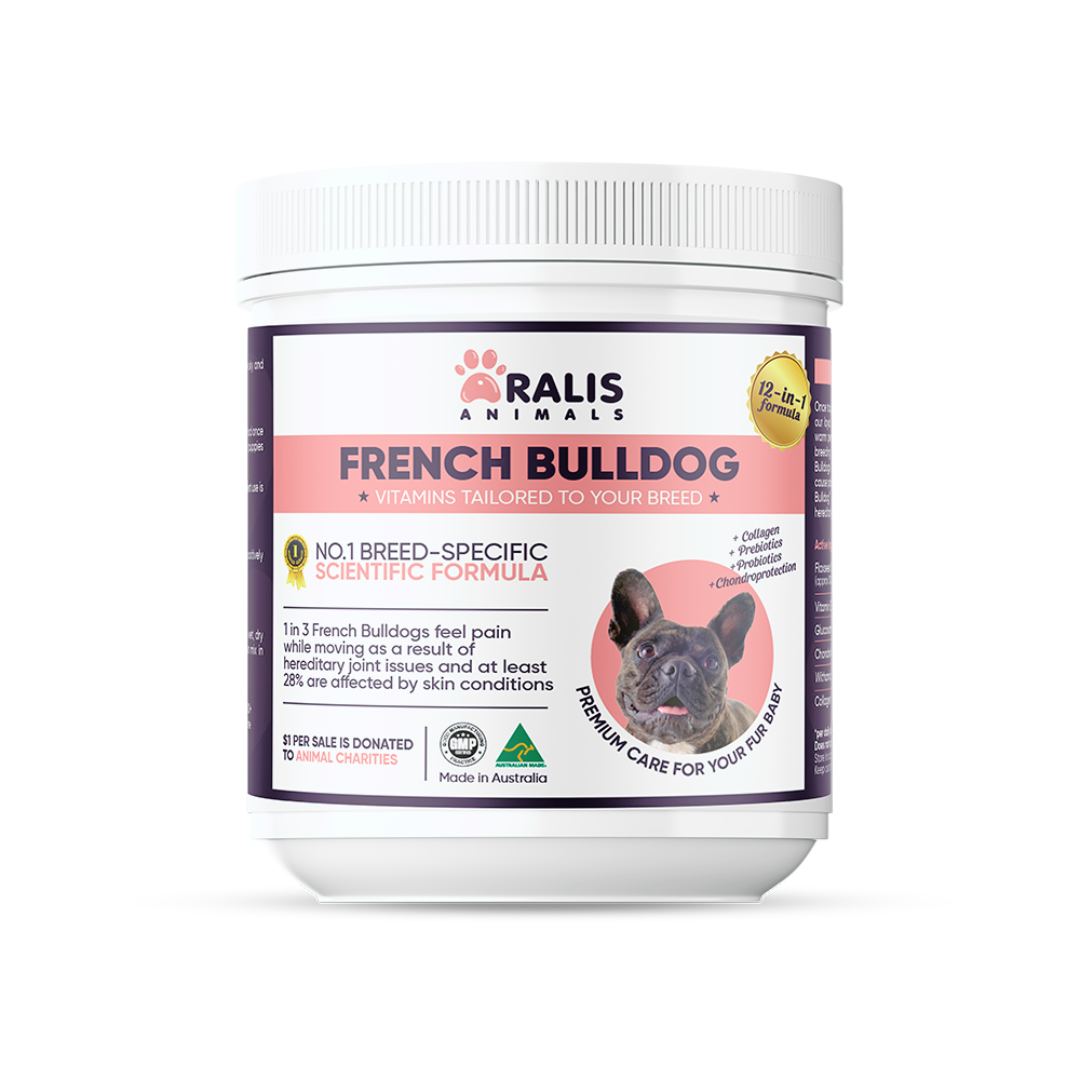
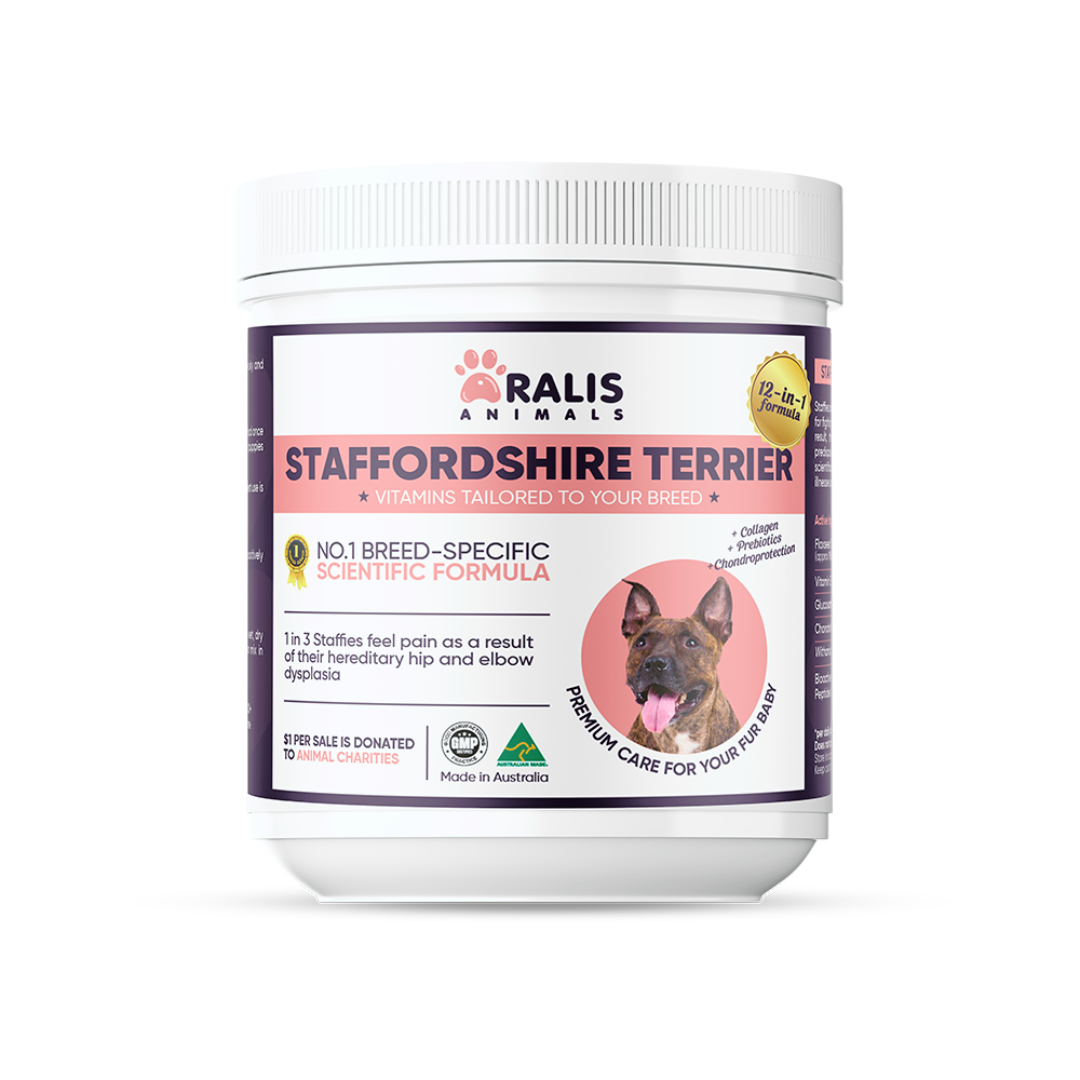
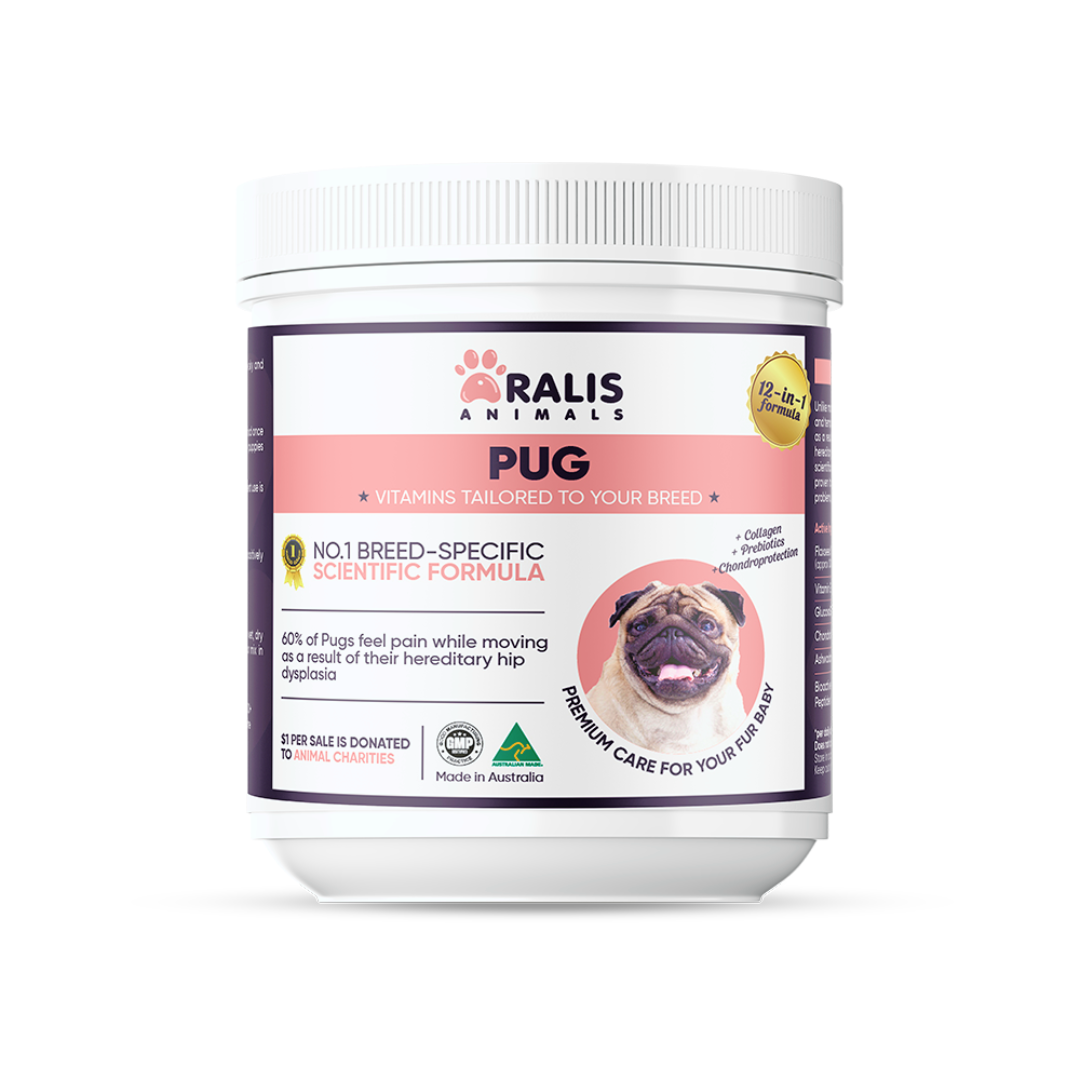
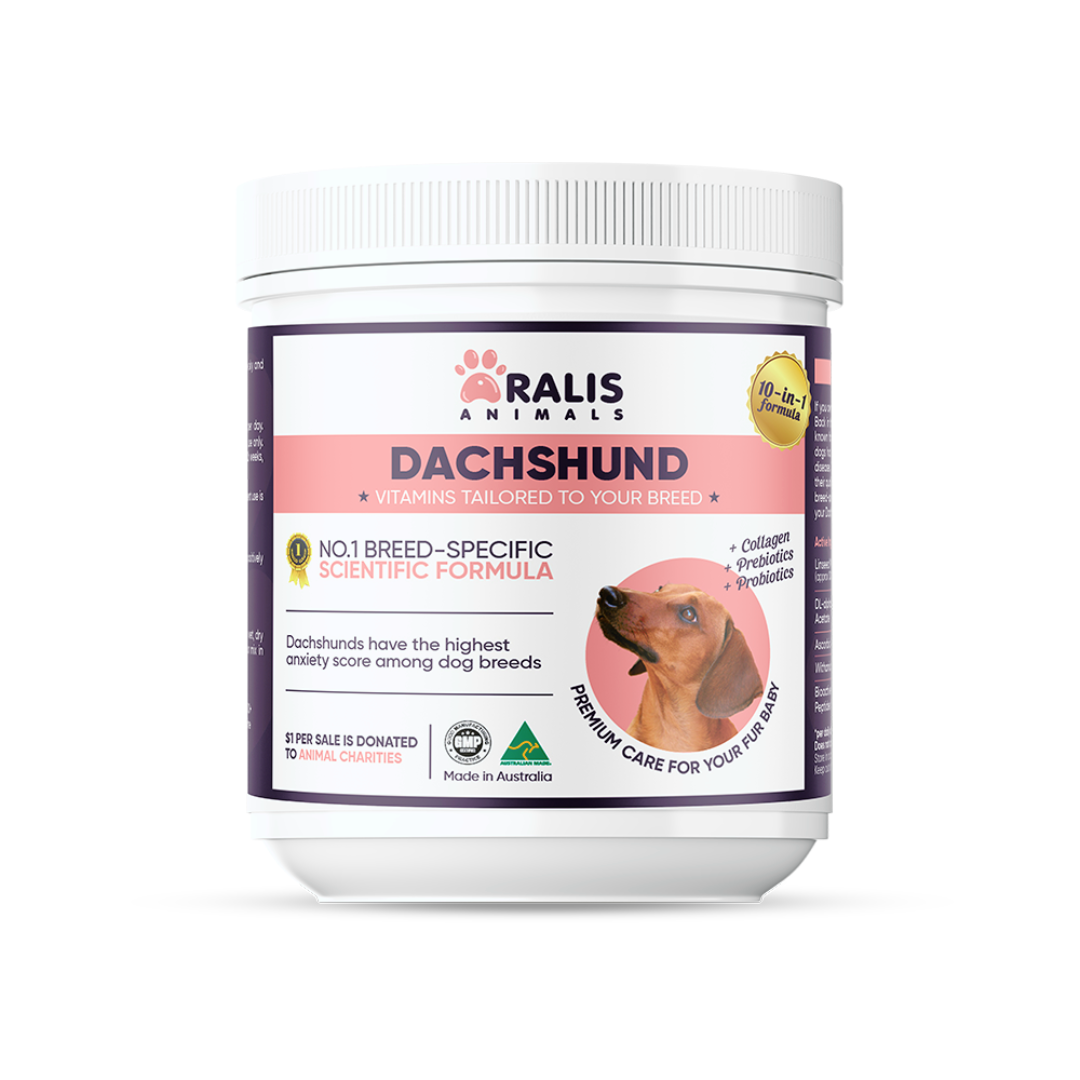
Breed-specific supplement solutions can play a vital role in supporting your dog's immune system and skin health during allergy season. Aralis Animals offers tailored supplement solutions designed to address the specific needs of different breeds, helping to reduce inflammation and support skin barrier function. These supplements can work alongside veterinary treatment to provide comprehensive allergy management.
Regular grooming helps remove allergens from your dog's coat and allows you to monitor skin condition closely. Bathing your dog with a gentle, hypoallergenic shampoo during allergy season can help soothe irritated skin and remove environmental allergens.
Environmental control measures include keeping windows closed during high pollen days, using air purifiers in your home, and washing your dog's bedding frequently to remove accumulated allergens. Our Aralis Animals multivitamins are formulated with probiotics, omega fatty acids, and skin-supporting nutrients to help support immune balance, strengthen the skin barrier, and keep itchy skin and paws more comfortable through the seasons—discover gentle seasonal support here.
Conclusion
Seasonal allergies in dogs are a common challenge that affects many pet parents, but understanding the symptoms and taking proactive steps can significantly improve your dog's comfort and quality of life. By recognizing dog itching and scratching, dog itchy skin, and other allergy symptoms early, you can seek appropriate veterinary care and implement effective management strategies.
Remember that every dog is unique, and what works for one pet may not work for another. Work closely with your veterinarian to develop a comprehensive allergy management plan tailored to your dog's specific needs. With proper care, breed-specific supplements, and environmental management, you can help your beloved companion enjoy every season comfortably and happily.