

Seasonal Allergies in Dogs: How to Reduce Scratching, Licking and Irritated Skin

As the seasons change, many of our canine companions face the discomfort of seasonal allergies. Just like their human counterparts, dogs can experience a range of unpleasant symptoms, from incessant scratching and licking to irritated, inflamed skin. As pet owners, it's crucial to understand the root causes of these allergies and implement effective management strategies to provide our furry friends with the relief they deserve.
Understanding Seasonal Allergies in Dogs
Seasonal allergies, also known as atopic dermatitis, are a common condition in dogs. These allergies are triggered by environmental factors, such as pollen, dust, and other airborne allergens. Certain dog breeds are more susceptible to these allergies, with breeds like Labrador Retrievers, Golden Retrievers, and Bulldogs being particularly prone to seasonal flare-ups.
When a dog's immune system overreacts to these environmental triggers, it can lead to a cascade of inflammatory responses. This, in turn, causes the dog to experience discomfort, itching, and skin irritation. The severity of the symptoms can vary depending on the individual dog, the intensity of the allergen exposure, and the effectiveness of the management strategies employed.
Identifying Seasonal Allergy Symptoms
Recognizing the signs of seasonal allergies in your dog is the first step towards providing relief. Common symptoms include:
- Excessive scratching, licking, or chewing of the skin, especially the paws, belly, and ears
- Redness, inflammation, and irritation of the skin
- Frequent ear infections or ear scratching
- Sneezing, sniffling, or other respiratory issues
- Gastrointestinal problems, such as vomiting or diarrhea
These symptoms can range from mild to severe, and it's important to consult with your veterinarian to determine the underlying cause and develop an appropriate treatment plan.
Addressing the Root Causes
Identifying the specific environmental triggers that are causing your dog's allergies is crucial for effective management. Common culprits include pollen from trees, grasses, and weeds, as well as dust mites, mold, and even certain foods.
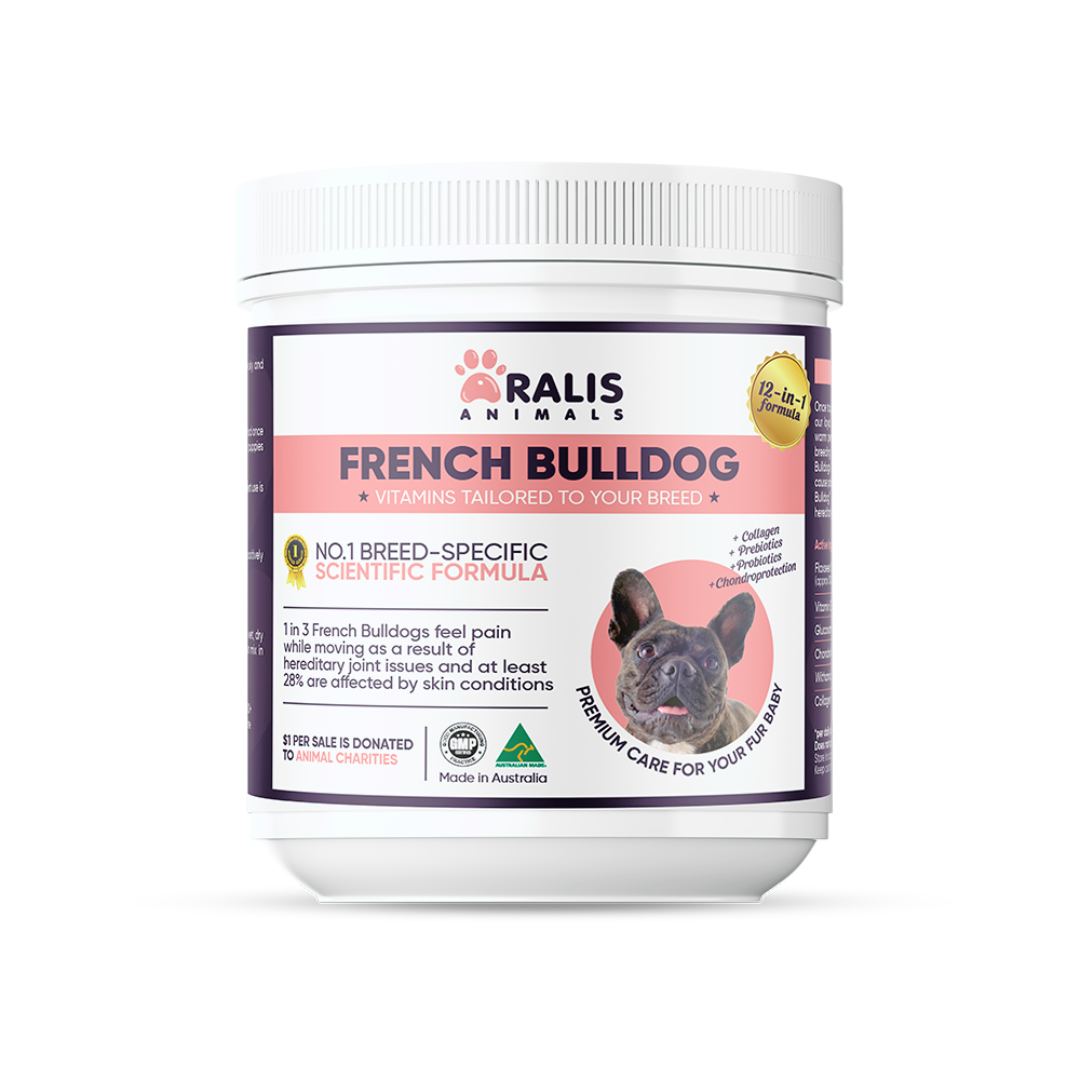
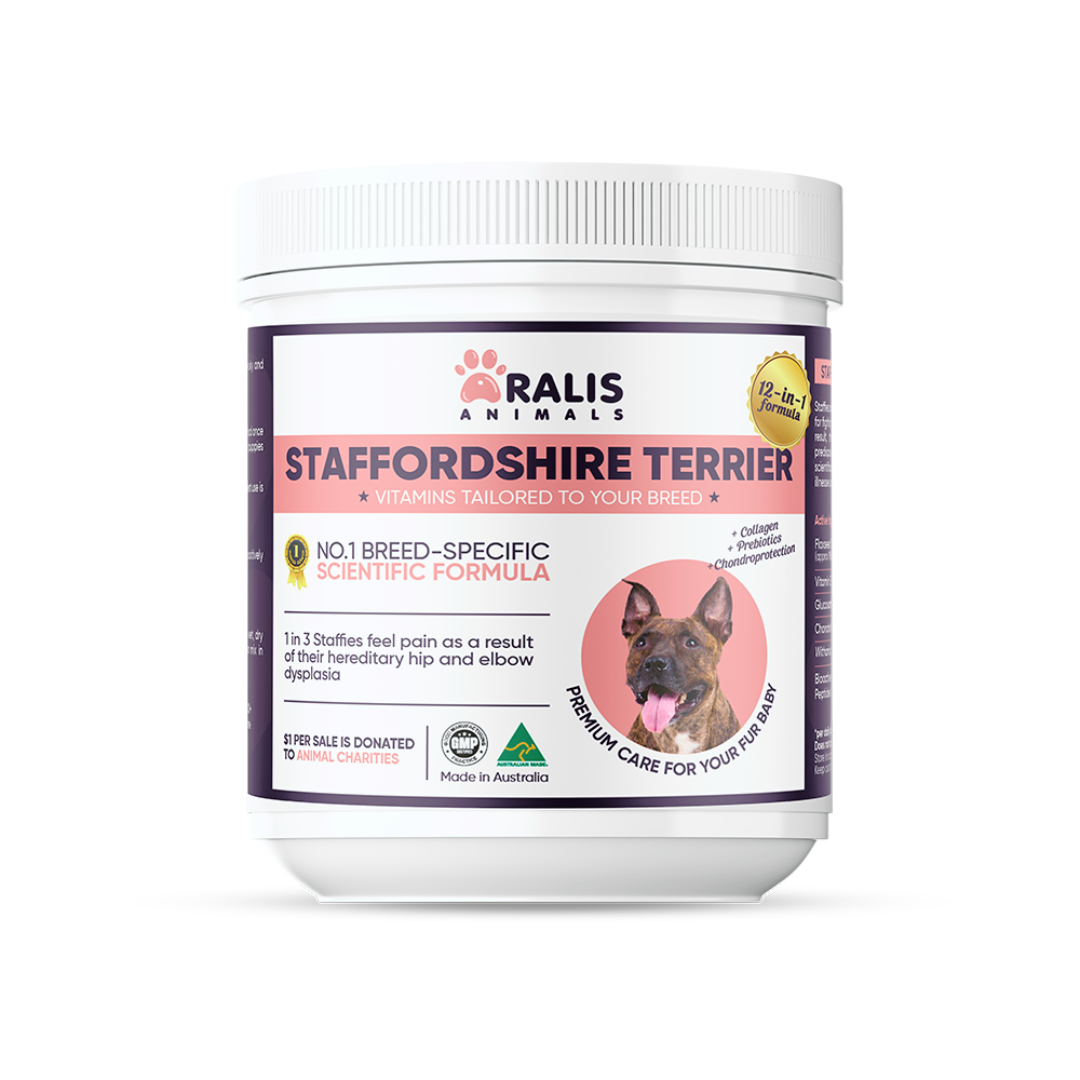
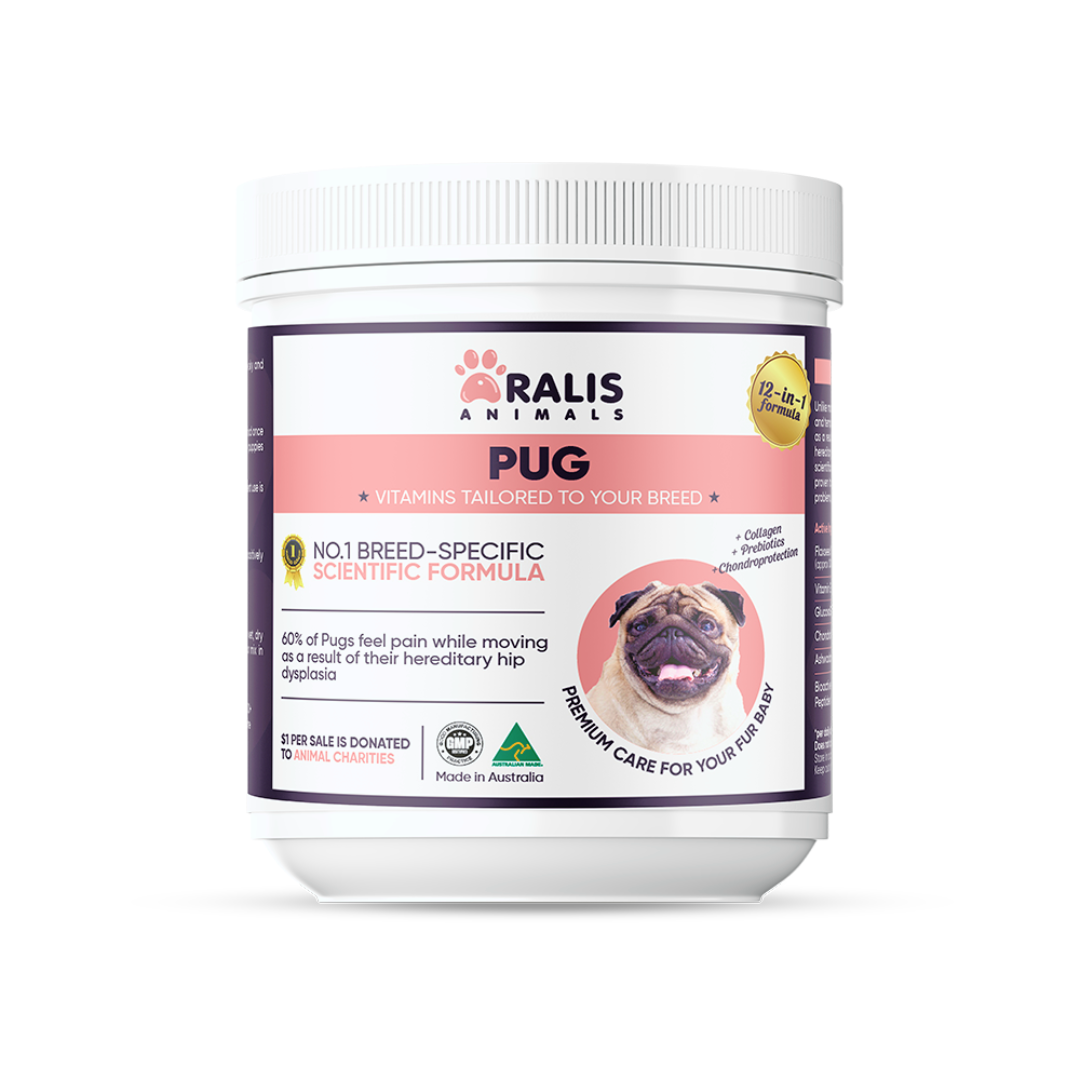
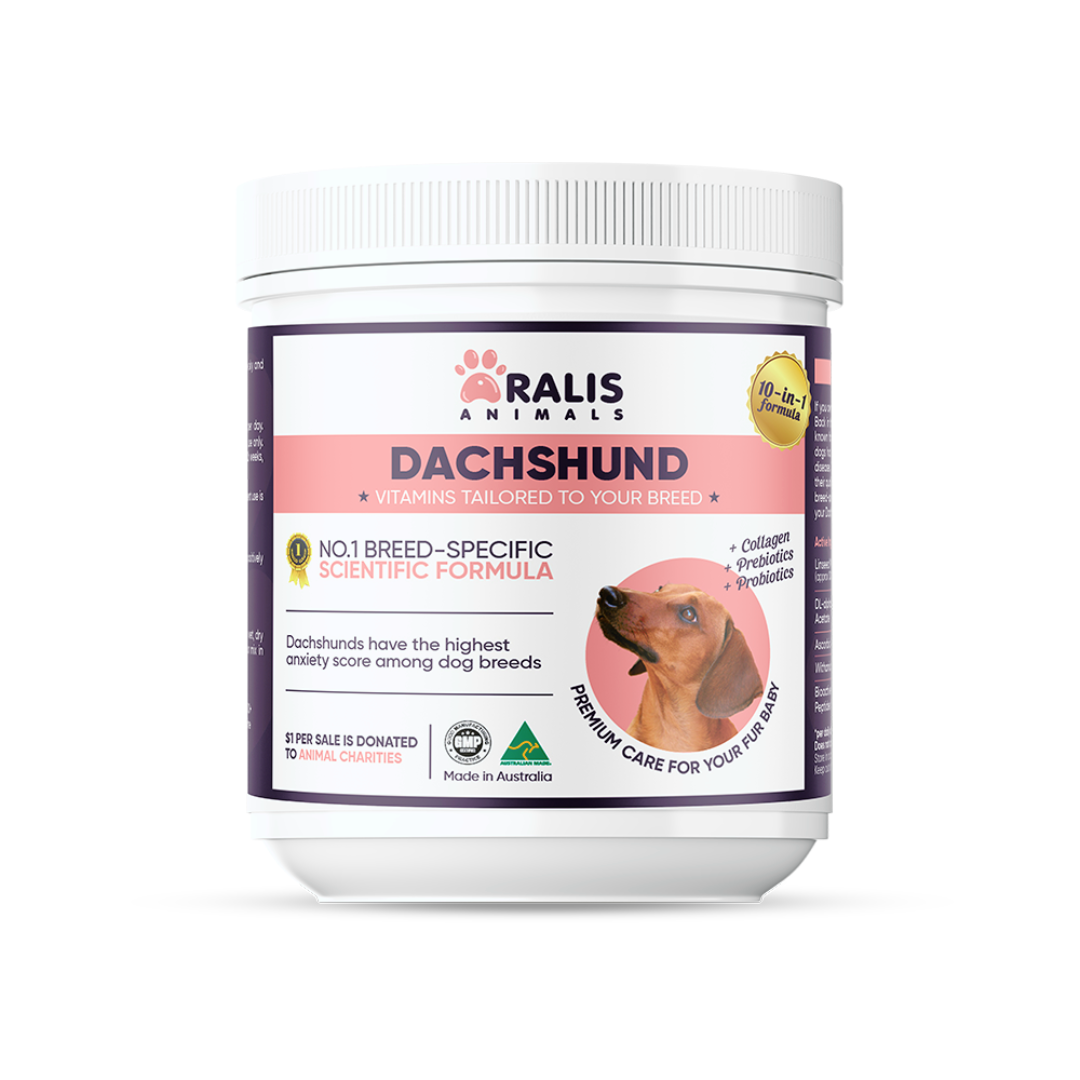
By working closely with your veterinarian, you can pinpoint the allergens affecting your dog and develop a tailored approach to address them. This may involve dietary modifications, the use of topical treatments, or the introduction of breed-specific supplements designed to support your dog's immune system and reduce the severity of allergic reactions.
Effective Management Strategies
Effectively managing seasonal allergies in dogs requires a multifaceted approach. Here are some key strategies to consider:
Veterinary Consultation
Seeking the guidance of a veterinary professional is essential. They can perform allergy testing, prescribe appropriate medications, and recommend personalized treatment plans to address your dog's specific needs.
Dietary Modifications
Adjusting your dog's diet to include hypoallergenic, limited-ingredient foods or incorporating supplements rich in omega-3 and omega-6 fatty acids can help reduce inflammation and support skin health.
Topical Treatments
Soothing, anti-inflammatory topical treatments, such as medicated shampoos, conditioners, and sprays, can provide relief for itchy, irritated skin.
Breed-Specific Supplements
Some dog breeds are more susceptible to seasonal allergies, and specialized supplements tailored to their needs can help mitigate the severity of symptoms.
Environmental Control
Maintaining a clean, allergen-free environment by regularly grooming your dog, vacuuming frequently, and using air purifiers can minimize exposure to triggers.
Preventing and Managing Long-Term Allergies
Proactive allergy management is key to ensuring your dog's long-term comfort and well-being. Incorporating the following strategies can help prevent and manage seasonal allergies:
Regular Grooming
Frequent bathing and brushing can help remove pollen, dust, and other allergens from your dog's coat, reducing the risk of skin irritation.
Immune System Support
Providing your dog with a balanced diet and supplements that support a healthy immune system can help strengthen their ability to manage allergic responses. An easy way to support this daily is with a well-balanced multivitamin that focuses on gut health and immune balance. If you’re looking for something simple and gentle, you’re welcome to click here to learn more about our Aralis Animals Multivitamins.
Veterinary Monitoring
Maintaining regular check-ups with your veterinarian can help identify any changes in your dog's allergy symptoms and adjust the treatment plan accordingly.
By understanding the causes, symptoms, and effective management strategies for seasonal allergies in dogs, you can help your furry friend find relief and enjoy a higher quality of life. Remember, with the right approach and the support of your veterinary team, you can help your dog navigate the challenges of seasonal allergies and keep them happy, healthy, and itch-free.