

Seasonal Allergies in Dachshunds: Signs Your Dog May Be Reacting to Grass or Pollen

Seasonal allergies in dachshunds are more common than many pet owners realize. As the seasons change and grass begins to grow, pollen fills the air, and temperatures fluctuate, your beloved dachshund may start showing signs of discomfort. These small, adorable dogs with their distinctive long bodies and short legs are particularly susceptible to seasonal allergies, and recognizing the early signs can help you provide relief and prevent more serious complications. Understanding what triggers these allergies and how to manage them is essential for keeping your dachshund healthy and happy throughout the year.
Understanding Seasonal Allergies in Dachshunds
Seasonal allergies in dogs occur when their immune systems overreact to environmental allergens such as grass, pollen, mold spores, and dust mites. Unlike humans who typically experience sneezing and congestion during allergy season, dogs often manifest allergies through skin irritation and itching. Dachshunds, in particular, seem to be genetically predisposed to developing allergies, making them more vulnerable than many other breeds.
The reason dachshunds are prone to allergies relates to their unique physiology and genetic makeup. Their low-to-ground body structure means they spend more time in direct contact with grass, soil, and ground-level allergens. Additionally, their skin tends to be more sensitive than other breeds, making them more reactive to environmental triggers. If your dachshund has a family history of allergies, the likelihood of developing seasonal allergies increases significantly.
Common Signs of Seasonal Allergies
Recognizing the signs of seasonal allergies is the first step toward helping your dachshund. The most obvious indicator is excessive itching and scratching, particularly on the paws, face, and ears. You might notice your dog constantly licking their paws, which can lead to further irritation and secondary infections.
Itchy Paws and Excessive Licking
Dog paw allergies are among the most common manifestations of seasonal allergies in dachshunds. If you observe your dog licking paws obsessively, especially after spending time outdoors, grass allergies in dogs could be the culprit. This behavior often intensifies during spring and fall when pollen counts are highest. The constant licking can cause the paw pads to become red, inflamed, and even develop open sores if left untreated.
Skin Irritation and Redness
Dachshund skin allergies often appear as red, inflamed patches on the skin. You might notice these irritated areas on the belly, between the toes, or around the ears. The skin may also develop a rash or become scaly. Some dogs experience hair loss in affected areas due to excessive scratching and licking.
Ear Infections and Head Shaking
Seasonal allergies frequently lead to ear infections in dachshunds. If your dog is constantly shaking their head, scratching at their ears, or if you notice a foul odor coming from the ears, an allergy-related ear infection may be present. The warm, moist environment inside a dog's ear provides the perfect breeding ground for yeast and bacteria when allergies cause inflammation.
Respiratory Symptoms
While less common than skin symptoms, some dachshunds experience respiratory issues during allergy season. You might notice sneezing, coughing, or wheezing, particularly after outdoor activities. These symptoms can be concerning and should be evaluated by a veterinarian to rule out other conditions.
Grass and Pollen Allergies Explained
Understanding how grass allergies develop in dogs can help you better protect your dachshund. When a dog with a predisposition to allergies comes into contact with grass or pollen, their immune system mistakenly identifies these harmless substances as threats. The body then produces antibodies and releases histamine, triggering the inflammatory response that causes itching and other allergy symptoms.
How Grass Allergies Develop
A dog allergic to grass experiences an allergic reaction when their skin comes into contact with grass blades or when they inhale grass pollen. The reaction can be immediate or develop over time with repeated exposure. Some dachshunds may be allergic to specific grass types, such as timothy grass or bermuda grass, while others react to multiple varieties.
Pollen Allergy Triggers
Pollen from trees, grasses, and weeds is a major allergen for many dogs. During spring, tree pollen dominates, while summer and early fall bring grass and weed pollen. The pollen particles are tiny enough to be inhaled and can also stick to your dog's fur and paws, causing prolonged exposure and irritation.
Seasonal Patterns and Timing
Most dachshunds with seasonal allergies show symptoms during specific times of year. Spring allergies typically occur from March through May, while fall allergies peak from August through October. However, some dogs may experience year-round symptoms if they're allergic to multiple allergens or if they live in climates with extended growing seasons.
Dachshund-Specific Vulnerabilities
Dachshunds have several characteristics that make them particularly susceptible to seasonal allergies. Their breed predisposition to allergies means that if one parent had allergies, there's a higher chance your dachshund will too. This genetic component is something breeders have been working to address, but it remains a common issue in the breed.
The skin sensitivity of dachshunds is another factor. Their skin barrier may not be as robust as other breeds, making it easier for allergens to penetrate and trigger reactions. Additionally, their low-to-ground body structure means they're in constant contact with grass, soil, and pollen-laden surfaces during outdoor activities. This increased exposure makes them more likely to develop allergies compared to taller dog breeds.
Diagnosis and Testing
If you suspect your dachshund has seasonal allergies, proper diagnosis is important. Start by keeping detailed observations of when symptoms appear, what activities trigger them, and how severe they are. Note whether symptoms correlate with specific seasons or outdoor activities.
Veterinary Allergy Testing Options
Your veterinarian can perform several types of allergy tests. Intradermal skin testing involves injecting small amounts of allergens under the skin and observing reactions. Serum allergy testing analyzes blood samples to identify specific allergens. These tests can help pinpoint exactly what your dachshund is allergic to, allowing for more targeted treatment.
Ruling Out Other Conditions
It's important to rule out other conditions that can cause similar symptoms, such as parasites, fungal infections, or bacterial infections. Your veterinarian will perform a thorough examination and may take skin scrapings or cultures to ensure the symptoms are indeed allergy-related.
Treatment and Management Solutions
Managing seasonal allergies in dachshunds involves a multi-faceted approach combining supplements, grooming, environmental modifications, and sometimes medical treatments.
Supplements for Immune Support
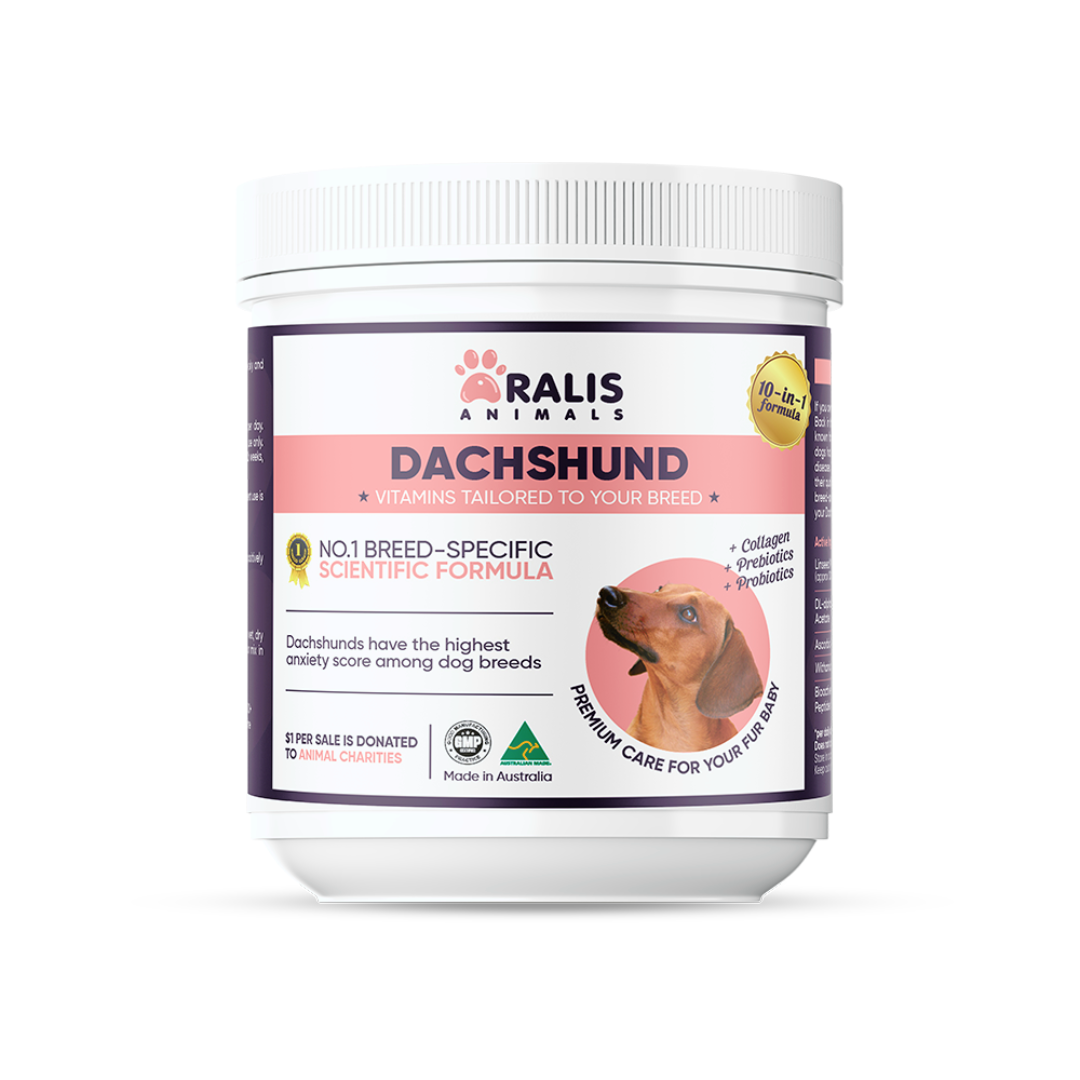
High-quality supplements can help support your dachshund's immune system and reduce allergic reactions. Omega-3 fatty acids are particularly beneficial for skin health and can help reduce inflammation. Probiotics support gut health, which is closely linked to immune function. Antioxidants like vitamin E and vitamin C can help protect skin cells from damage caused by allergic reactions. Aralis Animals offers breed-specific supplements tailored for dachshunds that can provide comprehensive support during allergy season. Discover the difference here.
Grooming and Bathing Routines
Regular bathing with hypoallergenic shampoo can help remove allergens from your dachshund's coat and skin. Bathing once or twice weekly during allergy season can significantly reduce symptoms. After outdoor activities, wiping your dog's paws and face with a damp cloth removes pollen and grass particles before they can cause irritation.
Environmental Modifications
Keeping your home clean and free of pollen can help reduce your dachshund's exposure to allergens. Use air purifiers with HEPA filters, wash bedding frequently in hot water, and consider keeping windows closed during high pollen days. Creating an allergen-free zone in your home where your dachshund spends most of their time can provide relief.
Medical Treatments
Your veterinarian may recommend antihistamines, corticosteroids, or other medications to manage severe symptoms. Immunotherapy, or allergy shots, can help desensitize your dog's immune system to specific allergens over time.
Prevention Tips
Preventing or minimizing seasonal allergy symptoms requires year-round attention and preparation.
Seasonal Preparation Strategies
Start allergy management before symptoms appear. Begin supplements several weeks before allergy season to build up your dog's immune system. Increase bathing frequency as pollen counts rise. Keep your dachshund's nails trimmed to prevent damage from scratching.
Indoor Air Quality Management
Invest in a quality air purifier and change filters regularly. Keep humidity levels moderate, as very dry air can irritate skin further. Vacuum frequently and consider using a vacuum with a HEPA filter to capture allergens.
Paw Care Routines
Establish a daily paw care routine during allergy season. Wash paws after outdoor activities, keep the area between toes clean and dry, and consider using paw balms to protect the skin barrier.
When to See a Veterinarian
Certain signs indicate you should seek professional veterinary care. If your dachshund's symptoms are severe, persistent, or worsening despite home management, schedule a veterinary appointment. Signs of secondary infections, such as excessive discharge from ears or skin, require professional treatment. If your dog is losing hair, developing open sores, or showing signs of pain, professional intervention is necessary.
Early intervention can prevent complications and improve your dachshund's quality of life significantly.
Conclusion
Seasonal allergies in dachshunds are a common challenge, but with proper recognition and management, you can help your beloved companion live comfortably throughout the year. By understanding the signs of grass allergies in dogs, pollen allergies, and dachshund-specific vulnerabilities, you're better equipped to provide relief. A combination of supplements for immune support, proper grooming, environmental modifications, and veterinary care creates a comprehensive approach to managing common dog allergies.
If your dachshund is showing signs of seasonal allergies, don't wait for symptoms to worsen. Start implementing prevention strategies now and consider adding breed-specific supplements from Aralis Animals to support your dog's health. With the right approach, you can help your dachshund enjoy every season without the discomfort of allergies.