

Red, Itchy Paws in Dogs: How Allergies, Gut Health and Anxiety Are Connected

As pet owners, we've all witnessed the distressing sight of our canine companions incessantly licking and chewing at their paws, leaving them red, inflamed and sometimes even raw. This common issue, known as paw licking or paw chewing, can be a frustrating and concerning problem for dog parents. But what's really behind this behavior, and how can we address the underlying causes to provide our furry friends with relief?
Uncovering the Causes of Red, Itchy Paws
There are several potential culprits when it comes to red, itchy paws in dogs. The most common culprits include:
Allergies
Environmental allergies to things like pollen, dust mites or grass can cause an inflammatory response in a dog's paws, leading to irritation and the urge to lick and chew. Food allergies or sensitivities can also manifest in paw-related symptoms.
Skin Irritants
Exposure to certain chemicals, cleaning products, or even materials like carpet or grass can trigger an allergic reaction and irritate a dog's sensitive paw pads.
Underlying Skin Conditions
Conditions like hot spots, yeast infections or even autoimmune disorders can cause inflammation and discomfort in a dog's paws.
The Gut-Skin Connection
While the causes mentioned above are well-known, there's another factor that's often overlooked: the health of a dog's gut. Emerging research has revealed a strong connection between gut microbiome imbalances and skin issues, including paw problems.
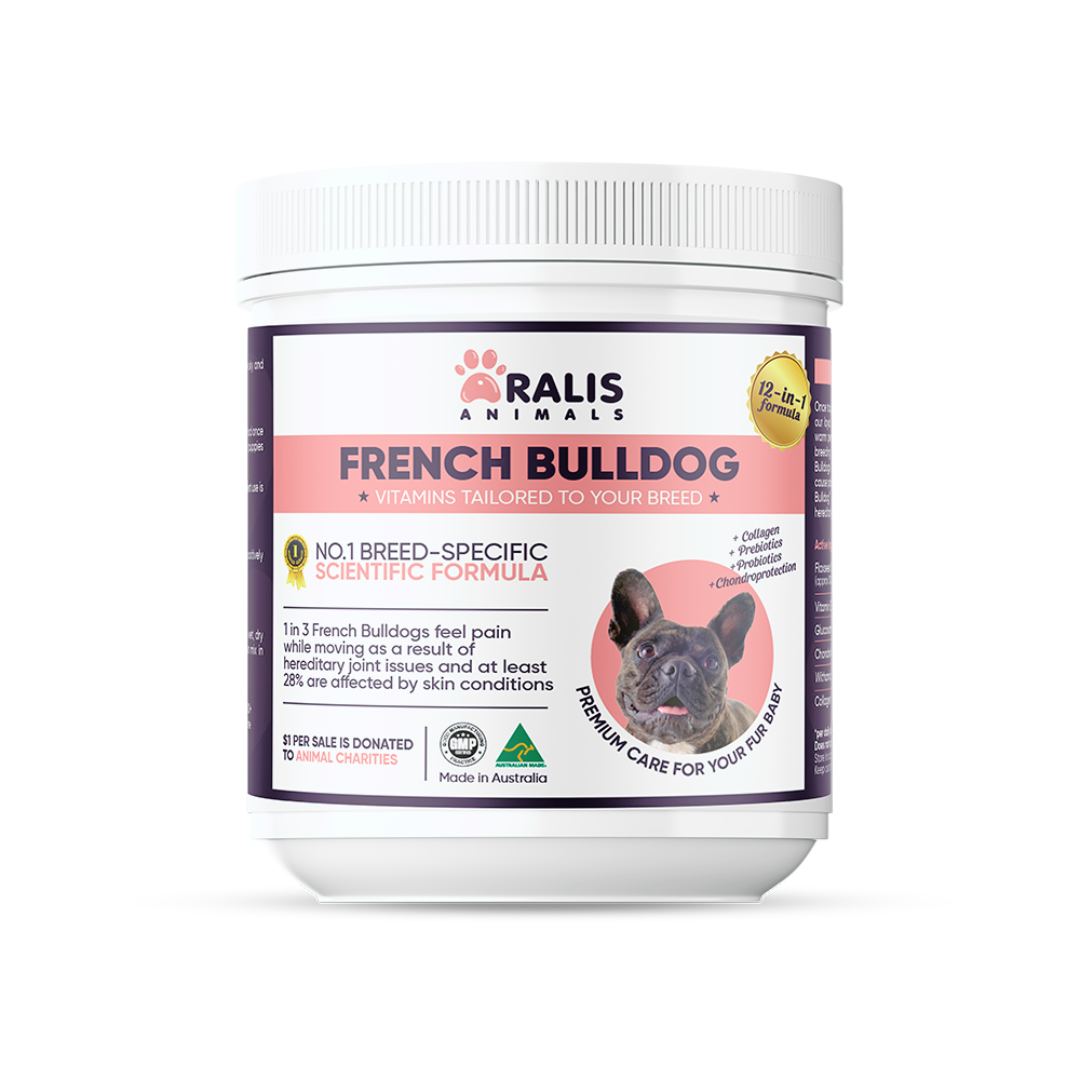
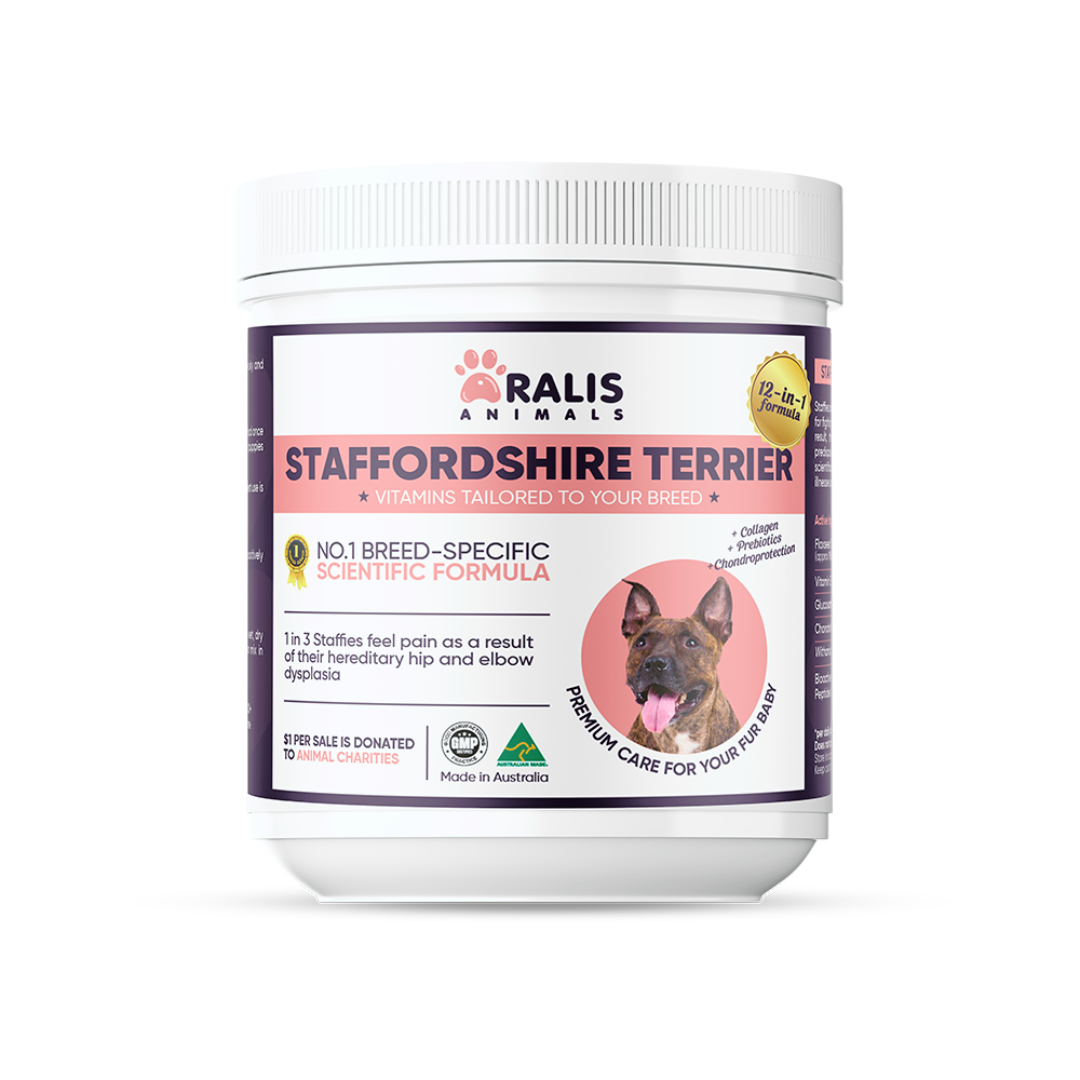
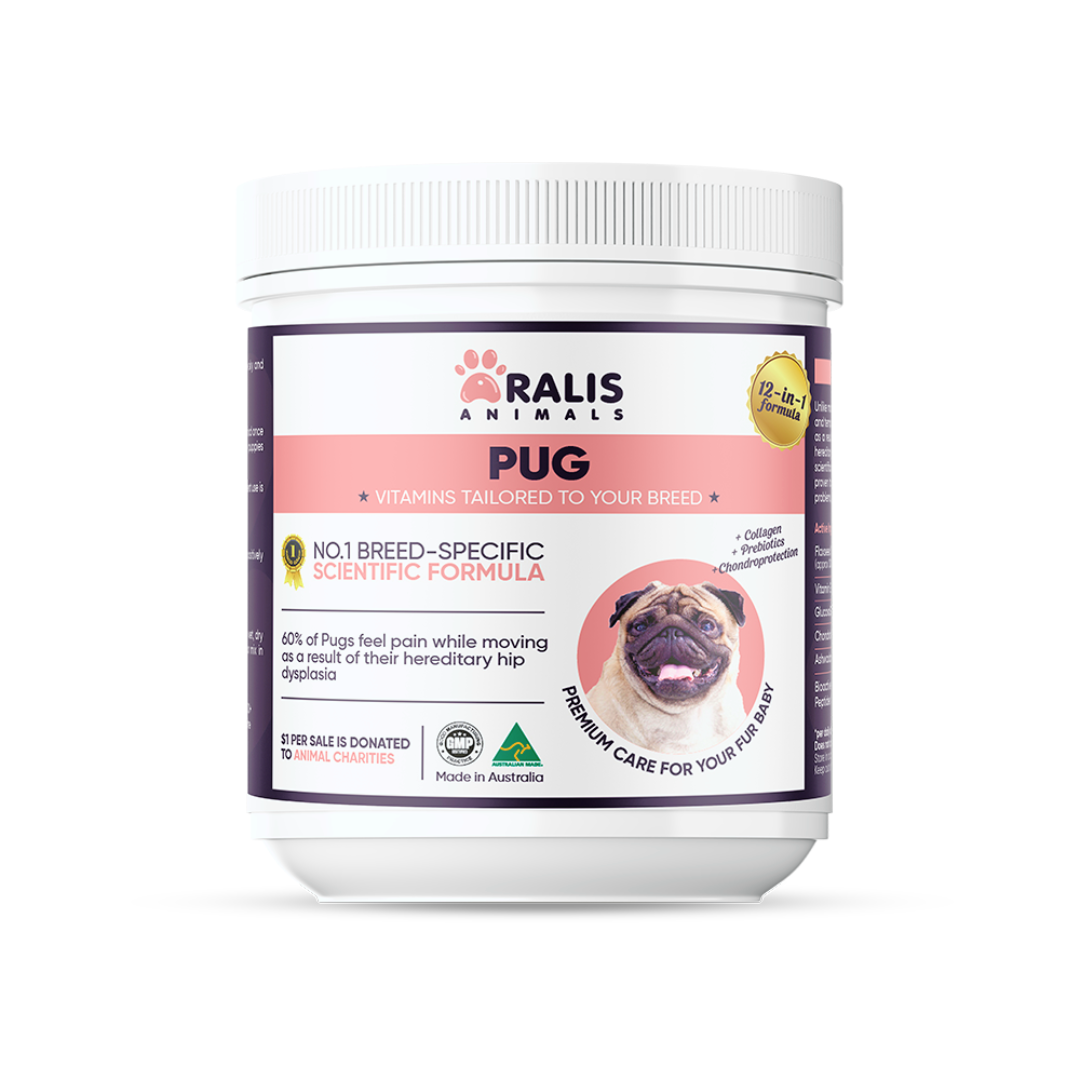
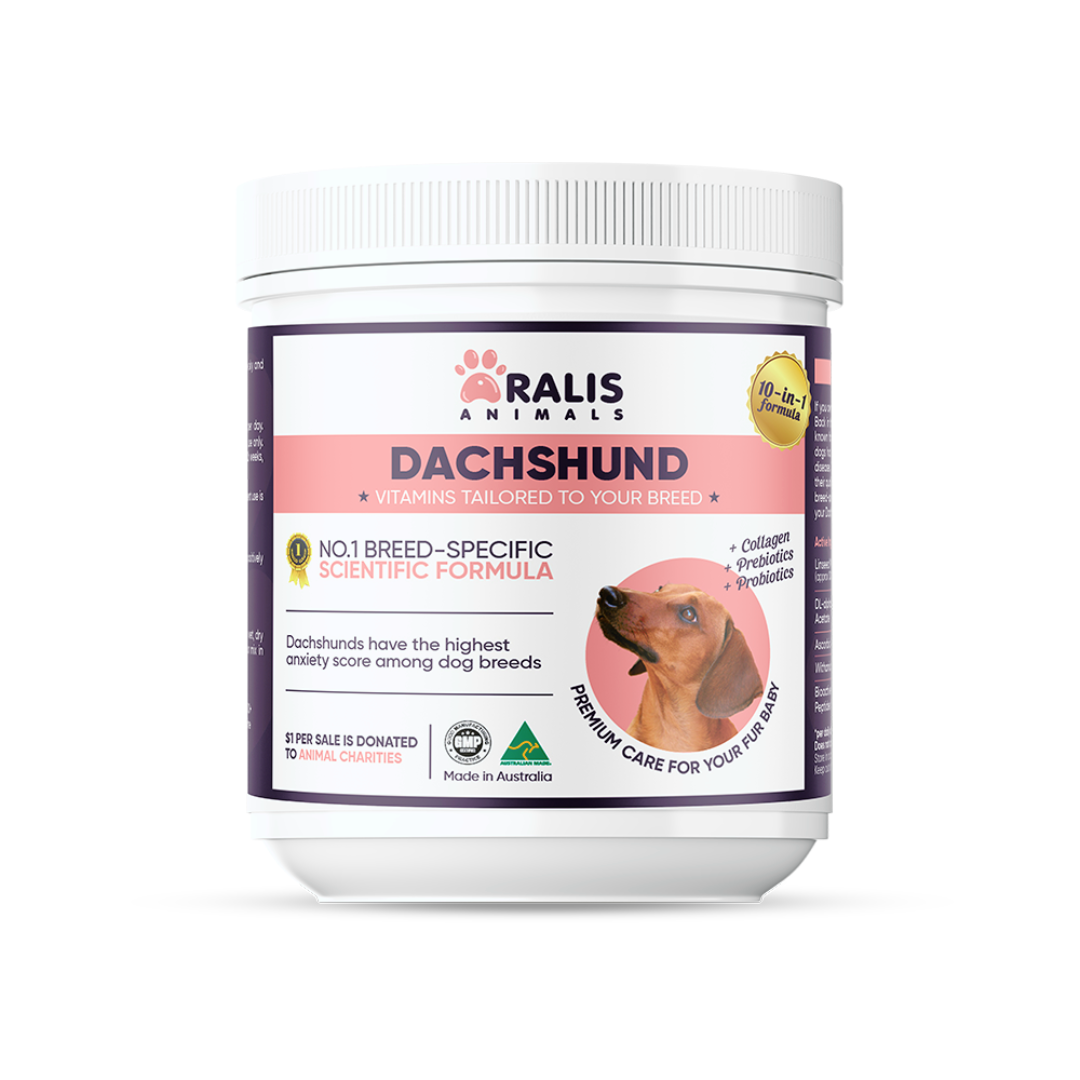
The gut is home to trillions of microorganisms that play a crucial role in immune function and overall health. When this delicate balance is disrupted, it can lead to systemic inflammation, which can manifest in the skin. This is why addressing gut health is so important when it comes to managing red, itchy paws. Because healthy skin often starts in the gut, our Aralis Animals Multivitamins help support digestion, immunity, and skin comfort in one daily scoop. Explore here.
Anxiety and Compulsive Paw Licking
In addition to physical triggers, psychological factors can also contribute to excessive paw licking in dogs. Stress, anxiety and boredom can all drive a dog to engage in compulsive licking behaviors as a way to self-soothe.
This type of paw licking is often more of a behavioral issue than a medical one. Dogs may start licking their paws as a coping mechanism, which can then lead to further irritation and a vicious cycle of licking.
Identifying the Root Cause
To effectively address red, itchy paws, it's important to work closely with your veterinarian to identify the underlying cause. This may involve a combination of physical examinations, allergy testing, dietary trials and potentially even behavioral assessments.
By getting to the root of the problem, you can then develop a comprehensive treatment plan that addresses the specific needs of your dog.
Treating and Managing Red, Itchy Paws
Once the cause has been identified, there are several strategies you can employ to provide relief and prevent further irritation:
Dietary Modifications
If food allergies are to blame, switching to a hypoallergenic or limited-ingredient diet can make a significant difference. Incorporating gut-healing supplements like probiotics and digestive enzymes can also help.
Topical Treatments
Your veterinarian may recommend soothing, anti-inflammatory topical creams or sprays to help calm the irritation and promote healing.
Anxiety Reduction
For dogs struggling with compulsive paw licking due to anxiety, techniques like calming supplements, pheromone therapy, and behavior modification can be helpful.
Environmental Management
Identifying and removing potential skin irritants, such as harsh cleaning products or certain flooring materials, can also go a long way in preventing flare-ups.
Maintaining Long-Term Paw Health
Addressing red, itchy paws requires a holistic approach that considers your dog's overall health and well-being. By focusing on gut health, managing allergies and anxiety, and providing soothing topical care, you can help your furry friend find lasting relief and prevent future paw-related issues.
Remember, consistency and patience are key when it comes to managing chronic skin conditions. With the right support and care, you can help your dog live a happy, comfortable life, free from the discomfort of red, itchy paws.