

Red, Irritated Paws in Dogs: What's Causing It and How to Help Your Pup Find Relief

If you've noticed your furry friend constantly licking their paws or displaying signs of redness and irritation, you're not alone. Red, irritated paws in dogs are one of the most common concerns pet owners face, and it can be distressing to watch your beloved companion struggle with discomfort. Whether your dog is obsessively chewing at their feet or you've spotted visible inflammation, understanding the underlying causes is the first step toward providing relief. In this comprehensive guide, we'll explore what causes dog itchy paws, why dogs engage in excessive paw licking, and most importantly, how you can help your pup find comfort and healing.
Common Causes of Red, Irritated Paws
Red paws from licking can stem from numerous sources, and identifying the root cause is essential for effective treatment. Let's explore the most prevalent culprits behind your dog's discomfort.
Allergies: A Leading Cause of Paw Irritation
Allergies are among the most common reasons dogs develop red, irritated paws. Dogs can suffer from three main types of allergies that affect their paws: food allergies, environmental allergies in dogs, and contact allergies.
Food allergies occur when your dog's immune system reacts negatively to certain ingredients in their diet. Common allergens include chicken, beef, wheat, and dairy. When a dog has a food allergy, the reaction often manifests as itching, particularly in the paws, ears, and face.
Environmental allergies in dogs are triggered by substances in the air or environment, such as pollen, dust mites, and mold. Many dogs are allergic to grass, which can cause significant paw irritation, especially during spring and summer months when grass pollen is prevalent. If your dog is allergic to grass, you might notice increased licking and redness after walks through grassy areas.
Contact allergies develop when your dog's skin reacts to direct contact with irritating substances, such as certain cleaning products, pesticides, or materials used in dog bedding.
Infections: Bacterial and Fungal
Infections are another significant cause of red paws from licking. When a dog continuously licks their paws due to itching, they create an environment conducive to bacterial and fungal growth. Yeast infections are particularly common in dogs and can cause intense itching, redness, and a distinctive odor.
Bacterial infections can develop as a secondary issue when your dog breaks the skin through excessive licking and chewing. These infections require prompt attention to prevent them from worsening.
Parasites and Fleas
Fleas are notorious for causing itching in dogs, and even a single flea bite can trigger an allergic reaction in sensitive dogs. Parasites like mites can also cause significant paw irritation and lead to excessive paw licking treatment needs.
Dry Skin and Dermatitis
Environmental factors such as low humidity, frequent bathing, or harsh shampoos can strip your dog's skin of natural oils, leading to dryness and irritation. Atopic dermatitis, a chronic inflammatory skin condition, is also common in dogs and frequently affects the paws.
Foreign Objects and Injuries
Sometimes, red irritated paws result from something as simple as a thorn, splinter, or small stone lodged between the toes. Injuries from sharp objects or excessive exercise on rough surfaces can also cause paw irritation.
Why Dogs Lick Their Paws
Understanding why your dog is engaging in excessive paw licking is crucial for addressing the problem effectively. While some paw licking is normal grooming behavior, excessive paw licking indicates an underlying issue that needs attention.
Normal vs. Excessive Licking
Dogs naturally lick their paws as part of their grooming routine, typically for just a few minutes a day. However, when dog licking paws becomes obsessive—lasting for extended periods or occurring multiple times throughout the day—it signals that something is wrong.
Excessive paw licking often stems from physical discomfort caused by itching. When a dog is itchy and licking paws, they're attempting to relieve the irritation. However, this behavior can become a vicious cycle: the licking causes further irritation and potential infection, which increases itching and leads to more licking.
The Itch-Lick Cycle
The connection between itching and licking behavior is straightforward but problematic. An itchy dog will lick to find relief, but the constant moisture and friction from licking can damage the skin barrier, introduce bacteria, and worsen inflammation. This creates a self-perpetuating cycle that requires intervention to break.
Signs Your Dog's Paws Need Attention
Recognizing the warning signs that your dog's paws need professional attention is essential for preventing complications.
Visual Indicators
Look for visible redness, swelling, or discoloration of the paw pads and the skin between the toes. You might also notice hair loss around the paws due to excessive licking and chewing. Some dogs develop a reddish-brown discoloration on their paws, which is often a sign of yeast infection.
Behavioral Changes
Beyond the obvious excessive paw licking, watch for other behavioral changes. Your dog might limp or show reluctance to walk, play, or exercise. They may also seem anxious or distressed, constantly trying to access their paws.
Physical Symptoms
Swelling, discharge, or a foul odor emanating from the paws are signs of infection and require immediate veterinary attention. You might also notice your dog's paws feeling warm to the touch or see signs of bleeding from self-trauma.
Treatment Options for Dog Paw Allergies
Once you've identified that your dog has a paw problem, several treatment approaches can help provide relief.
Veterinary Diagnosis and Care
Your veterinarian can perform tests to identify the specific cause of your dog's paw irritation. They might recommend skin scrapings, fungal cultures, or allergy testing. Based on their findings, they can prescribe appropriate medications, such as antibiotics for bacterial infections, antifungal treatments for yeast, or antihistamines for allergies.
Dog Skin Allergy Treatment
If allergies are the culprit, your veterinarian might recommend an elimination diet to identify food allergens or suggest environmental management strategies to reduce exposure to triggers. Dog allergies treatment often involves a combination of approaches tailored to your specific dog's needs.
Home Remedies and Relief Strategies
Several home remedies can complement professional treatment. Regular paw soaks in warm water with Epsom salt can soothe irritated skin and reduce inflammation. Keeping your dog's paws clean and dry is essential, as moisture promotes fungal growth.
Applying dog-safe moisturizers or protective balms can help restore the skin barrier. Booties or protective wraps can prevent your dog from licking their paws while they heal.
Breed-Specific Supplement Solutions
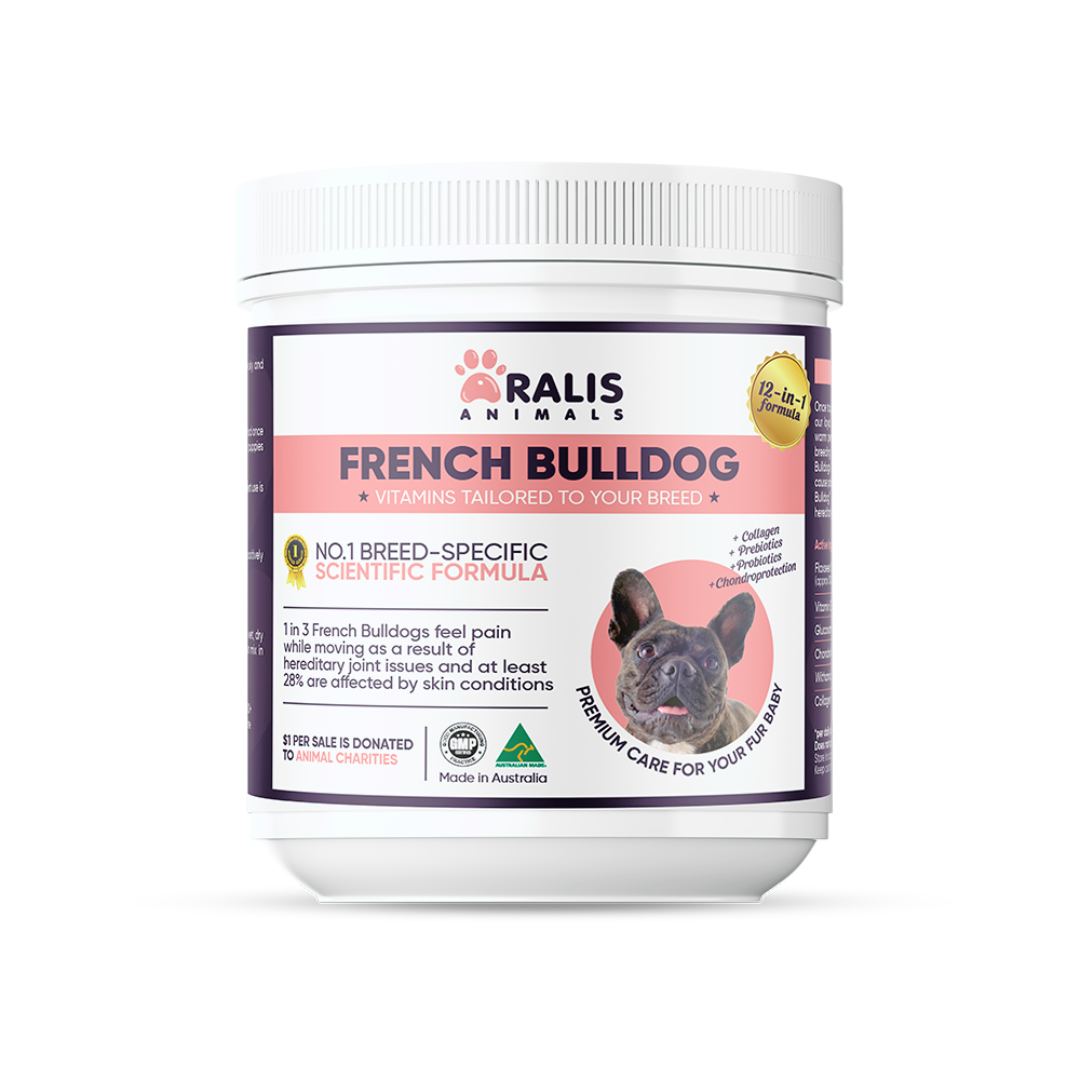
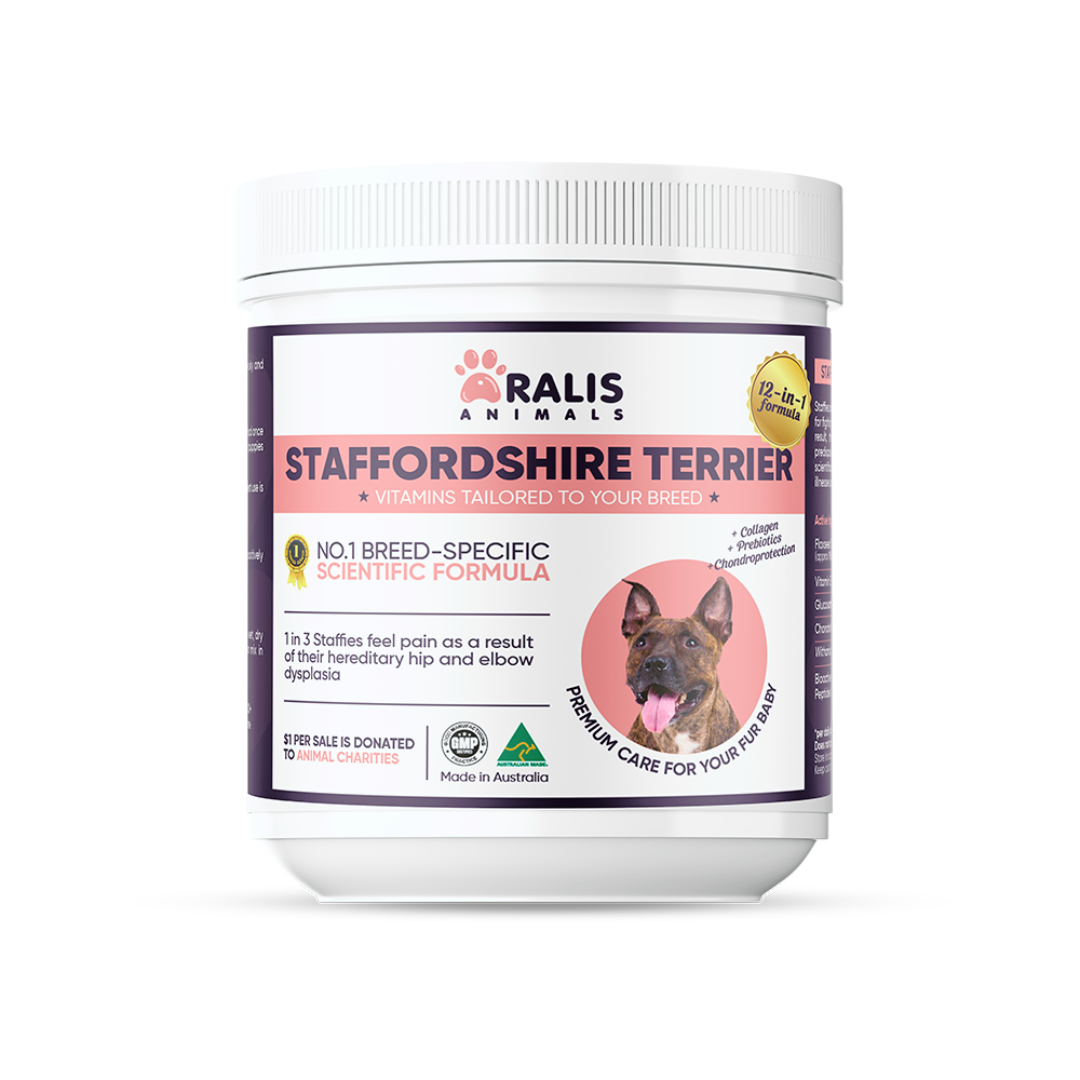
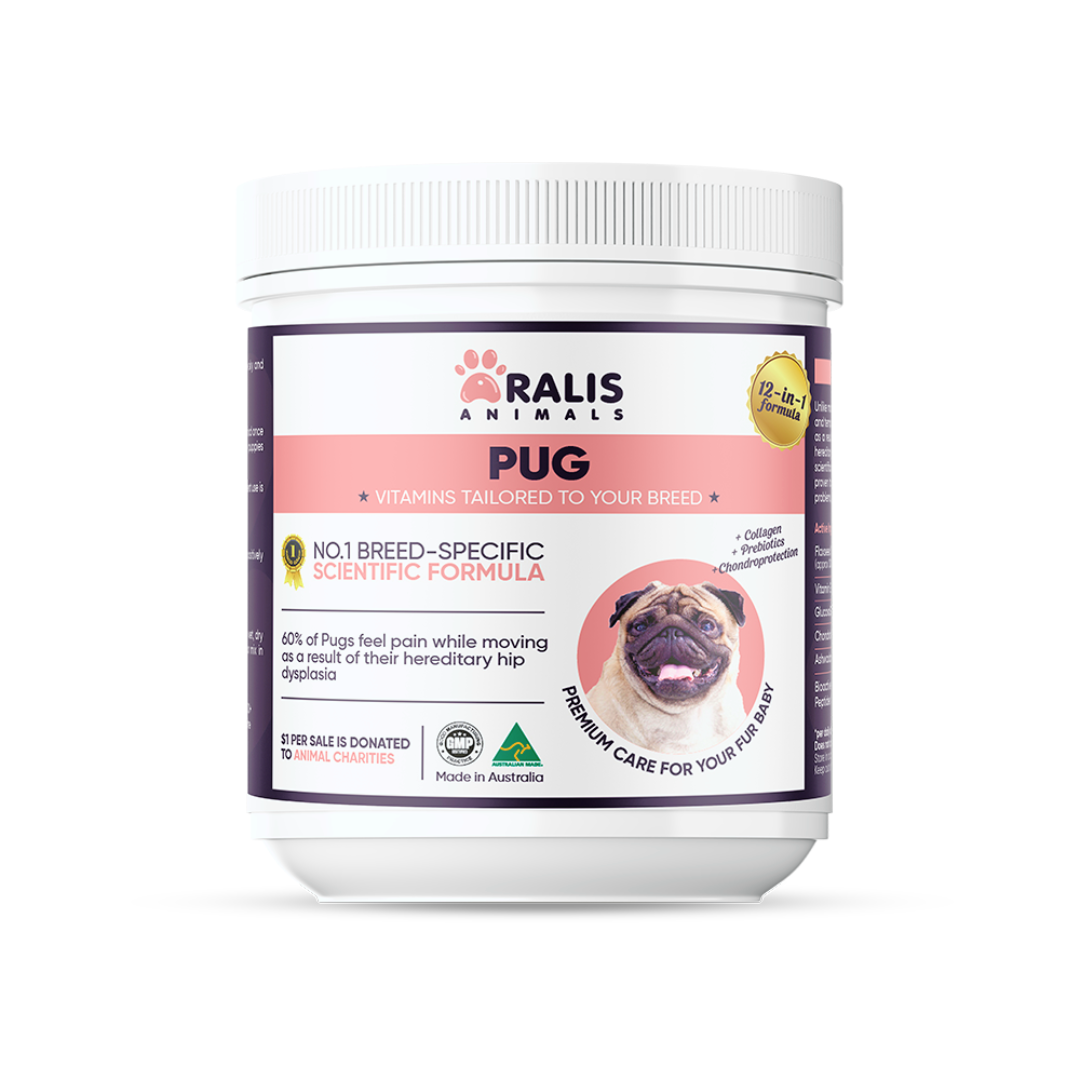
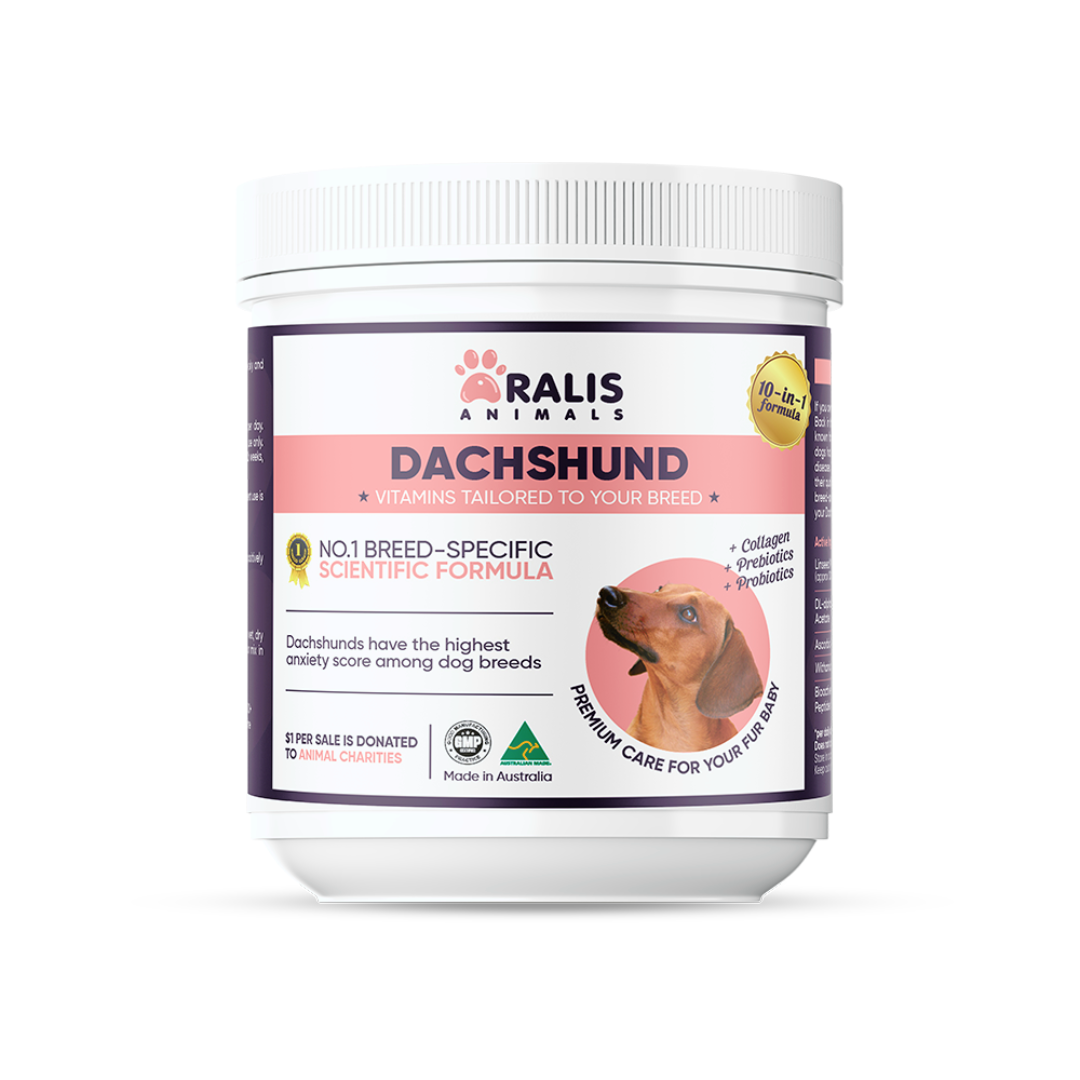
Certain dog breeds are more prone to skin issues and allergies. Aralis Animals offers breed-specific supplements designed to support skin health and reduce inflammation from within. These supplements contain ingredients like omega-3 fatty acids, probiotics, and antioxidants that work together to strengthen your dog's skin barrier and support their immune system. Click here to explore more.
Choosing supplements tailored to your dog's breed ensures they receive the specific nutritional support their genetics predispose them to need. This proactive approach can significantly reduce the occurrence of paw irritation and other skin-related issues.
Preventing Future Irritation
Prevention is always better than treatment. Regular grooming, including nail trimming and paw pad cleaning, helps you spot problems early. Maintaining a healthy diet rich in omega-3 fatty acids supports skin health. Limiting exposure to known allergens and keeping your dog's environment clean can also prevent irritation.
When to See a Veterinarian
While some cases of mild paw irritation can be managed at home, certain situations require professional veterinary care.
Persistent Symptoms
If your dog's paw irritation doesn't improve within a few days of home treatment, or if it worsens, schedule a veterinary appointment. Persistent symptoms suggest an underlying condition that needs professional diagnosis.
Signs of Infection
Any signs of infection—including discharge, foul odor, excessive swelling, or signs of pain—warrant immediate veterinary attention. Infections can spread quickly and become serious if left untreated.
Severe Allergic Reactions
If your dog shows signs of a severe allergic reaction, such as facial swelling, difficulty breathing, or widespread hives, seek emergency veterinary care immediately.
Conclusion
Red, irritated paws in dogs are a common problem with many potential causes, from allergies and infections to parasites and dry skin. Understanding why your dog is experiencing paw irritation is the first step toward providing effective relief. Whether your dog is allergic to grass, suffering from a yeast infection, or dealing with environmental allergies in dogs, professional veterinary care combined with appropriate home care can help your pup find comfort.
Don't let your beloved companion suffer from constant itching and discomfort. If you notice signs of paw irritation, consult your veterinarian for a proper diagnosis. In the meantime, consider supporting your dog's skin health with Aralis Animals' breed-specific supplements, formulated to elevate your pet's health and address the unique nutritional needs of your dog's breed. With the right combination of professional care, home management, and nutritional support, your dog can enjoy healthy, happy paws once again.