

Itchy Dog Skin Home Remedies: What Works, What Doesn't, and When to Do More

If you've ever watched your beloved dog scratch relentlessly, you know how distressing it can be. Itchy skin is one of the most common complaints pet owners bring to veterinarians, and it can significantly impact your dog's quality of life. The constant scratching, licking, and biting can lead to secondary infections, hair loss, and behavioral changes. While many pet owners first turn to home remedies for relief, it's important to understand which treatments actually work, which ones fall short, and when professional help becomes necessary.
This comprehensive guide will help you navigate the world of dog itchy skin home remedies, providing evidence-based information to help you make informed decisions about your pet's care. Whether your dog is itching but no fleas are present, or you're dealing with seasonal allergies, you'll find practical solutions and honest assessments of their effectiveness.
Understanding the Root Causes of Dog Itching
Before jumping into remedies, it's crucial to understand why your dog is scratching in the first place. Dog itching and scratching can stem from numerous causes, and identifying the underlying issue is the first step toward effective treatment.
Parasites and Fleas
Fleas remain one of the most common causes of itching in dogs, even though many pet owners assume their dog itching but no fleas means something else is wrong. A single flea bite can trigger an allergic reaction in sensitive dogs, causing intense itching that lasts for days. If you suspect fleas, use a flea comb on your dog's coat and look for small black specks (flea dirt) on the skin.
Allergies: The Hidden Culprit
Dog skin allergies come in three main types: food allergies, environmental allergies, and contact allergies. Seasonal allergies are particularly common, causing dogs to itch more during spring and fall when pollen counts are high. Food allergies typically manifest as year-round itching, while environmental allergies may be seasonal or persistent depending on the allergen.
Dry Skin and Environmental Factors
Dry skin is especially prevalent during winter months when heating systems reduce humidity. Low humidity, frequent bathing, and poor nutrition can all contribute to dry, itchy skin that leaves your dog uncomfortable.
Infections
Bacterial and yeast infections often develop as secondary issues when a dog's skin barrier is compromised. These infections can cause intense itching and require specific treatment beyond home remedies.
Effective Home Remedies That Actually Work
Not all home remedies are created equal. Here are the treatments that have genuine merit and can provide relief for your dog's itchy skin.
Oatmeal Baths
Oatmeal is one of the most scientifically supported home remedies for dog itchy skin. Colloidal oatmeal (finely ground oatmeal) contains compounds that soothe inflammation and reduce itching. To prepare an oatmeal bath, grind plain oatmeal into a fine powder, mix it with warm water to create a paste, and add it to your dog's bathwater. Let your dog soak for 10-15 minutes, allowing the oatmeal to coat their skin. This remedy works best for dogs with dry skin or mild irritation and can be used 2-3 times per week.
Coconut Oil
Coconut oil has natural antimicrobial and anti-inflammatory properties that can benefit itchy skin. You can apply coconut oil directly to affected areas or add it to your dog's diet. When used topically, it helps moisturize dry skin and may reduce bacterial growth. However, use it sparingly as it can be greasy, and always ensure your dog doesn't ingest excessive amounts, as it's high in calories.
Apple Cider Vinegar
Apple cider vinegar has antimicrobial properties and can help restore your dog's skin pH balance. A diluted apple cider vinegar rinse (one part vinegar to one part water) can be applied after bathing. However, avoid using it on open wounds or severely irritated skin, as it may cause stinging and discomfort.
Fish Oil Supplements
Omega-3 fatty acids from fish oil support skin health from the inside out. These supplements reduce inflammation throughout the body and can improve coat quality while reducing itching. Fish oil is particularly effective for dogs with allergies and works best when used consistently over several weeks. Quality matters significantly with fish oil supplements, so choose products specifically formulated for pets.
Hydration and Diet Adjustments
Proper hydration and a balanced diet are fundamental to skin health. Ensure your dog always has access to fresh water, and consider feeding high-quality dog food with adequate protein and healthy fats. Some dogs benefit from eliminating common allergens like chicken or wheat from their diet, though this requires patience and careful monitoring to identify triggers.
Remedies That Don't Work or Have Limited Effectiveness
Understanding which remedies fall short is just as important as knowing which ones help. This prevents wasted time and money while your dog continues to suffer.
Baking Soda Baths
While baking soda is often recommended for itchy skin, scientific evidence supporting its effectiveness is limited. Some dogs may experience mild relief due to the soothing effect of a bath itself, but baking soda doesn't address underlying causes and may actually dry out skin further.
Essential Oils
Many essential oils are touted as natural remedies for dog itching, but they can be problematic. Dogs have sensitive skin and respiratory systems, and many essential oils can cause irritation or toxicity. Tea tree oil, in particular, has been associated with poisoning in dogs. Avoid applying concentrated essential oils directly to your dog's skin.
Honey Applications
While honey has antimicrobial properties, applying it topically to your dog's skin is impractical and ineffective. Honey is sticky, attracts dirt and bacteria, and doesn't penetrate the skin barrier effectively. Additionally, dogs may try to lick it off, consuming excessive sugar.
Garlic and Onion Supplements
Despite claims that garlic repels fleas and improves skin health, garlic and onions are actually toxic to dogs. They damage red blood cells and can cause serious health problems. Never use these as remedies for your dog's itchy skin.
When Professional Help Becomes Essential
While home remedies can provide relief for mild cases, certain situations require veterinary intervention. Recognizing these warning signs ensures your dog receives appropriate care.
Red Flags That Demand Veterinary Attention
If your dog's itching persists for more than two weeks despite home treatment, it's time to see a veterinarian. Other warning signs include open sores, bleeding from scratching, hair loss, swelling, discharge, or signs of infection. If your dog seems lethargic, loses appetite, or shows behavioral changes alongside itching, professional evaluation is crucial.
The Importance of Professional Diagnosis
A veterinarian can perform skin scrapings, fungal cultures, and allergy testing to identify the exact cause of your dog's itching. This diagnosis is essential because different causes require different treatments. A dog itching and scratching but no fleas might have allergies, infections, or other conditions that need specific interventions.
Professional Treatment Options
Veterinarians may recommend prescription medications, medicated shampoos, allergy testing, elimination diets, or immunotherapy depending on the diagnosis. For dog skin allergies, treatments might include antihistamines, corticosteroids, or newer biologics that target specific immune pathways. For infections, antibiotics or antifungal medications are necessary.
Prevention: The Best Medicine
Preventing itchy skin is far easier than treating it. Implement these strategies to keep your dog comfortable and healthy.
Regular Grooming and Maintenance
Brush your dog's coat regularly to remove dead hair, distribute natural oils, and check for parasites or skin abnormalities. Regular bathing with appropriate dog shampoo helps maintain skin health, though over-bathing can strip natural oils.
Consistent Flea Prevention
Use year-round flea prevention as recommended by your veterinarian. Modern flea preventatives are highly effective and safer than ever before.
Quality Nutrition and Supplements
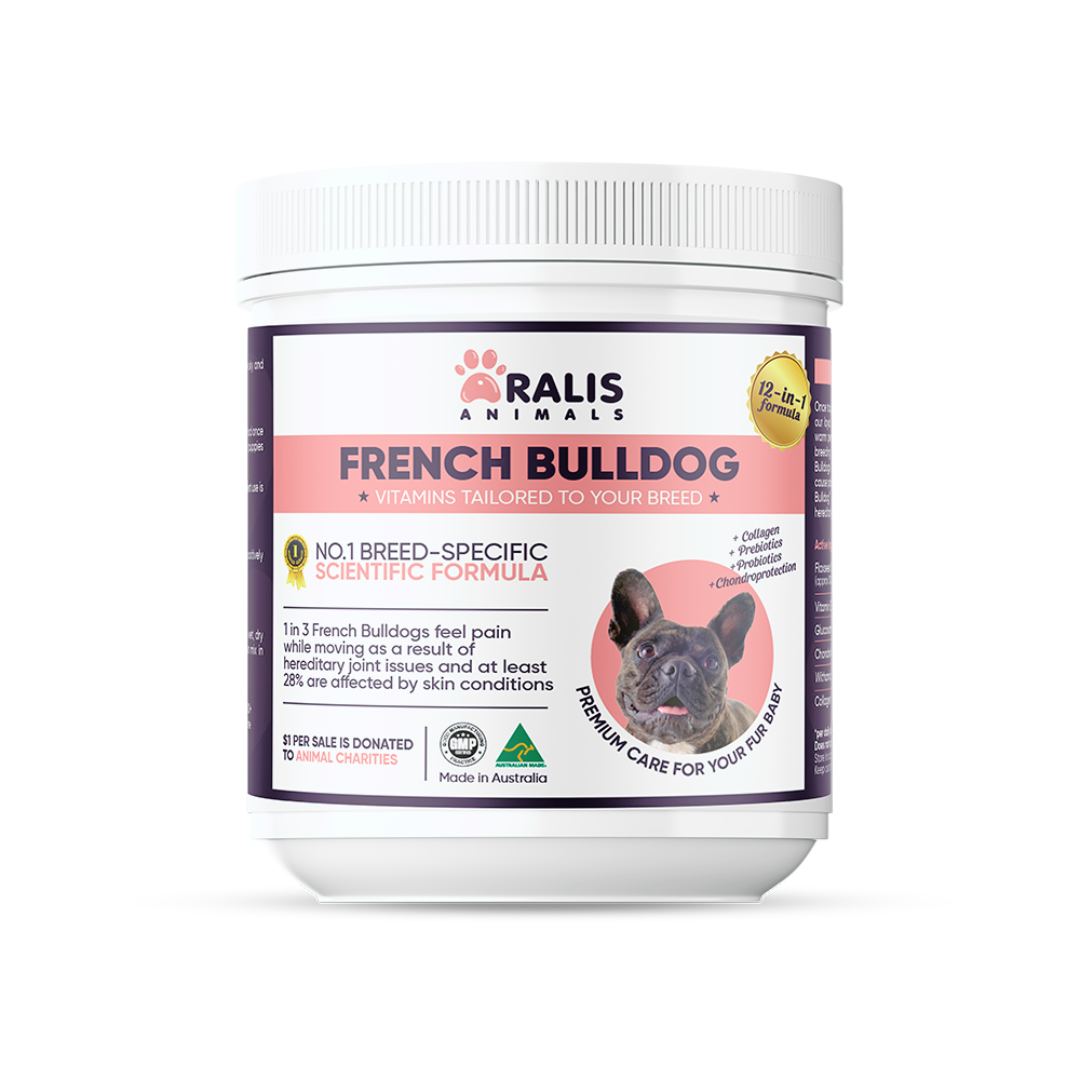
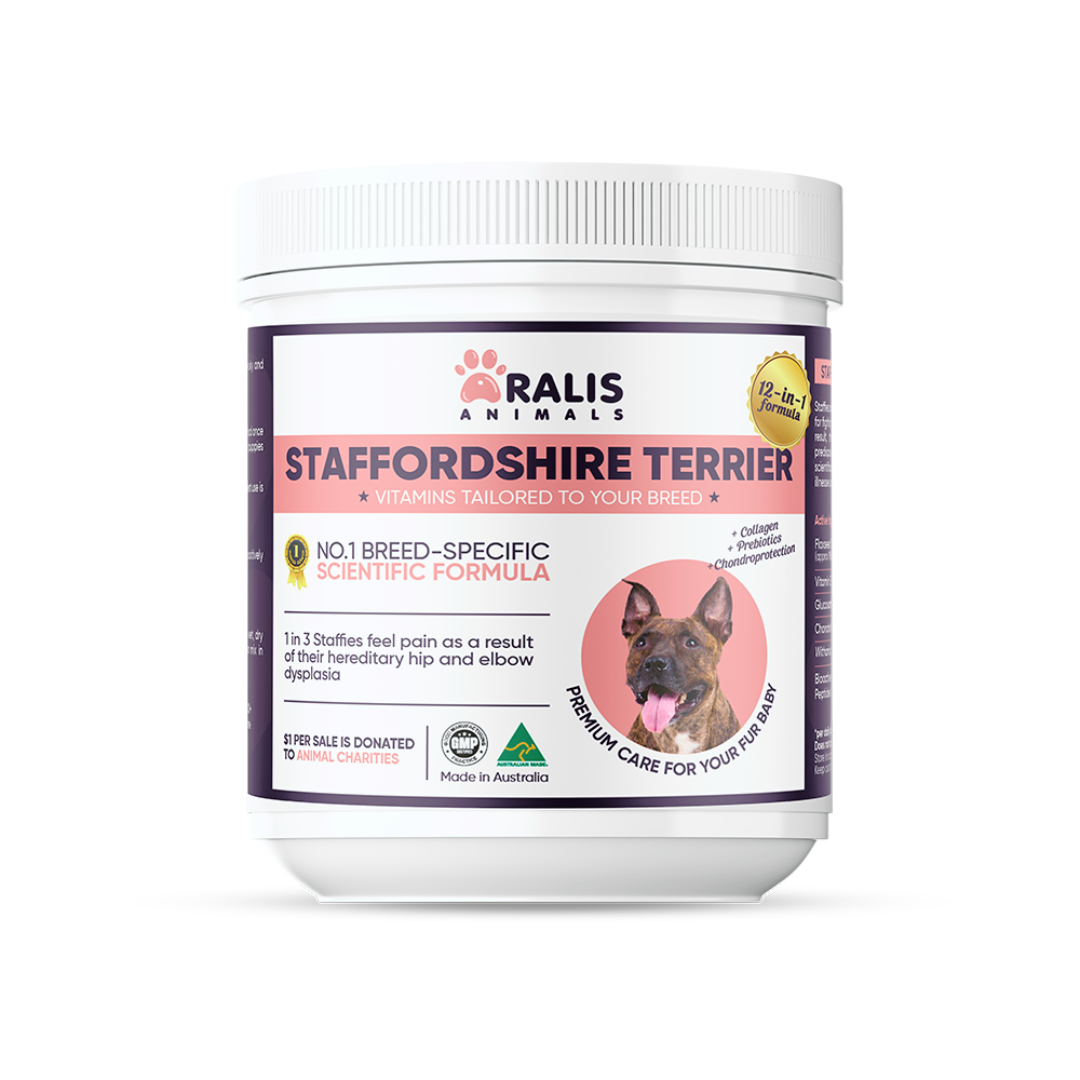
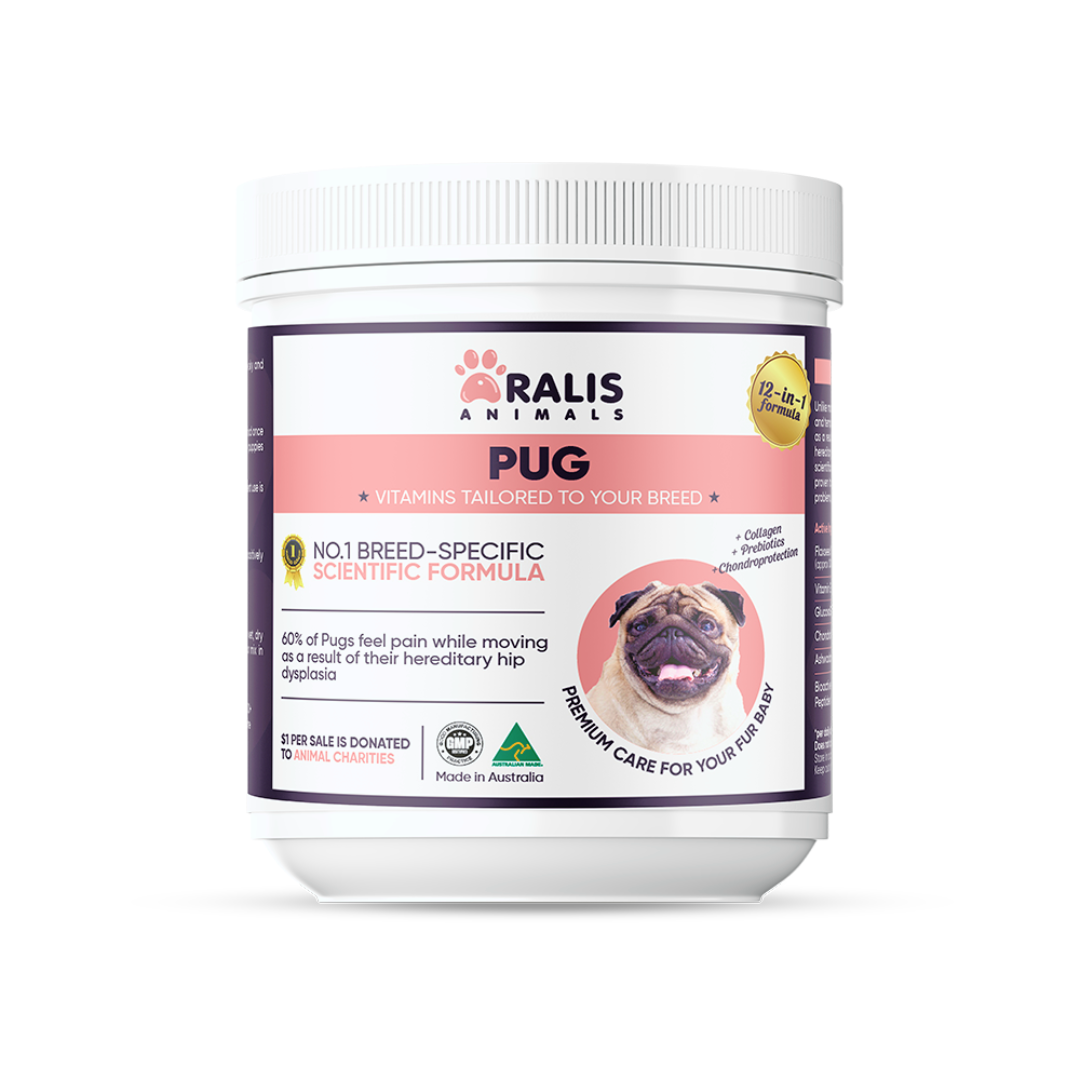
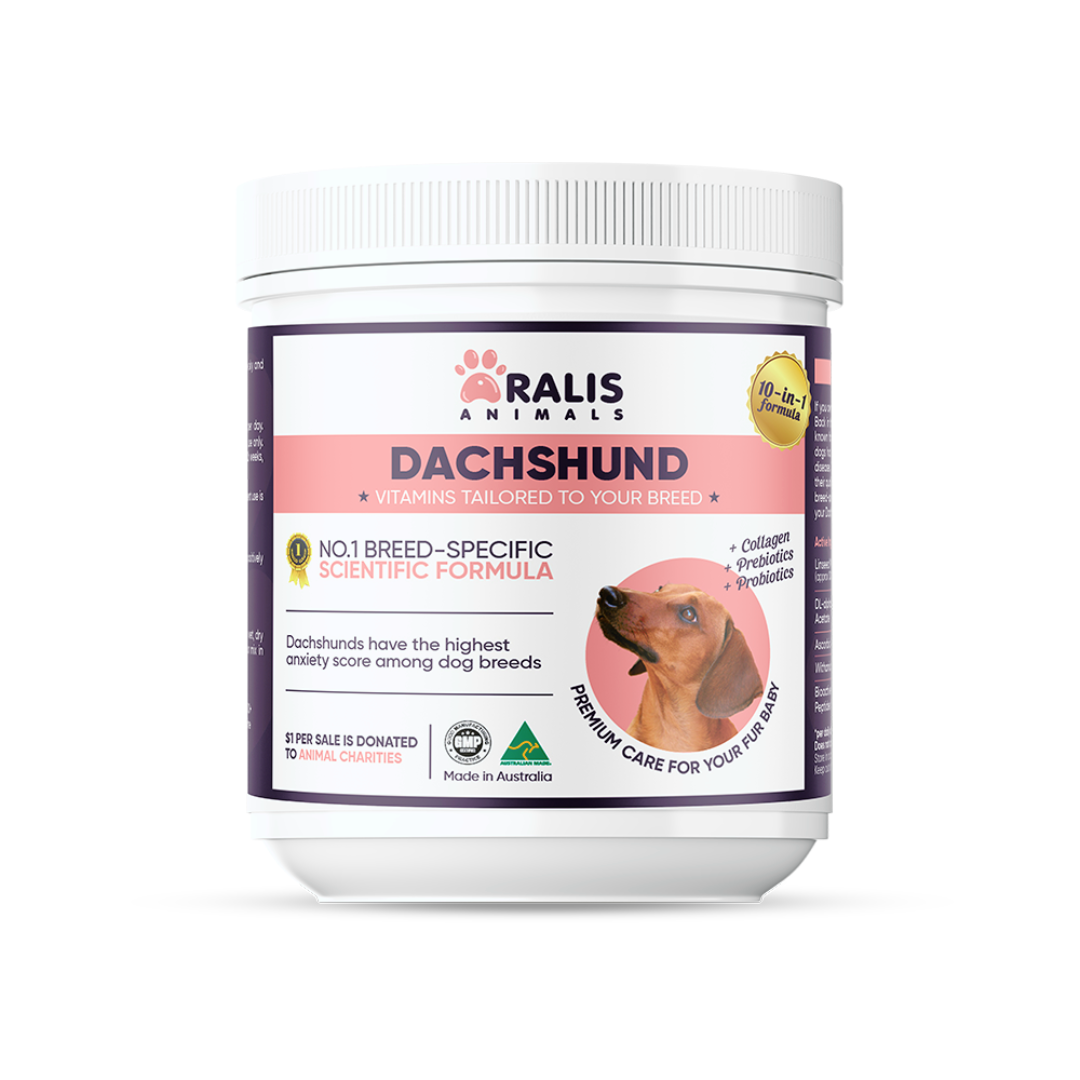
Feed your dog high-quality food with adequate protein, healthy fats, and essential nutrients. Consider breed-specific supplements formulated to support skin health and address common issues in your dog's breed. Aralis Animals offers tailored breed-specific supplements designed to elevate your pet's health and address individual nutritional needs.
Environmental Management
Maintain appropriate humidity levels in your home, especially during winter. Wash your dog's bedding regularly, and minimize exposure to known allergens when possible.
Our Aralis Animals multivitamins are formulated with omega fatty acids, probiotics, and essential skin-supporting nutrients to help maintain the skin barrier, support gut balance, and promote long-term comfort for your pooch—click here to explore more.
Conclusion
Managing dog itchy skin requires a balanced approach combining effective home remedies with professional guidance when needed. Oatmeal baths, coconut oil, fish oil supplements, and dietary adjustments can provide genuine relief for many dogs, while avoiding ineffective or potentially harmful remedies saves time and money.
Remember that persistent itching always warrants veterinary evaluation to rule out serious underlying conditions. Once you understand the cause of your dog's itching, you can implement targeted solutions that address the root problem rather than just masking symptoms.
By combining preventive care, appropriate home remedies, quality nutrition, and professional support when necessary, you can help your dog achieve comfortable, healthy skin and enjoy a better quality of life. Your dog's comfort and wellbeing are worth the effort to find the right solution.