

Is Your Pug Showing Signs of Stress or Anxiety? A Gentle Guide for Worried Owners

As a devoted pug owner, you want nothing more than to see your beloved companion happy, healthy, and thriving. However, sometimes our furry friends can experience bouts of stress or anxiety, which can be concerning and challenging to navigate. In this comprehensive guide, we'll explore the common signs of anxiety in pugs, uncover the potential root causes, and provide practical strategies to help your pug find calm and contentment.
Understanding Pug Anxiety
Pugs are known for their endearing personalities, but like any breed, they can be susceptible to anxiety and stress. Recognizing the early warning signs is crucial, as unaddressed anxiety can lead to a range of behavioral and physical issues. By understanding the unique needs and tendencies of pugs, we can better support their overall well-being.
Common Signs of Anxiety in Pugs
Anxiety in pugs can manifest in various ways, both physically and behaviorally. Some of the most common signs to watch out for include:
Physical Symptoms
- Excessive panting or drooling
- Trembling or shaking
- Restlessness or pacing
- Digestive issues like vomiting or diarrhea
Behavioral Changes
- Excessive barking or whining
- Destructive behaviors like chewing or scratching
- Hiding or avoidance of certain situations
- Clingy or overly dependent behavior
Emotional Indicators
- Cowering or submissive postures
- Fearful or startled reactions
- Aggression or snapping
- Lack of interest in play or affection
By familiarizing yourself with these signs, you can be better equipped to identify when your pug may be experiencing anxiety and take the necessary steps to provide support.
Uncovering the Root Causes of Pug Anxiety
Anxiety in pugs can stem from a variety of factors, including genetic predispositions, environmental triggers, and past experiences. Understanding the underlying causes can help you tailor your approach to managing your pug's anxiety.
Genetic Predispositions
Certain breeds, including pugs, may be more prone to anxiety due to their genetic makeup. Pugs, in particular, can be susceptible to separation anxiety and noise-related fears, which can be exacerbated by their brachycephalic (flat-faced) physiology.
Environmental Triggers
Changes in the home environment, such as a new living situation, the introduction of a new family member, or exposure to loud noises, can all contribute to increased stress and anxiety in pugs.
Past Experiences and Trauma
Pugs that have experienced neglect, abuse, or other traumatic events may develop long-lasting anxiety that can be challenging to overcome.
By addressing the root causes of your pug's anxiety, you can develop a more effective plan to help them find comfort and stability.
Specific Anxiety Types in Pugs
Pugs can experience various forms of anxiety, each with its own unique set of triggers and management strategies. Understanding the different types of anxiety can help you better tailor your approach.
Separation Anxiety
Pugs are known for their strong bonds with their owners, and separation anxiety is a common issue. Pugs may become distressed when left alone, leading to destructive behaviors or excessive vocalization.
Social Anxiety
Some pugs may struggle with social interactions, feeling overwhelmed in crowded or unfamiliar situations. This can manifest as avoidance, aggression, or excessive shyness.
Noise-Related Anxiety
Loud noises, such as thunderstorms, fireworks, or even household appliances, can trigger significant anxiety in pugs, leading to fearful behaviors and attempts to escape.
Understanding the specific type of anxiety your pug is experiencing can help you implement targeted strategies to provide the necessary support and comfort.
Practical Strategies for Managing Pug Anxiety
Addressing your pug's anxiety requires a multifaceted approach, involving both professional interventions and home-based techniques. By working closely with your veterinarian and incorporating lifestyle adjustments, you can help your pug find calm and contentment.
Professional Interventions
Seeking the guidance of a veterinarian or animal behaviorist can be invaluable in developing a comprehensive treatment plan. They may recommend medication, behavior modification therapy, or a combination of both to help manage your pug's anxiety.
Home-Based Techniques
In addition to professional support, there are several home-based strategies you can implement to help soothe your pug's anxiety, such as:
- Providing a safe, comfortable, and predictable environment
- Incorporating calming activities like gentle exercise, puzzle toys, and positive reinforcement training
- Using pheromone diffusers or calming supplements to promote relaxation
Lifestyle Adjustments
Making certain lifestyle adjustments can also play a significant role in managing your pug's anxiety. This may include:
- Establishing a consistent routine
- Ensuring adequate exercise and mental stimulation
- Limiting exposure to known triggers
- Offering a secure and cozy space for your pug to retreat to when needed
By combining professional guidance with personalized home-based techniques, you can help your pug navigate their anxiety and find a sense of calm and security.
Supplements and Natural Remedies
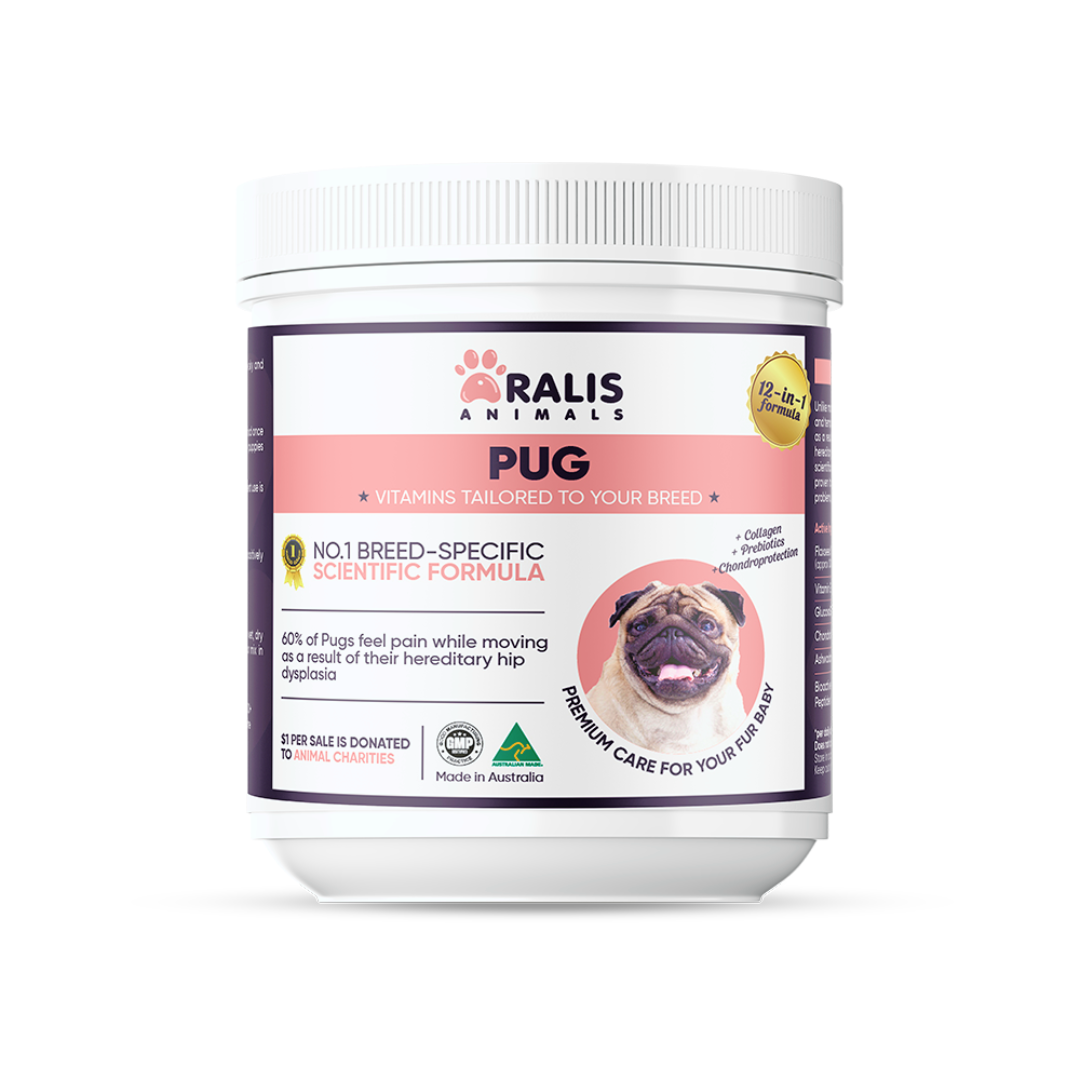
In addition to traditional treatment approaches, there are various supplements and natural remedies that can be beneficial for managing anxiety in pugs. Aralis Animals, a trusted provider of breed-specific supplements, offers tailored solutions to support your pug's overall well-being.
Breed-Specific Supplement Benefits
Aralis Animals Pug Multivitamins are formulated with your pug's unique needs in mind, addressing common issues like stress, anxiety, and digestive concerns. These supplements can help promote relaxation, improve mood, and support a healthy immune system. Click here to learn more.
Recommended Calming Solutions
Aralis Animals calming supplements, infused with natural ingredients like chamomile, valerian root, and L-theanine, can help soothe your pug's nerves and provide a sense of tranquility. Always consult with your veterinarian before introducing any new supplements to your pug's routine.
Consultation with Veterinarians
When exploring supplement options, it's crucial to work closely with your veterinarian. They can provide guidance on the appropriate dosage, potential interactions, and the overall suitability of the supplements for your pug's individual needs.
By incorporating breed-specific supplements and natural remedies, along with professional support and home-based techniques, you can create a comprehensive plan to help your pug find relief from anxiety and stress.
Conclusion
Navigating the challenges of pug anxiety can be a delicate and sometimes overwhelming journey, but with the right approach, you can help your beloved companion find comfort and contentment. By understanding the common signs, addressing the root causes, and implementing a multifaceted strategy, you can empower your pug to thrive and enjoy a fulfilling life by your side.
Remember, your pug's well-being is of the utmost importance, and with patience, compassion, and the guidance of professionals, you can help your furry friend overcome their anxiety and embrace the joys of being a pug. Aralis Animals is here to support you and your pug every step of the way, providing breed-specific solutions to elevate your pet's health and happiness.