

Is Your Dog's Skin Red or Irritated? Simple Ways to Support Skin Health Naturally

If you've noticed your furry friend constantly scratching, licking their paws excessively, or displaying red and irritated skin, you're not alone. Many dog owners face the frustration of watching their beloved companions struggle with skin issues. The constant itching and discomfort can affect your dog's quality of life, sleep patterns, and overall well-being. Understanding what causes these problems and knowing how to address them naturally can make a significant difference in your pet's health and happiness.
Dog skin problems are more common than you might think, and they come in various forms. Whether your dog is itching but has no fleas, experiencing dog itchy paws, or showing signs of more serious skin allergies in dogs, there are natural and effective ways to support their skin health. This comprehensive guide will help you understand the root causes of your dog's skin irritation and provide you with practical solutions to bring relief and restore your pet's comfort.
Understanding Dog Skin Irritation
Before you can effectively address your dog's skin issues, it's important to understand what might be causing them. Dog skin problems can stem from multiple sources, and identifying the underlying cause is the first step toward finding a solution.
Common Causes of Dog Skin Problems
One of the most frequent causes of dog itchy skin is allergies. Dogs can develop allergies to various substances, including certain foods, environmental factors like pollen and dust, or contact allergies from materials they encounter daily. If your dog is itching but no fleas are present, allergies might be the culprit. Food allergies in particular can manifest as skin issues, with common triggers including chicken, beef, wheat, and corn.
Environmental factors also play a significant role in dog skin health. Seasonal changes, humidity levels, and exposure to irritants like chemicals or certain plants can all contribute to irritation. Additionally, poor grooming habits, infrequent bathing, or using inappropriate shampoos can compromise your dog's skin barrier, leading to increased sensitivity and irritation.
Parasites, while we often think of fleas, aren't the only concern. Mites and other parasites can cause severe itching and skin damage. Even if you don't see fleas, your dog might still be dealing with parasitic issues that require attention.
Recognizing the Signs
Understanding the signs of skin problems is crucial for early intervention. Dog itching and scratching are obvious indicators, but there are other symptoms to watch for. Excessive dog licking paws, particularly if it's constant and obsessive, suggests your dog is experiencing discomfort. You might notice your dog's skin is red, inflamed, or has developed a rash. Some dogs develop hot spots—areas of raw, irritated skin that result from constant licking and scratching.
Other signs include hair loss, flaking or dandruff, a musty odor, or changes in skin texture. If your dog's skin condition is severe, you might notice secondary infections developing, which can complicate the situation further.
Natural Solutions for Healthy Dog Skin
The good news is that many skin issues can be effectively managed through natural approaches and lifestyle modifications. Supporting your dog's skin health from the inside out is often more effective than treating symptoms alone.
The Power of Breed-Specific Supplements
One of the most effective ways to support your dog's skin health is through breed-specific supplements tailored to your dog's unique needs. Different breeds have different nutritional requirements and predispositions to certain health issues. Breed-specific supplements take these factors into account, providing targeted nutrition that addresses your dog's particular vulnerabilities.
These supplements are formulated with ingredients specifically chosen to support skin health, reduce inflammation, and strengthen your dog's immune system. By providing the right nutrients in the right proportions for your breed, you're giving your dog's body the tools it needs to maintain healthy skin naturally.
Omega Fatty Acids for Skin Health
Omega-3 and omega-6 fatty acids are essential for maintaining healthy skin and a shiny coat. These nutrients help reduce inflammation, strengthen the skin barrier, and support overall skin function. Dogs with skin allergies in dogs often show significant improvement when their diet is supplemented with adequate omega fatty acids.
Fish oil is an excellent source of omega-3 fatty acids, while flaxseed and certain plant oils provide additional benefits. These fatty acids work by reducing the inflammatory response that causes itching and redness, while also nourishing the skin from within. Many dogs show noticeable improvements in coat quality and reduced itching within a few weeks of supplementation.
Probiotics for Digestive and Skin Health
The connection between gut health and skin health is well-established in both human and veterinary medicine. A healthy gut microbiome supports immune function and reduces systemic inflammation, which can manifest as skin problems. Probiotics help maintain a balanced gut flora, which in turn supports your dog's immune system and reduces allergic responses.
When your dog's digestive system is functioning optimally, their body can better absorb nutrients and regulate immune responses. This often translates to healthier skin with fewer irritation issues. Probiotics can be particularly helpful for dogs with food sensitivities or those prone to skin allergies.
Dietary Improvements
What your dog eats directly impacts their skin health. A high-quality diet rich in protein, healthy fats, and essential vitamins and minerals is fundamental to maintaining healthy skin. Consider switching to a limited ingredient diet if your dog has food sensitivities, as this can help identify and eliminate problematic ingredients.
Incorporating whole foods like sweet potatoes, carrots, and green beans can provide additional nutrients and antioxidants. Some dogs benefit from adding bone broth to their meals, which provides collagen and other compounds that support skin health. Always make dietary changes gradually to avoid digestive upset.
Home Care Tips for Managing Dog Skin Issues
Beyond supplements and dietary changes, your daily care routine plays a crucial role in supporting your dog's skin health.
Regular Grooming Practices
Consistent grooming helps you monitor your dog's skin condition and removes irritants and dead hair that can trap moisture and promote bacterial growth. Brush your dog regularly, adjusting frequency based on their coat type. This also improves circulation to the skin and distributes natural oils throughout the coat.
Bathing and Skin Care Routine
How often and how you bathe your dog matters significantly. Over-bathing can strip natural oils from the skin, while under-bathing can allow irritants to accumulate. Most dogs benefit from bathing every 4-6 weeks, though this varies based on individual needs and coat type.
Use a gentle, hypoallergenic shampoo specifically formulated for sensitive skin. Avoid products with harsh chemicals, artificial fragrances, or dyes that can irritate already sensitive skin. After bathing, ensure your dog is completely dry, as moisture trapped in the coat can promote yeast and bacterial growth.
Environmental Factors to Consider
Pay attention to your dog's environment. Ensure their bedding is clean and made from non-irritating materials. Minimize exposure to harsh chemicals, pesticides, and other environmental irritants. If your dog spends time outdoors, rinse their paws and coat after outdoor activities to remove potential irritants like pollen or grass.
When to Seek Veterinary Help
While natural approaches are effective for many cases, some situations require professional veterinary attention.
Red Flags and Warning Signs
If your dog's skin condition is severe, rapidly worsening, or accompanied by signs of infection like pus or a strong odor, consult your veterinarian. If your dog is experiencing extreme discomfort that affects their sleep or quality of life, professional help is warranted. Additionally, if home remedies haven't improved the situation within a few weeks, it's time to seek expert guidance.
Professional Treatment Options
Your veterinarian can perform tests to identify specific allergies or underlying conditions. They might recommend prescription treatments, medicated shampoos, or other interventions alongside natural approaches. The key is combining professional expertise with natural support strategies for optimal results.
Aralis Animals Solutions
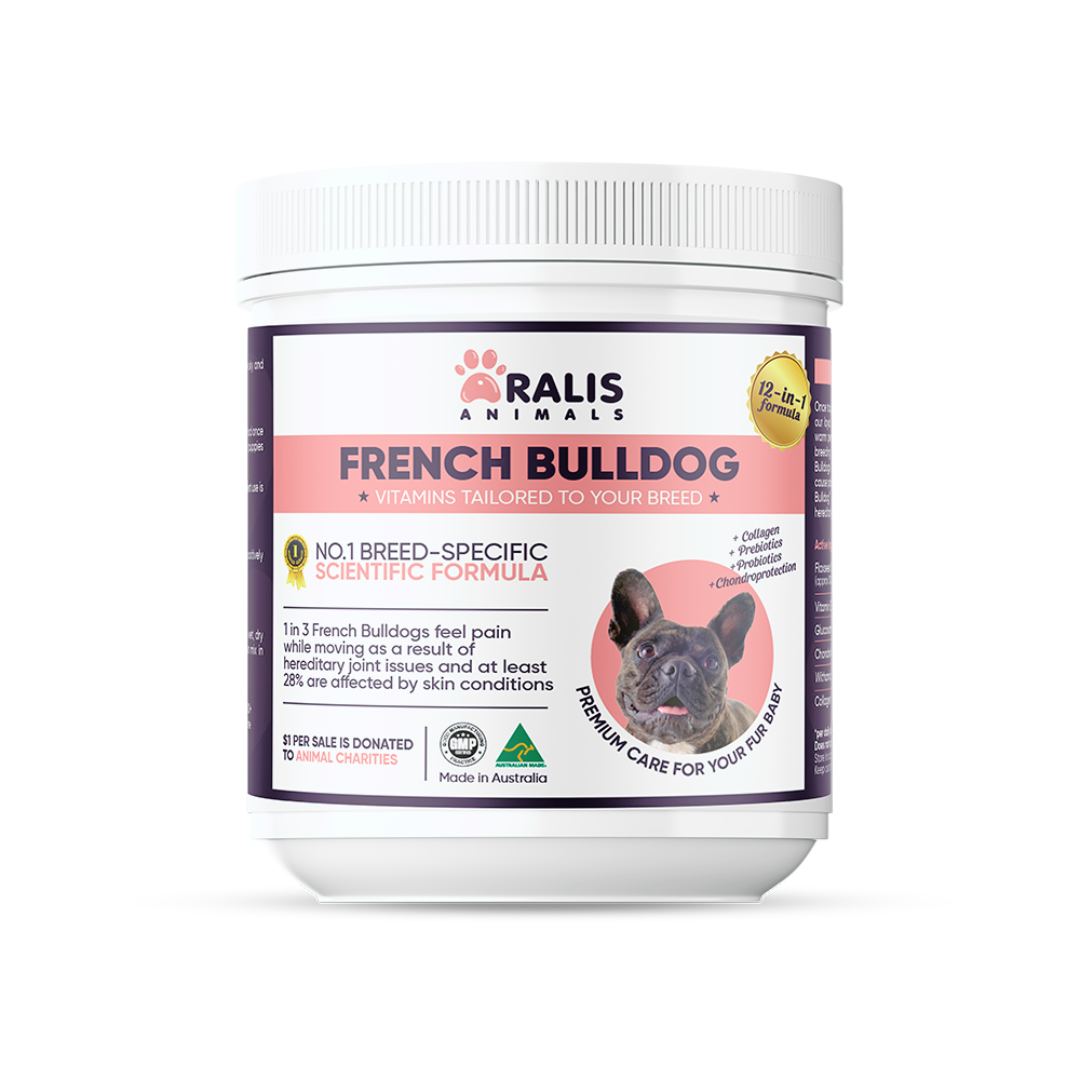
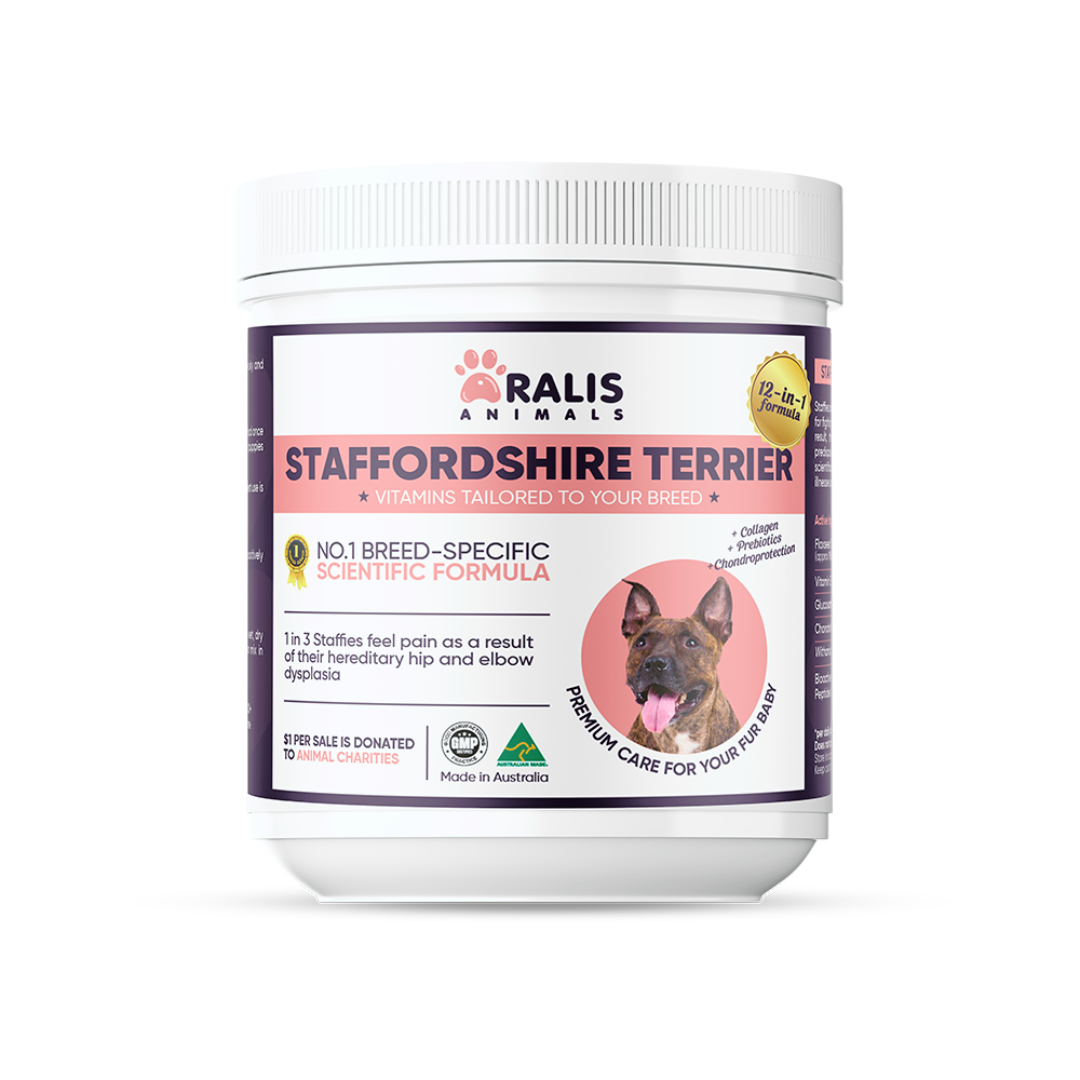
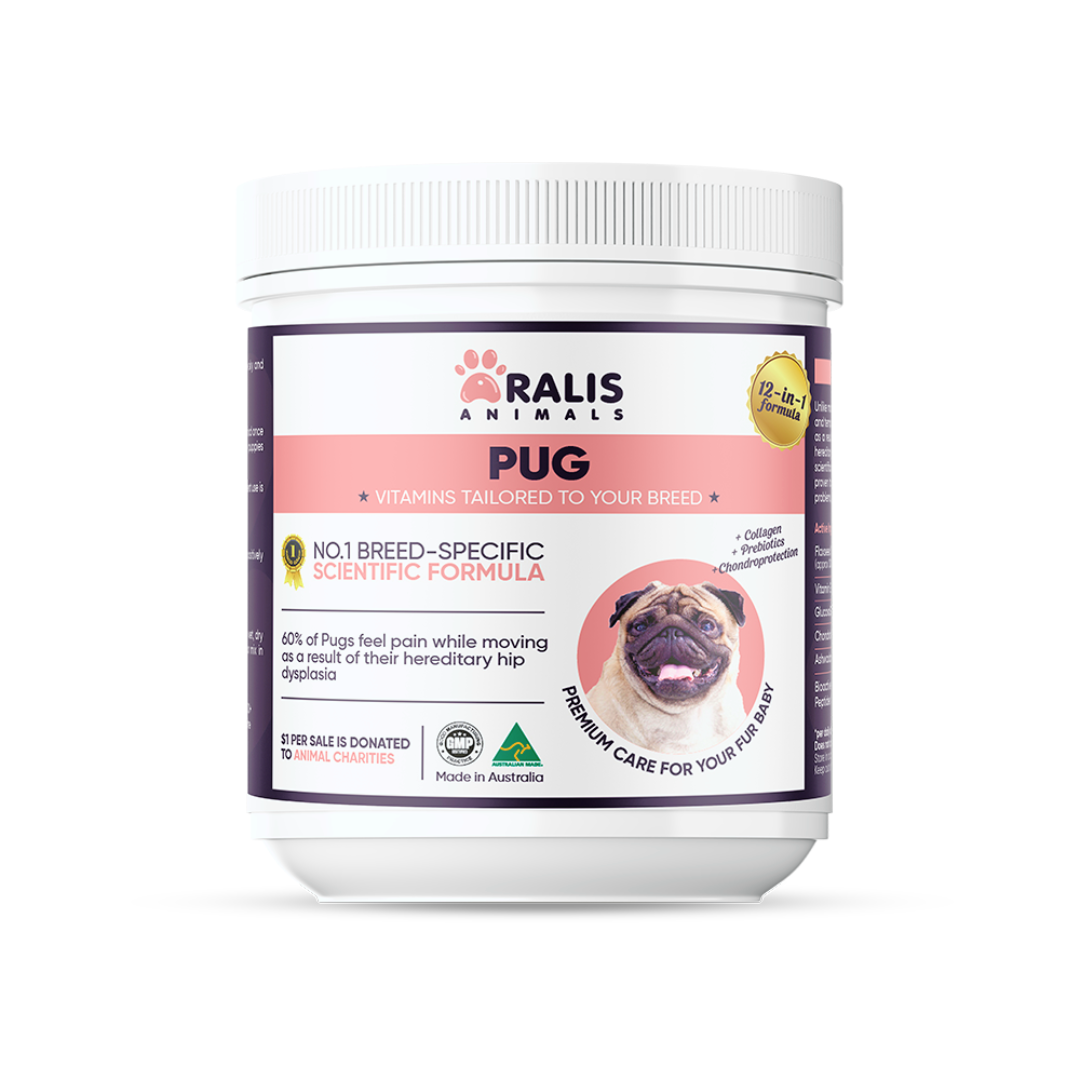
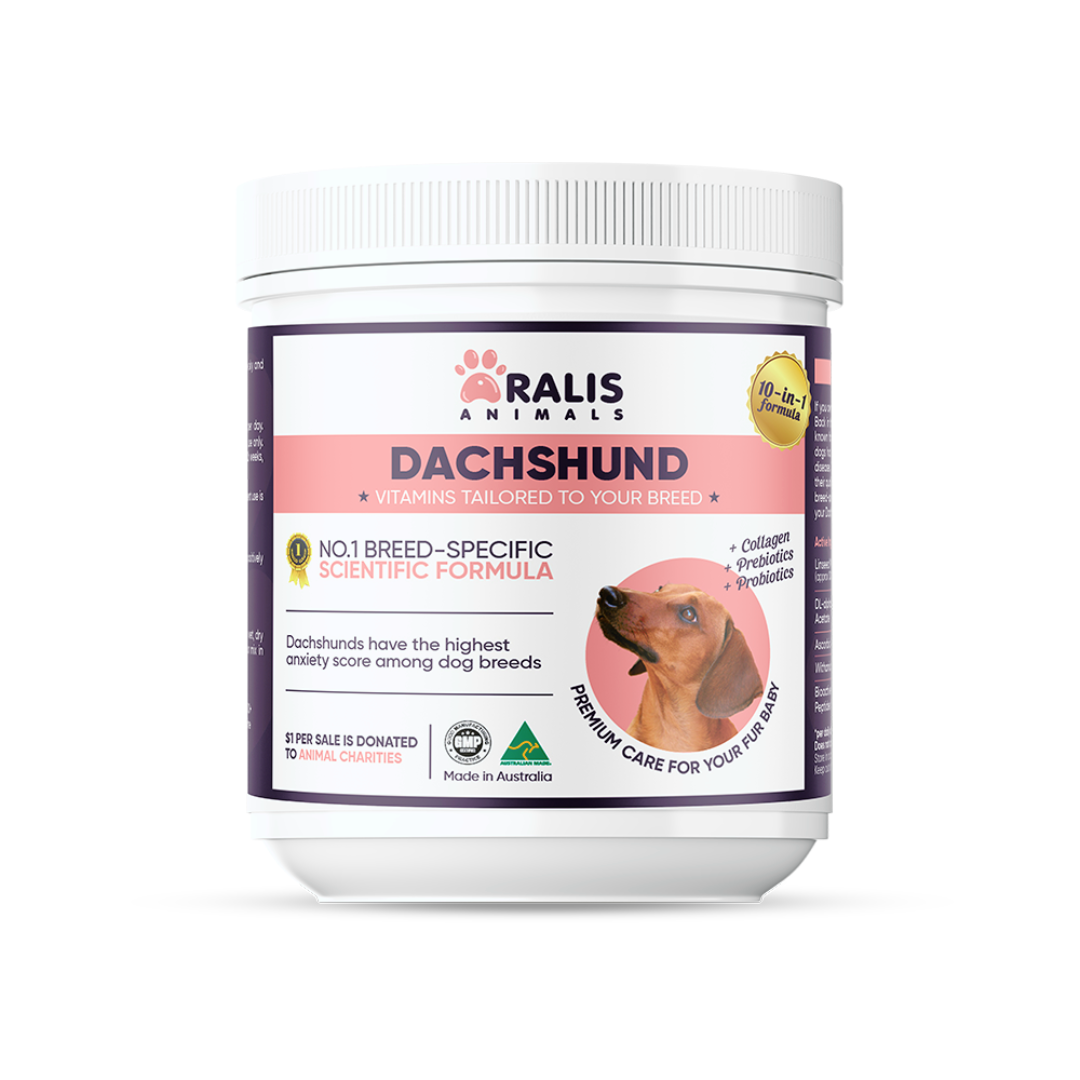
At Aralis Animals, we understand that every dog is unique, and their nutritional needs vary based on their breed, age, and individual health profile. Our breed-specific supplements are formulated to elevate your pet's health by providing targeted nutrition that addresses common health concerns, including skin issues.
Our supplements combine carefully selected ingredients known for their skin-supporting properties, including omega fatty acids, probiotics, and other beneficial compounds. By choosing Aralis Animals products, you're investing in your dog's long-term health and well-being. Our tailored solutions are designed to work with your dog's natural biology, supporting their body's ability to maintain healthy skin and coat.
Conclusion
Your dog's red or irritated skin doesn't have to be a permanent problem. By understanding the causes of dog itchy skin, dog itching and scratching, and other skin issues, you can take proactive steps to support your dog's health naturally. Whether your dog is experiencing dog itchy paws, dog licking paws excessively, or more serious skin allergies in dogs, a combination of breed-specific supplements, dietary improvements, proper grooming, and environmental management can make a significant difference.
Start by evaluating your dog's current routine and identifying areas for improvement. Consider incorporating breed-specific supplements from Aralis Animals to provide targeted nutritional support. Remember that consistency is key—natural approaches often take time to show results, but the long-term benefits are well worth the effort. Your dog deserves to live comfortably without the constant irritation and discomfort of skin problems. Curious what might help your pooch feel more comfortable? Click here to explore more about our formulas with probiotics for gut health, omega oils for skin repair, and ashwagandha for calming support.