

Is Your Dog Reacting to Grass? How to Manage Grass Allergies in Dogs Naturally

If you've noticed your furry friend constantly scratching, licking their paws, or displaying signs of discomfort after spending time outdoors, your dog might be experiencing grass allergies. Grass allergies in dogs are more common than many pet owners realize, and they can significantly impact your dog's quality of life. The good news is that there are numerous natural management strategies you can implement to help your beloved companion feel more comfortable. In this comprehensive guide, we'll explore everything you need to know about grass allergies in dogs and how to manage them effectively.
Understanding Grass Allergies in Dogs
Grass allergies in dogs occur when a dog's immune system overreacts to certain proteins found in grass. When a dog allergic to grass comes into contact with these allergens, their body triggers an inflammatory response, leading to various uncomfortable symptoms. It's important to understand that grass allergies are not contagious and are not a sign of poor pet care—they're simply a genetic predisposition that some dogs inherit.
What Causes Grass Allergies
The primary cause of grass allergies in dogs is exposure to grass pollen and proteins. Different types of grass contain different allergens, which is why some dogs may react to certain grasses more than others. Common culprits include timothy grass, bermuda grass, and various wild grasses. When your dog comes into contact with these allergens through their skin, paws, or by inhaling pollen, their immune system may perceive these harmless substances as threats and mount a defensive response.
How Dogs Develop Allergies to Grass
Dogs don't necessarily develop grass allergies overnight. Many dogs are born with a genetic predisposition to allergies, but the actual allergic response develops over time through repeated exposure. This is why you might notice that your dog was fine around grass for the first few years of life and then suddenly started showing signs of a dog allergic reaction to grass. The immune system gradually becomes sensitized to the allergens, and once sensitization occurs, even minimal exposure can trigger symptoms.
Seasonal vs. Year-Round Grass Allergies
Some dogs experience seasonal grass allergies that flare up during spring and summer when grass pollen is most prevalent. Others suffer from year-round grass allergies, particularly if they live in warmer climates where grass grows continuously. Understanding whether your dog has grass allergy symptoms that are seasonal or persistent will help you develop an appropriate management strategy.
Recognizing the Symptoms
Identifying that your dog has grass allergy symptoms is the first step toward managing the condition effectively. The signs of grass allergies in dogs can vary from mild to severe, and they often mimic other skin conditions.
Itching and Scratching Behavior
One of the most obvious signs of a dog allergic to grass is excessive itching and scratching. You might notice your dog scratching more frequently after outdoor play, particularly on their paws, belly, and face—areas that come into direct contact with grass. This dog itching and scratching can become so intense that it leads to secondary skin problems.
Red, Inflamed Paws
Dogs paws red and licking is a classic indicator of grass allergies. The paws are particularly susceptible because they're in constant contact with grass when your dog walks or plays outdoors. If you notice your dog's paws are redder than usual or if your dog is licking paws excessively, grass allergies might be the culprit.
Excessive Licking and Chewing
A dog licking paws constantly or chewing on their skin is often a sign of discomfort. This behavior can become obsessive and may lead to hair loss, open sores, and infections if left unaddressed. The licking and chewing are your dog's way of trying to relieve the itching sensation caused by the allergic reaction.
Skin Irritation Patterns
Dog itchy skin from grass allergies often appears in specific patterns. You might notice redness, rashes, or irritation primarily on the paws, belly, face, and ears—all areas that contact grass directly. Some dogs also develop secondary yeast infections due to the constant moisture from licking and the compromised skin barrier.
Why Dogs React to Grass
Understanding the underlying reasons why your dog reacts to grass can help you better manage the condition and make informed decisions about treatment options.
Allergens in Grass
Grass contains various proteins and pollen particles that can trigger allergic reactions in sensitive dogs. These allergens vary depending on the grass species, time of year, and environmental conditions. Some dogs may react to multiple types of grass, while others might only be sensitive to specific varieties.
Environmental Factors
Environmental conditions can exacerbate grass allergies in dogs. High pollen counts, humidity, and temperature fluctuations can all increase the severity of allergic reactions. Additionally, if your yard has been recently treated with pesticides or fertilizers, these chemicals can irritate your dog's skin and make grass allergies worse.
Breed Predisposition
Certain dog breeds are more prone to developing grass allergies than others. Breeds with sensitive skin, such as Bulldogs, Retrievers, Terriers, and Poodles, are more likely to experience dog allergic to grass symptoms. If your dog belongs to a breed known for skin sensitivities, you should be particularly vigilant about monitoring for signs of grass allergies.
Natural Management Solutions
Managing grass allergies in dogs naturally involves a multi-faceted approach that addresses both the symptoms and the underlying causes of the allergic reaction.
Grooming Practices to Reduce Exposure
Regular grooming is one of the most effective ways to manage grass allergies naturally. Bathing your dog after outdoor play can help remove grass pollen and allergens from their coat and skin. Use lukewarm water and a gentle, hypoallergenic dog shampoo to avoid further irritating sensitive skin. Additionally, wiping your dog's paws with a damp cloth when they come inside can significantly reduce the amount of grass allergens they're exposed to throughout the day.
Dietary Supplements for Skin Health
Nutrition plays a crucial role in managing grass allergies in dogs. Omega-3 and omega-6 fatty acids support skin health and can help reduce inflammation associated with allergic reactions. Probiotics can also be beneficial, as they support gut health and immune function. Breed-specific supplements formulated to address skin sensitivities can provide targeted support for dogs prone to grass allergies. These supplements often contain ingredients like fish oil, coconut oil, and antioxidants that work together to strengthen the skin barrier and reduce allergic responses.
Paw Care Routines
Since dogs paws red and licking is such a common symptom, implementing a dedicated paw care routine is essential. Keep your dog's paws clean and dry, trim the hair between the toes to reduce moisture retention, and consider using protective paw balms or waxes before outdoor activities. Some pet owners find that applying a protective barrier to the paws before grass exposure can significantly reduce allergic reactions.
Environmental Modifications
Making changes to your dog's environment can help minimize grass exposure. Consider creating a designated outdoor area with non-grass surfaces like mulch or gravel where your dog can play. If you have a lawn, try to keep grass trimmed short and consider using natural pest control methods instead of chemical treatments. During high pollen seasons, limit outdoor time during peak pollen hours, typically early morning and late evening.
When to See a Veterinarian
While natural management strategies can be highly effective, there are situations where professional veterinary care is necessary.
Persistent Symptoms
If your dog's symptoms don't improve with natural management strategies after several weeks, it's time to consult your veterinarian. Persistent dog itching and scratching might indicate a more serious condition or require professional intervention.
Secondary Infections
When dogs constantly lick and scratch, they can break the skin barrier, leading to bacterial or yeast infections. If you notice signs of infection, such as oozing, crusting, or a foul odor, seek veterinary care immediately.
Professional Diagnosis
A veterinarian can perform allergy testing to confirm that grass is indeed the culprit and rule out other potential causes of your dog's symptoms. This professional diagnosis can help you develop a more targeted management plan.
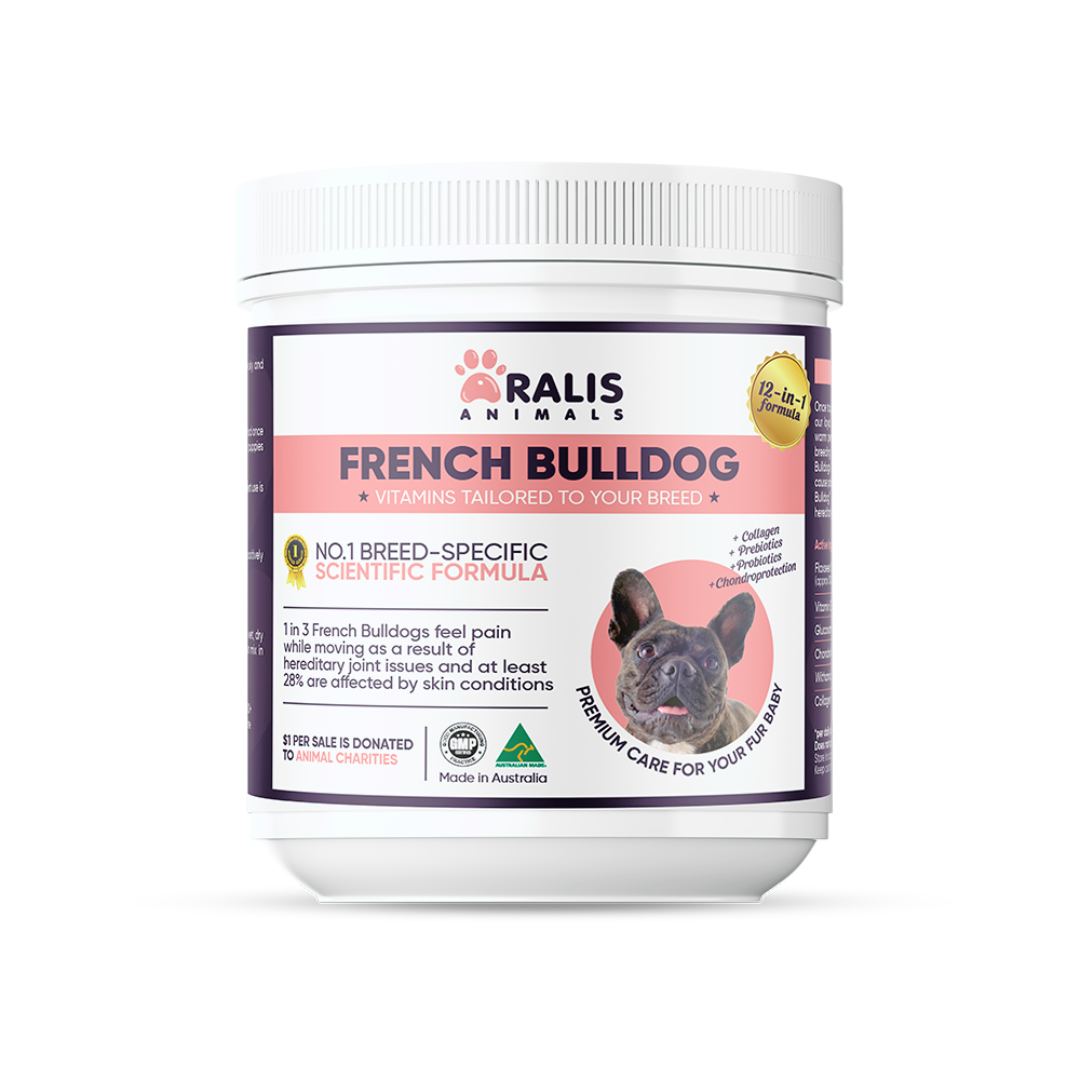
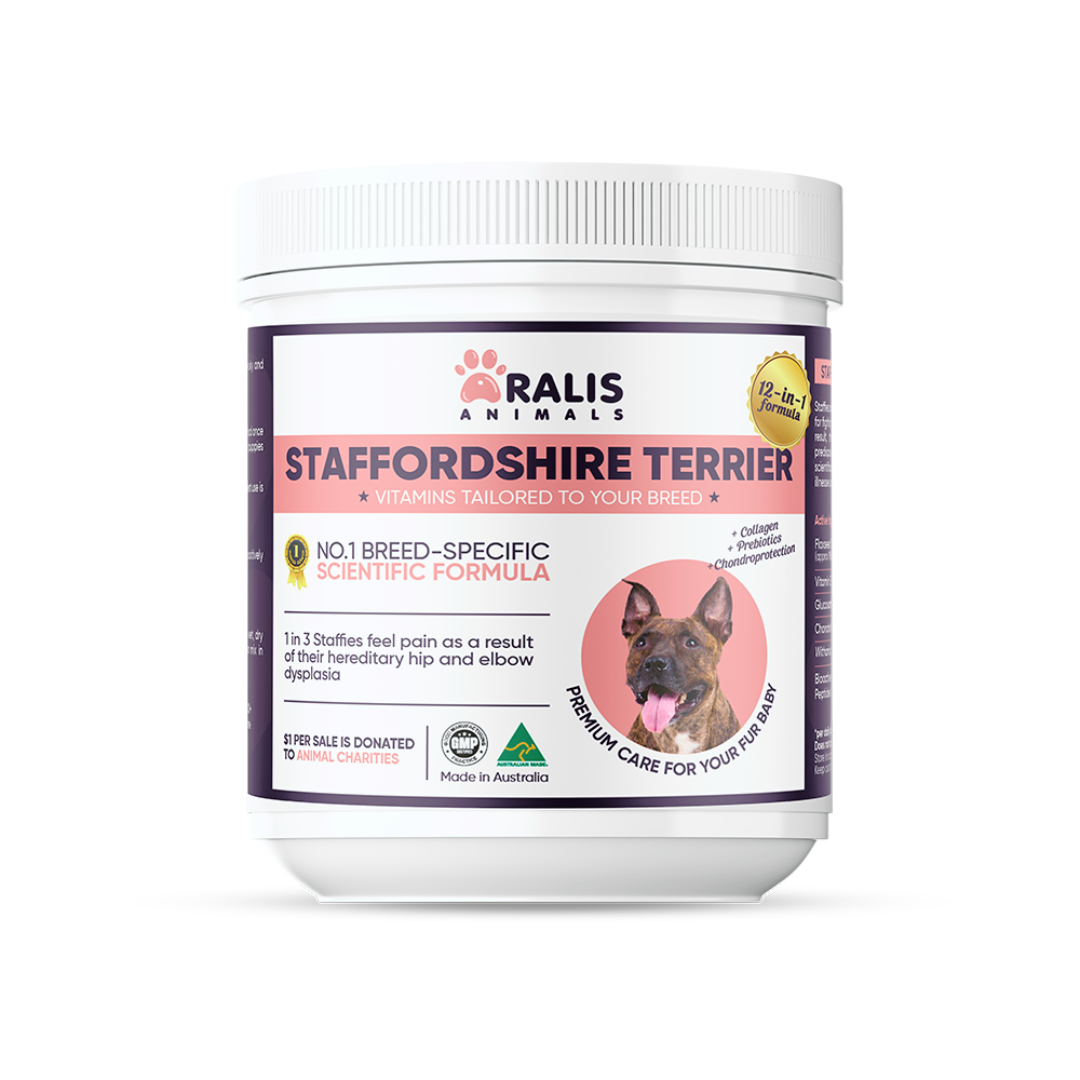
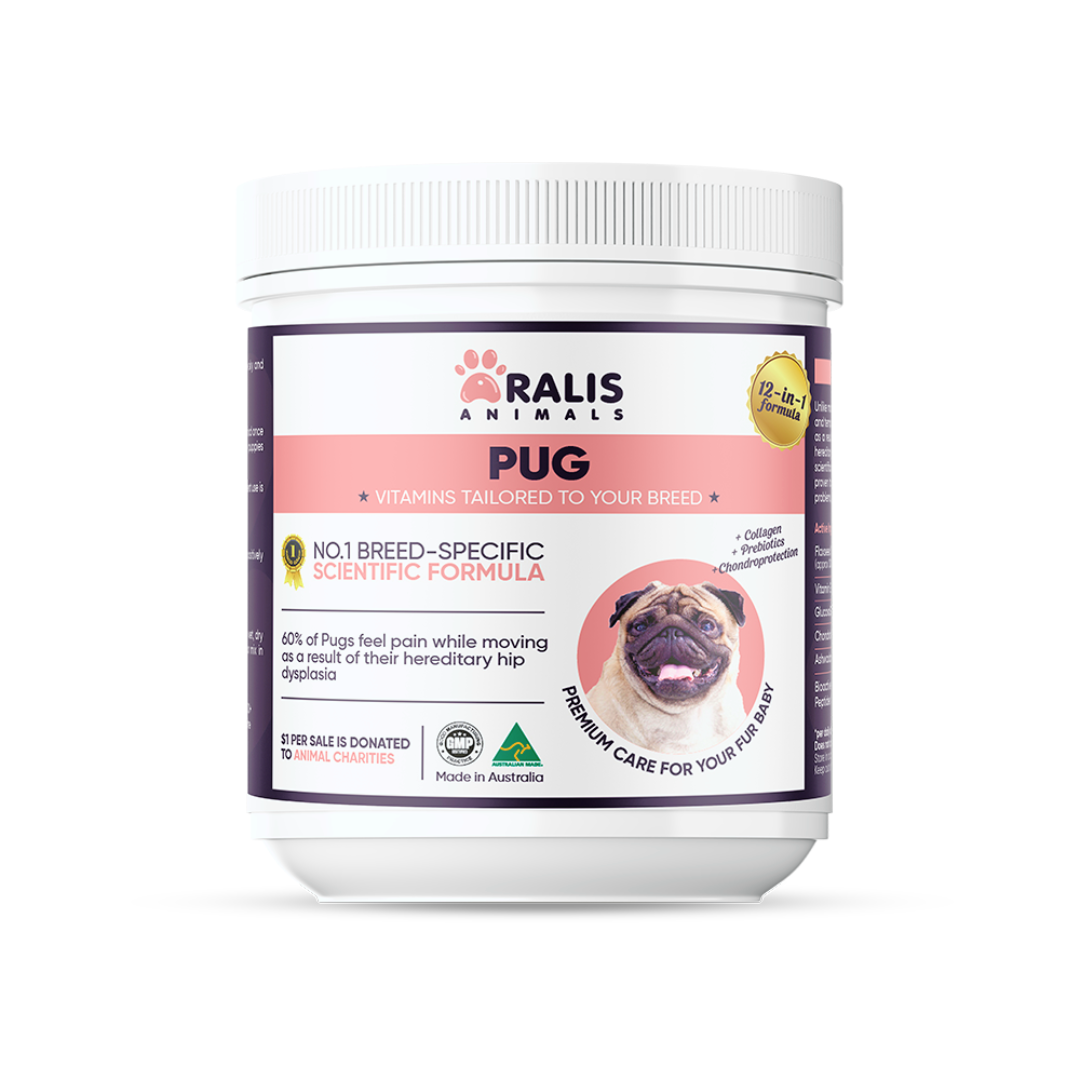
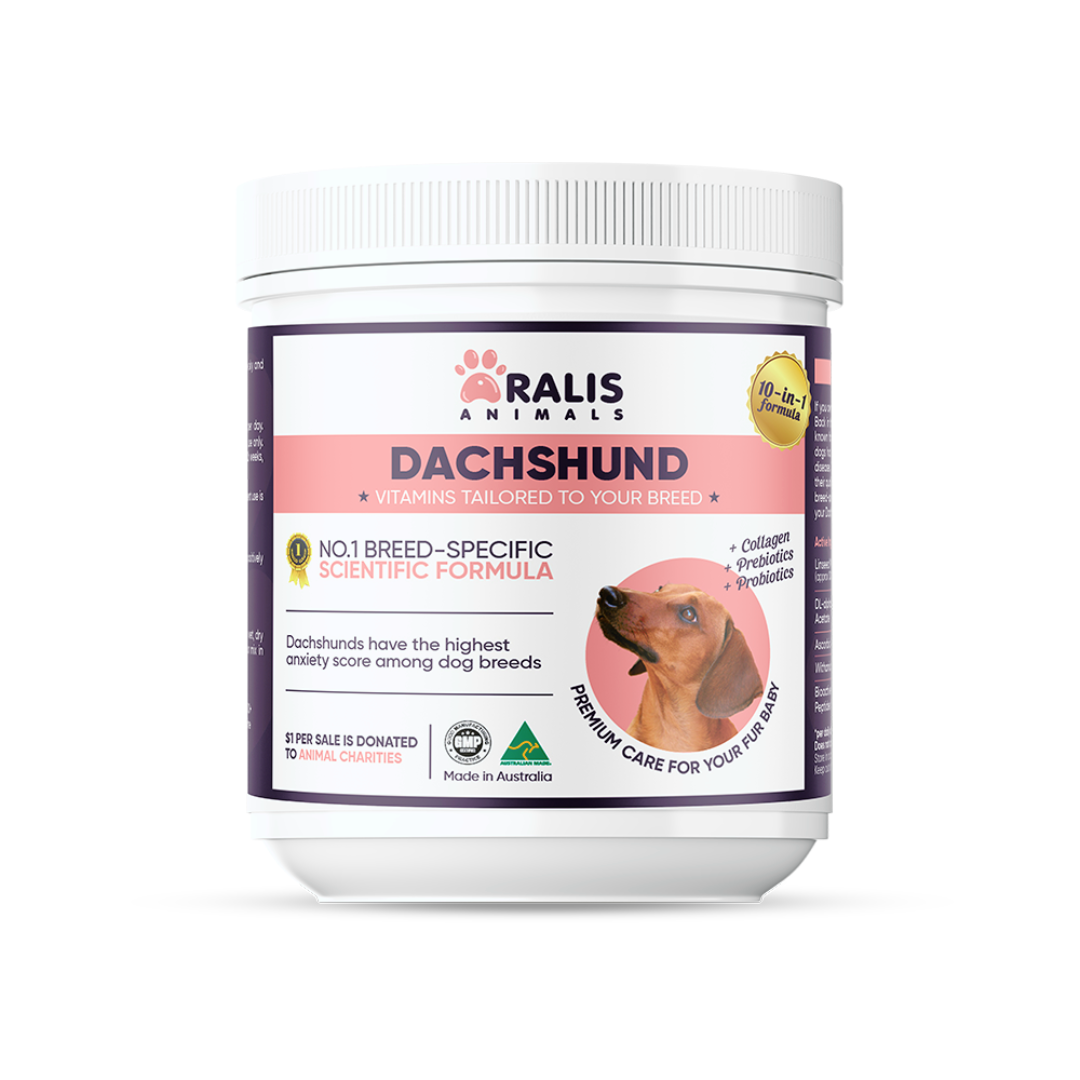
Aralis Animals Multivitamins
At Aralis Animals, we understand the challenges of managing grass allergies in dogs. Our breed-specific supplements are formulated to support skin health and reduce allergic responses naturally. We offer tailored solutions designed to work with your dog's unique physiology, helping to elevate your pet's health and comfort. Our supplements combine natural ingredients known to support skin barrier function and reduce inflammation, providing your beloved companion with the support they need to thrive despite grass allergies. Click here to learn more.
Conclusion
Grass allergies in dogs are a manageable condition when you understand the underlying causes and implement appropriate natural management strategies. By combining grooming practices, dietary supplements, paw care routines, and environmental modifications, you can significantly reduce your dog's discomfort and improve their quality of life. Remember that every dog is unique, and what works for one dog might need adjustment for another. If your dog's symptoms persist or worsen, don't hesitate to seek professional veterinary advice. With patience, consistency, and the right approach, you can help your furry friend enjoy outdoor time without the discomfort of grass allergies.