

How to Support Dogs with Allergies Using Gut Health and Daily Nutrition

Dog allergies are one of the most common health concerns pet owners face today. Whether your furry companion is scratching relentlessly, dealing with persistent skin issues, or experiencing digestive troubles, allergies can significantly impact their quality of life and your peace of mind. The good news is that there's a scientifically-backed approach to managing these symptoms: supporting your dog's gut health through proper nutrition and targeted supplementation.
The connection between gut health and allergies might not be immediately obvious, but research has shown that a healthy digestive system plays a crucial role in managing allergic responses. When your dog's gut is functioning optimally, it can better regulate immune responses and reduce the severity of allergy symptoms. This comprehensive guide will explore how you can support your dog's health through gut-focused nutrition and supplementation strategies.
Understanding Common Dog Allergies
Before diving into solutions, it's important to understand what we're dealing with. Dogs can suffer from various types of allergies, and recognizing them is the first step toward effective management.
Types of Dog Allergies
Dogs and allergies go hand in hand more often than many pet owners realize. The most common dog allergies fall into three main categories: food allergies, environmental allergies, and contact allergies. Food allergies occur when your dog's immune system reacts negatively to specific ingredients in their diet, often proteins like chicken, beef, or dairy. Environmental allergies, also known as atopy, develop when dogs react to airborne particles such as pollen, dust mites, or mold spores. Contact allergies are less common but can occur when a dog's skin reacts to substances like certain fabrics, cleaning products, or plants.
Recognizing Allergy Symptoms
Common dog allergies manifest in several ways that pet owners should watch for. The most obvious sign is dog itching and scratching, which can become obsessive and lead to secondary skin infections. You might notice your dog constantly licking their paws, rubbing their face on furniture, or scratching behind their ears. Skin allergies in dogs often present as redness, inflammation, or the development of hot spots. Other symptoms include ear infections, hair loss, excessive shedding, and sometimes gastrointestinal issues like diarrhea or vomiting.
The Gut-Allergy Connection
Understanding the relationship between gut health and allergies is fundamental to addressing the root cause rather than just treating symptoms.
How Gut Health Influences Immune Response
Your dog's gut is home to trillions of microorganisms that collectively form the microbiome. This complex ecosystem plays a vital role in regulating immune function. Approximately 70% of your dog's immune system is located in the gut, making it the body's largest immune organ. When the gut microbiome is balanced and healthy, it helps train the immune system to distinguish between harmful pathogens and harmless substances. A compromised gut, however, can lead to an overactive immune response, causing your dog's body to react to otherwise harmless substances as threats.
The Intestinal Barrier's Role
The intestinal lining acts as a barrier that controls what enters the bloodstream. When this barrier is compromised—a condition sometimes called "leaky gut"—undigested food particles and harmful substances can pass through, triggering immune responses and allergic reactions. A healthy gut lining maintains tight junctions that prevent unwanted substances from crossing while allowing beneficial nutrients to be absorbed. By supporting gut health, you're essentially strengthening this protective barrier and reducing the likelihood of allergic responses.
Probiotics for Dogs
Probiotics are live beneficial bacteria that can dramatically improve your dog's digestive health and reduce allergy symptoms.
Benefits of Probiotics for Allergy Relief
A dog probiotic for itchy skin works by restoring balance to the gut microbiome. When beneficial bacteria are abundant, they produce short-chain fatty acids and other compounds that strengthen the intestinal barrier and modulate immune responses. Studies have shown that dogs receiving quality probiotics experience reduced itching, less skin inflammation, and improved coat quality. Probiotics also help prevent the overgrowth of harmful bacteria that can exacerbate allergic reactions and cause secondary infections.
How Probiotics Reduce Itching and Skin Inflammation
The mechanism is elegant: probiotics enhance the production of anti-inflammatory compounds in the gut, which then circulate throughout the body. They also help regulate the production of immunoglobulin E (IgE), the antibody responsible for allergic reactions. By maintaining a healthy bacterial balance, probiotics reduce the overall inflammatory burden on your dog's system, leading to less itching, scratching, and skin irritation.
Choosing Quality Dog Probiotics
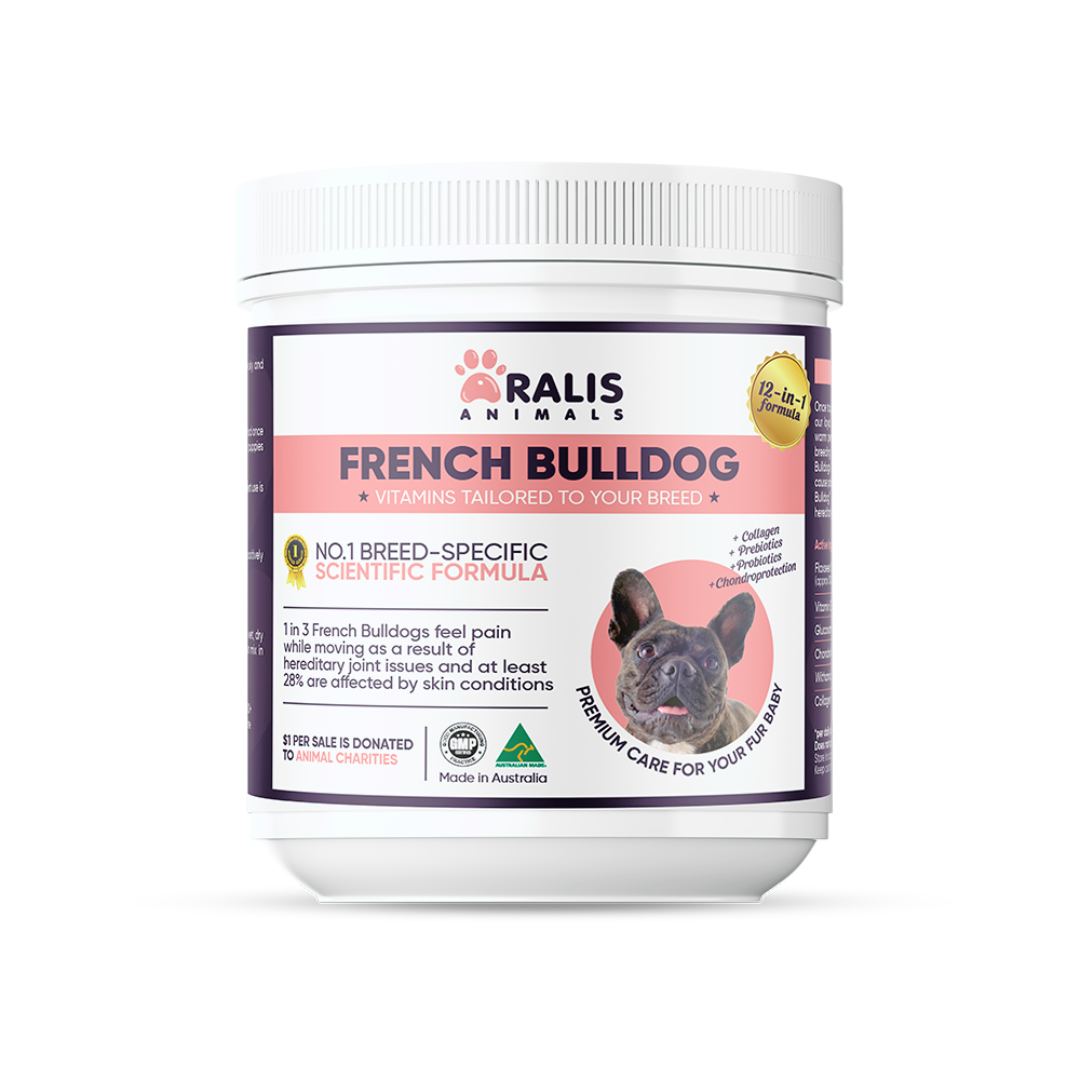
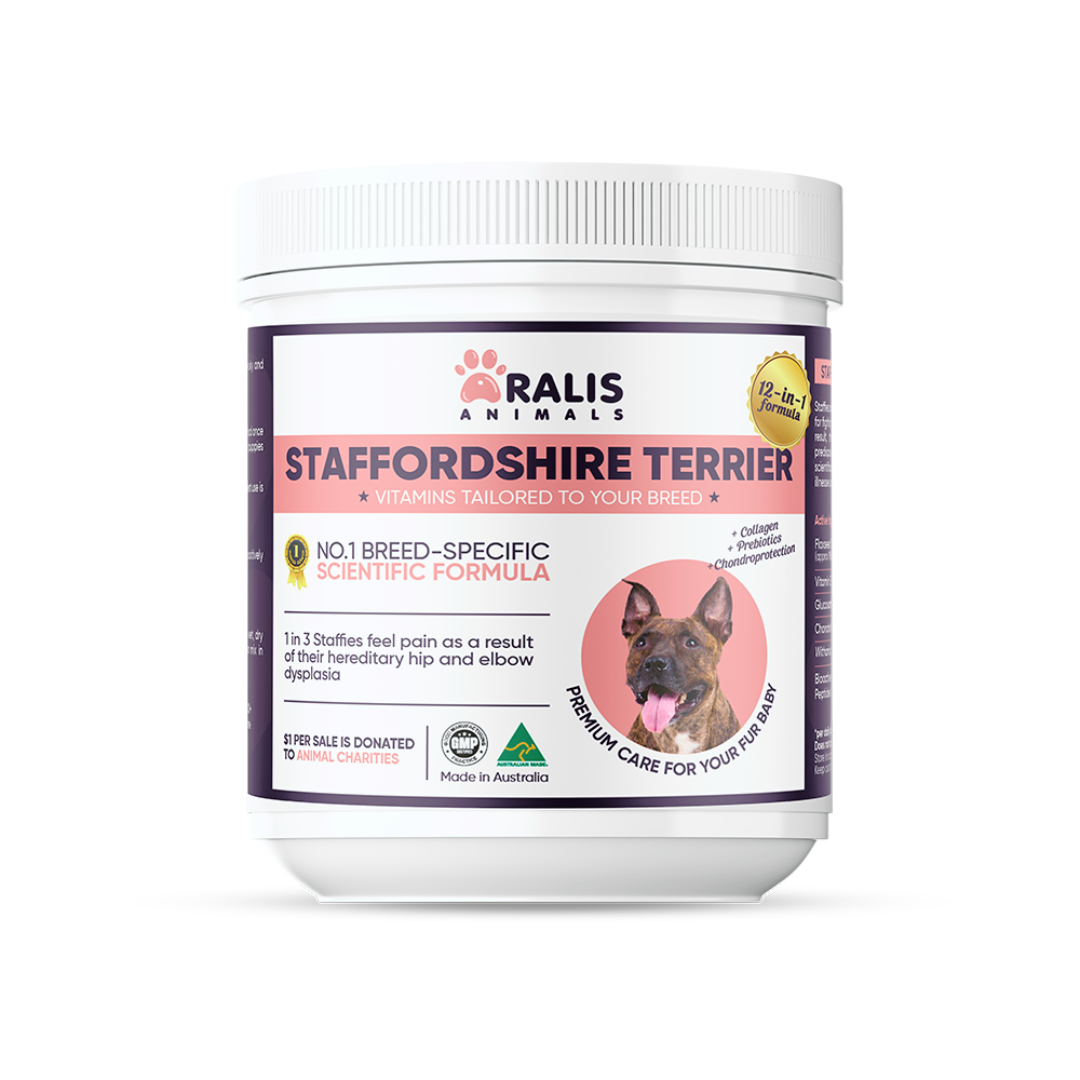
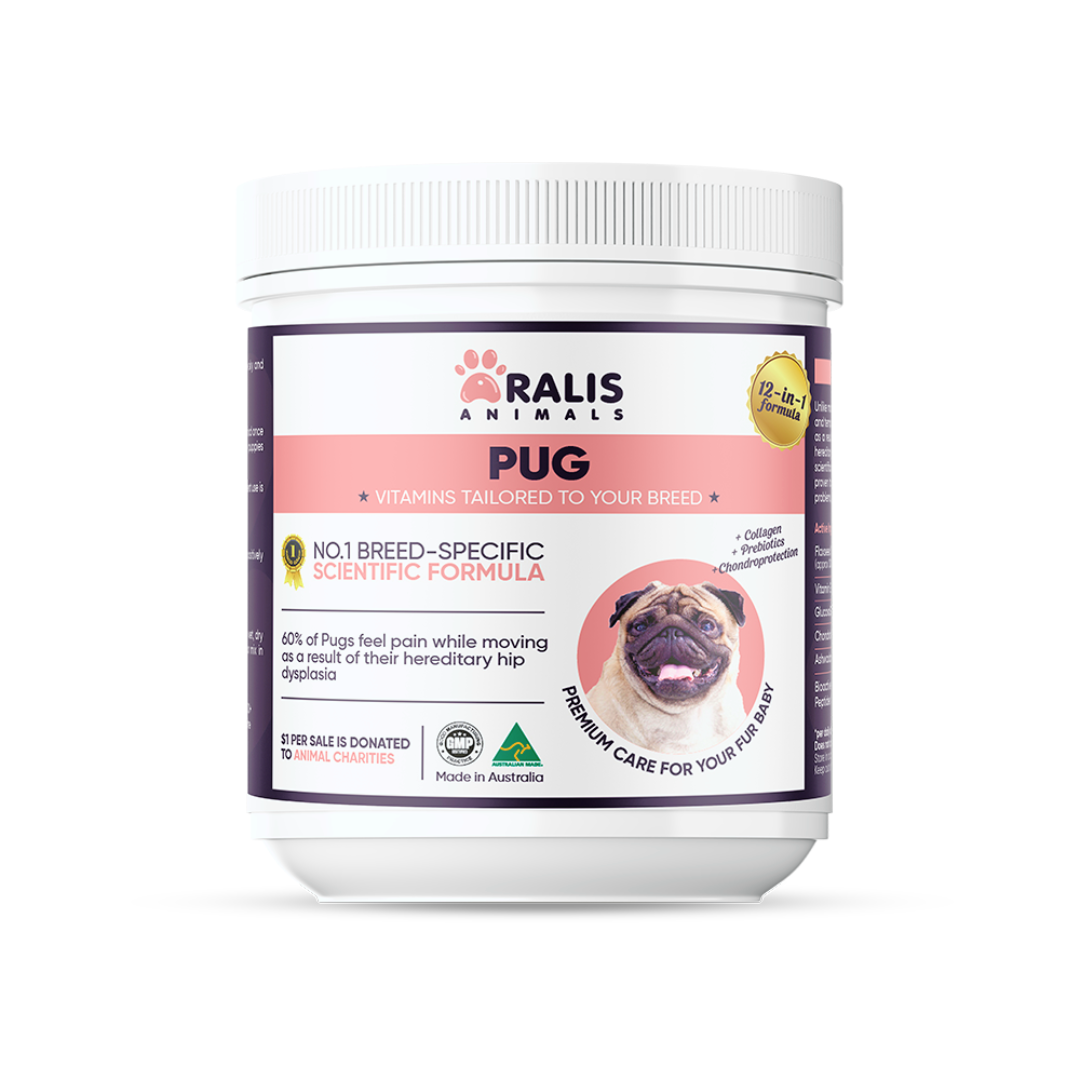
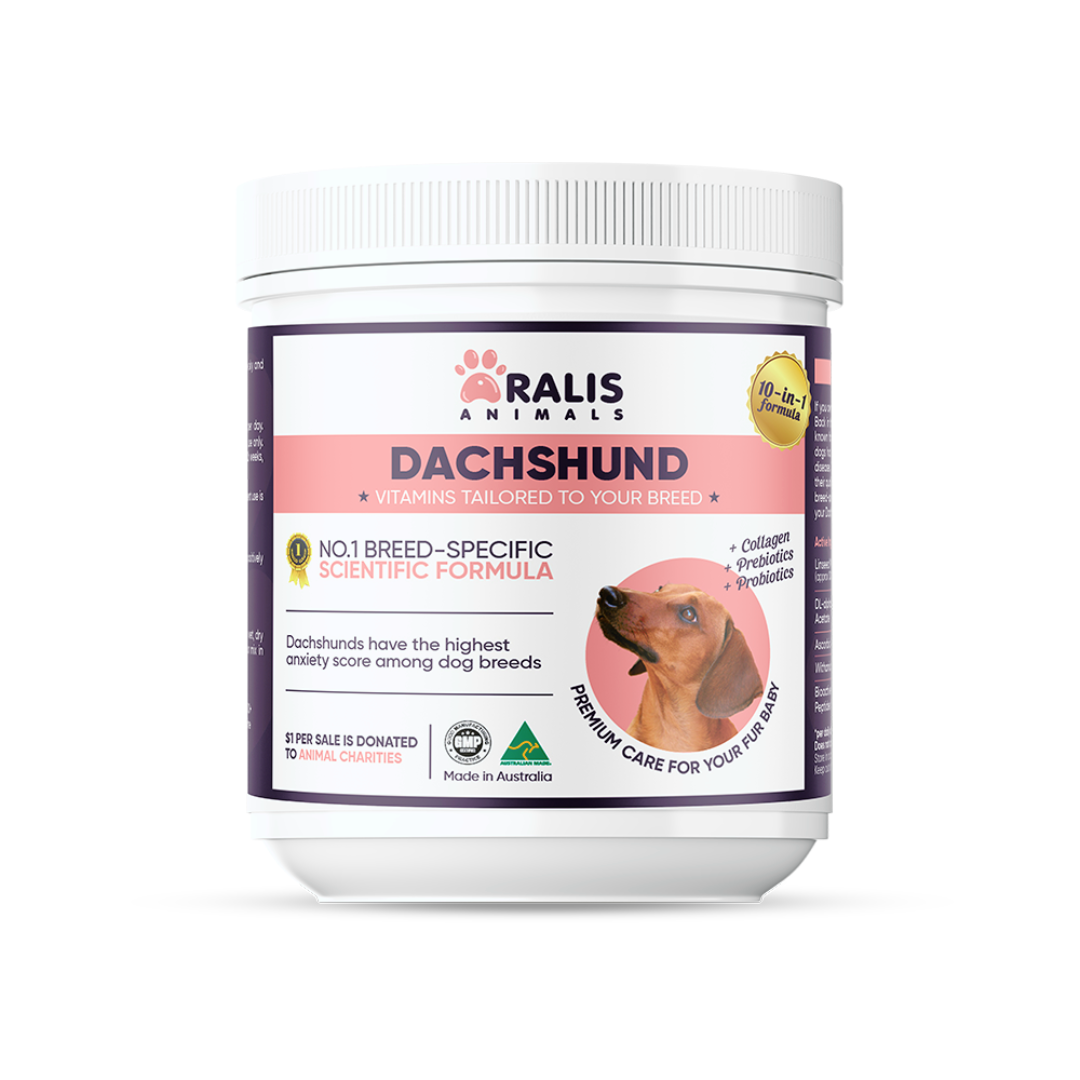
Not all probiotics are created equal. When selecting a probiotic supplement for your dog, look for products that contain multiple strains of beneficial bacteria, particularly Lactobacillus and Bifidobacterium species. The supplement should have a high colony-forming unit (CFU) count, typically ranging from 5 to 50 billion CFUs per serving. Additionally, choose products that are specifically formulated for dogs, as they're designed with canine digestive needs in mind. Aralis Animals offers breed-specific probiotic solutions that are tailored to support your individual dog's unique health requirements.
Prebiotics and Probiotics Combined
While probiotics introduce beneficial bacteria, prebiotics provide the food these bacteria need to thrive.
Synergistic Effects of Prebiotics and Probiotics for Dogs
Prebiotics and probiotics for dogs work together in a complementary relationship. Prebiotics are non-digestible food components, typically fiber-based, that selectively feed beneficial bacteria in the gut. When you combine prebiotics with probiotics, you create an optimal environment for beneficial bacteria to flourish and multiply. This synergistic approach is more effective than using either component alone. The combination helps establish a more stable and diverse microbiome, leading to better immune regulation and more significant allergy symptom relief.
Supporting Beneficial Gut Bacteria
Common prebiotic sources include inulin, chicory root, and fructooligosaccharides (FOS). These ingredients pass through the small intestine undigested and reach the colon, where they serve as food for beneficial bacteria. By incorporating both prebiotics and probiotics into your dog's daily routine, you're creating a self-sustaining ecosystem that continues to support gut health long-term.
Daily Nutrition for Allergy Support
Beyond supplements, the foundation of allergy management is proper nutrition.
Essential Nutrients for Immune and Skin Health
A high-quality diet rich in omega-3 and omega-6 fatty acids is essential for maintaining healthy skin and reducing inflammation. These fatty acids support the skin barrier and have natural anti-inflammatory properties. Protein quality is equally important—your dog needs adequate amino acids to repair skin tissue and produce immune cells. Antioxidants like vitamins E and C help combat oxidative stress associated with allergic reactions. Zinc is particularly important for skin health and immune function, while B vitamins support digestive health and nutrient absorption.
Breed-Specific Supplement Considerations
Different dog breeds may have predispositions to specific allergies and nutritional needs. Larger breeds might require different nutrient ratios than smaller breeds, and some breeds are genetically prone to certain allergies. This is why breed-specific supplements are so valuable—they're formulated to address the particular health challenges your dog is likely to face based on their genetics and size. If you’re looking for a simple way to support your pooch from the inside out, targeted supplementation can make a real difference especially when allergies are linked to gut imbalance. Formulas that combine probiotics and prebiotics help restore gut balance and regulate immune responses, while omega fatty acids support the skin barrier and reduce inflammation. Added calming adaptogens like ashwagandha can also help ease stress-related flare-ups that worsen itching. You can click here to explore more about our breed-specific support and find what may suit your pooch best.
Gut Health Supplements
Beyond probiotics, several other supplements can significantly support your dog's digestive health.
Key Supplements for Canine Digestive Health
L-glutamine is an amino acid that helps repair the intestinal lining and reduce intestinal permeability. Bone broth provides collagen and gelatin that support gut health and joint function. Slippery elm bark soothes the digestive tract, while marshmallow root has similar soothing properties. Digestive enzymes can help your dog break down food more efficiently, reducing the likelihood of undigested particles triggering immune responses. These supplements work synergistically with probiotics to create a comprehensive approach to gut health.
Integration into Daily Routine
The key to success is consistency. Introduce supplements gradually, starting with small amounts and increasing to the recommended dose over a week or two. This allows your dog's system to adjust and helps you monitor for any reactions. Mix supplements into your dog's regular food, or use them as training treats. Keep track of improvements in itching, scratching, and overall skin condition to monitor effectiveness.
Practical Implementation Tips
Making these changes successfully requires a thoughtful approach.
How to Introduce Supplements Safely
Always consult with your veterinarian before starting any new supplement regimen, especially if your dog is on medication. Start with one supplement at a time so you can identify which ones are most beneficial for your individual dog. Give each supplement at least two to four weeks before assessing its effectiveness. Keep detailed notes about your dog's symptoms, diet changes, and supplement introduction dates.
Monitoring Improvement and Results
Most dogs show noticeable improvement within four to eight weeks of consistent supplementation, though some may take longer. Look for reduced scratching, less redness and inflammation, improved coat quality, and better energy levels. If you don't see improvement after eight weeks, discuss alternative approaches with your veterinarian. Remember that managing dog allergies is often a process of finding the right combination of nutrition and supplements for your individual dog.
Conclusion
Supporting dogs with allergies through gut health and daily nutrition is a holistic approach that addresses the root causes rather than just masking symptoms. By understanding the connection between gut health and allergic responses, implementing quality probiotics and prebiotics, and providing breed-specific nutritional support, you can significantly improve your dog's quality of life.
The journey to managing your dog's allergies doesn't have to be complicated. Start by evaluating your dog's current diet and introducing a quality probiotic supplement. Monitor the results and adjust as needed. At Aralis Animals, we understand that every dog is unique, which is why we offer tailored supplement solutions designed specifically for your beloved companion's breed and health needs. Elevate your pet's health today by taking the first step toward better gut health and allergy management.