

Heat Rash or Allergies? Common Skin Problems in French Bulldogs Explained

French bulldogs are beloved companions known for their charming personalities and distinctive appearance. However, these adorable dogs are particularly susceptible to various skin problems that can cause discomfort and distress. Whether it's heat rash on dogs, french bulldog allergies, or other french bulldog skin conditions, understanding these issues is crucial for any frenchie owner. In this comprehensive guide, we'll explore the most common skin problems affecting French bulldogs, help you distinguish between heat rash and allergies, and provide practical solutions to keep your furry friend healthy and comfortable.
Understanding French Bulldog Skin Conditions
French bulldogs have unique skin characteristics that make them more prone to certain health issues compared to other breeds. Their wrinkled skin, compact body structure, and sensitivity to temperature changes create an environment where skin problems can develop more easily. Understanding these breed-specific traits is the first step toward effective prevention and treatment.
The Unique Skin Characteristics of French Bulldogs
French bulldogs possess several physical characteristics that contribute to their susceptibility to frenchie skin issues. Their wrinkled face and body folds create warm, moist environments where bacteria and yeast can thrive. Additionally, their short coat provides less protection against environmental irritants and temperature fluctuations. These breed-specific factors mean that French bulldog health issues related to skin are more common than in many other dog breeds.
The breed's compact body structure also limits their ability to regulate body temperature effectively, making them particularly vulnerable to heat-related skin problems. Their flat faces and respiratory characteristics mean they struggle more in hot weather, which can lead to excessive sweating and subsequent heat rash on dogs.
Why Breed-Specific Care Matters
Recognizing that French bulldogs have unique needs is essential for responsible pet ownership. Generic dog care advice often doesn't address the specific challenges that frenchies face. By understanding common problems with french bulldogs, you can implement preventative measures and catch issues early before they become serious. This is where breed-specific supplements and tailored care solutions become invaluable.
Heat Rash on Dogs: Signs and Causes
Heat rash is one of the most common skin conditions affecting French bulldogs, especially during warmer months. Understanding what causes it and how to recognize the symptoms can help you protect your pet from unnecessary suffering.
What is Heat Rash in Dogs?
Heat rash, also known as prickly heat, occurs when a dog's sweat glands become blocked or irritated due to excessive heat and moisture. Unlike humans, dogs don't sweat through their entire body, but they do have sweat glands on their paws and nose. However, the primary cause of heat rash in dogs is the combination of heat, humidity, and friction in skin folds.
For French bulldogs, heat rash typically develops in their facial wrinkles, between their toes, and in other areas where skin folds create warm, moist environments. This creates ideal conditions for skin irritation and secondary bacterial or yeast infections.
Recognizing Heat Rash Symptoms
Dog skin allergy symptoms and heat rash symptoms can sometimes overlap, but there are distinct patterns to watch for. Common signs of heat rash include redness in skin folds, a distinctive rash appearance, and mild to moderate itching. Your frenchie might show signs of dog itching and scratching, particularly in areas where skin folds are most prominent.
You may notice your French bulldog licking or chewing at affected areas, which can lead to secondary infections if not addressed promptly. The rash typically appears as small red bumps or patches and may have a slightly raised appearance. Unlike allergies, heat rash usually appears suddenly during hot weather and improves when temperatures cool down.
Environmental and Breed Factors
Several factors increase the risk of heat rash in French bulldogs. High temperatures and humidity are obvious culprits, but other factors include poor air circulation, excessive exercise in hot weather, and inadequate grooming. French bulldogs' inability to cool themselves efficiently through panting makes them particularly vulnerable during summer months.
Additionally, obesity can exacerbate heat rash problems, as excess weight increases body temperature and creates more pronounced skin folds. Regular grooming and keeping your frenchie at a healthy weight are important preventative measures.
Prevention Tips for Heat Rash
Preventing heat rash is far easier than treating it. Keep your French bulldog in air-conditioned environments during hot weather, and avoid strenuous exercise during peak heat hours. Ensure your dog has access to fresh water at all times and consider using cooling mats or vests during particularly hot days.
Regular grooming and keeping skin folds clean and dry is essential. Gently wipe between wrinkles with a soft, dry cloth, and consider using specialized wipes designed for dog skin care. Avoid bathing your frenchie too frequently, as this can strip natural oils from their skin.
French Bulldog Allergies: Types and Symptoms
While heat rash is environmental, french bulldog allergies represent a different category of french bulldog skin issues that can persist year-round. Understanding the types of allergies your frenchie might develop is crucial for proper management.
Food Allergies vs. Environmental Allergies
French bulldogs can develop two primary types of allergies: food allergies and environmental allergies. Food allergies result from an immune response to specific ingredients in their diet, commonly including chicken, beef, wheat, or dairy. Environmental allergies, also called atopic dermatitis, develop from exposure to allergens like pollen, dust mites, or mold.
Food allergies typically cause dog itching and scratching that appears year-round and may be accompanied by digestive issues. Environmental allergies often follow seasonal patterns, though they can occur throughout the year depending on the specific allergen.
Identifying Dog Skin Allergies
Dog skin allergy symptoms in French bulldogs include persistent itching, redness, hair loss, and skin infections. Your frenchie might develop hot spots—areas of inflamed, infected skin resulting from excessive licking and scratching. Some dogs develop ear infections as part of their allergic response, as the ear canal shares similar skin characteristics to other affected areas.
Chronic dog irritated skin that doesn't improve with standard treatments often indicates an underlying allergy. You might notice your French bulldog's symptoms worsening during specific seasons or after eating certain foods, which can help identify the allergen.
Impact on Quality of Life
Untreated french bulldog allergies can significantly impact your pet's quality of life. Constant itching and discomfort can lead to behavioral changes, sleep disruption, and secondary infections. The stress of dealing with chronic skin conditions can also affect your dog's overall health and happiness.
Heat Rash vs. Allergies: How to Tell the Difference
Distinguishing between heat rash and allergies is essential for proper treatment. While both conditions cause dog irritated skin and itching, their underlying causes and treatment approaches differ significantly.
Key Distinguishing Factors
Heat rash typically appears suddenly during hot weather and improves when temperatures cool. It's usually localized to skin folds and areas prone to moisture accumulation. Allergies, conversely, develop gradually and persist regardless of weather conditions. Allergic reactions often affect multiple areas of the body and may include other symptoms like ear infections or digestive issues.
The pattern of symptoms can also help differentiate between the two. Heat rash usually causes mild to moderate itching that correlates directly with temperature, while allergies often cause intense, persistent itching that doesn't follow weather patterns.
When to Seek Veterinary Help
If your French bulldog's skin issues don't improve within a few days of implementing heat management strategies, or if symptoms persist year-round, consult your veterinarian. Professional diagnosis is particularly important if you notice signs of infection, such as oozing, crusting, or a foul odor.
Your vet can perform skin scrapings, fungal cultures, or allergy testing to determine the exact cause of your frenchie's skin problems. This professional assessment ensures you implement the correct treatment strategy.
Treatment and Management Solutions
Once you've identified whether your French bulldog is dealing with heat rash or allergies, appropriate treatment can begin. Both conditions benefit from a multi-faceted approach combining veterinary care, home management, and preventative measures.
Veterinary Treatment Options
Your veterinarian might recommend topical treatments such as medicated shampoos or creams for heat rash. For allergies, treatment options include antihistamines, corticosteroids, or immunotherapy depending on the severity and type of allergy. In some cases, antibiotics may be necessary if secondary bacterial infections have developed.
Home Care and Prevention Strategies
Beyond veterinary treatment, home care plays a crucial role in managing french bulldog skin conditions. Regular bathing with gentle, hypoallergenic shampoos helps maintain skin health. Keeping your frenchie's environment clean and free from allergens reduces exposure to potential triggers.
Maintaining a healthy diet and appropriate weight supports overall skin health. Omega-3 and omega-6 fatty acids are particularly beneficial for dogs with skin issues, as they help reduce inflammation and support skin barrier function.
Breed-Specific Supplement Solutions
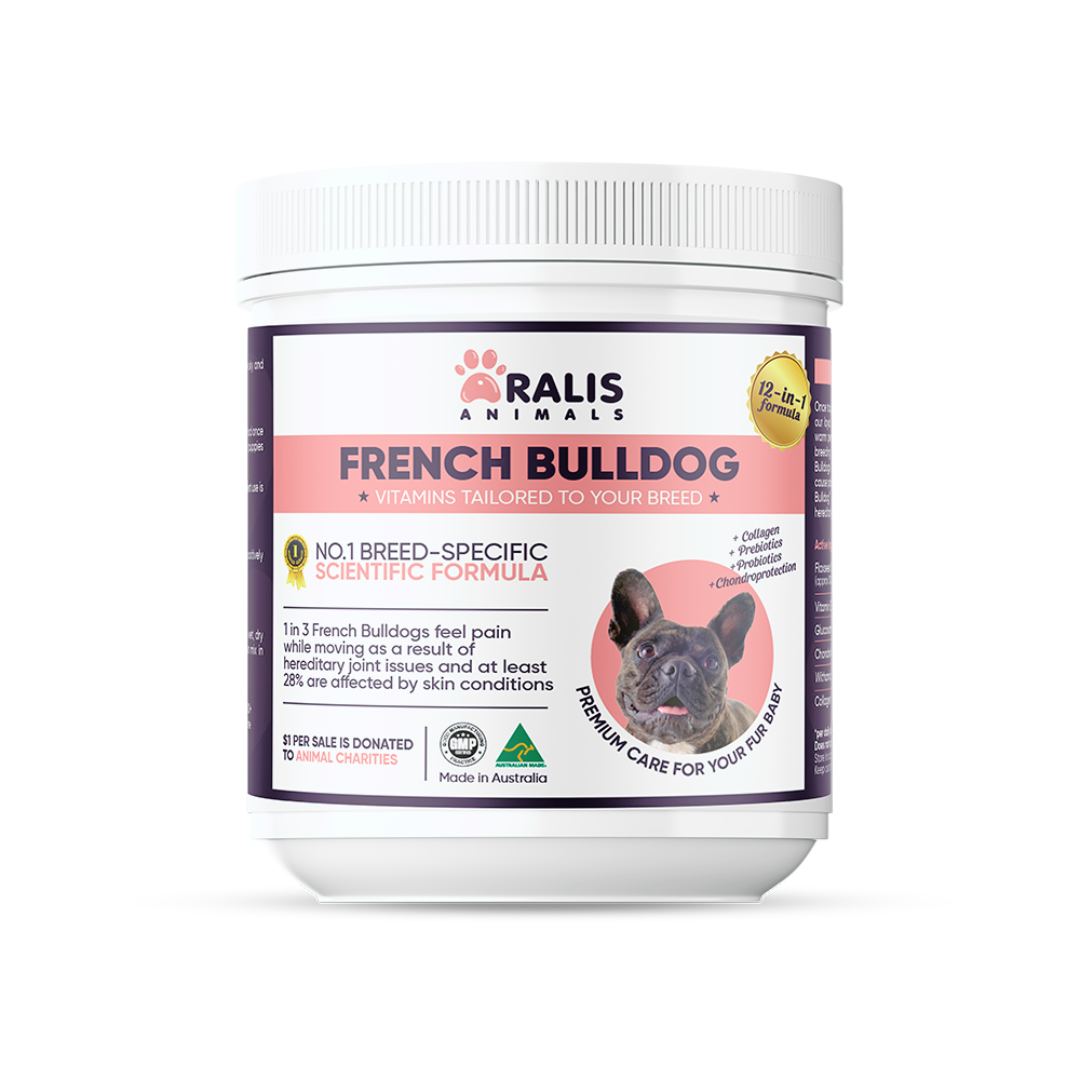
Breed-specific supplements designed for French bulldogs can provide targeted support for skin health. These supplements often contain ingredients specifically chosen to address common frenchie skin issues, including probiotics for gut health, omega fatty acids for skin barrier support, and antioxidants for inflammation reduction.
Quality supplements from reputable sources like Aralis Animals offer tailored solutions that address the unique needs of French bulldogs. These products are formulated with breed-specific considerations and can complement veterinary treatment effectively. Discover daily support for sensitive Frenchies here.
When to Consult a Vet
Don't hesitate to consult your veterinarian if you're unsure about your French bulldog's skin condition or if home management isn't providing relief. Professional guidance ensures your frenchie receives appropriate care and prevents complications from developing.
Conclusion
French bulldog skin issues, whether heat rash or allergies, are common challenges that require understanding and proactive management. By recognizing the signs of different skin conditions, implementing preventative measures, and seeking professional help when needed, you can keep your beloved frenchie comfortable and healthy.
Early detection and appropriate treatment make a significant difference in your dog's quality of life. Whether you're dealing with seasonal heat rash or year-round allergies, remember that solutions are available. Consider exploring breed-specific supplements from Aralis Animals, which offer tailored solutions designed specifically for French bulldogs' unique health needs. Your frenchie deserves the best care possible, and with the right approach, you can help them enjoy a happy, itch-free life.