

From Itchy Skin to Upset Tummies: Understanding Allergic Reactions in Staffies

As proud owners of Staffordshire Bull Terriers, affectionately known as Staffies, we know that these loyal and affectionate companions can sometimes face unique health challenges. One of the most common issues that Staffy owners often encounter is the dreaded allergic reaction. Whether it's a sudden bout of itchy skin, persistent ear infections, or even digestive troubles, understanding the underlying causes and effective management strategies is crucial for keeping our beloved Staffies happy and healthy.
Types of Allergies in Staffies
Staffies, like many other dog breeds, can be susceptible to a variety of allergic reactions. These can be broadly categorized into four main types:
Environmental Allergies
Staffies can develop sensitivities to various environmental factors, such as pollen, dust mites, or even certain types of grass. These allergens can trigger skin irritation, respiratory issues, and even gastrointestinal problems.
Food Allergies
Some Staffies may have adverse reactions to specific ingredients in their diet, such as proteins, grains, or even certain preservatives. These food-related allergies can manifest as skin rashes, digestive upset, or even behavioral changes.
Seasonal Allergies
Just like humans, Staffies can experience seasonal allergies, with symptoms often flaring up during certain times of the year when pollen counts are high or when the weather changes.
Contact Allergies
Staffies can also develop allergic reactions to certain materials or substances they come into direct contact with, such as certain fabrics, cleaning products, or even some types of bedding.
Common Symptoms of Allergic Reactions
Identifying the signs of an allergic reaction in your Staffy is the first step towards effective management. Some of the most common symptoms include:
- Itchy skin: Staffies with allergies often exhibit excessive scratching, licking, or chewing at their skin, leading to irritation and potential skin infections.
- Redness and inflammation: Allergic reactions can cause redness, swelling, and even hot spots on the skin.
- Ear infections: Staffies with environmental or food allergies may develop recurring ear infections, leading to discomfort and potential hearing issues.
- Digestive issues: Allergies can also trigger gastrointestinal problems, such as vomiting, diarrhea, or even changes in appetite.
Identifying Triggers
Determining the underlying cause of your Staffy's allergic reactions is crucial for effective management. Potential triggers can include:
- Common allergens: Pollen, dust mites, mold, and certain types of grass or plants can all be potential culprits.
- Environmental factors: Changes in temperature, humidity, or even exposure to certain chemicals or cleaning products can contribute to allergic reactions.
- Dietary triggers: Proteins, grains, or even certain preservatives in your Staffy's food may be the root cause of their digestive or skin issues.
- Genetic predispositions: Some Staffies may be more genetically predisposed to developing certain types of allergies.
Diagnosis and Treatment Options
If you suspect your Staffy is experiencing an allergic reaction, it's essential to consult with your veterinarian. They can perform various tests, such as skin or blood tests, to identify the specific allergens causing the issue. Based on the diagnosis, your vet may recommend:
- Medication: Antihistamines, corticosteroids, or other prescription medications can help manage the symptoms of allergic reactions.
- Dietary changes: Switching to a hypoallergenic or limited-ingredient diet may help alleviate food-related allergies.
- Allergy immunotherapy: This long-term treatment approach involves gradually exposing your Staffy to small amounts of the allergen, helping to build their tolerance over time.
Home Remedies and Management
While working closely with your veterinarian is crucial, there are also several home remedies and management strategies you can implement to help your Staffy cope with allergic reactions:
- Skin care routines: Regular bathing with gentle, hypoallergenic shampoos, as well as the use of soothing topical treatments, can help alleviate skin irritation.
- Dietary supplements: Certain supplements, such as omega-3 fatty acids or probiotics, can help support your Staffy's skin and digestive health.
- Environmental control: Minimizing exposure to known allergens by using air purifiers, vacuuming frequently, and limiting outdoor time during high-pollen seasons can make a significant difference.
- Grooming and hygiene: Keeping your Staffy's coat and skin clean and well-maintained can help reduce the buildup of allergens.
Targeted Supplement Support for Sensitive Staffies
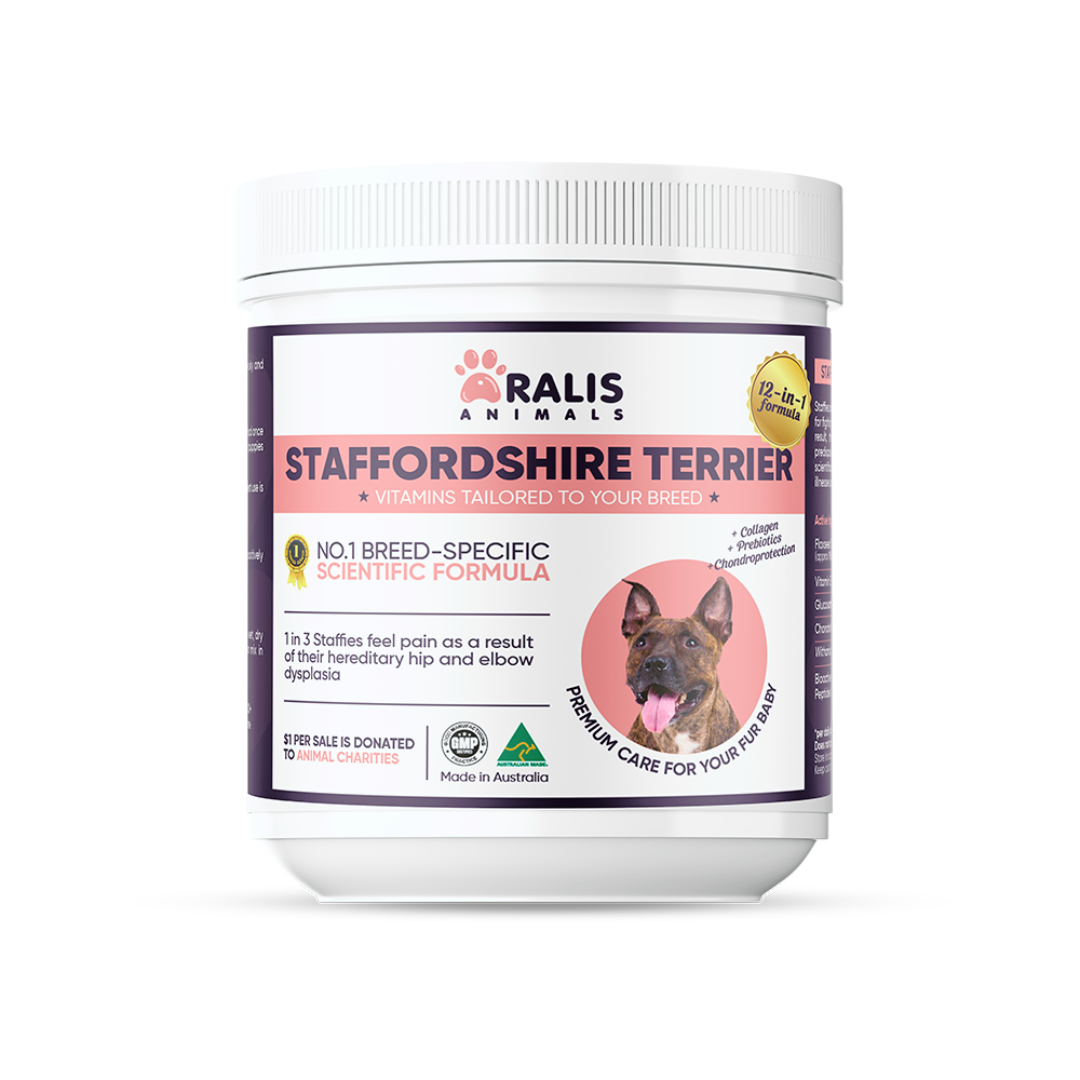
For Staffies who need a bit more support, Aralis Animals Multivitamins can be a gentle, daily boost for skin, gut, and immune health. They’re formulated with omega-3 fatty acids for itchy skin, probiotics for digestive balance, and key vitamins to help reduce inflammation all essential for allergy-prone breeds like Staffies.
If you’d like to explore how daily nutrients can ease flare-ups and support long-term wellness, you can discover Aralis Animals Multivitamins here.
Prevention Strategies
While we can't always prevent allergic reactions in our Staffies, there are proactive steps we can take to minimize the risk and manage their overall health:
- Balanced diet: Feeding your Staffy a high-quality, breed-specific diet can help support their immune system and reduce the likelihood of food-related allergies.
- Regular grooming: Consistent grooming, including bathing and brushing, can help remove allergens from your Staffy's coat and skin.
- Environmental management: Controlling the indoor environment by using air filters, vacuuming frequently, and limiting exposure to known allergens can make a significant difference.
- Proactive health monitoring: Regularly checking your Staffy for any signs of skin irritation, digestive issues, or other changes can help you identify and address potential allergic reactions early on.
By understanding the types of allergies that can affect Staffies, recognizing the common symptoms, and implementing effective management and prevention strategies, we can help our beloved companions live happy, healthy, and itch-free lives. Remember, with the right approach and support from your veterinarian, your Staffy can thrive, even in the face of allergic challenges.