

From Itchy Paws to Gut Health: Why Your Dog's Microbiome Matters

If you've ever watched your dog licking paws obsessively or scratching until their skin turns red, you know how distressing it can be for both you and your furry companion. Many pet owners assume that dog itching and scratching automatically means fleas, but the reality is far more complex. In fact, dog itching but no fleas is increasingly common, and the culprit might be hiding in a place you'd never expect: your dog's gut. The connection between your dog's microbiome and their skin health is profound, and understanding this relationship could be the key to finally giving your beloved pet relief from chronic discomfort.
Understanding Dog Itching Issues
Dog licking paws and scratching are behaviors that can stem from numerous causes, and identifying the root problem is essential for effective treatment. While parasites are often the first suspect, many dogs experience persistent itching despite being parasite-free. This is where the mystery deepens, and pet owners often find themselves frustrated after trying countless treatments without success.
Dog itching but no fleas can indicate several underlying issues. Allergies are among the most common culprits, whether they're environmental allergies, food sensitivities, or contact allergies. However, what many people don't realize is that these skin allergies in dogs often have their origins in digestive health. The immune system, which plays a crucial role in managing allergic responses, is heavily influenced by the health of the gut microbiome.
Dog itching and scratching can also be exacerbated by stress, dry skin, or secondary infections that develop when a dog's skin barrier is compromised. The skin barrier acts as the body's first line of defense against pathogens and irritants, and its integrity depends significantly on a healthy microbiome. When the balance of beneficial bacteria in the gut is disrupted, the entire immune system becomes less effective, leading to increased inflammation and skin sensitivity.
The Skin-Gut Connection
The relationship between dog skin allergies and gut health is backed by increasing scientific evidence. The gut microbiome consists of trillions of microorganisms that play vital roles in digestion, nutrient absorption, and immune function. Approximately 70% of the immune system is located in the gut, making it the body's largest immune organ. When the microbiome is balanced and healthy, it supports a robust immune response that can effectively distinguish between harmful pathogens and harmless substances.
When the microbiome becomes imbalanced—a condition known as dysbiosis—the immune system becomes confused and overreactive. This can lead to increased inflammation throughout the body, including in the skin. Dogs with dysbiosis often experience heightened allergic responses, making them more susceptible to skin irritation and infection. The inflammatory cascade triggered by an unhealthy microbiome can manifest as dog itching but no fleas, creating a frustrating cycle where traditional flea treatments provide no relief.
The skin barrier itself is also influenced by gut health. A healthy microbiome produces short-chain fatty acids, particularly butyrate, which nourish the cells lining the intestinal wall and support the production of mucus that protects the gut lining. When this protective barrier is compromised, harmful substances can leak into the bloodstream—a phenomenon known as leaky gut. This triggers systemic inflammation that affects the skin, leading to dog itching and scratching.
Furthermore, the microbiome influences the production of neurotransmitters and hormones that regulate immune responses. Serotonin, for example, is largely produced in the gut and plays a role in immune regulation. An imbalanced microbiome can disrupt these signaling pathways, leading to immune dysregulation and increased skin sensitivity.
The Power of Probiotics and Prebiotics
Probiotics for dogs have emerged as a powerful tool for addressing both gut and skin health issues. Probiotics are beneficial live bacteria that, when administered in adequate amounts, confer health benefits to the host. These microorganisms work by colonizing the gut, competing with harmful bacteria for resources, and producing compounds that support intestinal health and immune function.
The benefits of probiotics for dogs with itchy skin are multifaceted. First, they help restore the balance of the microbiome, reducing dysbiosis and the associated inflammation. Second, they strengthen the intestinal barrier by promoting the production of tight junction proteins that prevent leaky gut. Third, they stimulate the production of beneficial metabolites like short-chain fatty acids that nourish the gut lining and support immune regulation. Finally, they can directly modulate immune responses, reducing the overreaction that characterizes allergic conditions.
Prebiotics work synergistically with probiotics to enhance their effectiveness. Prebiotics are non-digestible food components that selectively stimulate the growth and activity of beneficial bacteria in the gut. Common prebiotics include inulin, fructooligosaccharides (FOS), and other types of dietary fiber. By providing food for beneficial bacteria, prebiotics ensure that probiotic strains can establish themselves and thrive in the gut environment.
The combination of prebiotics and probiotics for dogs creates a comprehensive approach to microbiome health. While probiotics introduce beneficial bacteria, prebiotics feed those bacteria and encourage their proliferation. This synergistic relationship is far more effective than using either component alone. Dogs receiving both prebiotics and probiotics for dogs often experience more rapid and sustained improvements in skin health compared to those receiving probiotics alone.
Aralis Animals Solutions
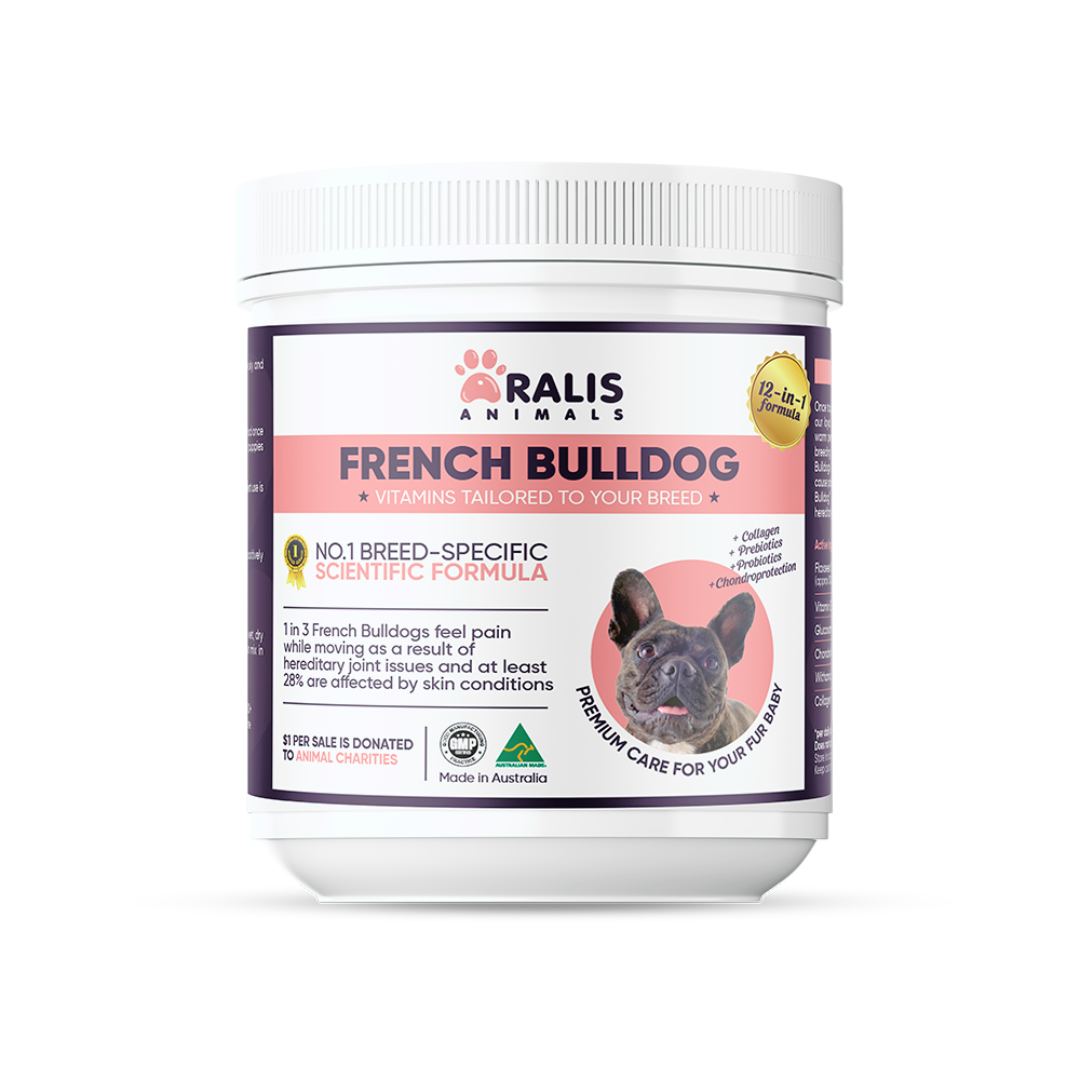
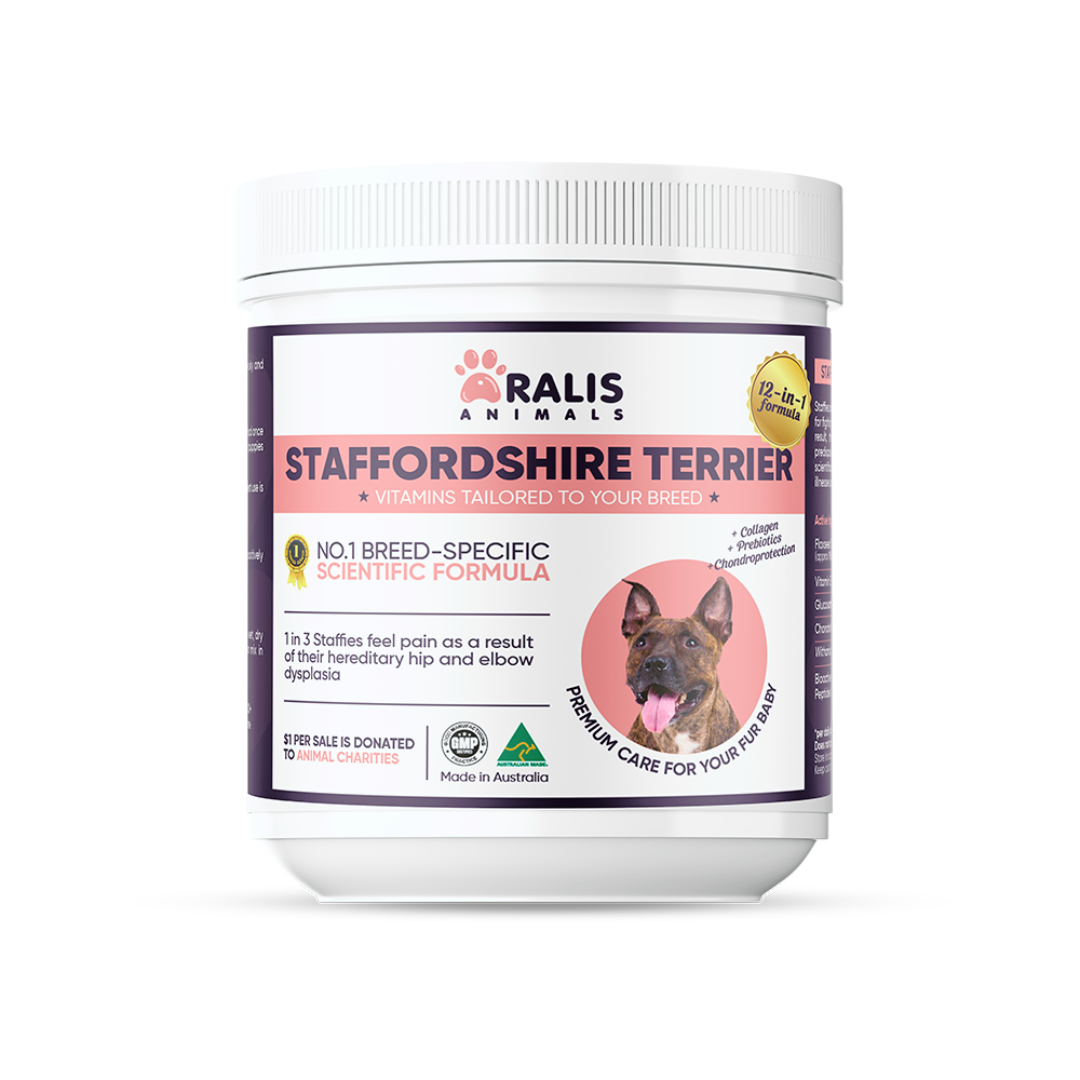
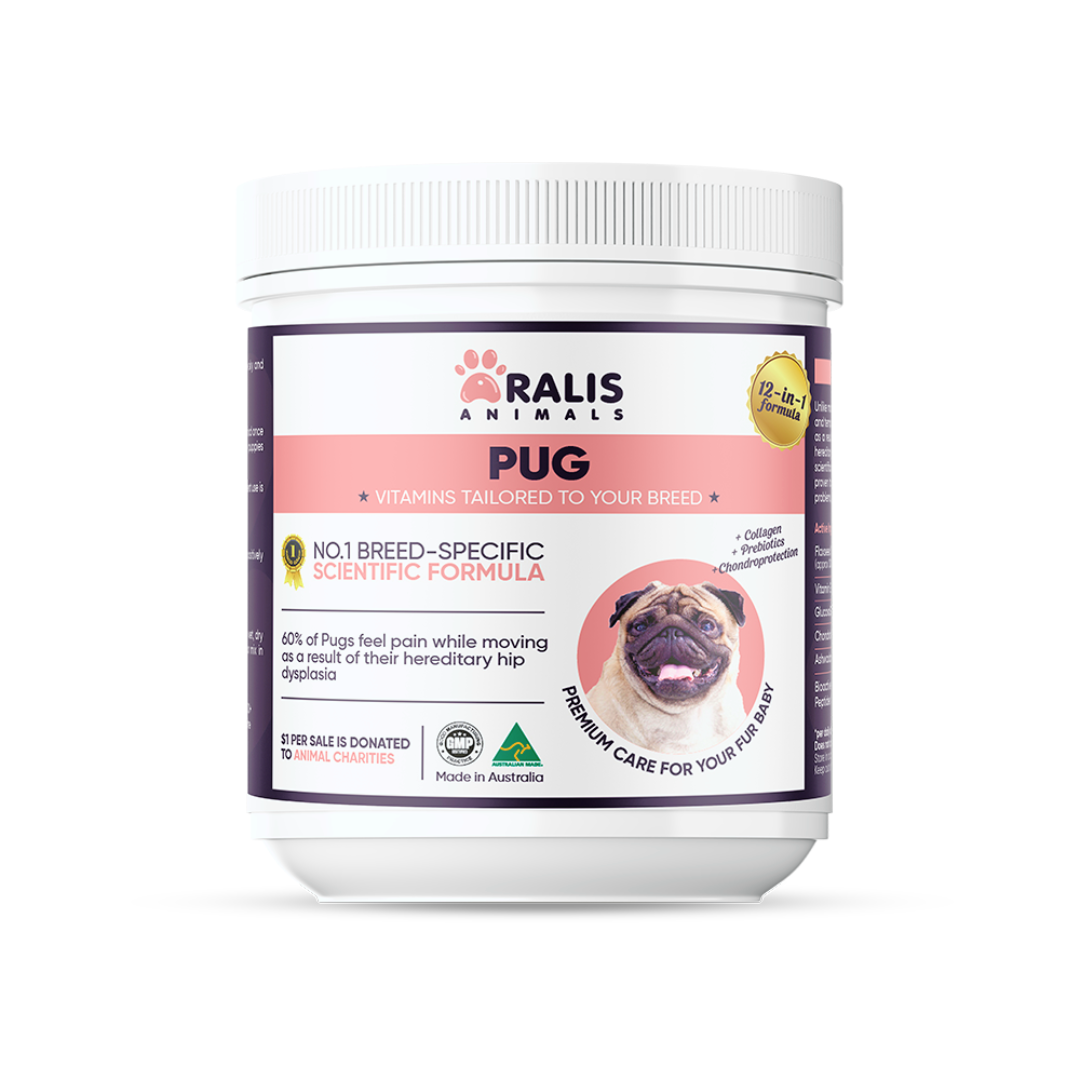
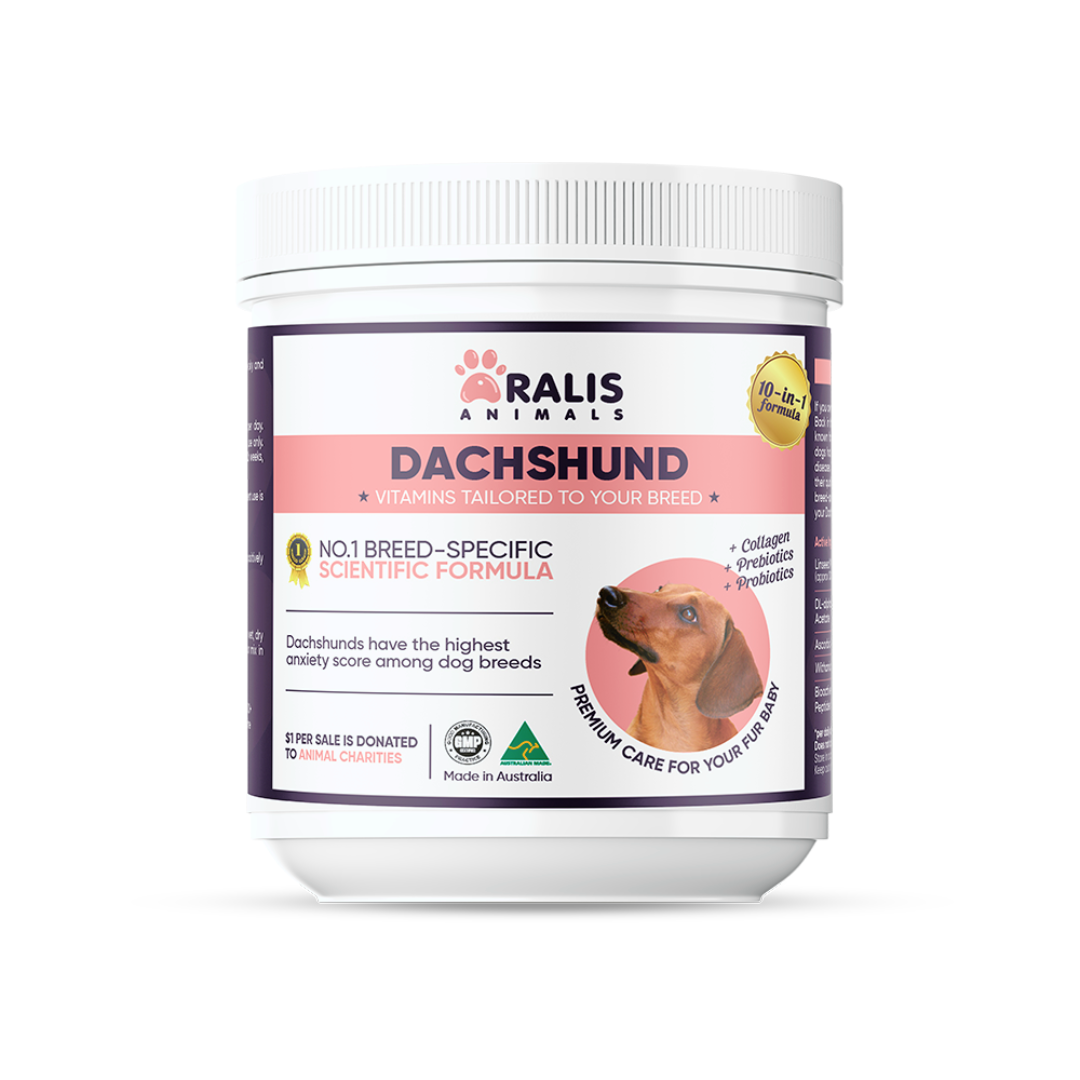
At Aralis Animals, we understand that every dog is unique, and their nutritional needs vary based on breed, age, size, and individual health status. Our breed-specific supplement approach recognizes that different dogs have different microbiome compositions and different susceptibilities to skin issues. A large breed dog may have different probiotic needs than a small breed, and a dog with a history of allergies may benefit from a different formulation than one with a healthy skin history.
Our targeted supplements are designed to address microbiome health comprehensively. By combining carefully selected probiotic strains with prebiotics and other supportive nutrients, we create formulations that work synergistically to restore gut balance and support skin wellness. Each supplement is tailored to provide the specific bacterial strains and prebiotic compounds that research suggests are most beneficial for your dog's particular breed and health profile.
Supporting both gut and skin wellness means looking beyond surface-level treatments. Rather than simply addressing the symptoms of dog itching and scratching, our breed-specific supplements work at the root cause by restoring the microbiome balance that underpins healthy skin. This approach leads to more lasting results and improved overall health, not just relief from itching. Click here to explore more.
Practical Steps for Pet Owners
Recognizing when your dog needs microbiome support is the first step toward addressing chronic skin issues. Signs that your dog might benefit from probiotic supplementation include persistent dog licking paws, chronic scratching despite parasite treatment, recurring skin infections, digestive issues like diarrhea or constipation, and general signs of inflammation or discomfort.
Implementing probiotics into your dog's routine care is straightforward. Most quality probiotic supplements for dogs come in powder or capsule form that can be easily mixed into food. Consistency is key—probiotics work best when given daily over an extended period. It typically takes several weeks for the microbiome to rebalance and for noticeable improvements in skin health to appear.
The timeline for improvements varies depending on the severity of the dysbiosis and the individual dog's response. Some dogs show improvement within two to three weeks, while others may require six to eight weeks of consistent supplementation before significant changes are evident. Patience and consistency are essential, as microbiome restoration is a gradual process that cannot be rushed.
Conclusion
The connection between your dog's microbiome and their skin health is undeniable. Dog itching but no fleas, dog itching and scratching, and dog skin allergies are often manifestations of an imbalanced gut microbiome rather than isolated skin conditions. By understanding this skin-gut connection and addressing the root cause through targeted supplementation with probiotics and prebiotics, you can finally provide your dog with lasting relief from chronic discomfort.
Your dog's microbiome matters profoundly for their overall health and wellbeing. Rather than continuing the frustrating cycle of treating symptoms, consider exploring breed-specific probiotic solutions that address the underlying cause of skin issues. Aralis Animals is committed to helping you elevate your pet's health through scientifically-formulated, breed-specific supplements designed to restore microbiome balance and support lasting skin wellness. Your dog deserves to feel comfortable in their own skin, and the path to that comfort begins in the gut.