

From Grass to Food Allergies: What's Triggering Your Dog's Itchy Skin?

As a devoted pet owner, you've likely encountered the frustrating issue of your dog's itchy skin. Whether it's constant scratching, licking, or irritated patches, skin irritation can be a real challenge for both you and your canine companion. But fear not – by understanding the underlying causes and taking a proactive approach, you can help your furry friend find relief and maintain a healthy, happy skin.
Understanding Dog Skin Allergies
Skin allergies in dogs can stem from a variety of sources, each requiring a unique approach to management. The three primary types of dog skin allergies are:
- Food Allergies: Certain ingredients in your dog's diet, such as proteins, grains, or dairy, can trigger an immune response and lead to skin irritation.
- Seasonal Allergies: Environmental factors like pollen, grass, or mold can cause seasonal flare-ups of skin issues.
- Environmental Allergies: Exposure to household chemicals, cleaning products, or even certain fabrics can contribute to skin problems.
Identifying the specific trigger for your dog's skin irritation is the first step in finding an effective solution.
Grass-Related Allergies
One common culprit behind dog skin allergies is grass. Many canines develop sensitivities to the proteins found in grass, which can lead to a range of symptoms, including:
- Excessive licking or chewing of the paws
- Redness and inflammation on the belly, groin, or armpits
- Recurrent ear infections
- Hot spots or open sores on the skin
If your dog seems to experience flare-ups during certain times of the year or after spending time outdoors, a grass allergy may be the underlying cause. Carefully monitoring your pet's environment and activities can help you pinpoint the trigger.
Food Allergies and Skin Health
In addition to environmental factors, your dog's diet can also play a significant role in their skin health. Common food allergens for dogs include:
- Beef
- Dairy
- Chicken
- Wheat
- Soy
If your dog is experiencing skin irritation, an elimination diet may be necessary to identify the culprit ingredient. This involves removing potential allergens from their diet one by one and closely monitoring their symptoms.
Comprehensive Treatment Approaches
Addressing your dog's skin issues requires a multi-faceted approach. Start by consulting with your veterinarian, who can help you determine the underlying cause and develop a personalized treatment plan. This may include:
- Dietary Modifications: Switching to a limited-ingredient or hypoallergenic diet can help eliminate problematic foods and provide your dog with the necessary nutrients for healthy skin.
- Environmental Management: Reducing exposure to known allergens, such as grass or household chemicals, can help minimize flare-ups.
- Supplemental Treatments: Your veterinarian may recommend specific supplements or medications to alleviate inflammation and support your dog's skin health.
It's important to be patient and persistent in your approach, as finding the right solution may require some trial and error.
Prevention and Long-Term Management
Maintaining your dog's skin health is an ongoing process, but with the right strategies, you can help prevent future flare-ups and keep your furry friend comfortable. Some key steps include:
- Regular Skin Monitoring: Inspect your dog's skin and coat regularly for any signs of irritation or changes.
- Proactive Dietary Adjustments: Continuously monitor your dog's diet and make adjustments as needed to address any sensitivities.
- Environmental Precautions: Take measures to minimize your dog's exposure to known allergens, such as keeping them indoors during peak pollen seasons.
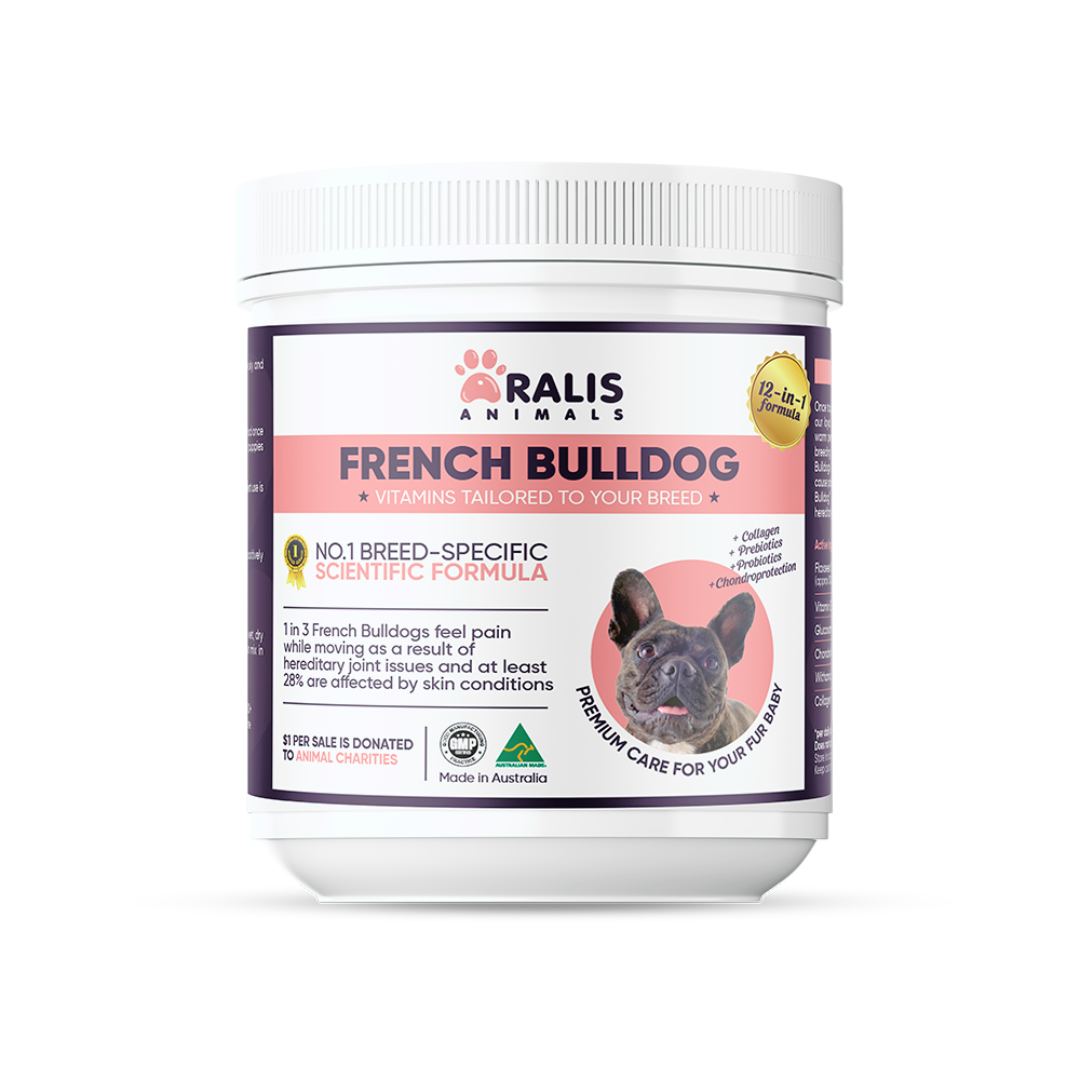
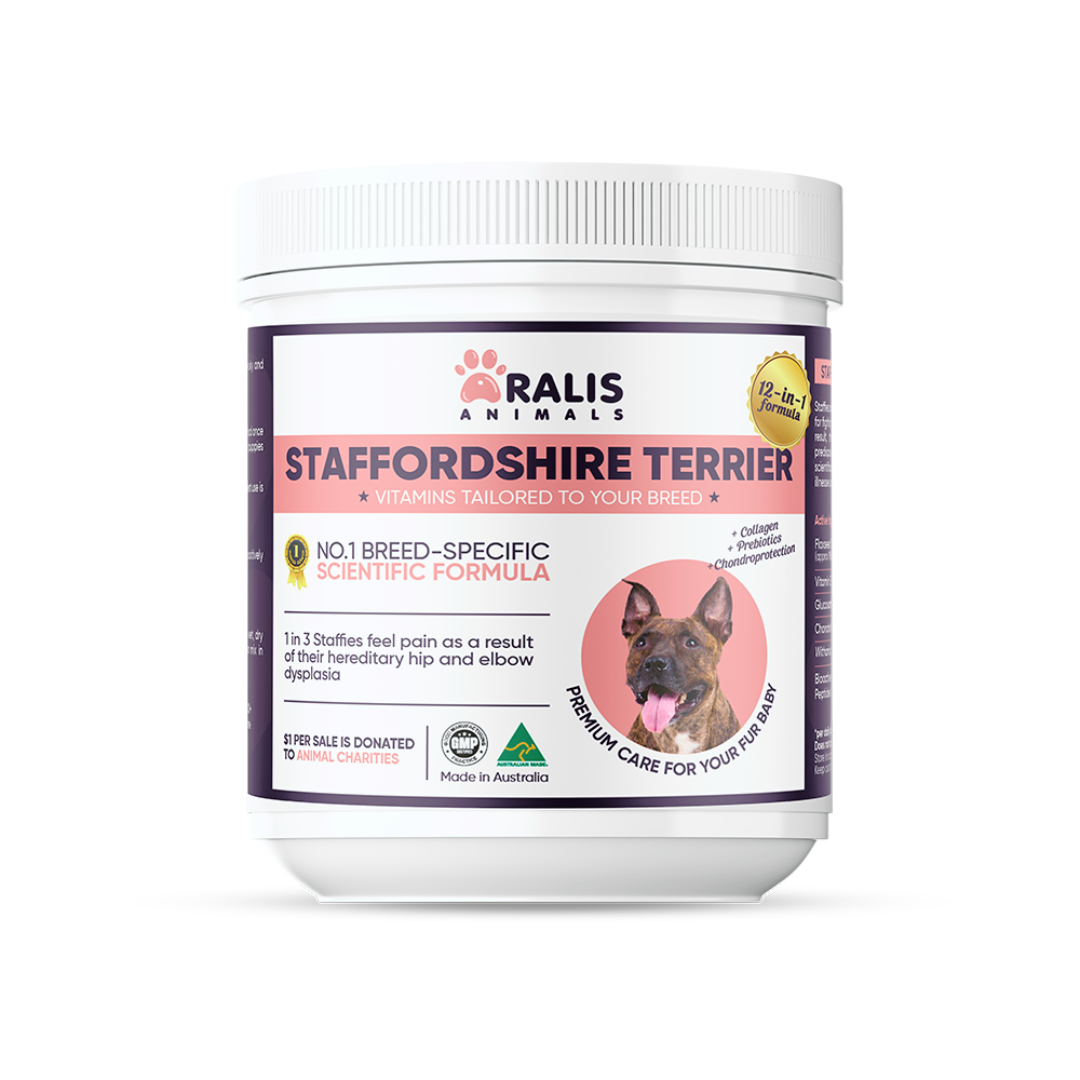
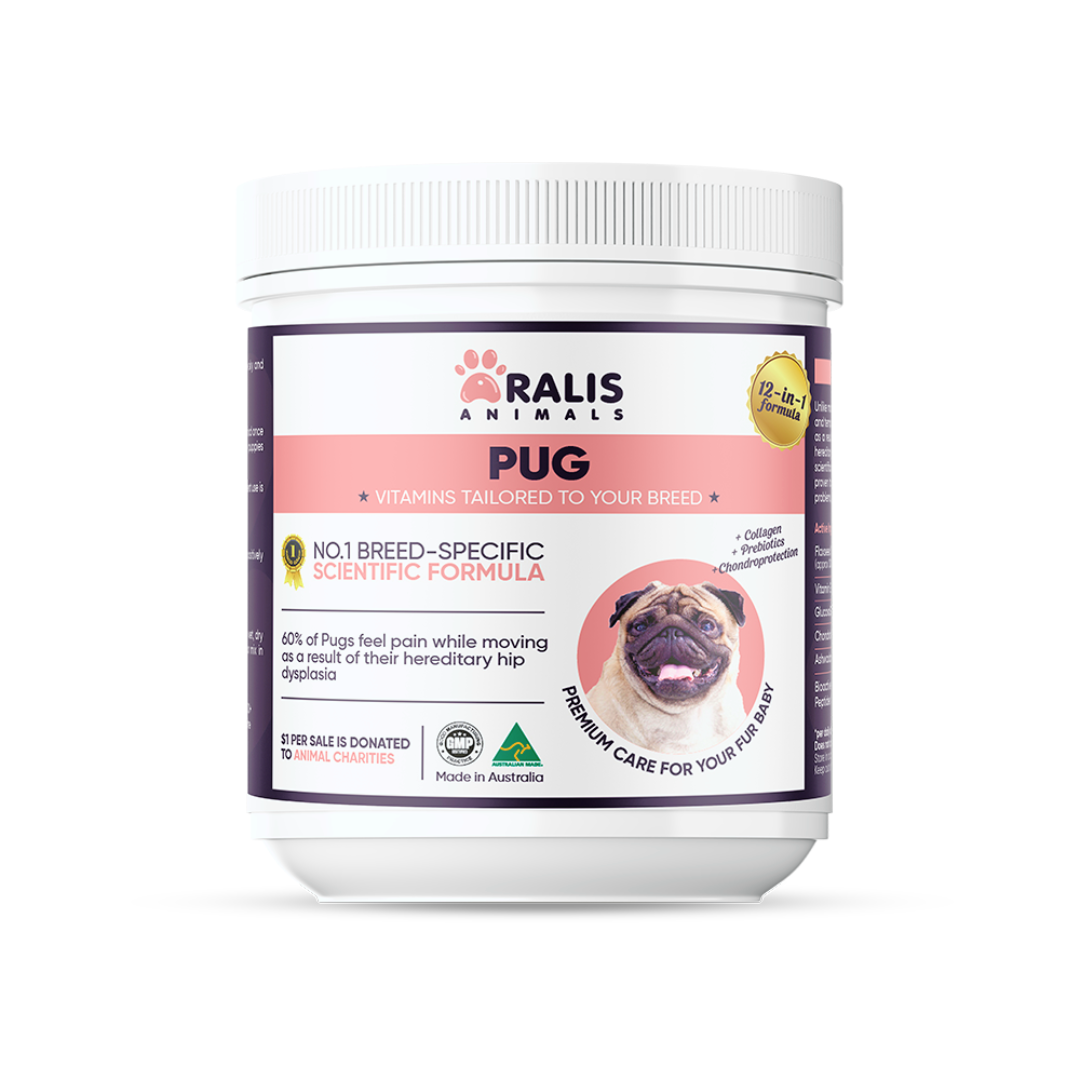
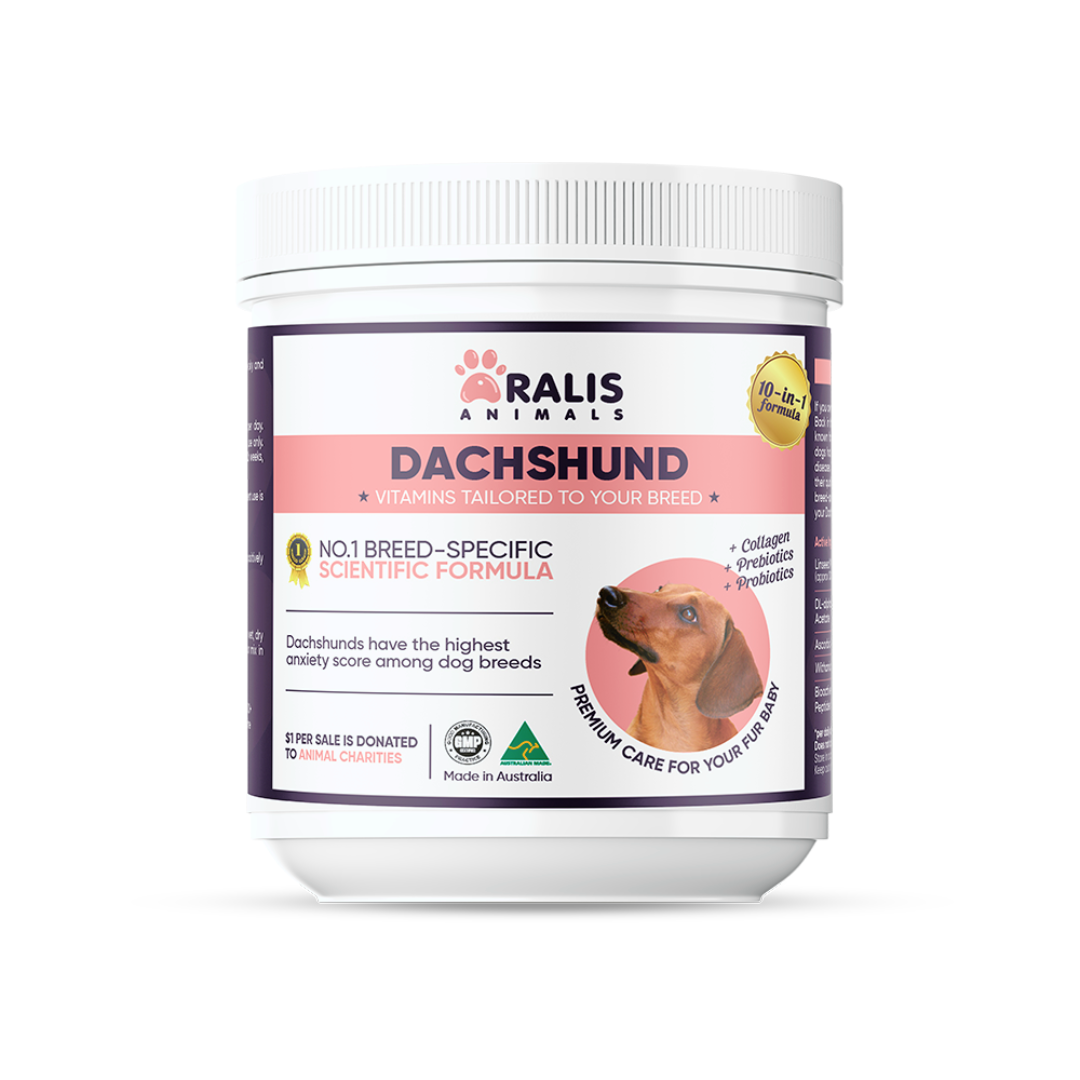
If your pup needs extra inside-out support, you can discover Aralis Animals Multivitamins here. It is formulated with zinc, a key nutrient known to help maintain a healthy skin barrier and support coat comfort. Combined with probiotics to help balance the gut microbiome, this breed-specific blend can help calm skin irritation from the inside out while supporting your dog’s overall wellbeing.
Conclusion
Addressing your dog's itchy skin can be a challenging but rewarding journey. By understanding the underlying causes, implementing targeted treatments, and adopting preventive measures, you can help your furry friend achieve optimal skin health and overall well-being. Remember, with patience, persistence, and the guidance of your veterinarian, you can uncover the root of your dog's skin issues and provide the relief they deserve.