

Dog Skin Allergy Symptoms: What's Normal and When to Take Action

If you're a dog owner, you've probably noticed your furry friend scratching from time to time. But how do you know when that occasional scratch is just normal behavior and when it signals a more serious issue like a skin allergy? Understanding the difference between typical scratching and problematic dog skin allergy symptoms is crucial for maintaining your pet's health and comfort. This comprehensive guide will help you identify what's normal, recognize warning signs, and understand when it's time to seek professional help.
Introduction
Dogs scratch themselves for various reasons throughout the day, much like humans do. However, excessive scratching, persistent itching, and other skin-related symptoms can indicate underlying health issues that require attention. Dog skin allergies are among the most common health concerns pet owners face, affecting dogs of all breeds and ages. The challenge lies in distinguishing between normal grooming behavior and signs of a genuine problem that needs intervention.
Why does this distinction matter? Because early recognition of dog skin allergy symptoms can prevent complications, reduce your pet's discomfort, and potentially save you from expensive veterinary treatments down the road. Whether your dog is dealing with environmental allergies, food sensitivities, or contact dermatitis, understanding the signs will empower you to take appropriate action quickly.
Normal vs. Abnormal Scratching
Dogs naturally scratch themselves as part of their grooming routine. A healthy dog might scratch a few times throughout the day, especially after meals, during play, or before settling down to sleep. This normal scratching behavior typically lasts only a few seconds and doesn't cause visible damage to the skin or coat.
However, when scratching becomes excessive, you'll notice a clear difference. Abnormal scratching patterns include frequent, intense scratching sessions that interrupt your dog's daily activities, visible wounds or raw patches from constant licking and biting, and scratching that occurs multiple times per hour. If your dog is constantly scratching to the point where they're neglecting food, water, or sleep, this is definitely a sign that something requires attention.
Pay attention to when the scratching occurs. Dogs with allergies often scratch more intensely during certain times of day or in response to specific triggers. Some dogs may scratch more during particular seasons, indicating environmental allergies, while others might scratch consistently year-round, suggesting food allergies or other underlying causes.
Common Dog Skin Allergy Symptoms
Recognizing dog skin allergy symptoms goes beyond just noticing excessive scratching. There are several telltale signs that your dog may be suffering from a skin allergy.
Excessive Itching and Scratching is the most obvious symptom. Your dog may scratch, bite, or lick their skin repeatedly, focusing on specific areas like the paws, ears, face, or belly. This constant irritation can lead to secondary infections if left untreated.
Paw Licking and Chewing is another common indicator. Many dogs with allergies will obsessively lick their paws, sometimes to the point of creating sores or discoloration. You might notice your dog's paws are stained or smell unusual due to constant moisture and bacteria growth.
Redness and Inflammation of the skin are visible signs of allergic reactions. The affected areas may appear pink or red, feel warm to the touch, and might be accompanied by swelling. This inflammation is your dog's immune system reacting to an allergen.
Hair Loss and Hot Spots develop when scratching becomes severe. Your dog may lose patches of fur, and raw, inflamed areas called hot spots can develop quickly, especially in warm, moist areas of the body. These hot spots can become infected if not properly treated.
Additional symptoms may include ear infections, which are common in dogs with allergies, facial swelling or puffiness, and a musty or yeasty odor on the skin. Some dogs may also experience changes in behavior, becoming more anxious or irritable due to the discomfort.
Dog Itching But No Fleas
One of the most frustrating situations for pet owners is when their dog is itching but no fleas are present. This scenario is actually quite common and points to other underlying causes that need to be identified.
When your dog is itching but no fleas are visible, consider these possibilities: Environmental allergies to pollen, dust mites, mold, or grass are common culprits. These allergies often follow seasonal patterns, with symptoms worsening during spring or fall.
Food allergies can cause year-round itching and are often overlooked by pet owners. Common food allergens for dogs include chicken, beef, wheat, corn, and soy. If your dog itches consistently regardless of the season, a food allergy might be the cause.
Dry skin is another frequent cause of itching without fleas. This can result from environmental factors, nutritional deficiencies, or underlying health conditions. Dogs with dry skin may have a dull coat and visible flaking.
Contact dermatitis occurs when your dog's skin reacts to substances they come into contact with, such as certain shampoos, cleaning products, or materials like wool or synthetic fabrics.
Yeast or bacterial infections can develop on the skin and cause itching. These infections often have a distinctive musty smell and may appear as dark, discolored patches on the skin.
When to Take Action
Knowing when to seek veterinary care is essential for your dog's wellbeing. While not every instance of scratching requires a vet visit, certain red flags should prompt immediate action.
Seek veterinary care if:
- The itching persists for more than a week despite home care efforts
- Your dog has visible wounds, sores, or signs of infection
- The scratching is affecting your dog's sleep, appetite, or overall behavior
- You notice signs of secondary infections like pus, crusting, or a foul odor
- Your dog's symptoms are spreading to new areas of the body
- Your dog shows signs of pain or discomfort when touched
The duration and severity of symptoms matter significantly. Occasional scratching that resolves on its own is typically normal, but persistent itching that worsens over time indicates a problem. Similarly, if the scratching is so severe that your dog is causing injury to themselves, professional intervention is necessary.
Consider the impact on daily life. If your dog's scratching is interfering with their quality of life, preventing them from playing, eating normally, or sleeping peacefully, it's time to contact your veterinarian.
Skin Allergies in Dogs: Causes
Understanding the root causes of skin allergies in dogs helps you take preventive measures and work more effectively with your veterinarian.
Environmental allergies are triggered by substances in your dog's surroundings. Pollen, dust mites, mold spores, and grass are common environmental allergens. These allergies often develop over time as your dog's immune system becomes sensitized to specific triggers.
Food allergies develop when your dog's immune system reacts to certain ingredients in their diet. Unlike food intolerances, which cause digestive upset, food allergies typically manifest as skin problems. The most common food allergens for dogs are proteins like chicken and beef, as well as grains like wheat and corn.
Contact dermatitis occurs when your dog's skin reacts to direct contact with irritating substances. This might include certain fabrics, cleaning products, pesticides, or even plants. The reaction is localized to the areas that made contact with the allergen.
Other potential causes include parasites beyond fleas, such as mites or lice, bacterial or yeast infections that colonize the skin, and hormonal imbalances that affect skin health.
Dog Skin Allergy Treatment Options
Once you've identified that your dog has a skin allergy, several treatment options are available.
Veterinary treatments may include antihistamines to reduce allergic reactions, corticosteroids to reduce inflammation, antibiotics if secondary infections are present, and antifungal medications if yeast infections are involved. Your veterinarian might also recommend allergy testing to identify specific triggers.
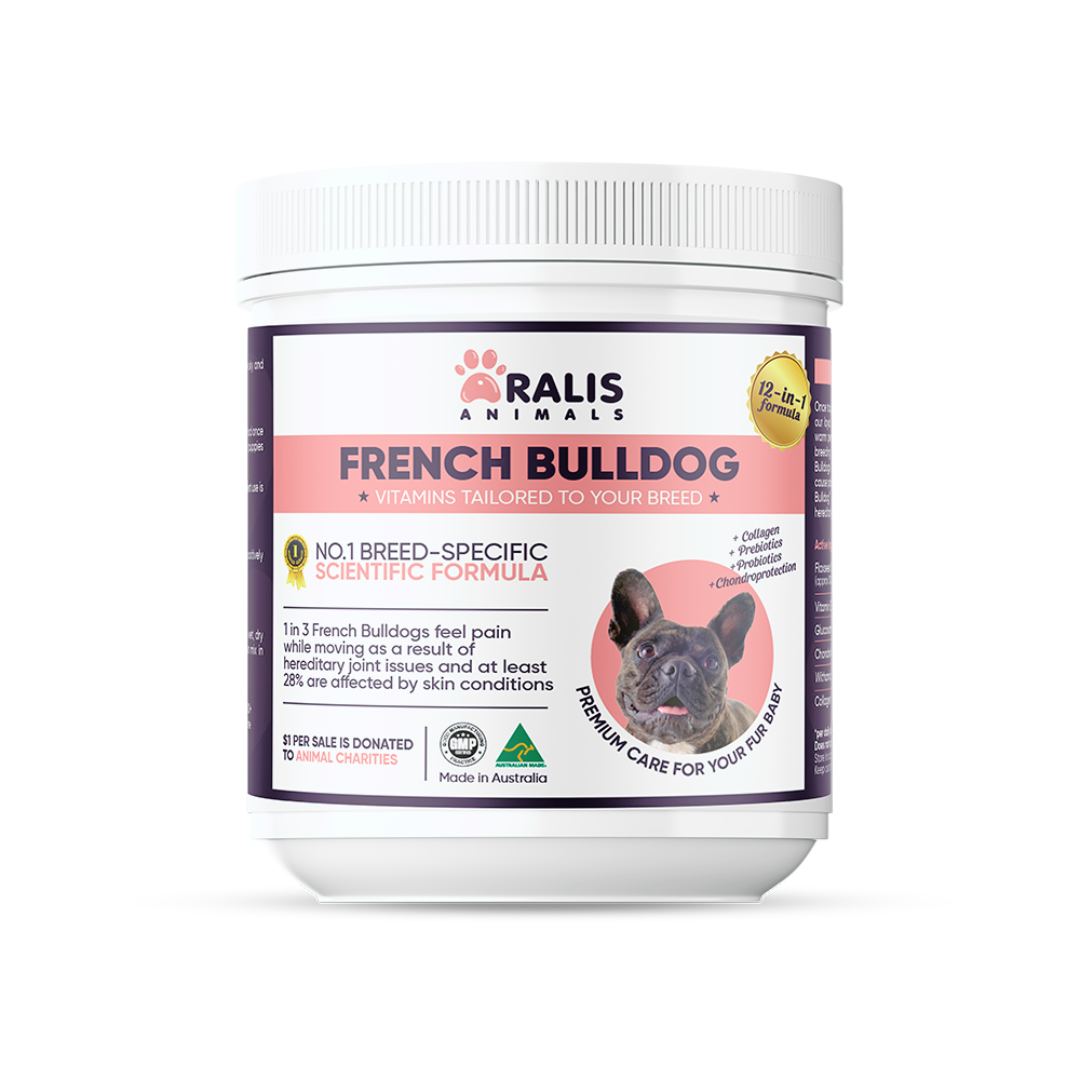
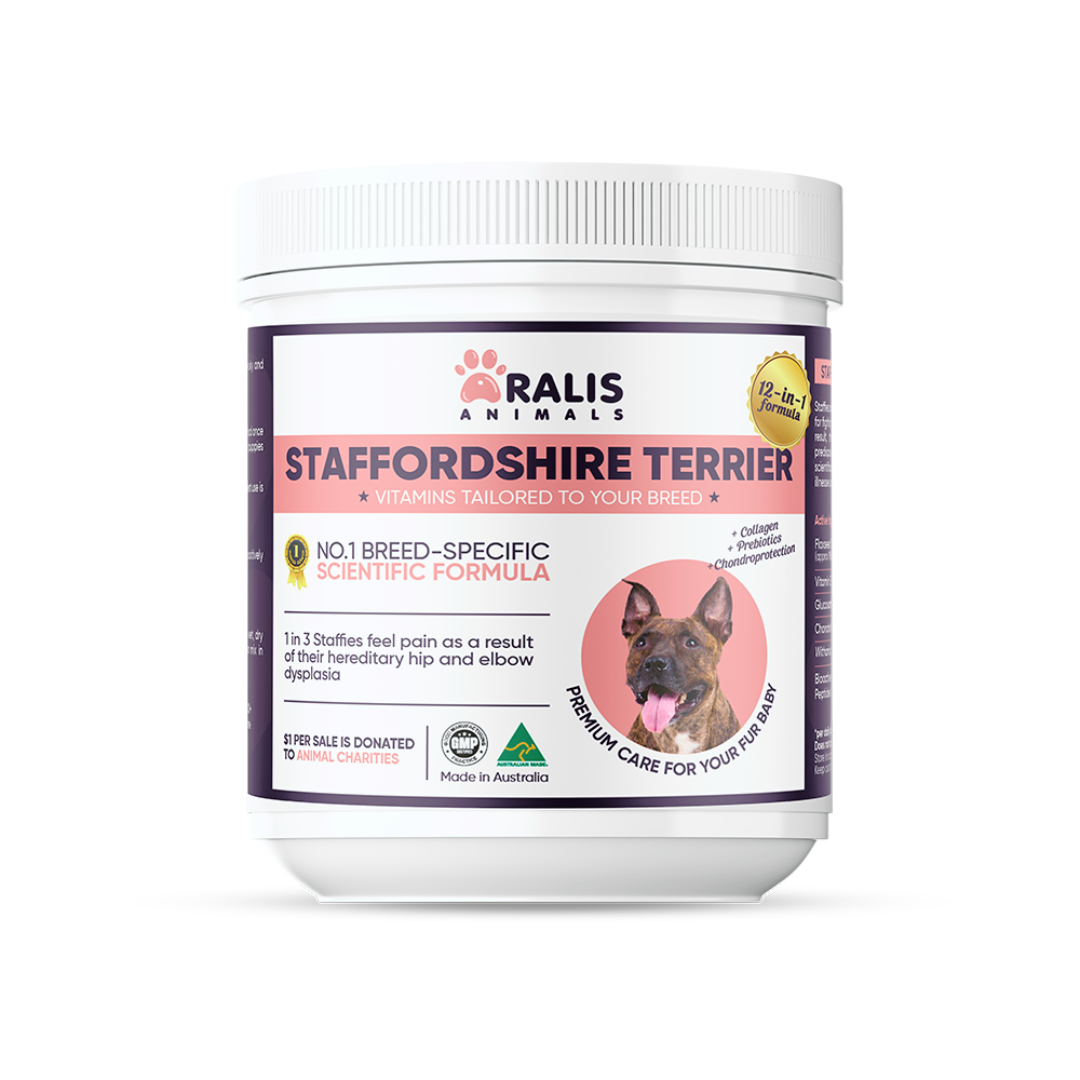
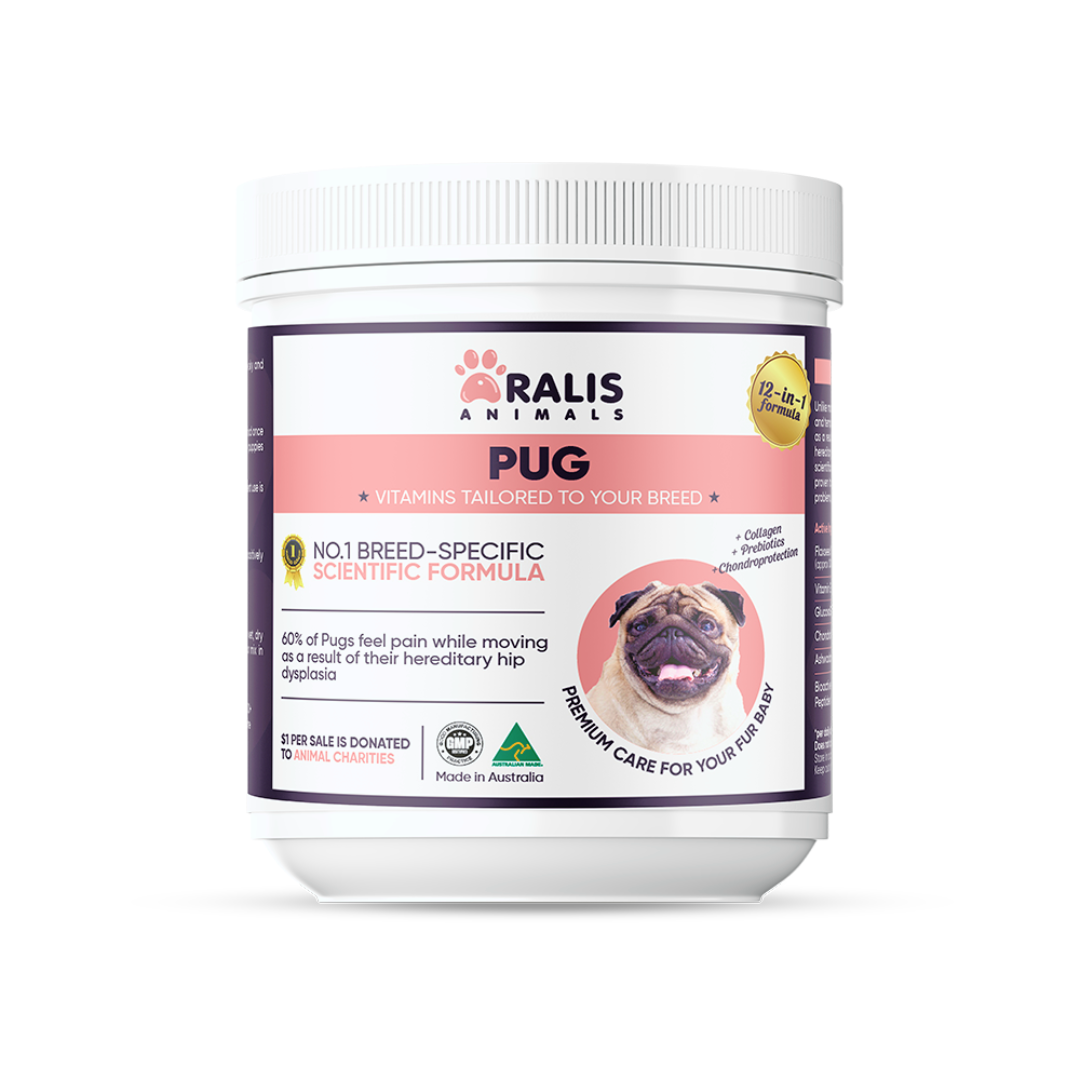
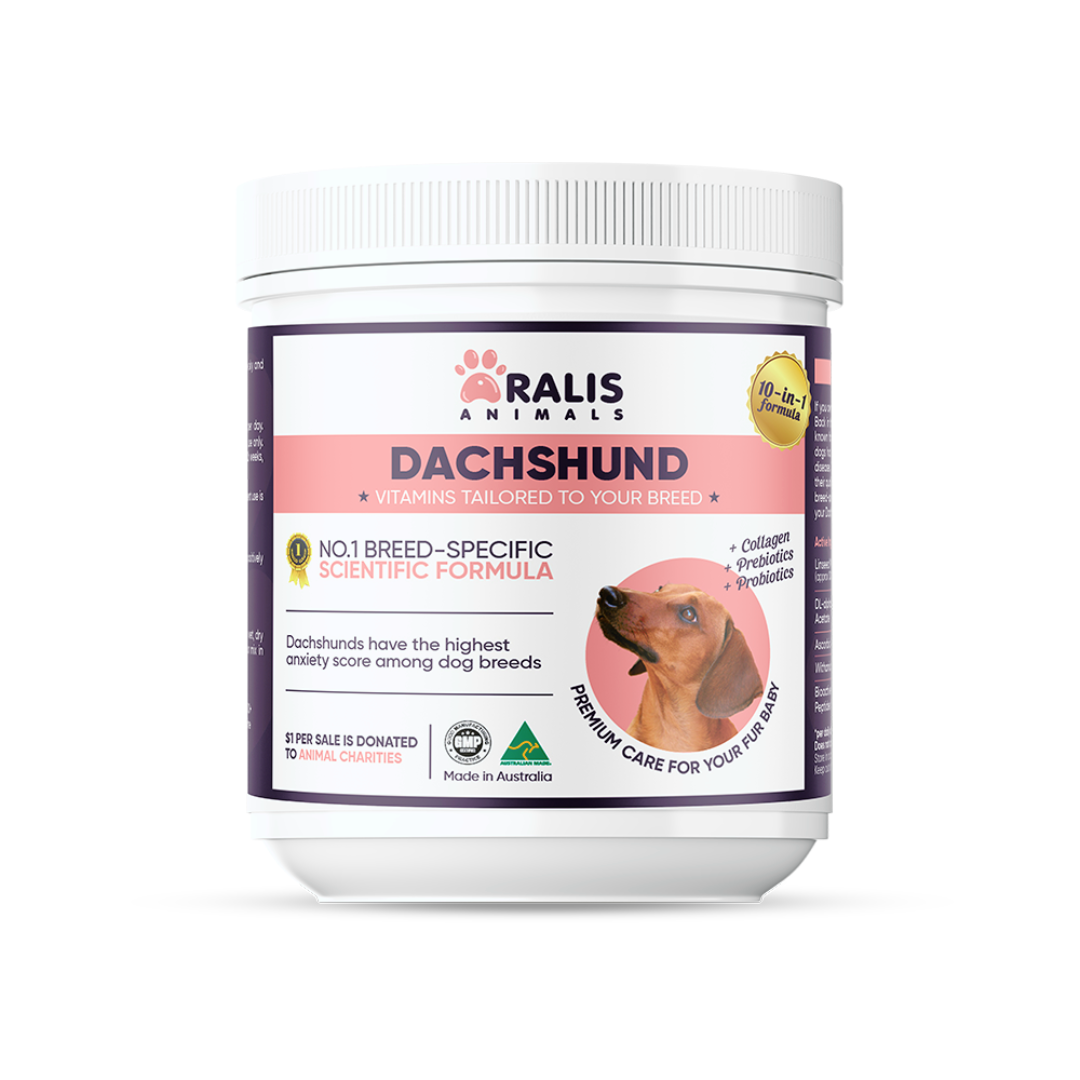
Breed-specific supplements can play an important role in managing skin health. Products like those offered by Aralis Animals are formulated with specific breeds in mind, providing targeted nutritional support to strengthen skin barriers and reduce allergic responses. These supplements often contain omega-3 fatty acids, probiotics, and other beneficial ingredients that support skin health from within. Click here to explore more.
Home care remedies include regular bathing with hypoallergenic shampoos, maintaining a consistent grooming routine, and keeping your dog's environment clean. Some pet owners find relief using oatmeal baths or applying coconut oil to affected areas, though these should complement rather than replace professional treatment.
Prevention strategies are crucial for long-term management. If you've identified environmental triggers, try to minimize your dog's exposure. For food allergies, work with your veterinarian to identify problematic ingredients and switch to an appropriate diet. Regular grooming helps you catch skin issues early, and maintaining your dog's overall health through proper nutrition and exercise supports immune function.
Conclusion
Understanding dog skin allergy symptoms and knowing when to take action is essential for every responsible pet owner. While occasional scratching is normal, persistent itching, visible skin damage, and behavioral changes warrant professional attention. By recognizing the difference between normal and abnormal symptoms, identifying potential causes, and exploring appropriate treatment options, you can help your beloved companion live a comfortable, itch-free life.
Don't wait for symptoms to worsen. If you notice signs of skin allergies in your dog, consult with your veterinarian promptly. Combined with professional guidance and appropriate treatments, including breed-specific supplements from Aralis Animals, you can effectively manage your dog's skin health and ensure they enjoy the quality of life they deserve. Your dog's comfort and wellbeing are worth the effort of early intervention and proper care.