

Dog Skin Allergies 101: How to Calm Itching Without Relying on Medications Alone

As a devoted pet owner, you want nothing more than to see your furry companion happy and healthy. But when your dog starts scratching and licking their skin incessantly, it can be a frustrating and concerning experience. Skin allergies in dogs are a common issue, and finding effective relief without relying solely on medications can be a game-changer.
In this comprehensive guide, we'll dive into the world of dog skin allergies, exploring the underlying causes, recognizing the symptoms, and uncovering natural approaches to soothe the itch and promote long-term skin health.
Understanding Dog Skin Allergies
Skin allergies in dogs, also known as atopic dermatitis, are an inflammatory condition that can be triggered by a variety of environmental and dietary factors. From pollen and dust mites to certain proteins in their food, these allergens can cause an overreaction of the immune system, leading to intense itching, redness, and discomfort.
The most common signs of skin allergies in dogs include:
- Excessive scratching, licking, or biting of the skin
- Redness, inflammation, or hot spots
- Dry, flaky, or irritated skin
- Ear infections or ear scratching
- Gastrointestinal issues like vomiting or diarrhea
It's important to note that while these symptoms may seem straightforward, they can also be indicative of other underlying health conditions. Consulting with your veterinarian is crucial to ensure an accurate diagnosis and a tailored treatment plan.
Natural Approaches to Itch Relief
While traditional medications can provide relief, many pet owners are seeking more holistic solutions to address the root causes of their dog's skin allergies. Here are some natural approaches to consider:
Dietary Modifications
The food your dog consumes can have a significant impact on their skin health. Switching to a high-quality, limited-ingredient diet or incorporating anti-inflammatory foods like omega-3-rich fish oil can help soothe the skin and reduce overall inflammation.
Holistic Supplements
Certain natural supplements, such as quercetin, turmeric, or colloidal oatmeal, can provide additional support for your dog's immune system and skin barrier function. These supplements can help calm the itch and promote healing from the inside out.
Environmental Management
Controlling your dog's environment can also play a crucial role in managing skin allergies. Regularly vacuuming, using HEPA air filters, and washing your dog's bedding in hypoallergenic detergents can help minimize exposure to common allergens.
Specific Treatment Techniques
Beyond the broader natural approaches, there are also specific techniques you can employ to provide itch relief for your furry friend:
Bathing and Grooming
Gentle, soothing baths with oatmeal-based shampoos or medicated washes can help remove allergens and soothe irritated skin. Proper grooming, including regular brushing, can also help distribute natural oils and remove excess dander.
Home Remedies
Simple home remedies, such as applying aloe vera gel or using a cool, damp cloth to the affected areas, can provide temporary relief and comfort for your dog.
Stress Reduction
Stress can exacerbate skin allergies, so incorporating calming activities like massage, pheromone diffusers, or even anxiety-reducing supplements can help your dog feel more relaxed and less prone to excessive scratching.
Prevention and Long-Term Management
Addressing skin allergies in dogs requires a multi-faceted approach, focusing not only on immediate relief but also on long-term prevention and management strategies.
Immune System Support
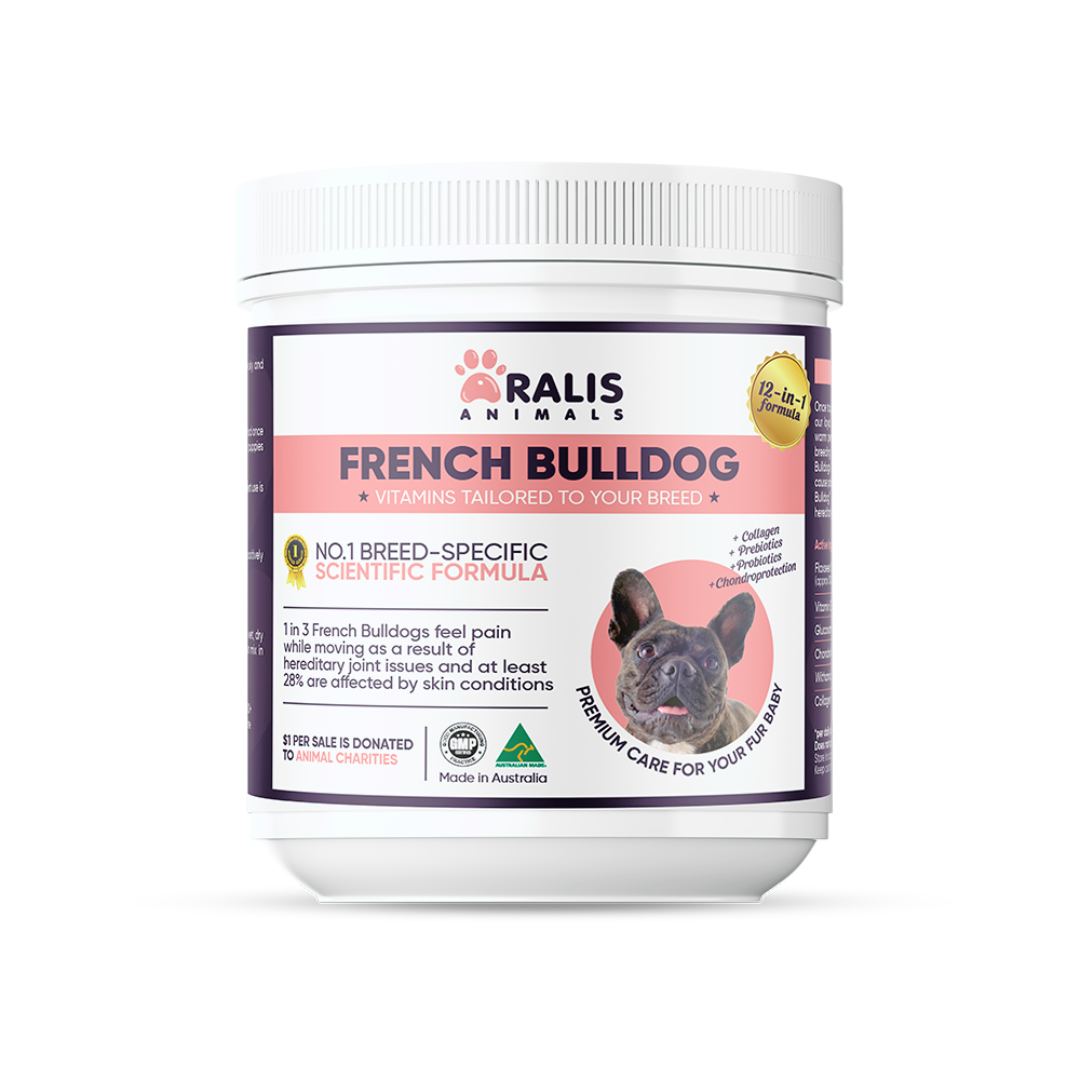
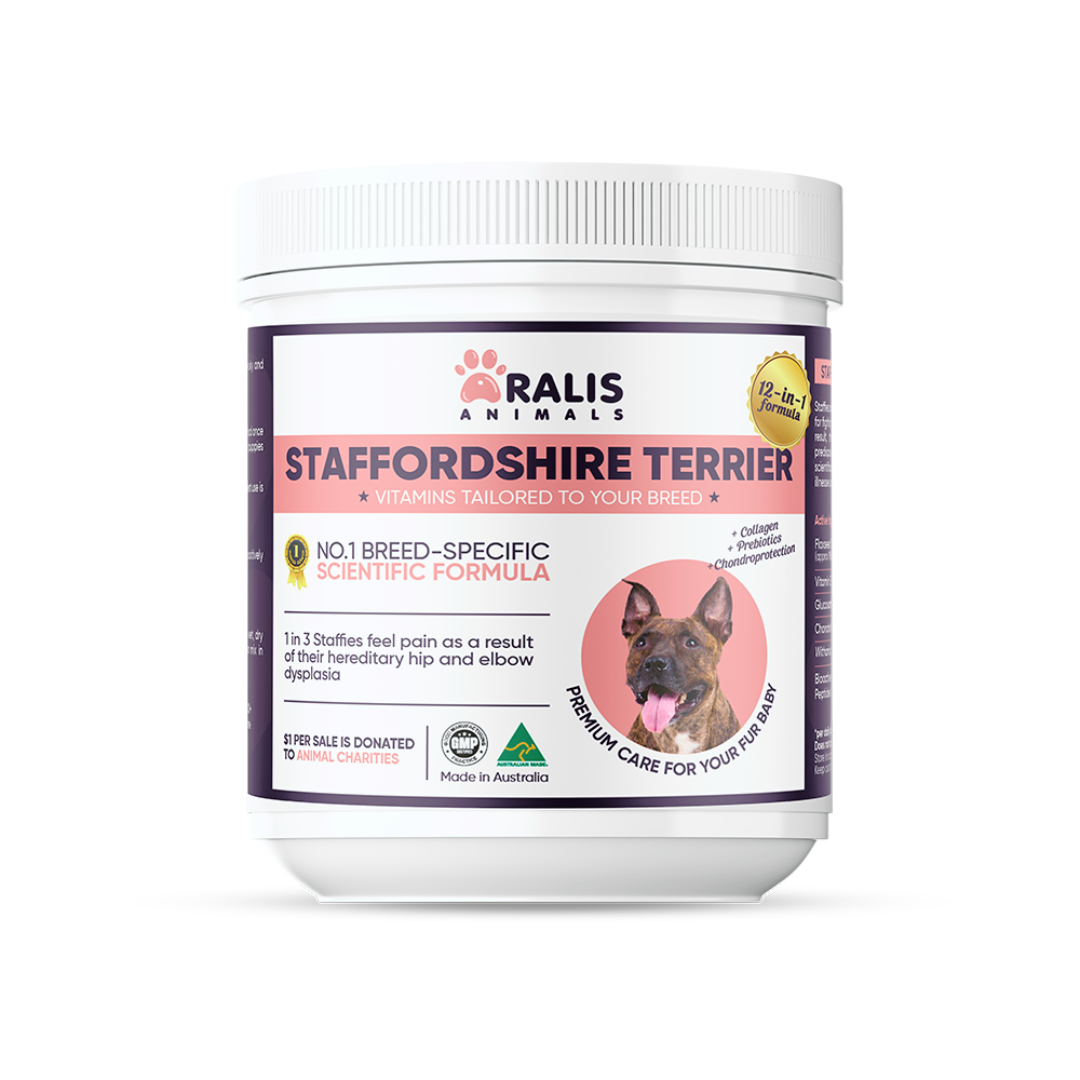
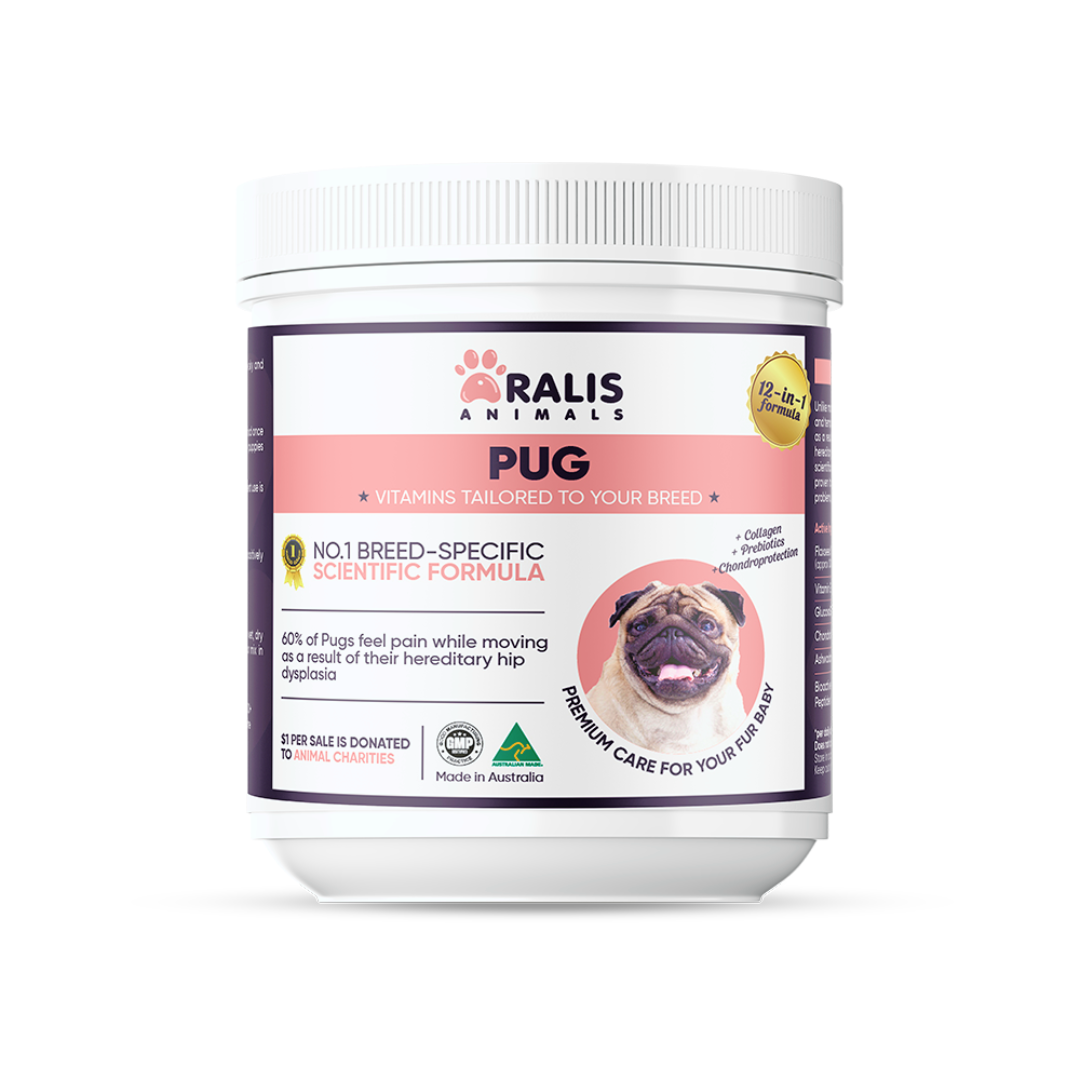
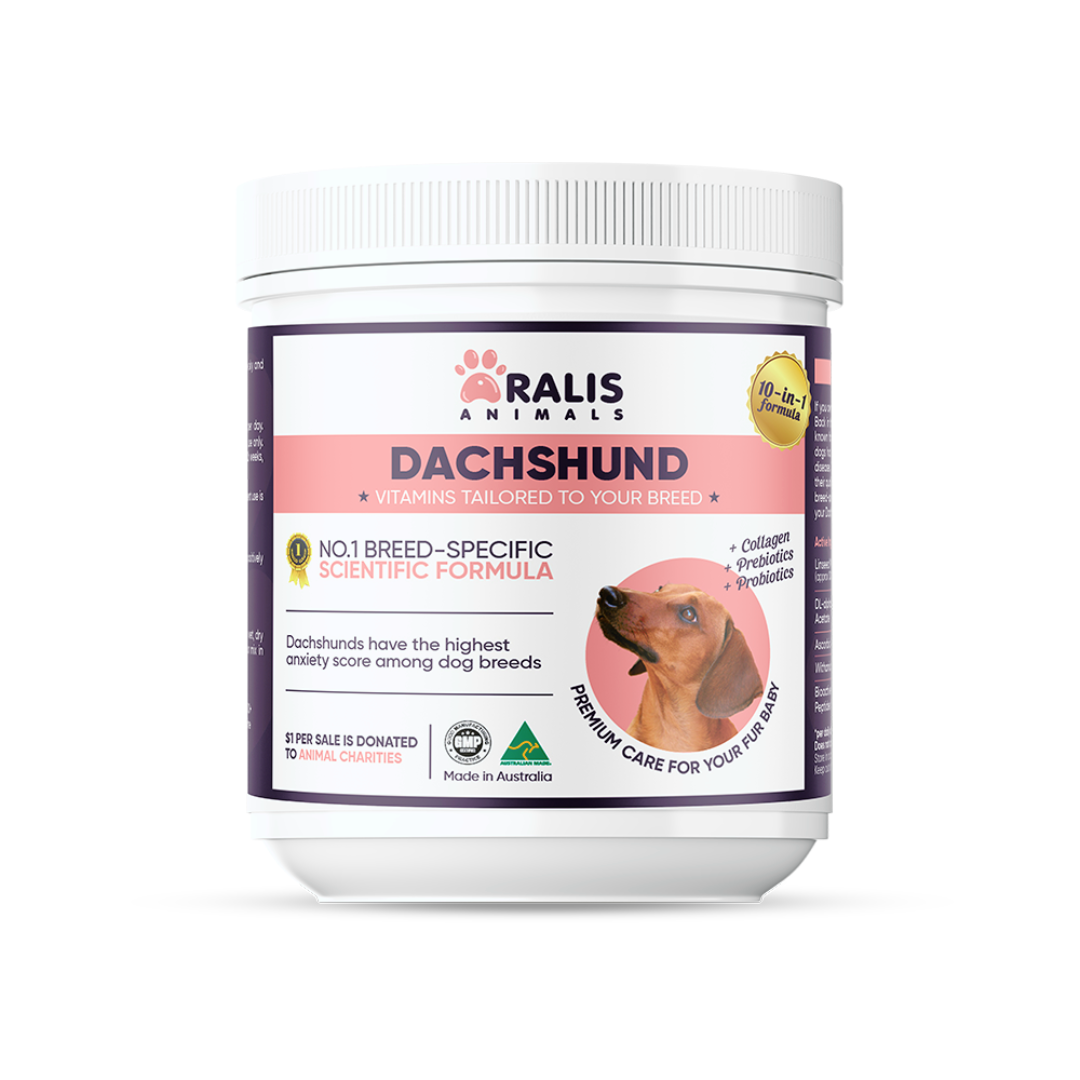
Strengthening your dog's immune system through a balanced diet, probiotics, and other immune-boosting supplements can help reduce the severity and frequency of allergic reactions. Adding a daily supplement like Aralis Animals Multivitamins can also help support skin, gut, and immune health long term.
Identifying and Eliminating Triggers
Keeping a detailed record of your dog's symptoms and potential triggers can help you pinpoint the specific allergens causing the issue. Once identified, you can work to eliminate or minimize your dog's exposure to these triggers.
Monitoring and Tracking Progress
Regularly monitoring your dog's skin health and tracking their progress can help you fine-tune the treatment plan and ensure that the natural approaches are effectively addressing the underlying problem.
When to Consult a Professional
While natural remedies can be incredibly beneficial, there may be times when seeking the guidance of a veterinary professional is necessary. If your dog's symptoms persist or worsen, or if you notice signs of secondary infections, it's important to schedule a consultation.
Your veterinarian can provide a comprehensive evaluation, rule out other potential health issues, and recommend a tailored treatment plan that may include a combination of natural and traditional approaches.
Conclusion
Navigating the world of dog skin allergies can be a challenging journey, but with the right knowledge and a holistic approach, you can help your furry companion find relief and achieve long-term skin health. By incorporating natural strategies, identifying and eliminating triggers, and working closely with your veterinarian, you can empower your dog to live a comfortable, itch-free life.
Remember, every dog is unique, so be patient, stay vigilant, and don't hesitate to seek professional guidance when needed. With a little TLC and a commitment to your dog's well-being, you can conquer those pesky skin allergies and restore your pup's radiant glow.