

Dog Pollen Allergies: Signs Your Pooch May Be Reacting to Seasonal Changes

As the seasons change and nature comes alive with blooming flowers and budding trees, many dog owners notice their beloved companions becoming increasingly uncomfortable. If your furry friend is scratching more than usual, shaking their head frequently, or displaying other unusual behaviors during spring and summer months, they may be experiencing dog pollen allergies. Understanding the signs of seasonal allergies in dogs is crucial for maintaining your pet's health and quality of life. This comprehensive guide will help you identify whether your pooch is reacting to seasonal changes and what you can do about it.
Understanding Seasonal Allergies in Dogs
Seasonal allergies in dogs, also known as atopic dermatitis or environmental allergies in dogs, occur when a dog's immune system overreacts to allergens present in the environment during specific times of the year. Unlike food allergies that persist year-round, seasonal allergies typically emerge during spring and summer when pollen counts are at their highest. These allergies affect a significant portion of the canine population, making them one of the most common health concerns pet owners face.
Pollen allergies are particularly prevalent during spring and early summer months when trees, grasses, and weeds release their pollen into the air. When dogs inhale or come into contact with these allergens, their immune systems may perceive them as threats and trigger an allergic response. This reaction manifests in various ways, and recognizing these symptoms early can help you provide timely relief for your furry companion.
Common Signs of Dog Pollen Allergies
The symptoms of dog seasonal allergies can vary from mild to severe, and they often develop gradually as pollen counts increase. One of the most noticeable dog seasonal allergies symptoms is excessive itching and scratching. You may observe your dog constantly scratching their skin, sometimes to the point of causing hair loss or open wounds. This itching can be so intense that it disrupts your dog's sleep and overall well-being.
Skin irritation and rashes are another hallmark of dog allergies. Your pet's skin may appear red, inflamed, or develop a rash, particularly in areas where they scratch frequently. These areas often include the paws, ears, face, and underside of the body. Some dogs develop what's known as a "hot spot," which is an inflamed, infected area of skin that requires immediate attention.
Ear infections are surprisingly common in dogs with seasonal allergies. If your dog is allergic to grass or other environmental allergens, you might notice them shaking their head frequently, scratching at their ears, or developing a foul odor coming from their ear canal. These ear infections can be painful and may require veterinary treatment to prevent complications.
Watery eyes and sneezing are also typical dog allergic to grass and pollen symptoms. Your dog may have discharge from their eyes or nose, and you might hear them sneezing more frequently than usual. Some dogs also experience excessive drooling or develop a runny nose during allergy season.
Paw licking and chewing is another behavior to watch for. Dogs with environmental allergies in dogs often focus their attention on their paws, licking and chewing them excessively. This behavior can lead to secondary infections and further discomfort if left unaddressed.
Environmental Triggers and Seasonal Patterns
Understanding what triggers your dog's allergies is essential for managing their symptoms effectively. Dog allergic to grass is one of the most common presentations of seasonal allergies. Grass pollen is particularly abundant during late spring and summer, making these months challenging for affected dogs. When dogs walk through grass or lie on lawns, they come into direct contact with grass pollen, which can trigger allergic reactions.
Tree and weed pollen also play significant roles in triggering dog seasonal allergies. Different regions have different pollen seasons, so the timing of your dog's symptoms can help identify the specific allergen. For example, tree pollen is typically most prevalent in spring, while ragweed pollen peaks in late summer and fall.
Mold spores are another environmental allergen that can affect dogs. Mold thrives in warm, humid conditions and can be present both indoors and outdoors. Some dogs may experience year-round symptoms if they're allergic to mold, though symptoms often worsen during humid months.
Recognizing the seasonal pattern of your dog's symptoms is crucial. If your dog's itching and discomfort consistently appear during specific months and improve during others, seasonal allergies are likely the culprit. Keeping a symptom diary can help you identify these patterns and provide valuable information to your veterinarian.
Distinguishing Seasonal from Year-Round Allergies
While seasonal allergies follow a predictable pattern tied to environmental changes, year-round allergies persist throughout the year. The timing of your dog's symptoms is the primary distinguishing factor. If your dog only experiences symptoms during spring and summer, seasonal allergies are the likely cause. However, if symptoms persist year-round or worsen during specific seasons, your dog may have multiple allergies or a combination of seasonal and year-round triggers.
The severity of symptoms can also differ between seasonal and year-round allergies. Seasonal allergies typically show a gradual increase in severity as pollen counts rise and then improve as the season changes. Year-round allergies maintain a relatively consistent level of severity throughout the year.
Certain dog breeds are more predisposed to developing allergies than others. Breeds such as Retrievers, Terriers, Bulldogs, and Boxers are known to have higher rates of common dog allergies. If your dog belongs to one of these breeds, you should be particularly vigilant about monitoring for allergy symptoms.
Dog Allergies Treatment Options
When you suspect your dog has seasonal allergies, the first step is to consult with your veterinarian. They can perform various diagnostic methods to confirm allergies and rule out other conditions. Skin scrapings, fungal cultures, and allergy testing can help identify the specific allergens affecting your dog.
Medication is often the first line of treatment for dog allergies. Antihistamines, corticosteroids, and other prescription medications can help reduce inflammation and itching. Your veterinarian will recommend the most appropriate medication based on your dog's specific symptoms and health status.
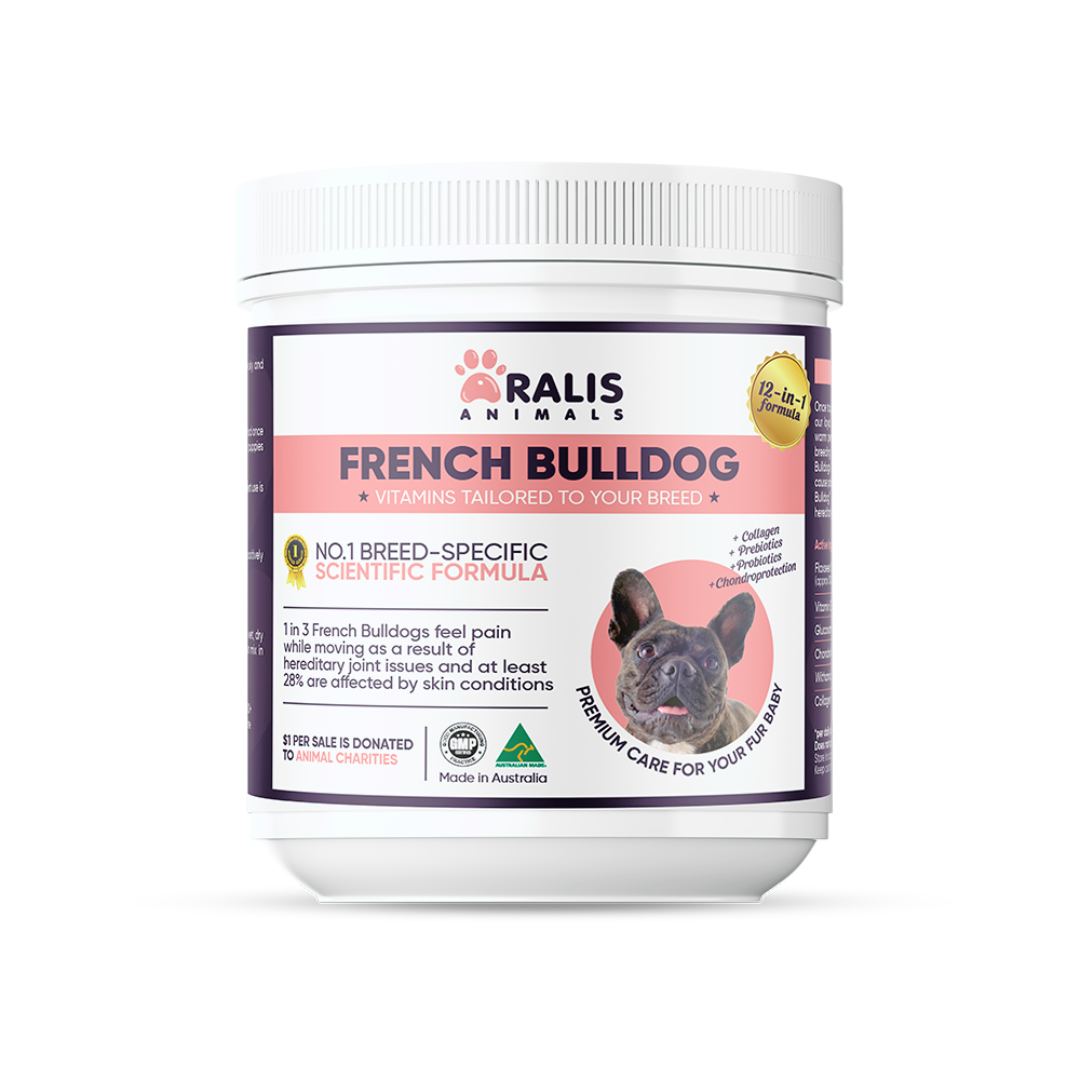
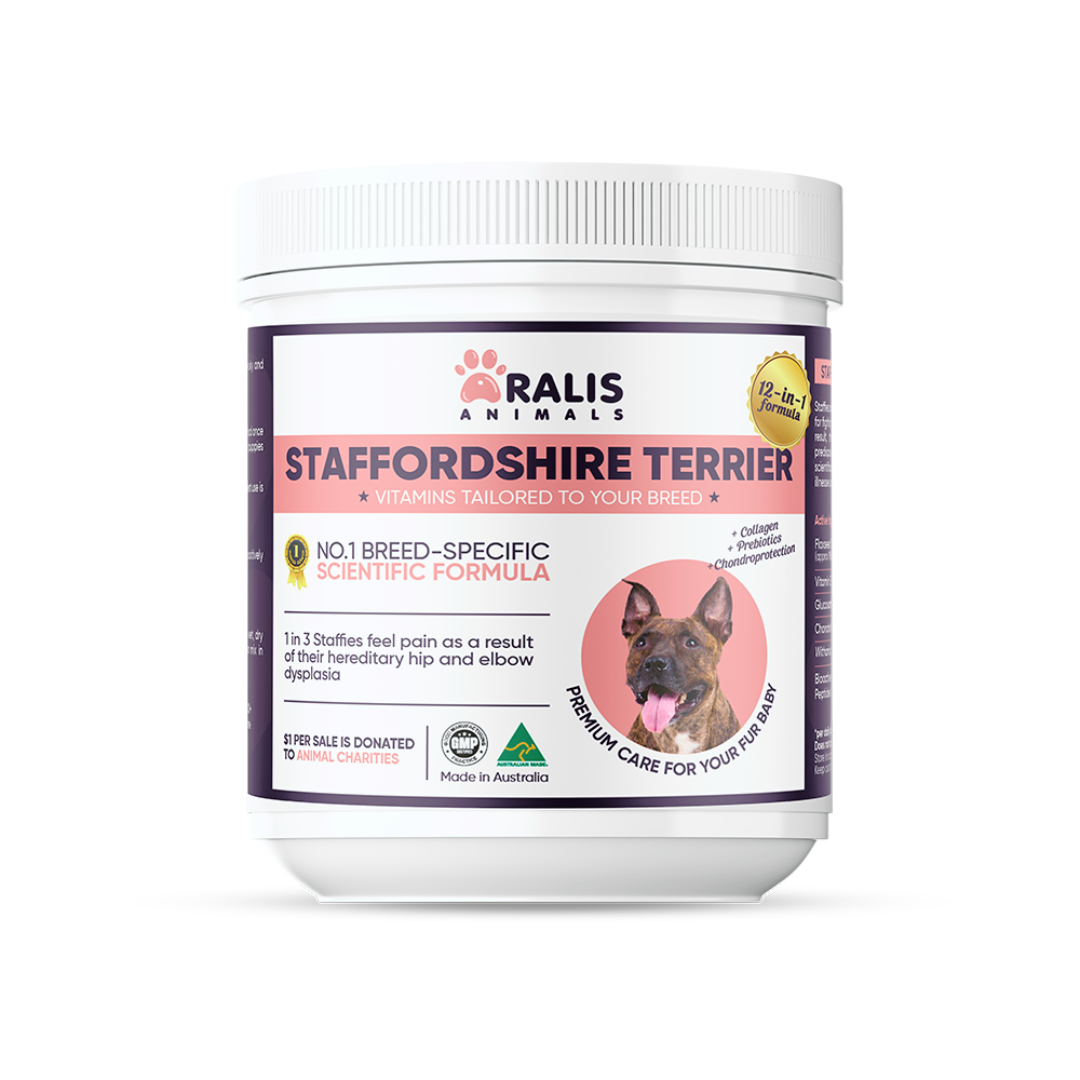
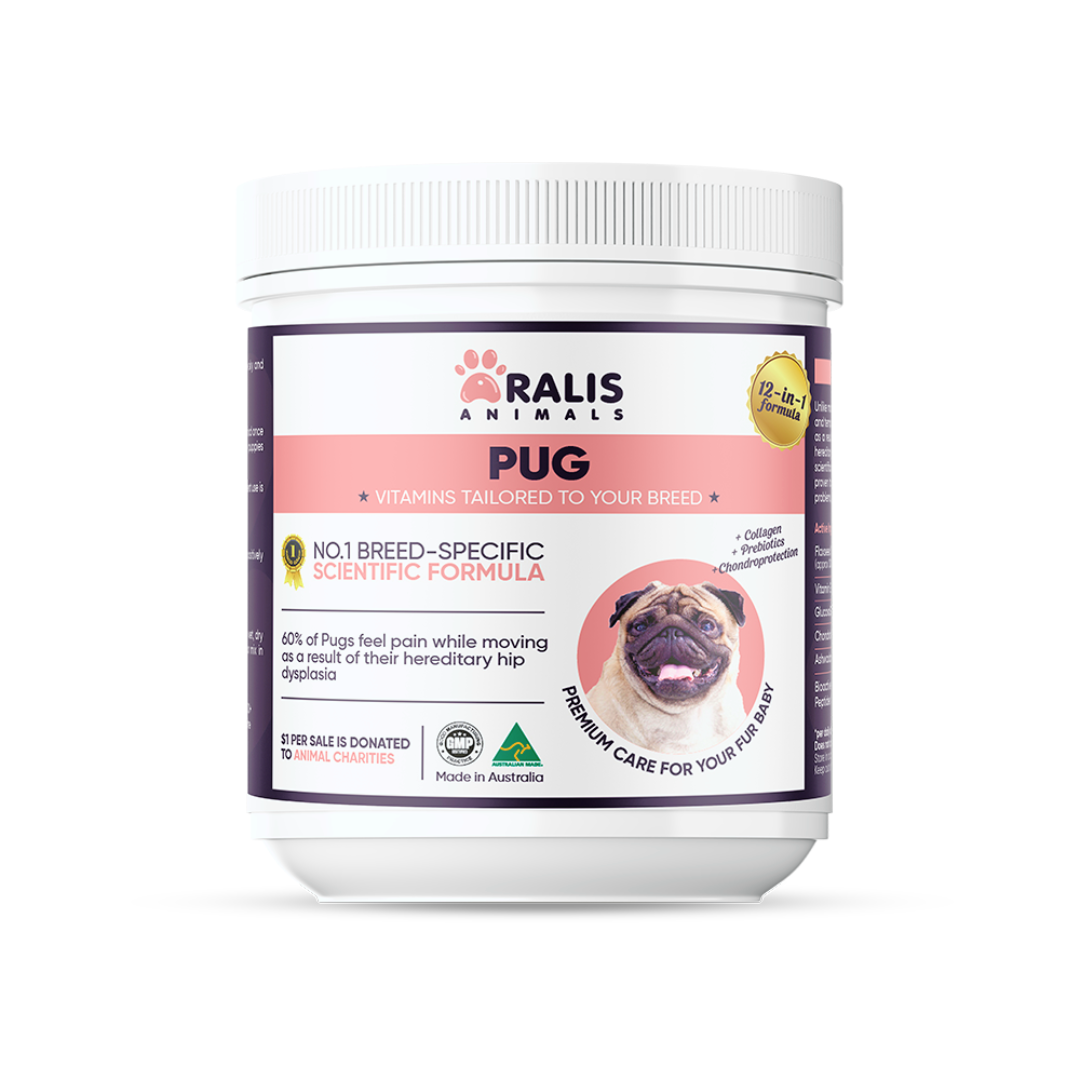
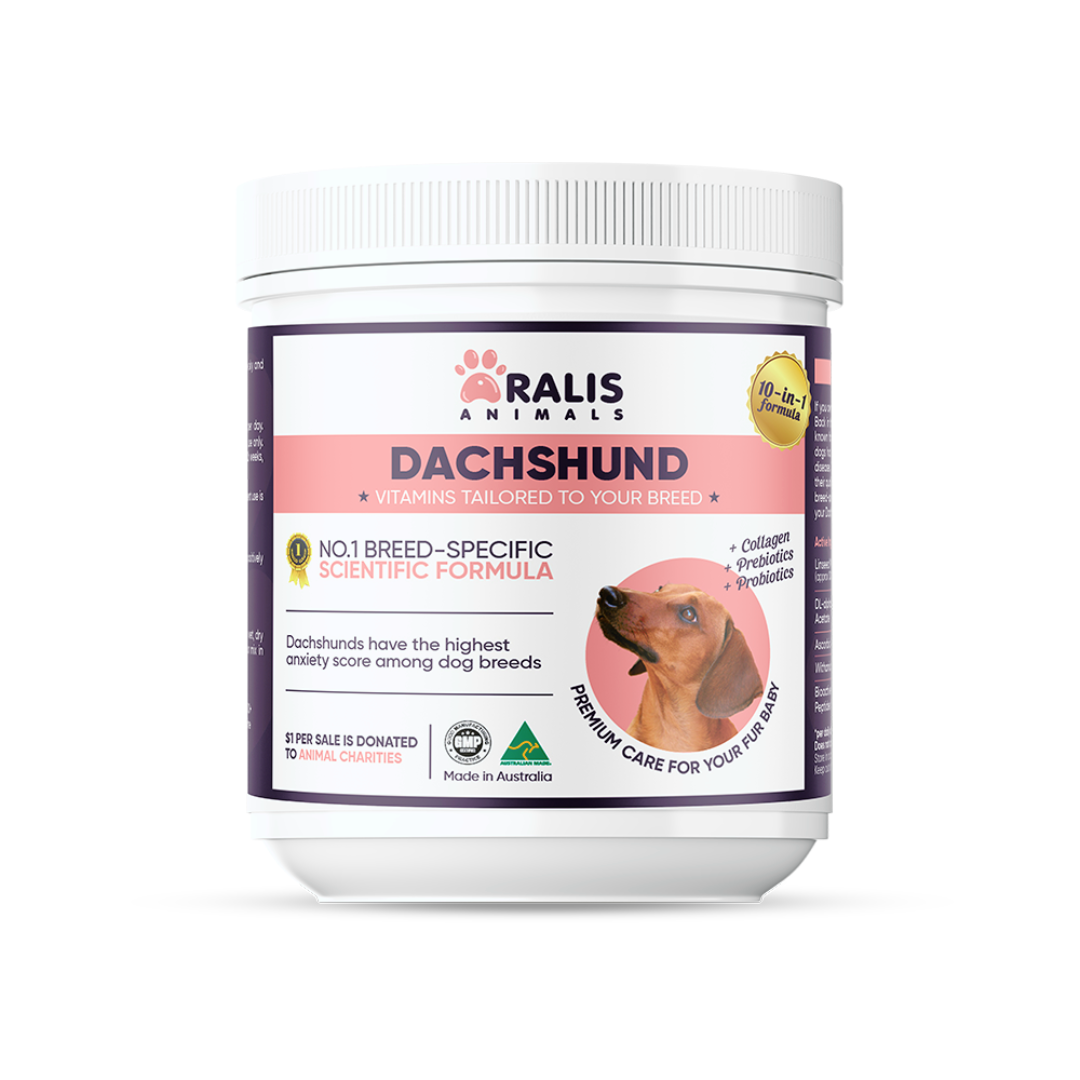
Supplements specifically formulated for dogs with allergies can provide additional support. Omega-3 fatty acids, probiotics, and other breed-specific supplements can help strengthen your dog's immune system and reduce allergic responses. Aralis Animals offers tailored supplement solutions designed to elevate your pet's health and address specific health concerns, including seasonal allergies. Support calmer skin and happier paws here.
Home remedies and prevention strategies can also help manage symptoms. Regular bathing with hypoallergenic shampoos can remove pollen from your dog's coat and skin. Wiping your dog's paws when they come inside can reduce the amount of pollen they track into your home.
Prevention and Management Tips
Implementing preventive measures can significantly reduce your dog's exposure to allergens. Regular bathing and grooming practices help remove pollen from your dog's coat before it causes irritation. Using hypoallergenic or oatmeal-based shampoos can soothe irritated skin while cleansing.
Environmental controls are equally important. During high pollen season, keep windows closed and use air filters in your home to reduce indoor pollen levels. Wash your dog's bedding frequently to remove accumulated pollen. Consider using a humidifier or dehumidifier to maintain optimal humidity levels, as this can help reduce mold spores.
Diet adjustments can also support your dog's immune system. Foods rich in omega-3 fatty acids and antioxidants can help reduce inflammation and support skin health. Ensuring your dog receives proper nutrition is fundamental to managing allergies effectively.
When to See a Vet
While some seasonal allergy symptoms can be managed at home, certain situations warrant professional veterinary care. If your dog's symptoms persist despite home management efforts, or if you notice signs of secondary infections such as pus, excessive redness, or a foul odor, contact your veterinarian immediately.
Persistent scratching that leads to open wounds or bleeding requires professional attention to prevent infection. Additionally, if your dog develops signs of ear infections such as head shaking, ear discharge, or odor, veterinary diagnosis and treatment are essential.
Professional diagnosis is important because other conditions can mimic allergy symptoms. Your veterinarian can rule out parasites, fungal infections, and other health issues that may require different treatment approaches.
Conclusion
Recognizing the signs of dog pollen allergies is the first step toward helping your beloved companion enjoy the changing seasons comfortably. From excessive itching and skin irritation to ear infections and watery eyes, the symptoms of seasonal allergies in dogs are varied but identifiable. By understanding the environmental triggers and seasonal patterns specific to your dog, you can take proactive steps to manage their symptoms effectively.
Early detection and intervention are crucial for preventing complications and maintaining your dog's quality of life. Whether through veterinary treatment, home management strategies, or breed-specific supplements from Aralis Animals, there are numerous ways to support your dog's health during allergy season. If you suspect your dog is experiencing seasonal allergies, consult with your veterinarian and explore tailored supplement solutions designed to elevate your pet's health and address their specific needs. With proper care and attention, your pooch can enjoy every season comfortably and happily.