

Dog Limping but Acting Normal? What It Could Mean and How to Support Them

If you've noticed your beloved dog limping but still wagging their tail and playing as usual, you're probably feeling confused and concerned. This common situation leaves many pet owners wondering whether they should rush to the veterinarian or simply monitor their furry friend at home. The truth is, a dog limping while acting normal can indicate anything from a minor injury to a more serious underlying condition that requires attention. Understanding what might be causing your dog's limp and knowing how to respond appropriately is essential for every responsible pet owner.
Common Causes of Dog Limping
Minor Injuries and Strains
One of the most frequent reasons dogs develop a limp is a minor injury such as a sprain or strain. Dogs are active creatures who love to run, jump, and explore their surroundings, which means they're prone to minor mishaps. Your dog might have stepped awkwardly during playtime, twisted a leg while running, or experienced a small fall that resulted in a temporary limp. These minor injuries often resolve on their own within a few days to a week with proper rest and care.
Joint Issues and Arthritis
Arthritis and other joint problems are particularly common in older dogs, but they can affect dogs of any age. When a dog has arthritis, the cartilage in their joints deteriorates, causing inflammation and discomfort. Interestingly, some dogs with arthritis continue to act relatively normal, especially if the condition is in its early stages. They might limp, particularly after rest or during cold weather, but still maintain their usual personality and appetite. This is why a dog limping but showing no sign of pain can be especially tricky to diagnose without professional evaluation.
Muscle Soreness
Just like humans, dogs can experience muscle soreness after strenuous activity. If your dog had an unusually active day at the park, went for a longer hike than usual, or engaged in intense play sessions, they might develop sore muscles that cause them to limp the next day. This type of soreness typically improves with rest and gentle movement.
Paw Problems
Sometimes the issue is right under your nose—literally at your dog's paws. Dogs can develop cuts, splinters, thorns, or infections in their paws that cause them to limp. Additionally, issues like nail problems, pad injuries, or even allergic reactions affecting the paws can result in limping. Always check your dog's paws carefully when you notice a limp, as these problems are often easily treatable once identified.
Bone and Ligament Problems
More serious causes of limping include fractures, ligament tears, or other structural problems. A dog limping back leg or dog limping front leg could indicate issues with the bones or ligaments in that limb. Conditions like cruciate ligament tears are particularly common in dogs and can cause significant lameness in dogs, even if your pet continues to act relatively normal.
Age-Related Factors
As dogs age, they naturally experience changes in their mobility. Senior dogs might develop a limp due to various age-related conditions, including degenerative joint disease, muscle weakness, or neurological issues. The fact that your dog has a limp back leg or hind leg limp doesn't necessarily mean they're in severe pain; it might simply be a sign that their body is aging.
Why Your Dog Might Show No Signs of Pain
Pain Tolerance in Dogs
Dogs have a remarkable ability to tolerate pain, which is quite different from humans. This evolutionary trait helped their wild ancestors survive in challenging environments. Your dog might be experiencing discomfort but not showing obvious signs because they're naturally inclined to hide their pain. This is why my dog is limping but shows no sign of pain is such a common concern among pet owners.
Behavioral Masking
Dogs are also skilled at masking their discomfort through behavioral adaptation. They might continue to play, eat normally, and interact with their family members while still experiencing pain from their injury or condition. This doesn't mean the problem isn't serious; it simply means your dog is being stoic about their situation.
Mild Versus Severe Injuries
The severity of the underlying issue doesn't always correlate with how much pain a dog displays. A dog with a mild sprain might limp noticeably but feel minimal pain, while a dog with a more serious condition might show fewer outward signs of discomfort. This is why professional veterinary evaluation is so important.
When to Worry: Red Flags
Signs Requiring Veterinary Attention
While a dog limping but acting normal might not be an emergency, certain signs warrant immediate veterinary attention. If your dog suddenly limping back leg or front leg and also shows signs of severe pain, inability to bear weight on the affected limb, swelling, or heat around the joint, contact your veterinarian promptly. Additionally, if your dog has a limp back leg accompanied by loss of bladder or bowel control, this could indicate a serious neurological issue.
Duration and Progression
Pay attention to how long your dog's limp persists. If the limping continues for more than a few days without improvement, or if it progressively worsens, schedule a veterinary appointment. Similarly, if your dog's limp comes and goes or seems to shift between different legs, this pattern might indicate a more complex issue.
Additional Symptoms to Monitor
Watch for other symptoms that might accompany the limping. Fever, loss of appetite, lethargy, excessive licking of the affected limb, or behavioral changes should all prompt a veterinary visit. These symptoms, combined with lameness in dogs, might indicate infection, injury, or systemic illness.
How to Support Your Limping Dog at Home
Rest and Activity Modification
The first step in supporting a limping dog is to provide adequate rest. Limit strenuous activities, avoid jumping and running, and keep play sessions short and gentle. Restrict access to stairs if possible, and provide a comfortable, supportive bed for your dog to rest on. This allows the body to focus its energy on healing.
Joint Supplements and Breed-Specific Nutrition
Proper nutrition plays a crucial role in supporting your dog's joint health and overall recovery. Breed-specific supplements tailored to your dog's particular needs can provide essential nutrients that support joint function and reduce inflammation. Look for supplements containing glucosamine, chondroitin, and omega-3 fatty acids, which are known to support joint health and mobility in dogs.
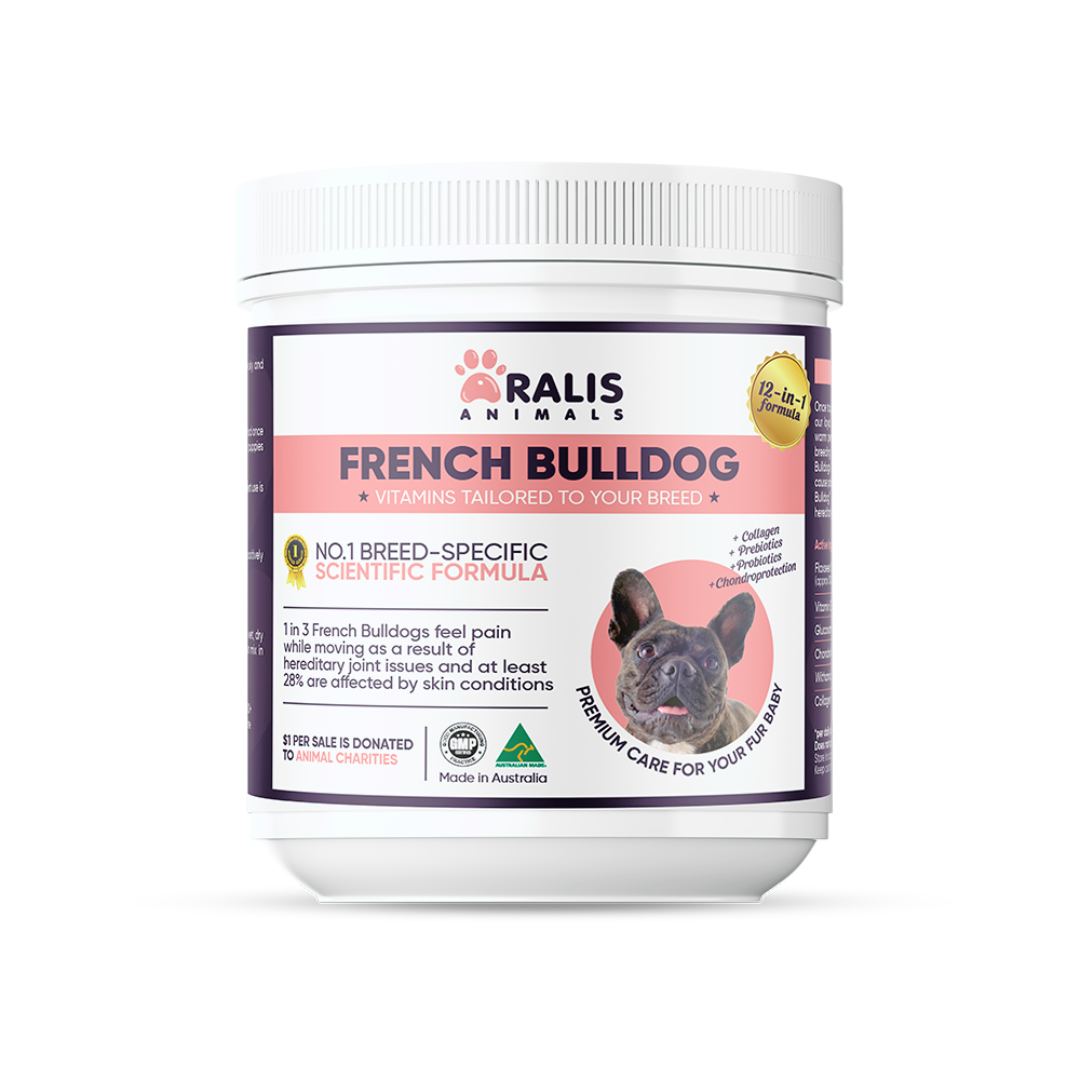
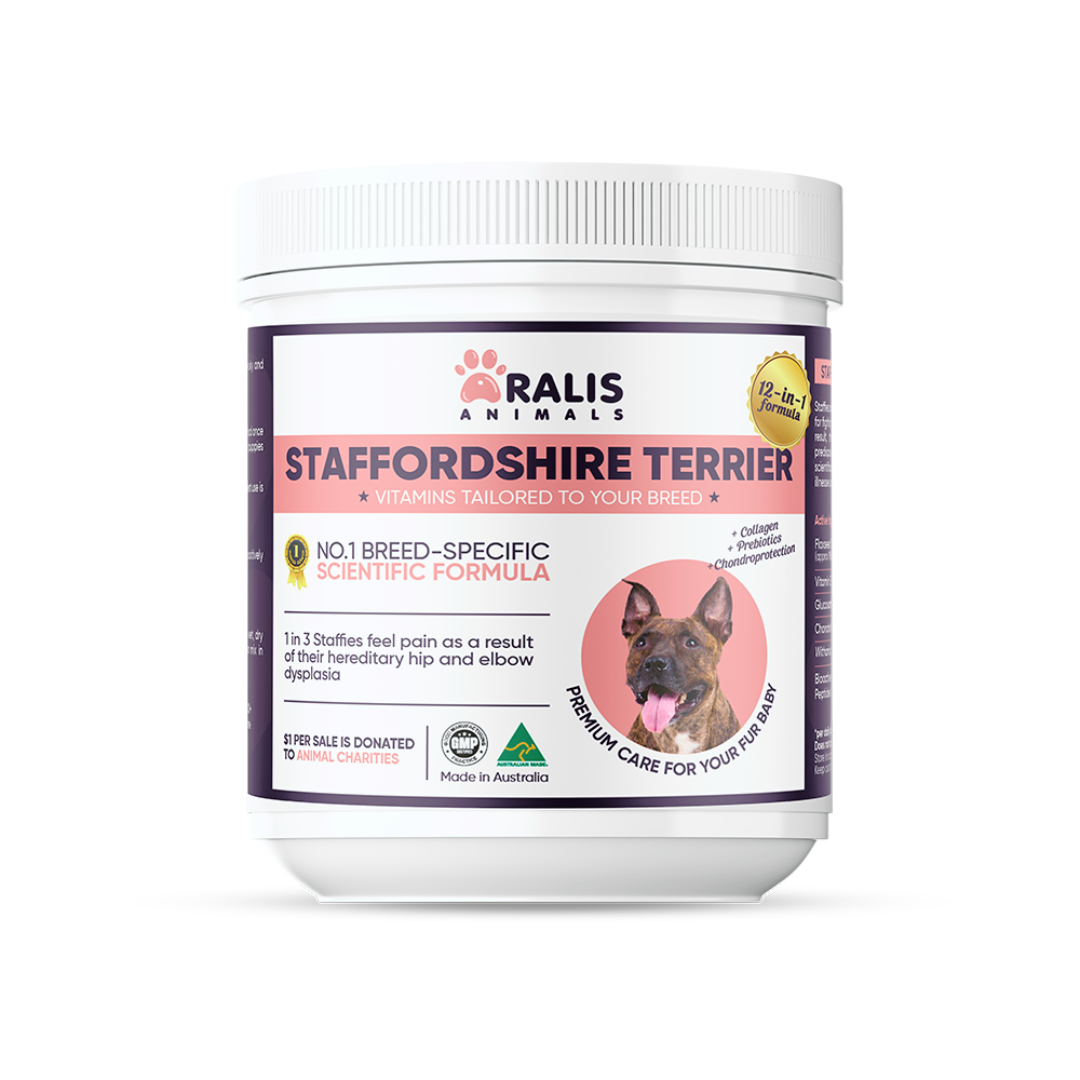
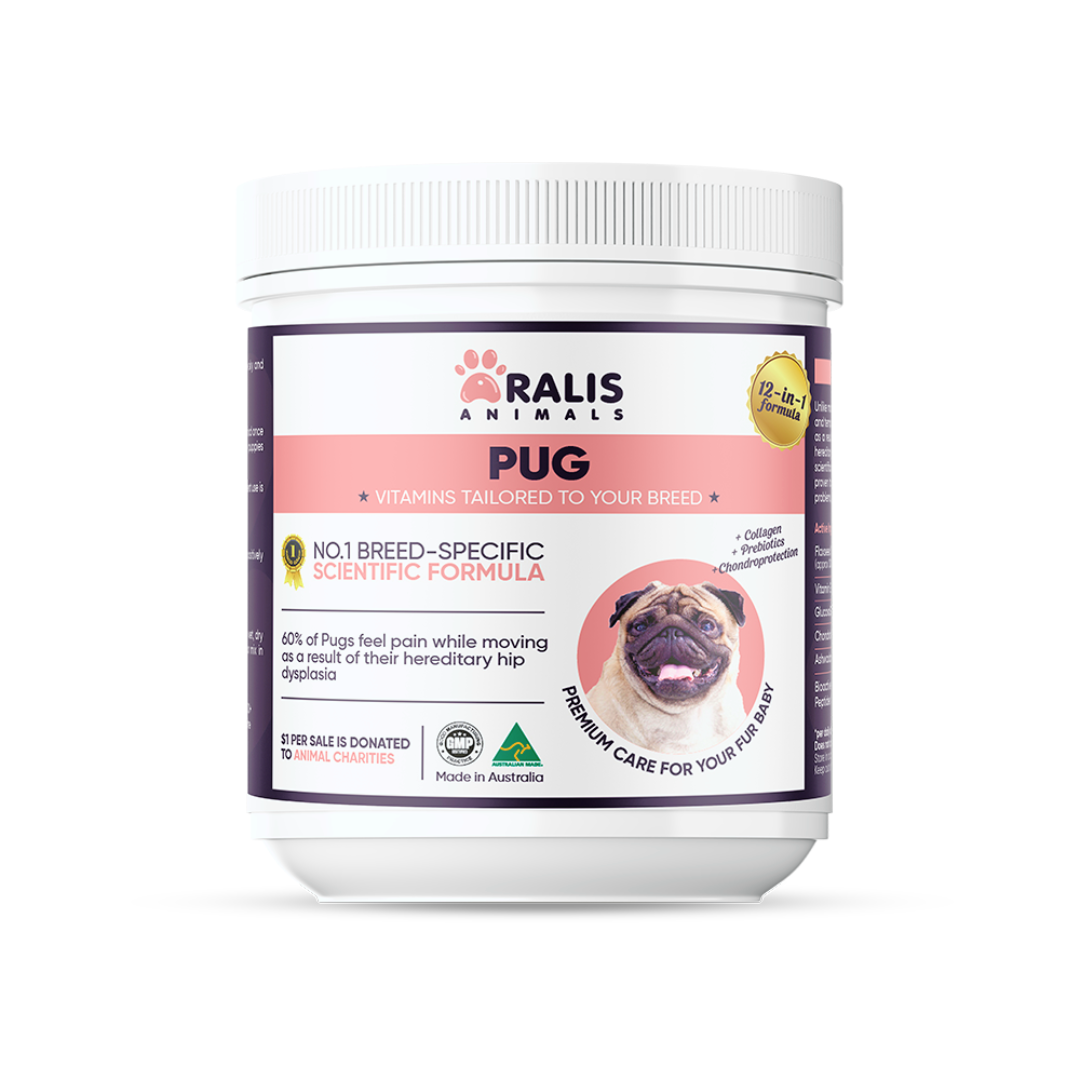
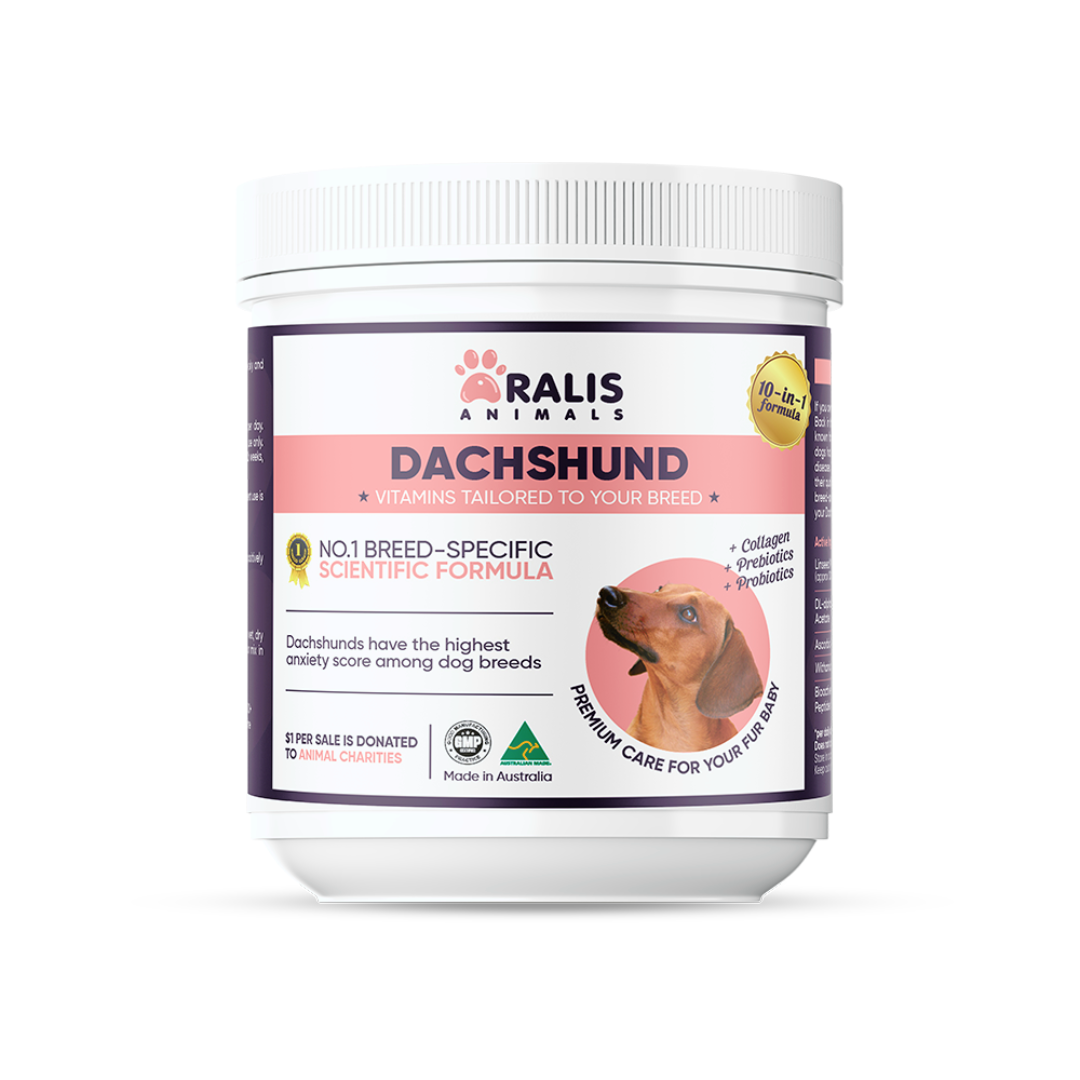
If your pooch is starting to show signs of stiffness or limping, targeted support with glucosamine, chondroitin, and omega-3 fatty acids can help maintain joint health and reduce inflammation. Our Aralis Animals multivitamins are formulated with these key nutrients to support mobility and comfort—click here to explore more.
Physical Therapy Exercises
Gentle physical therapy exercises can help maintain muscle strength and improve mobility. Slow, controlled walks on soft surfaces like grass are beneficial. Your veterinarian can recommend specific exercises appropriate for your dog's condition. Avoid high-impact activities until your dog has fully recovered.
Comfort Measures
Provide your dog with orthopedic bedding that supports their joints and reduces pressure on affected limbs. Keep your home at a comfortable temperature, as cold weather can exacerbate joint problems. Consider using ramps or steps to help your dog access furniture or vehicles without straining their limbs.
Monitoring and Tracking
Keep detailed notes about your dog's limping patterns, including when it's worse, what activities seem to trigger it, and any improvements you notice. This information will be valuable for your veterinarian and will help you track your dog's progress over time.
Preventive Care and Long-Term Support
Maintaining Healthy Weight
Excess weight puts additional stress on your dog's joints and can exacerbate limping and lameness. Maintaining a healthy weight through proper nutrition and regular exercise is one of the best preventive measures you can take.
Regular Exercise
Consistent, moderate exercise helps keep your dog's muscles strong and joints flexible. Regular walks and appropriate play sessions support overall health and can prevent many joint-related issues.
Quality Nutrition and Supplements
Invest in high-quality dog food and consider breed-specific supplements that address your dog's particular health needs. Proper nutrition is the foundation of good health and can significantly impact your dog's mobility and quality of life.
Veterinary Check-ups
Regular veterinary check-ups allow your veterinarian to catch potential problems early. Don't wait until your dog is limping to schedule a visit; preventive care is always better than reactive treatment.
Conclusion
A dog limping but acting normal can be puzzling and concerning for pet owners, but understanding the potential causes and knowing how to respond appropriately can help you provide the best care for your furry companion. While some cases of limping resolve on their own with rest and care, others require professional veterinary evaluation and treatment. Pay attention to your dog's symptoms, monitor their progress, and don't hesitate to consult your veterinarian if you're concerned.
Supporting your dog's joint health and overall wellness through proper nutrition, breed-specific supplements, appropriate exercise, and preventive care can make a significant difference in their quality of life. At Aralis Animals, we understand that every dog is unique, and their health needs vary based on their breed, age, and individual circumstances. Our breed-specific supplements are designed to support your dog's joint health, mobility, and overall wellness. If your dog is limping or showing signs of joint discomfort, consider incorporating targeted supplements into their daily routine to support their recovery and long-term health. Your dog depends on you to notice changes in their behavior and mobility—trust your instincts and seek professional guidance when needed.