

Dog Keeps Scratching and Biting Skin? Understanding the Root Cause

If you've noticed your beloved canine companion constantly scratching, biting, and licking their skin, you're not alone. This is one of the most common concerns pet owners bring to veterinarians, and it can be incredibly frustrating to watch your dog struggle with discomfort. The incessant scratching not only affects your dog's quality of life but can also lead to secondary skin infections and behavioral issues. Understanding why your dog is experiencing this itching is the first step toward providing relief and restoring their comfort and happiness.
Common Causes of Dog Scratching
Dog itching and scratching can stem from numerous underlying causes, and identifying the specific trigger is essential for effective treatment. Let's explore the most common culprits behind your dog's skin distress.
Fleas and Parasites
Fleas remain one of the most prevalent causes of dog scratching. Even a single flea bite can trigger intense itching in sensitive dogs, and these parasites multiply rapidly. Beyond fleas, other parasites like lice, mites, and mange can cause severe itching and skin damage. Regular flea prevention is crucial, but it's important to note that not all scratching indicates a flea infestation.
Allergies
Allergies are increasingly common in dogs and can manifest in various forms. Food allergies occur when your dog's immune system reacts negatively to certain ingredients in their diet, such as chicken, beef, wheat, or dairy. Environmental allergies develop when dogs react to pollen, dust mites, mold, or other airborne allergens. Contact allergies result from direct skin contact with irritating substances like certain shampoos, fabrics, or cleaning products. Dog skin allergies often cause localized or generalized itching, and identifying the specific allergen requires careful observation and sometimes elimination diets.
Skin Infections
Bacterial and fungal infections can cause significant discomfort and itching. Yeast infections are particularly common in dogs, especially in warm, moist areas like ears, paws, and skin folds. Ringworm, despite its name, is a fungal infection that spreads easily and causes circular patches of hair loss and itching. Bacterial infections often develop secondary to scratching, creating a vicious cycle where itching leads to scratching, which damages the skin and allows bacteria to invade.
Dry Skin and Environmental Factors
Environmental conditions significantly impact your dog's skin health. Low humidity, cold weather, excessive bathing, and harsh shampoos can strip natural oils from your dog's skin, leading to dryness and itching. Some dogs are simply more prone to dry skin, particularly certain breeds with specific coat types.
Ear Mites and Other Parasites
Ear mites specifically target the ear canal and surrounding areas, causing intense itching. Dogs with ear mite infections often scratch their ears excessively and shake their heads frequently. These parasites are highly contagious between animals and require specific treatment.
Dog Itching But No Fleas
Many pet owners are puzzled when their dog keeps scratching despite regular flea prevention. This scenario is more common than you might think, and it opens up a broader range of potential causes to investigate.
Allergy Signs and Symptoms
When your dog is itching but no fleas are present, allergies become a prime suspect. Dogs with allergies typically show consistent itching in specific areas or throughout their body. You might notice excessive licking of paws, rubbing their face on furniture, or scratching their ears and belly. Some dogs develop red, inflamed skin or experience hair loss in affected areas. Allergic reactions can be seasonal or year-round, depending on whether the allergen is environmental or food-related.
Skin Condition Indicators
Beyond allergies, various skin conditions can cause itching without flea involvement. Look for signs such as scaling, flaking, unusual odors, or visible lesions. Some dogs develop seborrhea, a condition characterized by oily or dry, flaky skin. Others may have sensitive skin that reacts to minor irritants. Hormonal imbalances can also trigger skin issues and itching, particularly in older dogs or those with thyroid problems.
When to Suspect Non-Flea Causes
If your dog's itching persists despite consistent flea prevention, or if the scratching pattern doesn't match typical flea behavior, non-flea causes are likely. Dogs with flea allergies typically show intense itching concentrated on the lower back and tail base, while allergies and other conditions often cause more generalized itching. Additionally, if multiple pets in your household are scratching, parasites are more likely, but if only one dog is affected, individual allergies or skin conditions become more probable.
Identifying the Root Cause
Determining why your dog has itchy skin requires a systematic approach combining careful observation and professional veterinary expertise.
Observation Tips
Start by documenting your dog's scratching patterns. Note when itching occurs most frequently, which body areas are affected, and whether scratching correlates with specific activities, foods, or environmental changes. Keep a detailed log of your dog's diet, any new products introduced, and seasonal patterns. Examine your dog's skin closely for signs of infection, parasites, or abnormalities. Check their ears for redness, discharge, or odor. These observations provide valuable information for your veterinarian.
Veterinary Diagnosis Importance
Professional veterinary diagnosis is crucial for accurate identification of the cause. Your veterinarian can perform skin scrapings to check for mites, fungal cultures to identify infections, and allergy testing to pinpoint specific allergens. They may recommend an elimination diet to identify food allergies or suggest intradermal allergy testing for environmental allergies. Blood tests can reveal underlying health issues contributing to skin problems. Never underestimate the value of professional expertise in resolving your dog's itching issues.
Common Misdiagnoses
Many pet owners and even some veterinarians may initially assume all scratching indicates fleas. This can delay proper treatment for allergies or infections. Similarly, some cases of food allergies are mistakenly attributed to environmental causes, leading to ineffective treatment. Proper diagnosis prevents wasted time and money on ineffective solutions.
Dog Skin Allergy Treatment Options
Once you've identified the cause of your dog's itching, various treatment options can provide relief and restore skin health.
Veterinary Treatments
Your veterinarian may prescribe medications to manage itching and inflammation. Antihistamines can help with allergic reactions, while corticosteroids reduce inflammation and itching. Antibiotics address bacterial infections, and antifungal medications treat fungal infections. Newer medications like apoquel or cerenia specifically target itching mechanisms in the brain. These treatments provide relief while you address underlying causes.
Home Care Remedies
Regular bathing with hypoallergenic or medicated shampoos can soothe irritated skin and remove allergens. Oatmeal-based shampoos are particularly beneficial for sensitive skin. Omega-3 and omega-6 fatty acid supplements support skin health from within. Regular grooming removes dead skin and improves circulation. Keeping your dog's environment clean and free from dust and mold helps reduce environmental allergen exposure.
Dietary Adjustments
If food allergies are suspected, your veterinarian may recommend an elimination diet using novel protein sources or hydrolyzed proteins that are less likely to trigger reactions. High-quality, grain-free diets benefit some dogs, though this isn't universal. Adding omega-3 rich foods like fish or flaxseed supports skin barrier function and reduces inflammation.
Supplement Support
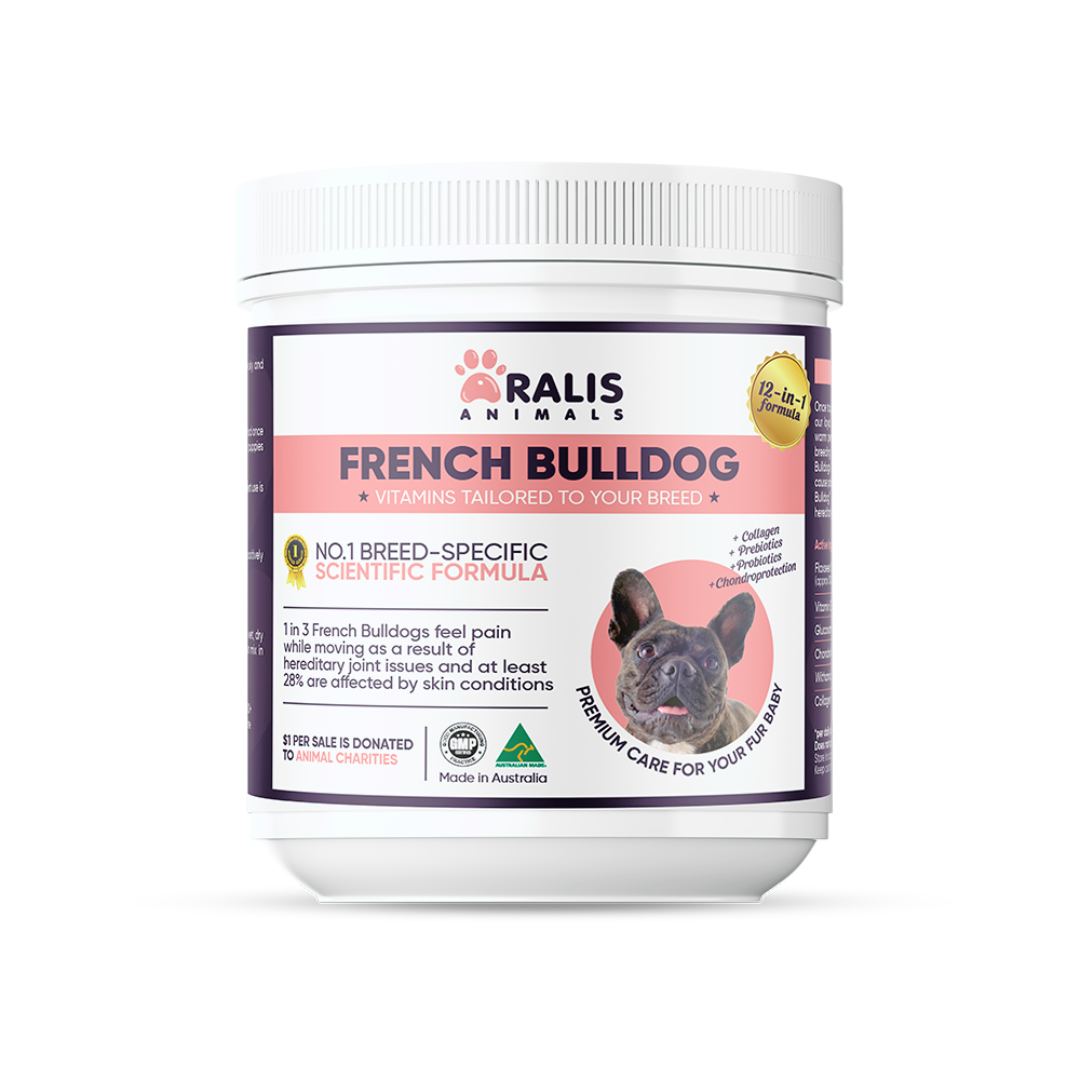
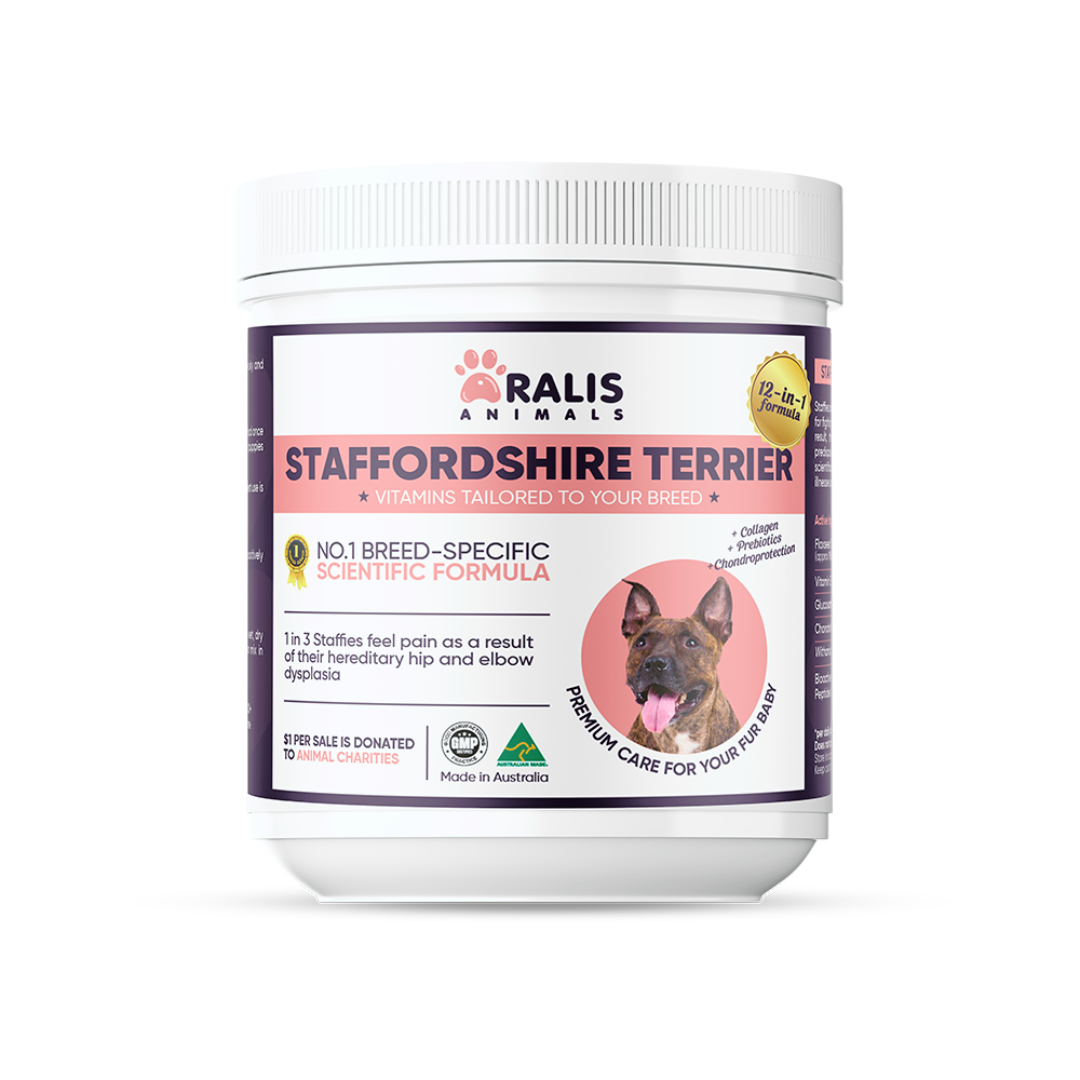
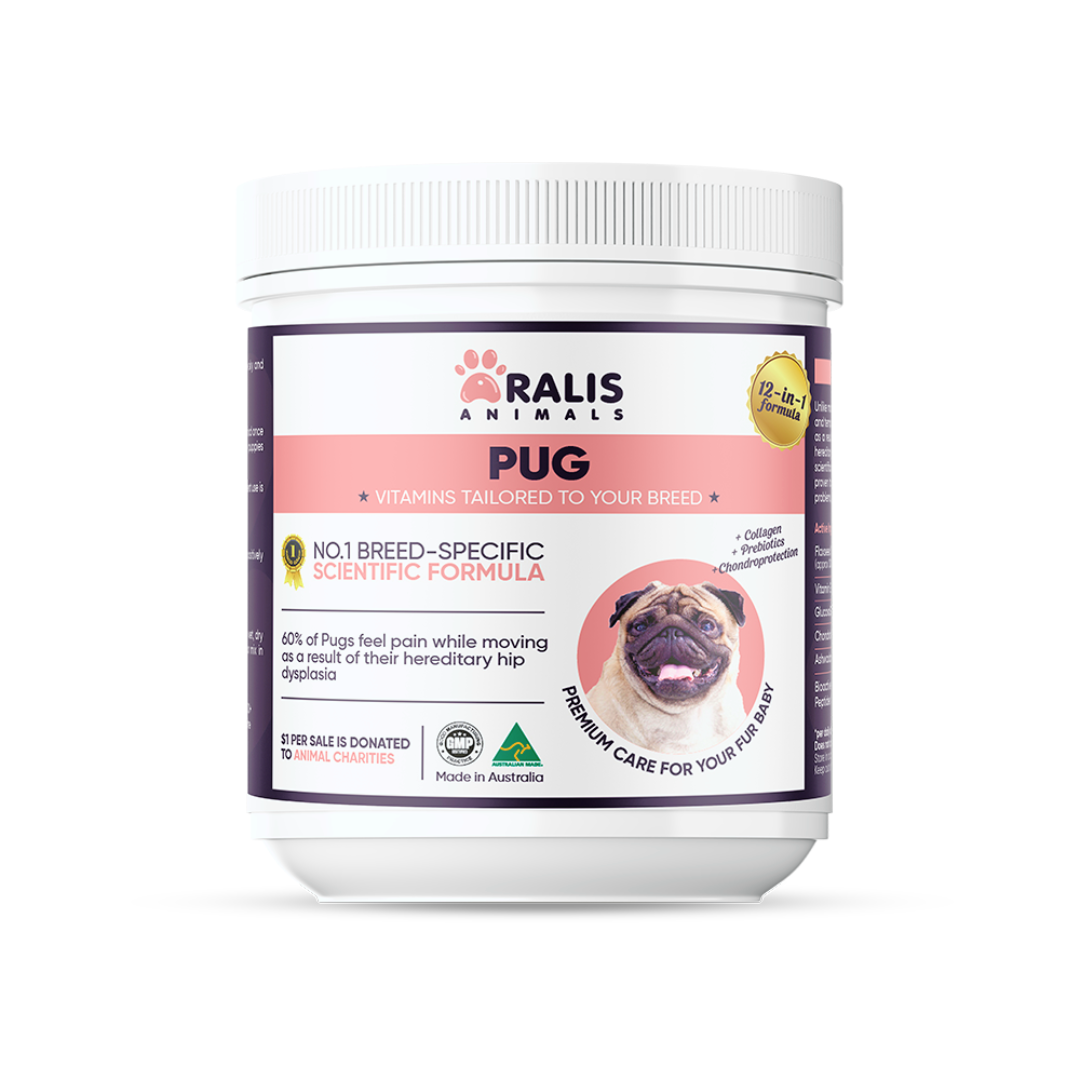
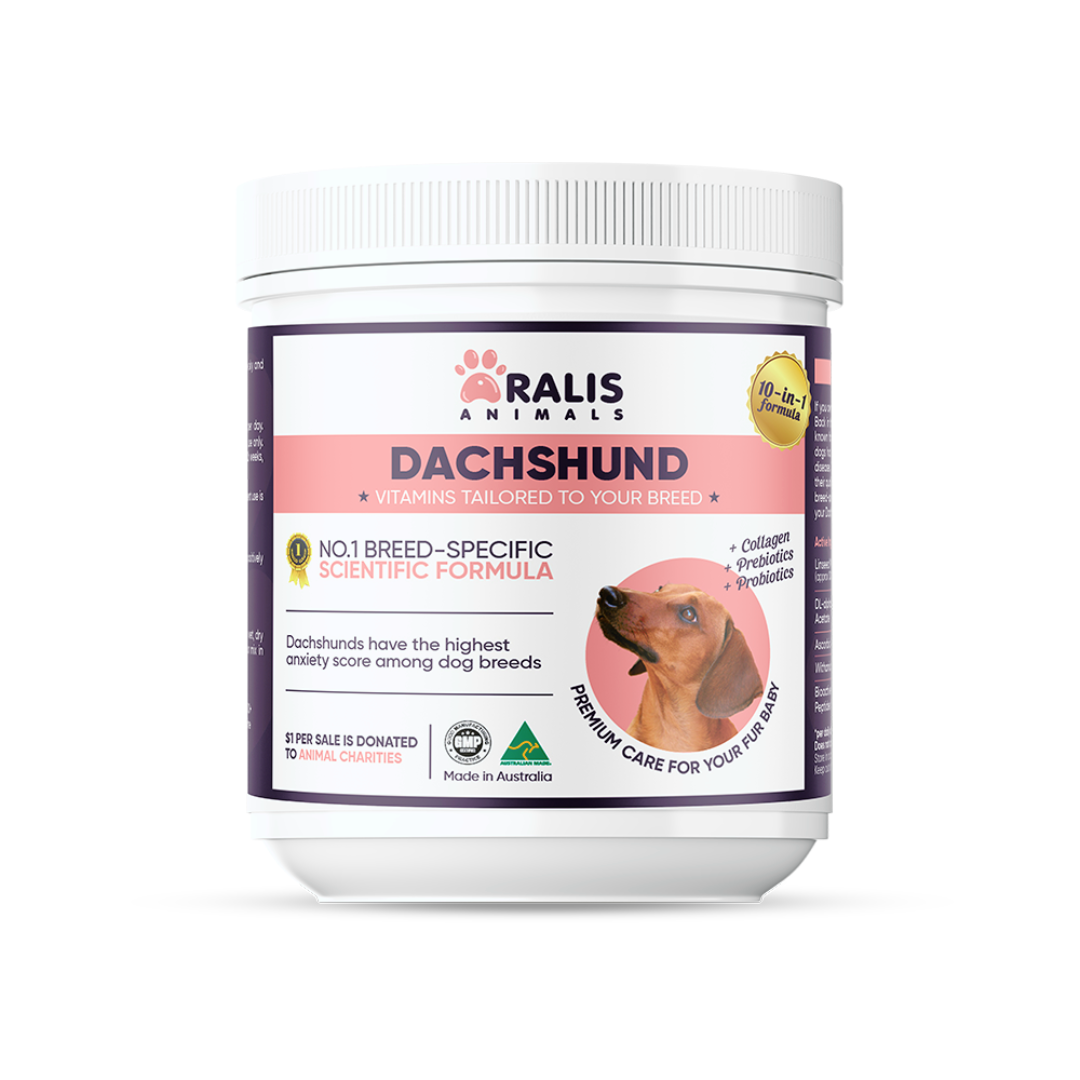
Breed-specific supplements designed for skin health can significantly improve your dog's condition. These supplements often contain targeted nutrients that support skin barrier function, reduce inflammation, and promote healing. Quality supplements formulated for your dog's specific breed and size ensure optimal nutrient absorption and effectiveness.
If your pooch’s itching is ongoing or linked to stress, calming support with ashwagandha can help regulate their stress response and reduce flare-ups. Paired with gut-supporting probiotics and skin-loving omegas, this inside-out approach can help your pooch feel more comfortable—click here to explore more.
Prevention and Management
Preventing future scratching issues involves consistent care and attention to your dog's health.
Regular Grooming Practices
Establish a regular grooming routine appropriate for your dog's coat type. Brushing removes dead hair, distributes natural oils, and allows you to inspect skin condition regularly. Regular baths with appropriate products maintain skin health without over-drying. Nail trimming prevents self-inflicted wounds from excessive scratching.
Environmental Control
Maintain a clean living environment by regularly washing bedding, vacuuming, and controlling humidity levels. Use air purifiers if environmental allergies are a concern. Minimize exposure to known irritants and allergens. Keep your dog's ears dry and clean to prevent infections.
Nutrition and Supplements
Provide high-quality nutrition with appropriate protein levels and essential fatty acids. Consider breed-specific supplements that address your dog's particular health needs. Probiotics support gut health and immune function, which influences skin health. Consistent, quality nutrition forms the foundation of healthy skin.
When to See a Vet
Schedule veterinary visits if scratching persists beyond two weeks, if you notice signs of infection, or if home care doesn't provide relief. Regular check-ups allow early detection of skin issues before they become severe.
How Aralis Animals Can Help
Aralis Animals specializes in breed-specific supplements designed to elevate your pet's health and address specific concerns like itchy skin. Our tailored solutions recognize that different breeds have different nutritional needs and health predispositions.
Our skin health supplements contain carefully selected ingredients that support skin barrier function, reduce inflammation, and promote healing from within. By choosing breed-specific formulations, you ensure your dog receives optimal nutrient levels for their particular needs. Our products complement veterinary treatment and home care, providing comprehensive support for your dog's skin health journey.
Conclusion
Dog itching and scratching represents a significant quality-of-life issue that deserves prompt attention and proper diagnosis. Whether your dog keeps scratching due to fleas, allergies, infections, or other causes, understanding the root cause is essential for effective treatment. By combining professional veterinary care, careful home management, proper nutrition, and quality supplements from Aralis Animals, you can help your beloved companion achieve healthy, comfortable skin. Don't let your dog suffer needlessly—take action today to identify and address the cause of their itching, and watch as your furry friend returns to their happy, healthy self.