

Dog Itching and Scratching Without Fleas: Causes Every Pet Parent Should Know

If your dog is constantly scratching and itching but you've ruled out fleas, you're not alone in your confusion. Many pet parents assume that excessive scratching automatically means their furry friend has fleas, but the reality is far more complex. Dog itching without fleas can stem from numerous underlying causes, ranging from allergies to skin conditions to behavioral issues. Understanding what might be causing your dog's discomfort is the first step toward providing relief and improving their quality of life.
In this comprehensive guide, we'll explore the various reasons why your dog might be itching and scratching despite being flea-free. We'll discuss common culprits, how to identify the root cause, and what solutions are available to help your beloved companion feel better. Whether your dog is experiencing occasional itching or constant scratching that's affecting their sleep and happiness, this information will help you navigate the path to diagnosis and treatment.
Common Causes of Dog Itching Without Fleas
When dog itching and scratching but no fleas is the situation you're facing, it's important to understand that there are many potential causes. Let's explore the most common ones.
Allergies
Allergies are one of the most frequent reasons for dog itching without fleas. Just like humans, dogs can develop allergies to various substances in their environment and diet.
Food Allergies
Food allergies affect many dogs and can cause persistent itching, particularly around the face, ears, and paws. Common allergens include chicken, beef, wheat, corn, and soy. When a dog has a food allergy, their immune system reacts to specific proteins or ingredients, triggering inflammation and itching. The itching from food allergies can be year-round, making it distinct from seasonal allergies. If you suspect your dog has a food allergy, an elimination diet under veterinary guidance can help identify the problematic ingredient.
Environmental Allergies
Environmental allergies, also known as atopy, are another major cause of dog itchy skin no fleas. Pollen, dust mites, mold spores, and grass can all trigger allergic reactions in sensitive dogs. These allergies are often seasonal, with symptoms worsening during spring and fall when pollen counts are high. However, some dogs may experience year-round symptoms if they're exposed to indoor allergens like dust mites or mold.
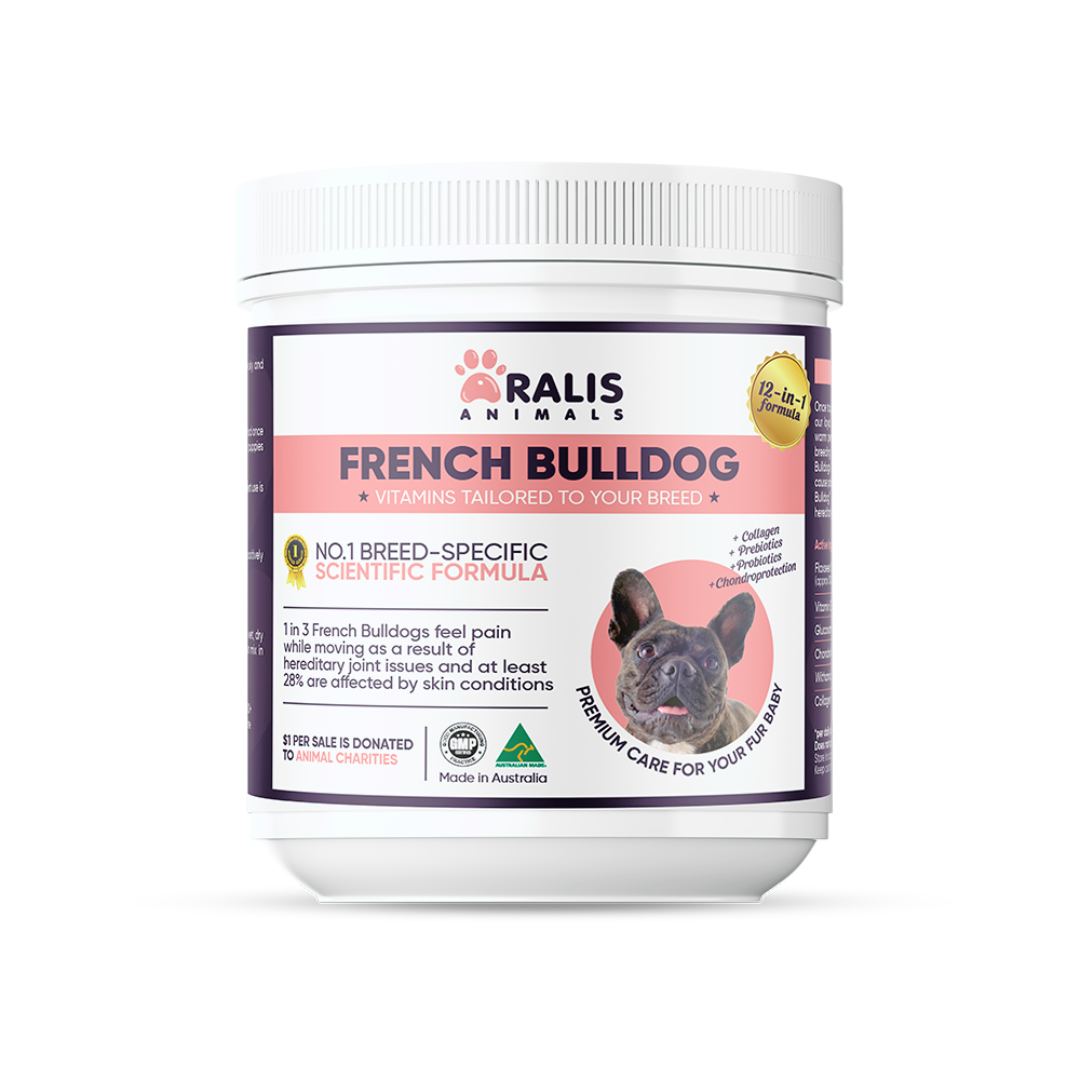
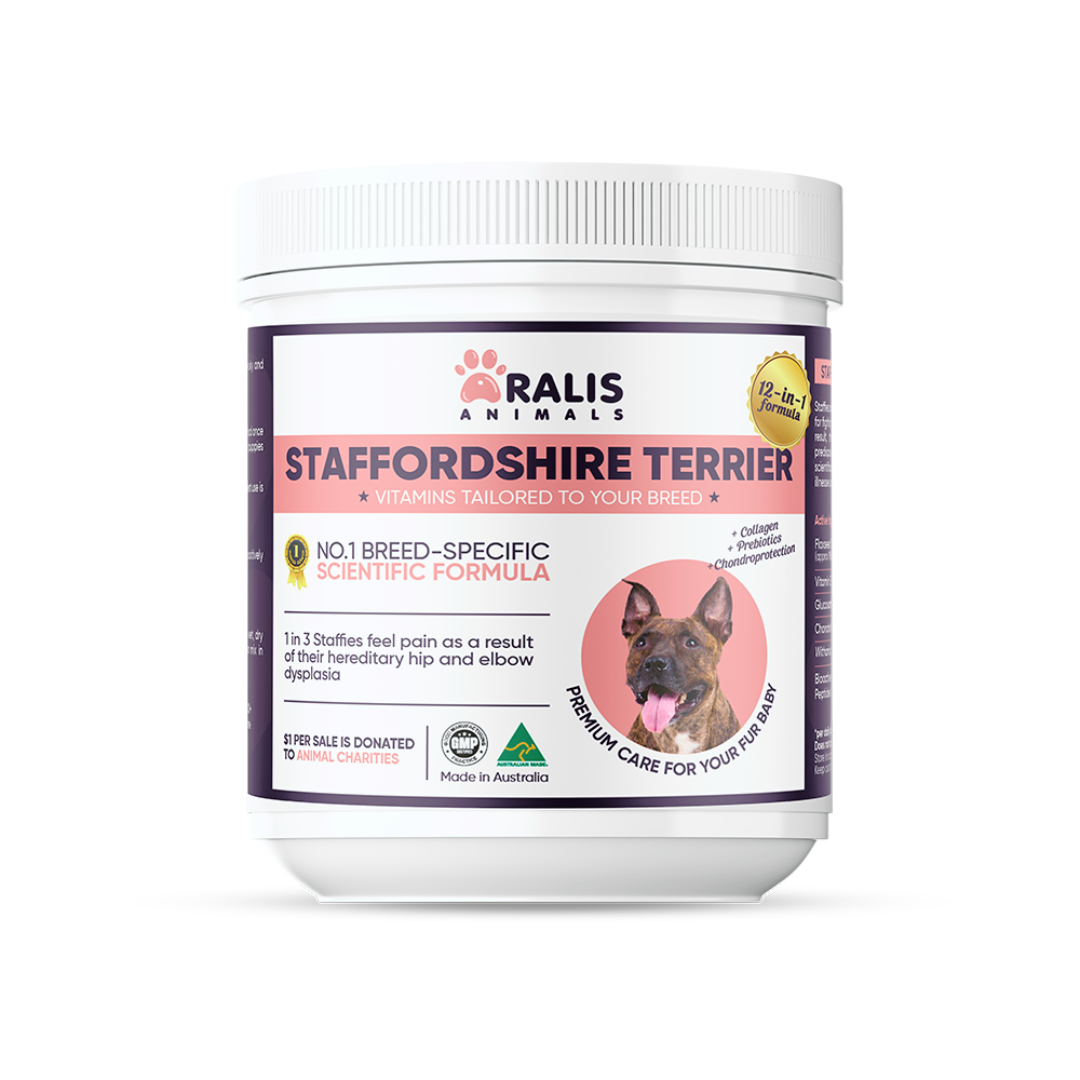
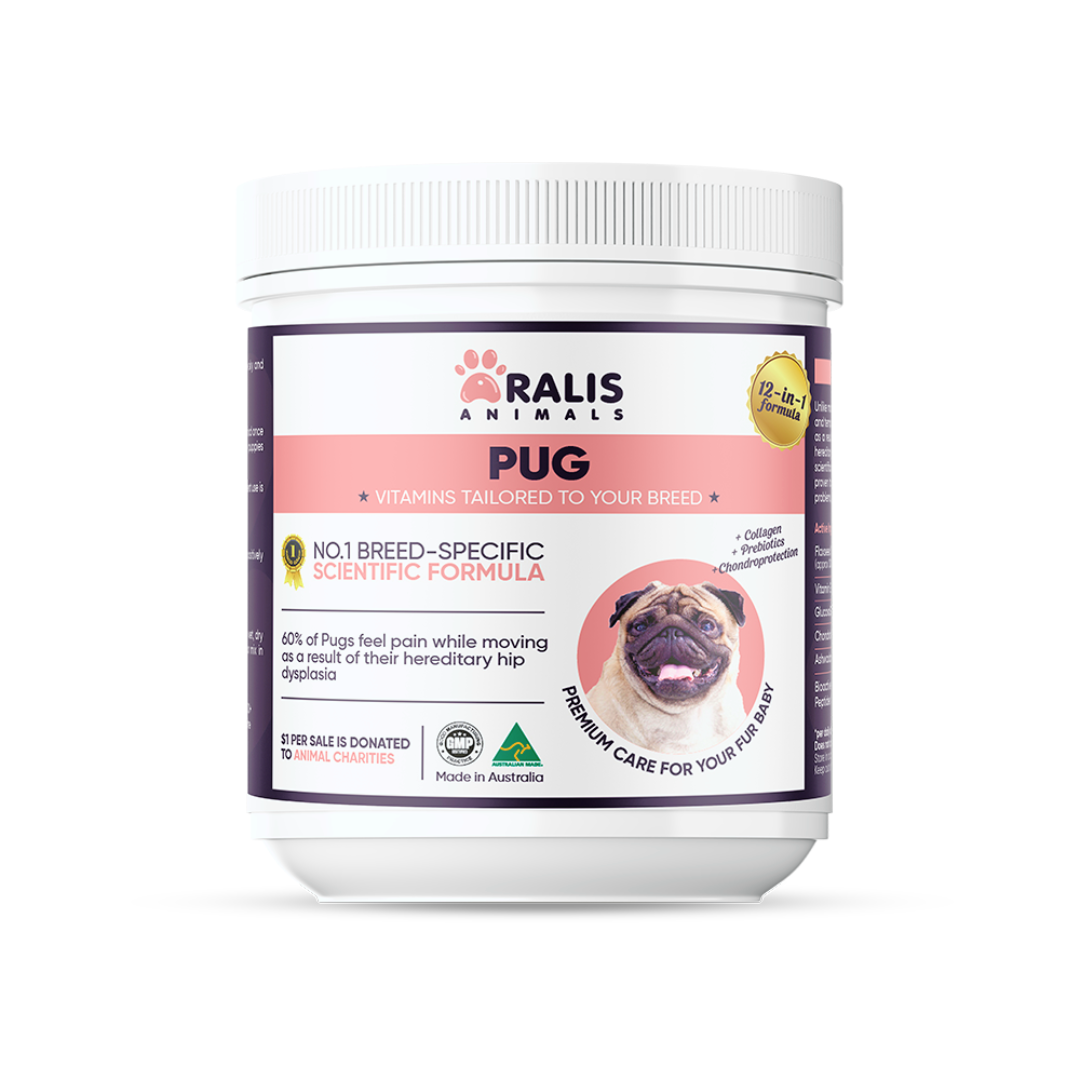
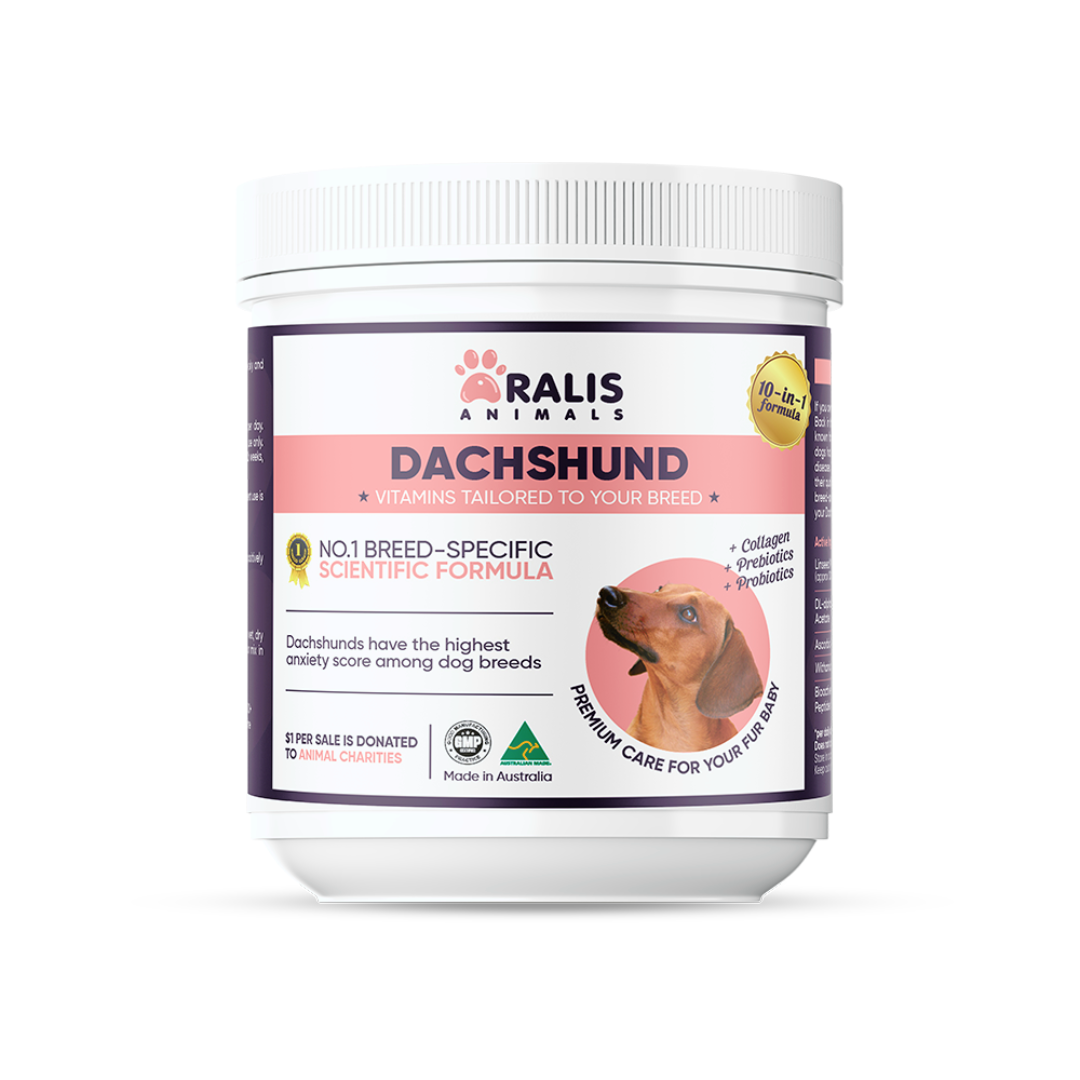
For pooches dealing with ongoing itching or sensitivities, combining skin-supporting nutrients with gut and immune support can be especially helpful. Ingredients like probiotics, zinc, and omega fatty acids work together to strengthen the skin barrier and reduce flare-ups. Explore our product range here to see what may suit your dog’s needs.
Contact Allergies
Contact allergies occur when a dog's skin reacts to direct contact with certain substances. This might include specific fabrics, cleaning products, pesticides, or plants. If your dog is scratching in specific areas where they've had contact with a particular substance, a contact allergy might be the culprit.
Skin Conditions
Beyond allergies, various skin conditions can cause dog itching constantly and without any flea involvement.
Dry Skin
Dry skin is a common condition that causes itching and flaking. It can result from environmental factors like low humidity, frequent bathing with harsh shampoos, or nutritional deficiencies. Dogs with dry skin often scratch excessively, and you may notice visible flaking or a dull coat. Proper moisturizing and dietary adjustments can help alleviate this condition.
Yeast Infections
Yeast infections are fungal infections that thrive in warm, moist areas of a dog's body, particularly between the toes, in the ears, and in skin folds. Dogs with yeast infections often have a distinctive musty odor and may lick or chew at affected areas excessively. These infections are more common in dogs with floppy ears or those living in humid climates.
Bacterial Infections
Bacterial skin infections, or pyoderma, can develop when bacteria colonize the skin, often following scratching or other skin damage. These infections can cause intense itching, redness, and sometimes pustules or crusting. Bacterial infections often require antibiotic treatment from a veterinarian.
Dermatitis
Dermatitis is inflammation of the skin that can have multiple causes, including irritant contact dermatitis or seborrheic dermatitis. This condition causes redness, itching, and sometimes scaling or oiliness of the skin.
Other Medical Causes
Dog itching but no fleas can also indicate other underlying health issues that extend beyond skin-specific problems.
Ear Infections
Ear infections are surprisingly common in dogs and can cause intense itching, particularly around the ears and head. Dogs with ear infections may shake their heads frequently, scratch at their ears, or have a discharge from the ear canal. Ear infections can be caused by bacteria, yeast, or parasites other than fleas.
Hormonal Imbalances
Thyroid disease and other hormonal imbalances can cause skin problems and itching in dogs. Hypothyroidism, in particular, is associated with dry skin, hair loss, and itching. If your dog is experiencing itching along with other symptoms like weight gain, lethargy, or hair loss, a hormonal imbalance might be involved.
Anxiety and Stress
Psychological factors can also contribute to excessive scratching. Dogs experiencing anxiety or stress may develop psychogenic alopecia or excessive licking and scratching behaviors. This is sometimes called stress-related itching and can be triggered by changes in the home environment, separation anxiety, or other stressors.
How to Identify the Root Cause
Determining the cause of your dog's itching requires careful observation and professional guidance.
When to Visit the Vet
If your dog is scratching excessively or showing signs of discomfort, it's time to schedule a veterinary appointment. This is especially important if the itching persists for more than a few weeks, is accompanied by other symptoms, or is affecting your dog's quality of life. Your veterinarian can perform a thorough examination and recommend appropriate diagnostic tests.
Diagnostic Tests Available
Your vet may recommend several tests to identify the cause of itching. These might include skin scrapings to check for mites, fungal cultures to identify yeast or bacterial infections, allergy testing, or blood work to check for hormonal imbalances. In some cases, a skin biopsy may be necessary to diagnose certain conditions.
What to Observe at Home
Keep detailed notes about your dog's itching patterns. Document when the itching is worst, which areas are most affected, whether there are any visible skin changes, and any other symptoms your dog is experiencing. Note any changes in diet, environment, or routine that coincided with the onset of itching. This information will be invaluable to your veterinarian.
Solutions and Treatment Options
Once you've identified the cause of your dog's itching, various treatment options are available.
Dietary Changes
If food allergies are the culprit, switching to a limited ingredient diet or a diet specifically formulated for dogs with allergies can provide relief. Your vet can recommend appropriate food options based on your dog's specific allergies.
Supplements for Skin Health
High-quality supplements designed to support skin health can make a significant difference. Omega-3 and omega-6 fatty acids are particularly beneficial for reducing inflammation and improving skin condition. At Aralis Animals, we offer breed-specific supplements tailored to support your dog's unique nutritional needs and promote healthy skin and coat.
Topical Treatments
Medicated shampoos, conditioners, and sprays can help soothe irritated skin and address specific conditions like yeast or bacterial infections. Your vet can recommend products appropriate for your dog's condition.
Medical Interventions
Depending on the diagnosis, your vet may prescribe antibiotics for bacterial infections, antifungal medications for yeast infections, antihistamines for allergies, or other medications to address the underlying cause.
Prevention Tips
Preventing itching is always better than treating it after the fact.
Regular Grooming
Regular brushing and bathing with gentle, appropriate shampoos help maintain skin health and allow you to spot problems early. Grooming also helps remove allergens from your dog's coat.
Maintain a Healthy Diet
A nutritious diet rich in essential fatty acids and appropriate proteins supports skin health from the inside out. Ensure your dog is receiving complete and balanced nutrition.
Environmental Management
Minimize your dog's exposure to known allergens. This might include using air filters, washing bedding frequently, or limiting time outdoors during high pollen seasons.
Stress Reduction
Provide your dog with adequate exercise, mental stimulation, and a calm environment to reduce stress-related itching.
Conclusion
Dog itching without fleas can result from numerous causes, including allergies, skin conditions, ear infections, hormonal imbalances, and stress. Identifying the root cause requires careful observation and professional veterinary diagnosis. Once you understand what's causing your dog's discomfort, you can implement appropriate treatment and prevention strategies to help them feel better.
Remember that every dog is unique, and what works for one may not work for another. Work closely with your veterinarian to develop a treatment plan tailored to your dog's specific needs. In addition to professional care, supporting your dog's skin health through proper nutrition and breed-specific supplements from Aralis Animals can help optimize their overall wellness and comfort. Your dog deserves to be happy and itch-free, and with the right approach, you can help make that happen.