

Dog Constantly Licking Paws? Here's What Your Pooch Might Be Trying to Tell You

If you've noticed your furry friend constantly licking their paws, you're not alone. Many dog owners observe this behavior and wonder whether it's just a normal grooming habit or a sign of something more serious. The truth is, while occasional paw licking is completely normal, excessive paw licking can indicate underlying health issues or behavioral concerns that deserve your attention. Understanding what your dog is trying to communicate through this behavior is the first step toward helping them feel better and live a healthier, happier life.
Understanding Excessive Paw Licking in Dogs
Dog constantly licking paws is more common than you might think, and it can stem from various causes ranging from minor irritations to serious medical conditions. When a dog is obsessively licking paws, it's their way of trying to communicate discomfort, pain, or emotional distress. The key is learning to distinguish between normal grooming behavior and problematic excessive licking that requires intervention.
The behavior of dog constant paw licking can develop gradually or appear suddenly, and the underlying cause often determines how quickly you should seek professional help. Some cases resolve with simple home care adjustments, while others require veterinary intervention and specialized treatment plans.
Main Causes of Excessive Paw Licking
Allergies: A Common Culprit
One of the most frequent reasons behind dog constantly licking paws is allergies. Dogs can suffer from various types of allergies that manifest through skin irritation and itching, particularly in their paws.
Food Allergies are a significant concern for many dogs. Common allergens include beef, chicken, dairy, wheat, and soy. When a dog has a food allergy, the immune system reacts negatively to certain ingredients, causing inflammation and itching throughout the body, with the paws being a primary focus area. If your dog won't stop licking paws and you've recently changed their diet, food allergies might be the culprit.
Environmental Allergies are another major cause of dog itchy paws. Pollen, dust mites, mold, and grass can trigger allergic reactions in sensitive dogs. These allergies often follow seasonal patterns, with symptoms worsening during spring and fall when pollen counts are highest.
Contact Dermatitis occurs when your dog's paws come into direct contact with irritating substances like certain cleaning products, pesticides, or materials. This type of reaction is localized to the areas that made contact with the irritant.
Parasites and Infections
Dog itching but no fleas doesn't mean parasites aren't involved. While fleas are the most obvious parasite concern, other parasites like mites can cause intense itching without being immediately visible.
Mites, particularly those causing mange, create severe itching that drives dogs to lick their paws obsessively. Fungal infections, including yeast infections, thrive in warm, moist environments like between the toes and paw pads. These infections cause discomfort and an irresistible urge to lick.
Bacterial infections can develop secondary to other skin conditions or injuries. When bacteria colonize the paw area, they cause inflammation, redness, and itching that prompts constant licking.
Skin Conditions
Various skin conditions can lead to dog constantly licking paws. Dry skin is particularly common in dogs, especially during winter months or in dry climates. The itching associated with dry skin can be intense and lead to obsessive licking behavior.
Dermatitis, whether it's atopic dermatitis or other forms, causes chronic inflammation of the skin. Dogs with dermatitis experience ongoing discomfort that manifests through constant paw licking.
Yeast infections are surprisingly common in dogs and often go undiagnosed. These infections thrive in moist areas and cause itching, redness, and a distinctive odor. Dog skin allergy treatment often needs to address underlying yeast issues. Formulas that support skin barrier health and gut balance—including ingredients like probiotics, zinc, and omega-3s—can help reduce recurring irritation. You can click here to explore our product range for daily care.
Behavioral and Psychological Factors
Not all excessive paw licking stems from physical causes. Sometimes, dog is obsessively licking paws due to emotional or behavioral reasons.
Anxiety and stress can trigger compulsive licking behaviors in dogs. Changes in their environment, separation anxiety, or general stress can manifest through repetitive paw licking as a self-soothing mechanism.
Boredom is another psychological factor. Dogs that don't receive adequate mental stimulation or physical exercise may develop compulsive behaviors, including excessive paw licking, as a way to occupy themselves.
Obsessive-compulsive behavior in dogs can develop over time, especially if the initial trigger isn't addressed. What starts as a response to itching can become a deeply ingrained habit that persists even after the original cause is resolved.
When to Worry: Red Flags
Knowing when to seek veterinary help is crucial for your dog's wellbeing. Certain signs indicate that your dog's paw licking requires immediate professional attention.
Look for signs of infection or injury, such as redness, swelling, discharge, or a foul odor coming from the paws. If you notice your dog limping, reluctant to walk, or showing signs of pain, these are red flags that shouldn't be ignored.
Behavioral changes accompanying the paw licking, such as increased aggression, withdrawal, or changes in eating habits, suggest that your dog is experiencing significant discomfort or distress.
If the licking has persisted for more than a few weeks, if it's worsening despite home care efforts, or if it's affecting your dog's quality of life, it's time to contact your veterinarian. Professional evaluation can identify the underlying cause and establish an appropriate treatment plan.
How to Help Your Dog
Home Remedies and Care Tips
While waiting for a veterinary appointment or as part of ongoing management, several home care strategies can help alleviate your dog's discomfort.
Regular paw soaks in lukewarm water can help soothe irritated skin and remove irritants. Adding colloidal oatmeal to the water can provide additional soothing benefits. Keep your dog's paws clean and dry, as moisture can exacerbate infections and irritation.
Protective booties can prevent your dog from licking their paws and protect them from environmental irritants. These are particularly useful during walks or outdoor activities.
Dietary adjustments might help if food allergies are suspected. Introducing novel protein sources or switching to hypoallergenic dog food can sometimes reduce symptoms.
When to Seek Professional Help
Your veterinarian can perform diagnostic tests to identify the underlying cause of excessive paw licking. They might recommend allergy testing, skin scrapings, fungal cultures, or other diagnostic procedures.
Once the cause is identified, your vet can recommend appropriate treatment, which might include medications, topical treatments, dietary changes, or behavioral interventions. For dog skin allergy treatment, your veterinarian might prescribe antihistamines, corticosteroids, or immunosuppressive medications depending on the severity and cause.
The Importance of Breed-Specific Solutions
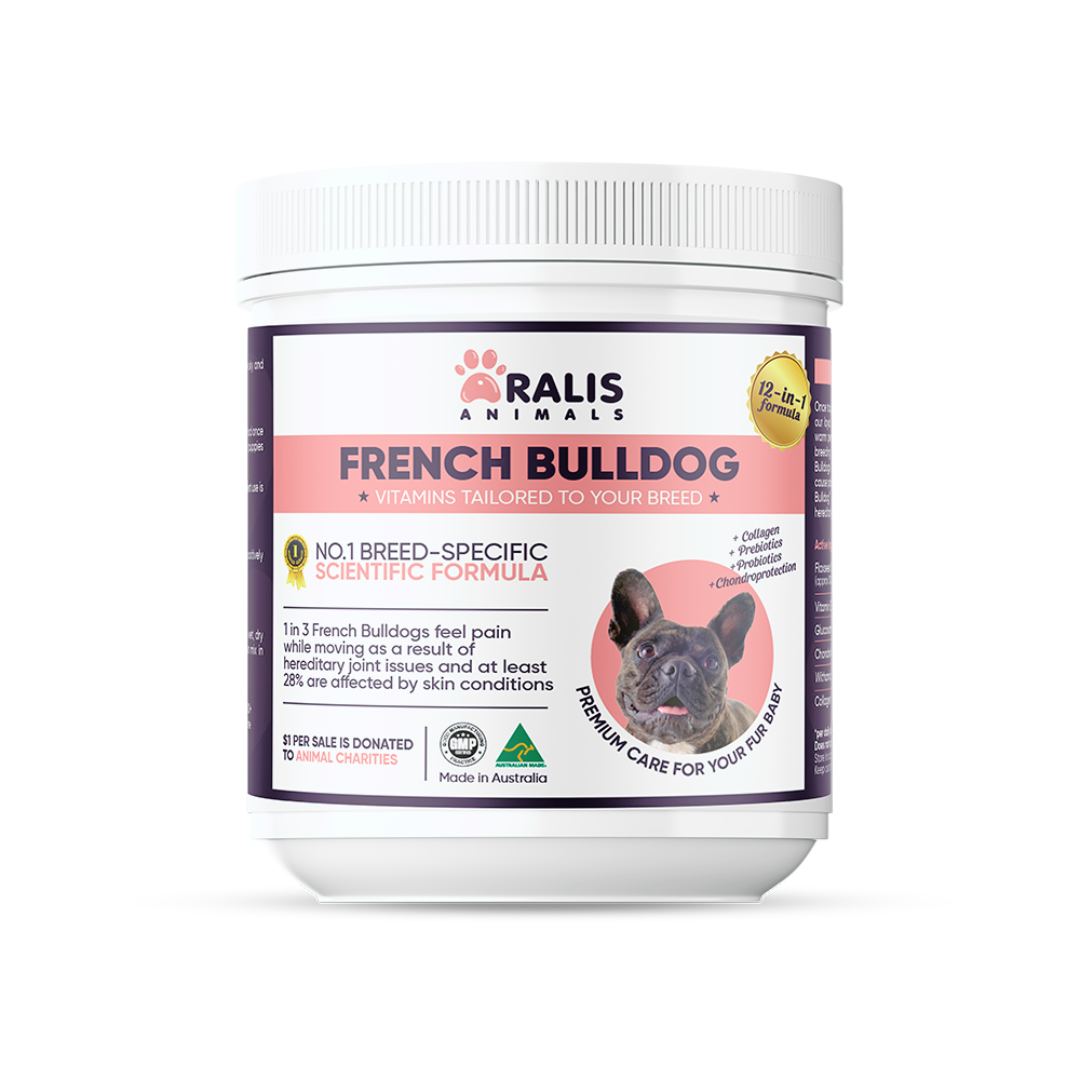
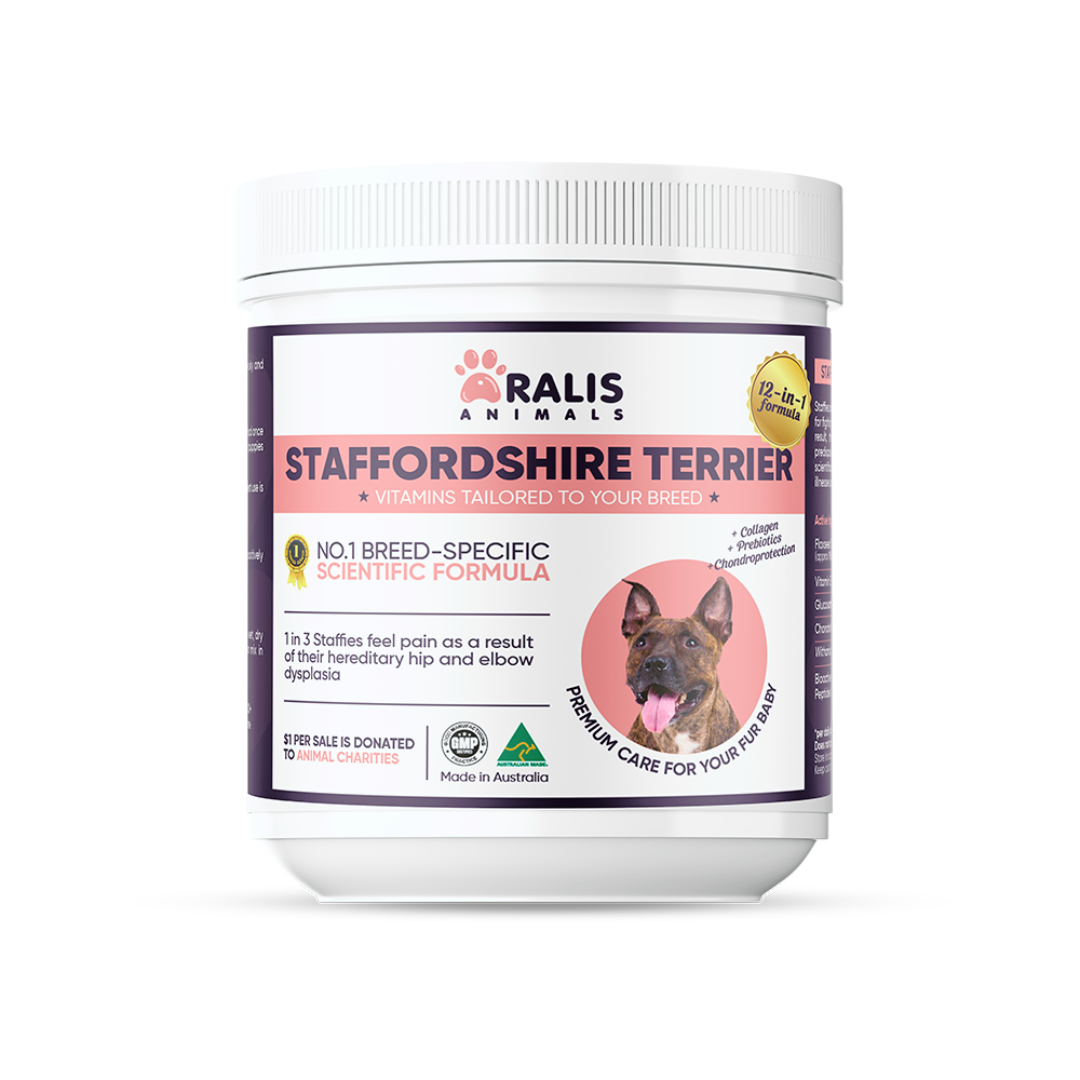
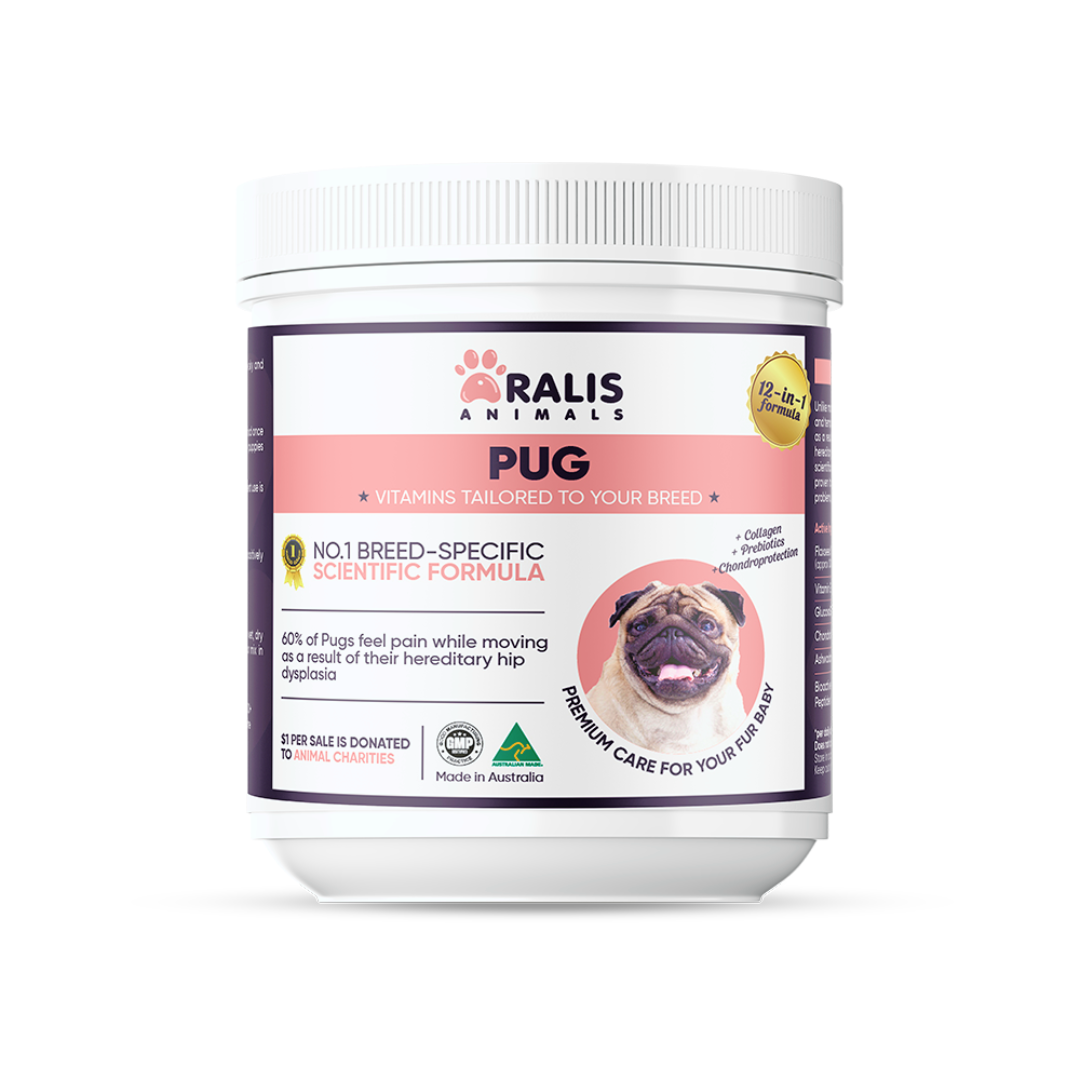
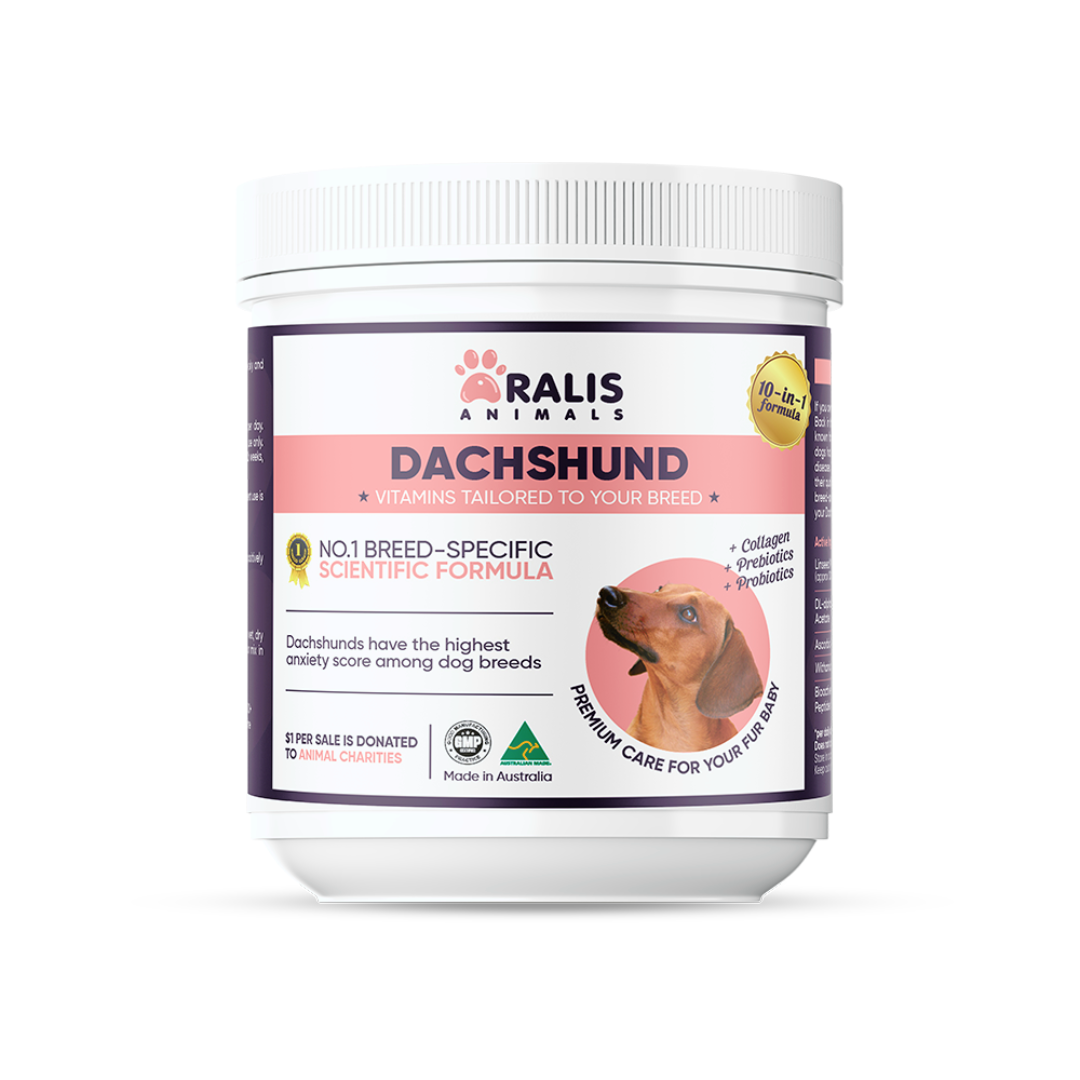
Different dog breeds have varying predispositions to certain health conditions and nutritional needs. Some breeds are more prone to allergies, while others are susceptible to specific skin conditions. Breed-specific supplements and treatments can address these unique needs more effectively than generic solutions.
Aralis Animals understands that every dog is unique, and breed-specific supplements can play a crucial role in supporting your dog's health. These tailored solutions are formulated to address the specific health challenges and nutritional requirements of different breeds, helping to elevate your pet's overall health and wellbeing.
Prevention and Long-Term Management
Regular Grooming and Hygiene
Maintaining proper grooming practices is essential for preventing paw-related issues. Regular nail trimming prevents overgrowth that can cause discomfort and alter your dog's gait. Trimming the hair between the toes reduces moisture accumulation and prevents infections.
Bathing your dog with appropriate shampoos helps maintain skin health. For dogs prone to skin issues, medicated or hypoallergenic shampoos might be beneficial.
Dietary Considerations
A high-quality diet rich in omega-3 and omega-6 fatty acids supports skin health and can reduce inflammation. These nutrients are crucial for maintaining a healthy skin barrier and reducing itching.
If your dog has food allergies, identifying and eliminating trigger foods is essential. Working with your veterinarian to establish an appropriate diet can significantly reduce symptoms.
Environmental Management
Minimize your dog's exposure to known irritants and allergens. If environmental allergies are the issue, wiping your dog's paws after outdoor activities can remove pollen and other irritants.
Maintain a clean living environment, regularly washing bedding and vacuuming to reduce dust mites and other allergens.
Conclusion
Dog constantly licking paws is a behavior that warrants investigation and attention. Whether the cause is allergies, parasites, skin conditions, or behavioral factors, understanding what your pooch is trying to tell you is the first step toward resolution. The key is observing your dog carefully, noting any patterns or additional symptoms, and seeking professional help when necessary.
Don't ignore persistent paw licking, as early intervention often leads to better outcomes and faster relief for your furry companion. Your veterinarian is your best resource for diagnosis and treatment recommendations tailored to your individual dog's needs.
Remember that supporting your dog's overall health through proper nutrition, including breed-specific supplements from Aralis Animals, can help prevent many paw-related issues and elevate your pet's health to optimal levels. By combining professional veterinary care with appropriate home management and quality supplements, you can help your beloved companion enjoy healthy, comfortable paws and a happier life.