

Dog Allergy Tests Explained: What They Can (and Can't) Tell Staffy Owners

As a proud Staffy owner, you know that these energetic and affectionate pups can be prone to a variety of health issues, including skin allergies. Navigating the world of dog allergy tests can be daunting, but understanding what they can and can't tell you is crucial for keeping your beloved companion happy and healthy.
Understanding Dog Allergies in Staffies
Staffies, or Staffordshire Bull Terriers, are a breed that often struggles with skin sensitivities and allergic reactions. From environmental triggers like pollen and dust to food-related allergies, these pups can experience a range of uncomfortable symptoms that can impact their quality of life. As a responsible pet parent, it's important to be proactive in identifying and managing your Staffy's allergies.
Types of Dog Allergy Tests
When it comes to diagnosing allergies in dogs, there are a few different testing methods available. The most common are:
Skin Tests
Skin tests involve introducing small amounts of potential allergens to the dog's skin and monitoring for any reactions. This can provide a comprehensive overview of the specific substances that trigger your Staffy's allergies.
Blood Tests
Blood tests analyze the dog's immune response to various allergens, measuring the levels of specific antibodies. This can be a useful tool for identifying environmental and food-related allergies.
Elimination Diet Tests
Elimination diet tests involve feeding your Staffy a limited-ingredient diet for a set period, then gradually reintroducing potential allergens to pinpoint the culprits.
What Dog Allergy Tests Can Tell You
Allergy tests can be incredibly valuable in helping you understand your Staffy's specific sensitivities. They can identify the specific allergens that trigger reactions, whether they're environmental or food-related. This information can then guide you in making informed decisions about your dog's diet, environment, and treatment plan.
Limitations of Dog Allergy Tests
While allergy tests can be a powerful tool, it's important to understand their limitations. False positives and negatives can occur, and the tests may not provide a complete picture of your Staffy's allergic profile. Additionally, the results require professional interpretation to ensure accurate diagnosis and treatment.
Common Allergies in Staffies
Staffies are prone to a variety of allergic reactions, both environmental and food-related. Some of the most common culprits include:
Environmental Triggers
Pollen, dust, mold, and even certain household cleaners can trigger skin irritation and other allergy symptoms in Staffies.
Food-Related Allergies
Proteins, grains, and even certain preservatives or additives in pet food can cause digestive issues and skin problems in Staffies.
Skin-Specific Reactions
Staffies may also experience localized skin irritation, such as hot spots or eczema, due to their sensitive skin.
Symptoms to Watch For
When it comes to dog allergies, the symptoms can vary widely. Some common signs to look out for in your Staffy include:
Skin Irritation
Excessive scratching, licking, or chewing, as well as redness, swelling, or hot spots.
Behavioral Changes
Restlessness, lethargy, or changes in appetite or energy levels.
Respiratory Issues
Sneezing, coughing, or wheezing.
If you notice any of these symptoms, it's important to seek veterinary guidance to determine the underlying cause and develop an appropriate treatment plan.
Treating Dog Allergies
Once you've identified the specific allergens affecting your Staffy, there are several treatment options available:
Medication
Your veterinarian may prescribe antihistamines, corticosteroids, or other medications to manage allergy symptoms and provide relief.
Dietary Modifications
Switching to a limited-ingredient or hypoallergenic dog food can help eliminate potential food-related triggers.
Environmental Management
Reducing exposure to environmental allergens through air filtration, regular cleaning, and other lifestyle changes can also be beneficial.
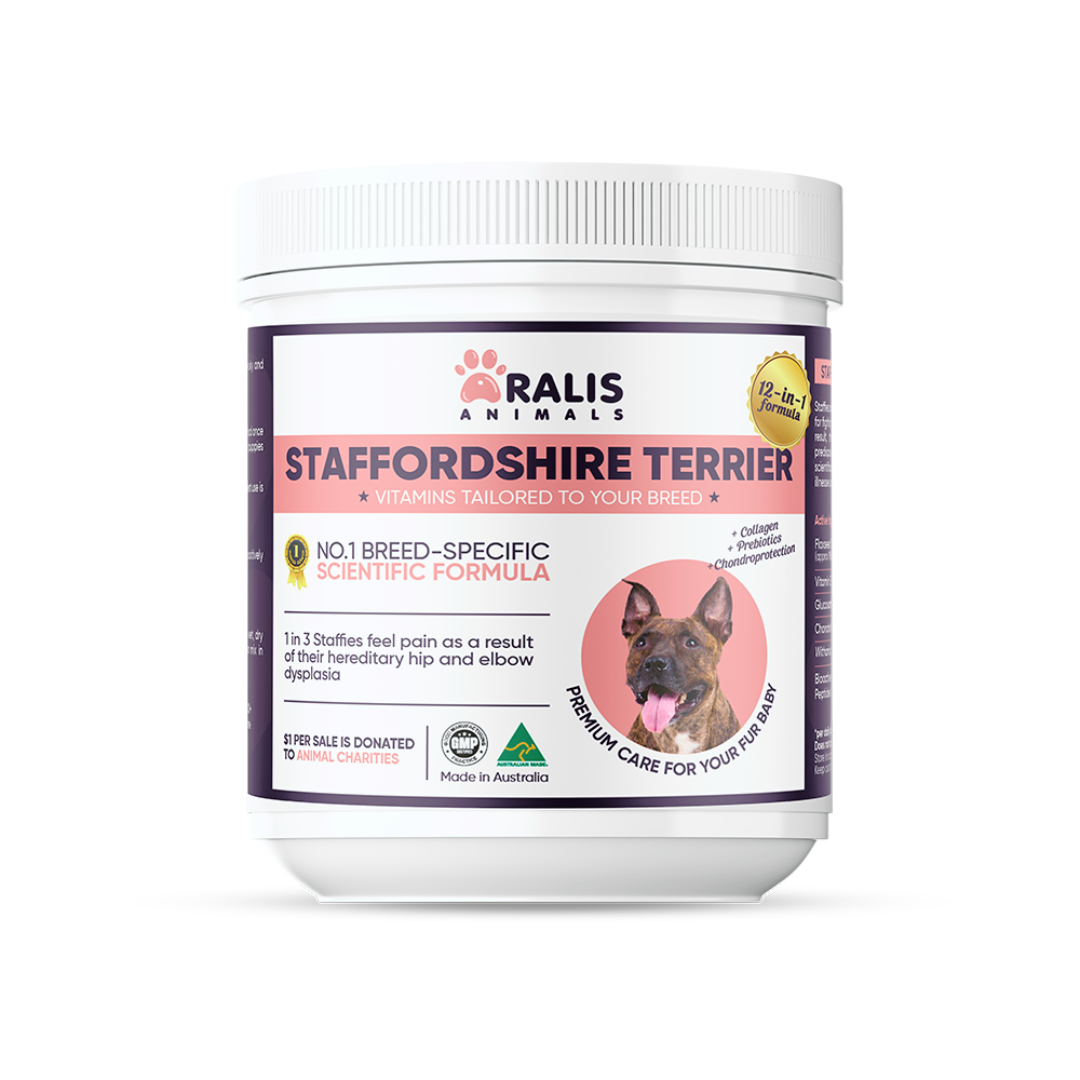
Alongside veterinary treatment and environmental adjustments, you might also consider adding a gentle daily support supplement like Aralis Animals Multivitamins. This blend is formulated to help Staffies from the inside out soothing inflammation, strengthening gut balance, and supporting skin barrier health. If your pup struggles with itching, paw licking, or recurring flare-ups, targeted gut support can make a noticeable difference. You can explore the full Aralis multivitamin support here if you’d like to see how it complements your vet’s allergy plan.
Conclusion
Navigating the world of dog allergy tests can be a complex journey, but it's an essential one for keeping your Staffy happy and healthy. By understanding the capabilities and limitations of these tests, you can work closely with your veterinarian to develop a comprehensive allergy management plan tailored to your pup's unique needs. With the right approach, you can help your Staffy thrive and enjoy a life free from the discomfort of allergic reactions.