

Black Lab vs Golden Retriever Cross: Unlocking Their Unique Nutritional Needs

As a pet owner, you want to provide your furry companion with the best possible care, and that includes ensuring they receive the right nutrition to support their health and well-being. When it comes to a Black Lab and Golden Retriever cross, understanding their unique nutritional needs is crucial for maintaining their optimal condition.
Breed Characteristics: Blending the Best of Both Worlds
The Black Lab and Golden Retriever cross, often affectionately referred to as a "Labradoodle," is a popular hybrid breed that combines the loyal and intelligent nature of the Labrador Retriever with the friendly and affectionate personality of the Golden Retriever. These dogs typically inherit a range of physical traits, including a medium-to-large size, a thick and wavy coat, and a friendly, outgoing demeanor.
From a genetic standpoint, the Labradoodle is a unique blend of two distinct breeds, each with its own set of health considerations and nutritional requirements. Understanding these differences is essential for ensuring your Labradoodle receives the tailored support they need to thrive.
Nutritional Needs Comparison: Balancing Energy and Vitality
Labrador Retrievers and Golden Retrievers have some distinct nutritional needs that must be taken into account when caring for a Labradoodle. Labradors, for example, are known for their high energy levels and can be prone to weight gain, requiring a diet that is lower in fat and higher in protein to support their active lifestyle. Golden Retrievers, on the other hand, may have a slightly slower metabolism and may require a more balanced diet to maintain their optimal weight and energy levels.
When it comes to a Labradoodle, the ideal diet should strike a balance between these two breeds, providing the right combination of nutrients to support their unique energy needs and overall health. This may include a focus on high-quality protein sources, complex carbohydrates, and a carefully calibrated balance of fats to meet their energy demands while also supporting their joint health and overall well-being.
Key Nutritional Supplements: Targeted Support for Optimal Health
In addition to a well-balanced diet, Labradoodles may benefit from certain targeted nutritional supplements to address their specific health concerns. For example, joint health is a common issue for larger breed dogs, and supplements containing glucosamine, chondroitin, and omega-3 fatty acids can help support their mobility and reduce the risk of joint-related problems.
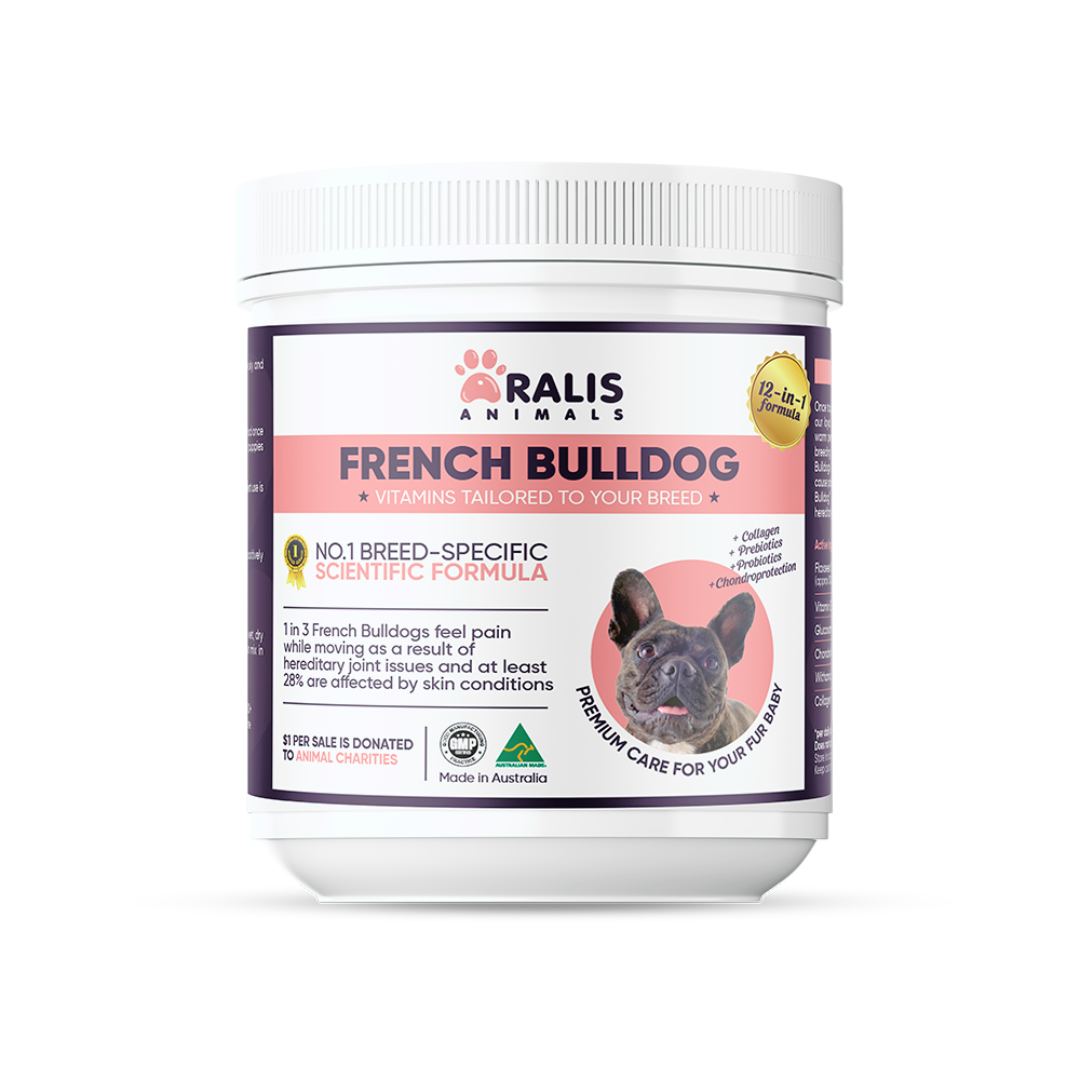
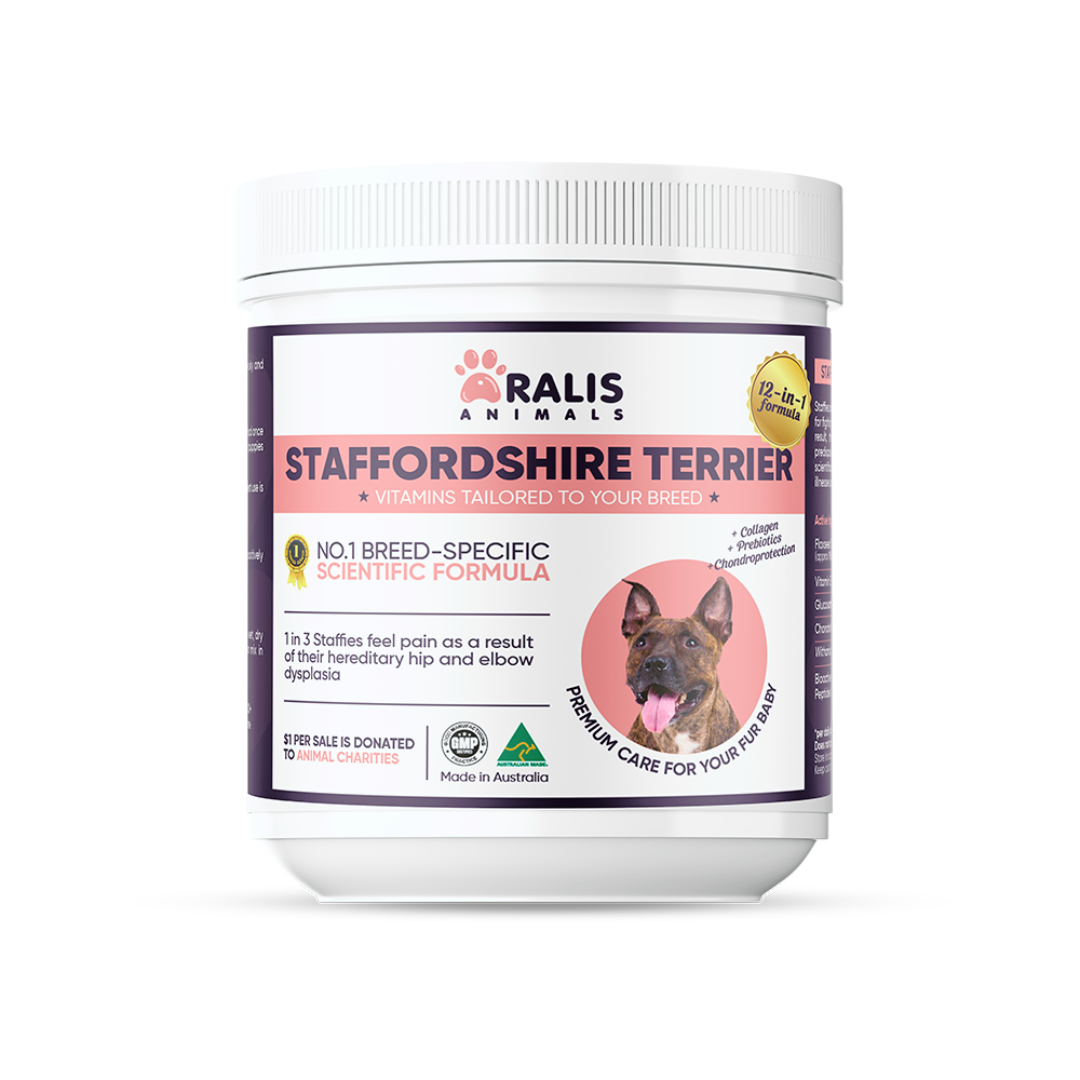
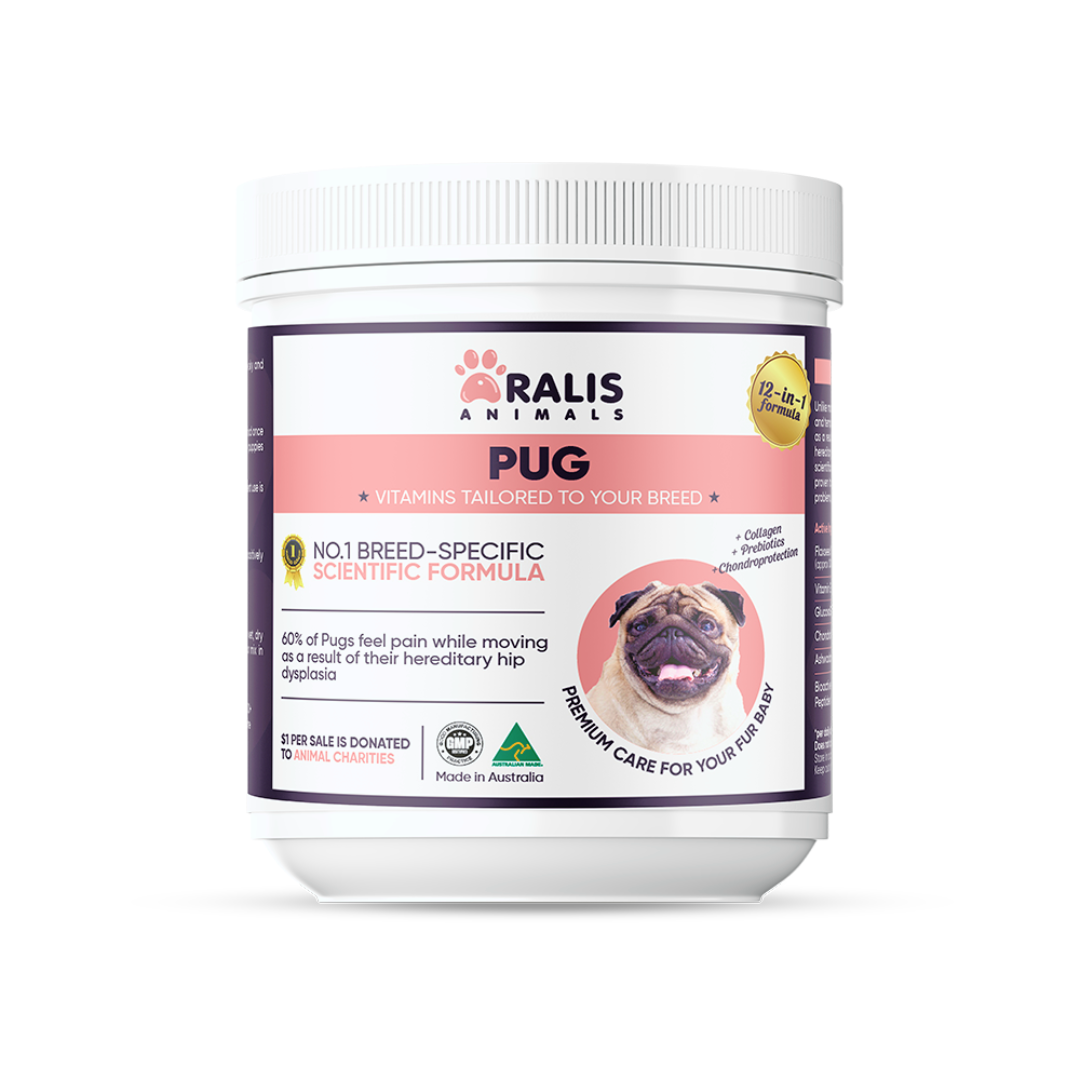
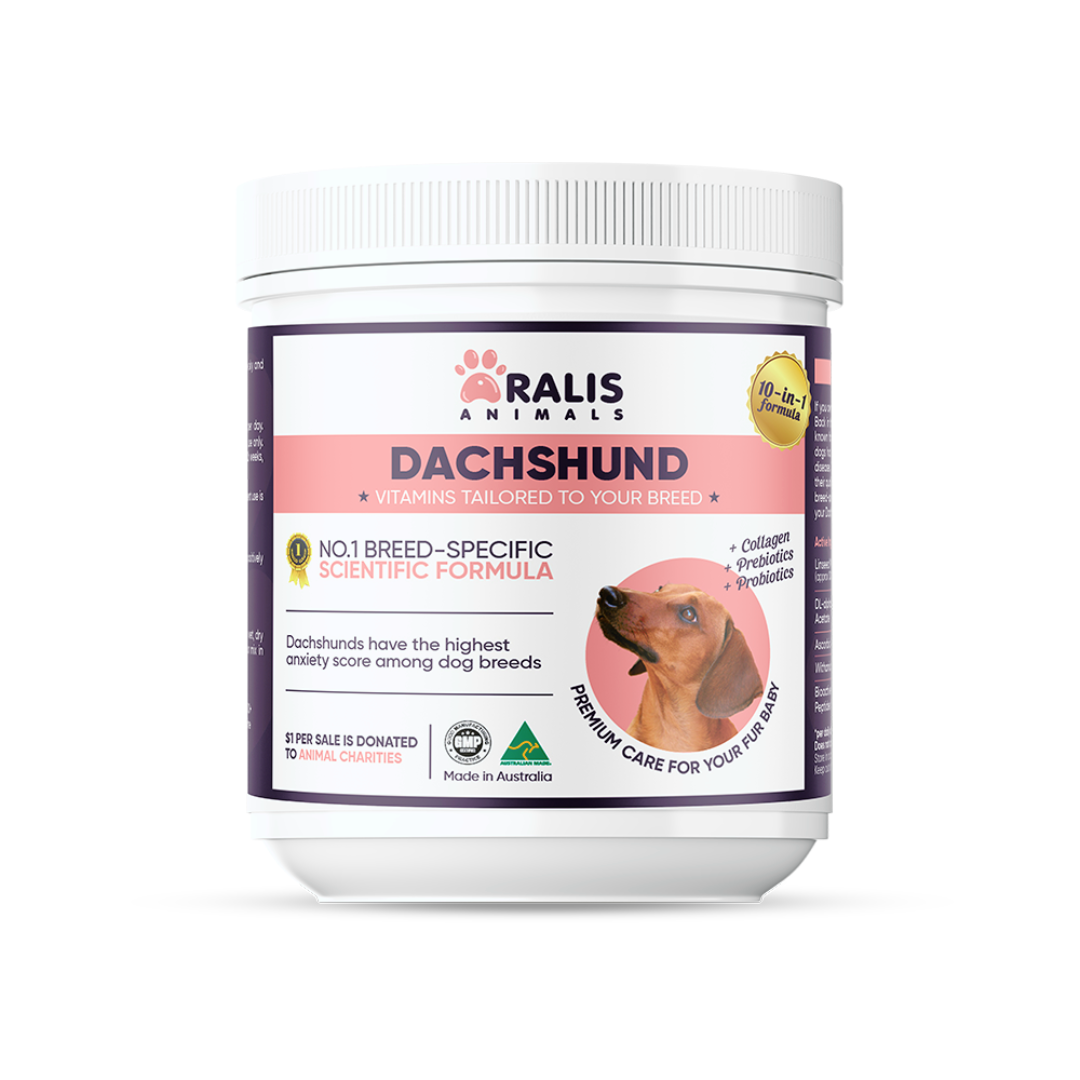
Breed-specific vitamin and mineral needs should also be taken into consideration. Labradors, for instance, may require higher levels of certain vitamins and minerals to support their active lifestyle, while Golden Retrievers may benefit from supplements that address their predisposition to certain health conditions, such as cancer. Which is why breed-specific supplement like Aralis Animals multivitamins is designed to consider these differences thoughtfully. Click here to learn more.
Dietary Strategies: Tailoring Nutrition to Individual Needs
When it comes to feeding a Labradoodle, a one-size-fits-all approach simply won't do. Each dog is unique, and their nutritional needs may vary based on factors such as age, activity level, and overall health status. Working closely with your veterinarian to develop a personalized feeding plan is essential for ensuring your Labradoodle receives the optimal nutrition they need to thrive.
This may involve adjusting portion sizes, selecting the right type of dog food, and incorporating targeted supplements to address any specific health concerns. Regular monitoring and adjustments to the diet may be necessary as your Labradoodle grows and their needs change over time.
Common Health Challenges: Proactive Nutrition for Prevention
Labradoodles, like any hybrid breed, may be predisposed to certain health conditions that can be mitigated through proper nutrition. For example, Labradors are known to be prone to obesity, while Golden Retrievers have a higher risk of certain types of cancer.
By addressing these potential health concerns through a balanced, nutrient-rich diet and targeted supplementation, you can help support your Labradoodle's overall well-being and reduce the risk of these common issues. Regular veterinary check-ups and proactive health management are also essential for ensuring your Labradoodle remains happy and healthy throughout their life.
Consultation and Personalization: Partnering with Experts for Optimal Care
When it comes to the health and nutrition of your Labradoodle, it's important to work closely with your veterinarian to develop a tailored plan that meets their unique needs. Your vet can provide valuable insights into your dog's specific dietary requirements, recommend appropriate supplements, and help you monitor their progress over time.
Additionally, consulting with a pet nutritionist or animal health specialist can be beneficial in ensuring your Labradoodle receives the most comprehensive and personalized care. These experts can help you navigate the complex world of canine nutrition, providing guidance on everything from portion control to weight management strategies.
Conclusion: Embracing the Unique Needs of Your Labradoodle
Caring for a Labradoodle requires a nuanced approach to nutrition, one that takes into account the blend of characteristics and health considerations inherent in this hybrid breed. By understanding their specific dietary needs, incorporating targeted supplements, and working closely with veterinary professionals, you can help ensure your Labradoodle thrives and enjoys a long, healthy life by your side.
Remember, every Labradoodle is unique, and their nutritional requirements may evolve over time. Stay vigilant, be proactive, and embrace the opportunity to provide your furry friend with the personalized care they deserve. With the right approach, you can help your Labradoodle reach their full potential and enjoy a vibrant, fulfilling life.