

Best Puppy Vitamins for Growing Dogs: What Actually Matters

Bringing a new puppy into your home is an exciting experience filled with joy and responsibility. As your furry friend grows from a tiny pup into a healthy adult dog, their nutritional needs become increasingly important. While a quality diet forms the foundation of good health, puppy vitamins and supplements play a crucial role in supporting proper development during these critical growth stages. Understanding what your growing dog actually needs can make the difference between a thriving puppy and one that struggles with developmental issues later in life.
Why Puppy Nutrition is Critical During Growth Stages
Puppies experience rapid physical and cognitive development during their first year of life. During this time, their bodies are building bones, muscles, organs, and neural pathways at an accelerated rate. The nutritional demands of a growing puppy are significantly higher than those of an adult dog, making proper supplementation essential. Without adequate vitamins and minerals, puppies may develop skeletal problems, weakened immune systems, and cognitive delays that can affect them throughout their lives.
The growth phase is when puppies are most vulnerable to nutritional deficiencies. Their developing bodies require precise amounts of specific nutrients to build strong bones, develop healthy teeth, and establish a robust immune system. This is why choosing the right puppy multivitamin isn't just beneficial—it's often necessary for optimal health outcomes.
Essential Vitamins for Puppy Development
Calcium and Phosphorus for Bone Growth
Calcium and phosphorus are the building blocks of strong bones and teeth. During puppyhood, these minerals are deposited into the skeletal system at a remarkable rate. A proper balance between calcium and phosphorus is critical; too much or too little of either can lead to developmental orthopedic disease, particularly in large breed puppies. The ideal ratio is typically around 1.2:1 (calcium to phosphorus), though this can vary based on breed and age.
Large breed puppies are especially susceptible to bone development problems if calcium and phosphorus levels aren't carefully managed. Overfeeding calcium can actually be as problematic as underfeeding it, making it important to choose a puppy multivitamin formulated specifically for your dog's size and breed.
Vitamin A for Vision and Immune Function
Vitamin A is essential for developing healthy vision, supporting immune function, and maintaining skin health. This fat-soluble vitamin helps puppies see clearly as their eyes develop and strengthens their ability to fight off infections during their vulnerable early months. A deficiency in vitamin A can lead to poor night vision, increased susceptibility to infections, and skin problems.
B Vitamins for Energy and Metabolism
The B-complex vitamins play vital roles in energy metabolism, nervous system development, and red blood cell formation. Puppies are bundles of energy, and B vitamins help convert food into the fuel they need for play, learning, and growth. These water-soluble vitamins also support cognitive development, helping puppies learn and retain training more effectively.
Vitamin D for Nutrient Absorption
Vitamin D acts as a regulator for calcium and phosphorus absorption. Without adequate vitamin D, even if your puppy consumes sufficient calcium and phosphorus, their body cannot properly utilize these minerals. This vitamin is particularly important during the rapid growth phase when skeletal development is at its peak.
Key Minerals and Nutrients
Iron and Zinc for Immune Health
Iron is crucial for oxygen transport in the blood and supports healthy energy levels. Zinc plays a vital role in immune function, wound healing, and skin health. Puppies with inadequate iron or zinc may appear lethargic, have poor coat quality, and be more prone to infections. These minerals work together to help your puppy's immune system develop properly during these formative months.
Omega Fatty Acids for Coat and Brain Development
Omega-3 and omega-6 fatty acids are essential for developing a healthy coat and supporting brain development. These nutrients contribute to cognitive function, helping puppies learn commands and develop good behavior patterns. Additionally, omega fatty acids reduce inflammation and support skin health, preventing itching and coat problems that can plague dogs throughout their lives.
Protein Requirements for Muscle Growth
While protein isn't technically a vitamin, it's an essential nutrient that works alongside vitamins and minerals. Puppies require higher protein levels than adult dogs to support muscle development. Quality puppy vitamins often come paired with high-protein diets to ensure comprehensive nutritional support.
Choosing the Best Puppy Multivitamin
What to Look for in Quality Supplements
When selecting a puppy multivitamin, look for products that list specific nutrient amounts rather than vague percentages. The supplement should be formulated by veterinary nutritionists and ideally backed by research. Check for third-party testing certifications, which indicate the product has been independently verified for quality and purity.
Avoid supplements with excessive fillers, artificial colors, or unnecessary additives. The best canine multivitamin contains bioavailable forms of nutrients that your puppy's body can actually absorb and utilize effectively.
Breed-Specific Considerations
Different breeds have different nutritional needs. Large breed puppies require carefully balanced calcium and phosphorus to prevent developmental orthopedic disease. Small breed puppies may need different nutrient ratios and portion sizes. Giant breed puppies have even more specific requirements due to their rapid growth rates.
Choosing a breed-specific puppy multivitamin ensures your dog receives the exact nutrient profile needed for their size and genetic predispositions. This targeted approach is far more effective than generic supplements designed for all dogs.
Age-Appropriate Formulations
Puppies at different ages have different nutritional needs. A newborn puppy nursing from its mother has different requirements than a three-month-old weaned puppy or a six-month-old adolescent. Look for multivitamin puppy formulas that specify the age range they're designed for, ensuring your growing dog receives age-appropriate nutrition.
Common Puppy Vitamin Deficiencies
Signs of Nutritional Gaps
Nutritional deficiencies in puppies can manifest in various ways. Poor coat quality, excessive scratching, lethargy, slow growth, weak bones, and frequent infections are all potential signs that your puppy isn't receiving adequate vitamins and minerals. Some deficiencies develop slowly and may not become apparent until significant damage has occurred.
Health Risks of Inadequate Supplementation
Inadequate supplementation during puppyhood can lead to long-term health problems. Skeletal deformities may require expensive surgical correction. Immune system weakness can result in chronic infections and health issues throughout the dog's life. Cognitive delays from inadequate brain development can affect trainability and behavior.
Best Practices for Puppy Supplementation
Timing and Dosage Guidelines
Always follow the dosage guidelines provided by your veterinarian or the supplement manufacturer. More is not better when it comes to vitamins and minerals. Excessive supplementation can be as harmful as deficiency, particularly with fat-soluble vitamins like A and D, which accumulate in body tissues.
Timing matters too. Some vitamins are better absorbed with food, while others work best on an empty stomach. Your veterinarian can provide specific guidance based on your puppy's individual needs.
Combining Diet with Supplements
The best approach to puppy nutrition combines a high-quality diet with appropriate supplementation. A premium puppy food provides the foundation, while targeted supplements fill any nutritional gaps. This combination ensures your puppy receives comprehensive nutrition without excessive amounts of any single nutrient.
When to Consult a Veterinarian
Before starting any supplementation regimen, consult with your veterinarian. They can assess your puppy's individual needs based on breed, size, health status, and current diet. Regular veterinary check-ups allow your vet to monitor your puppy's growth and adjust supplementation as needed.
Aralis Animals: Tailored Solutions
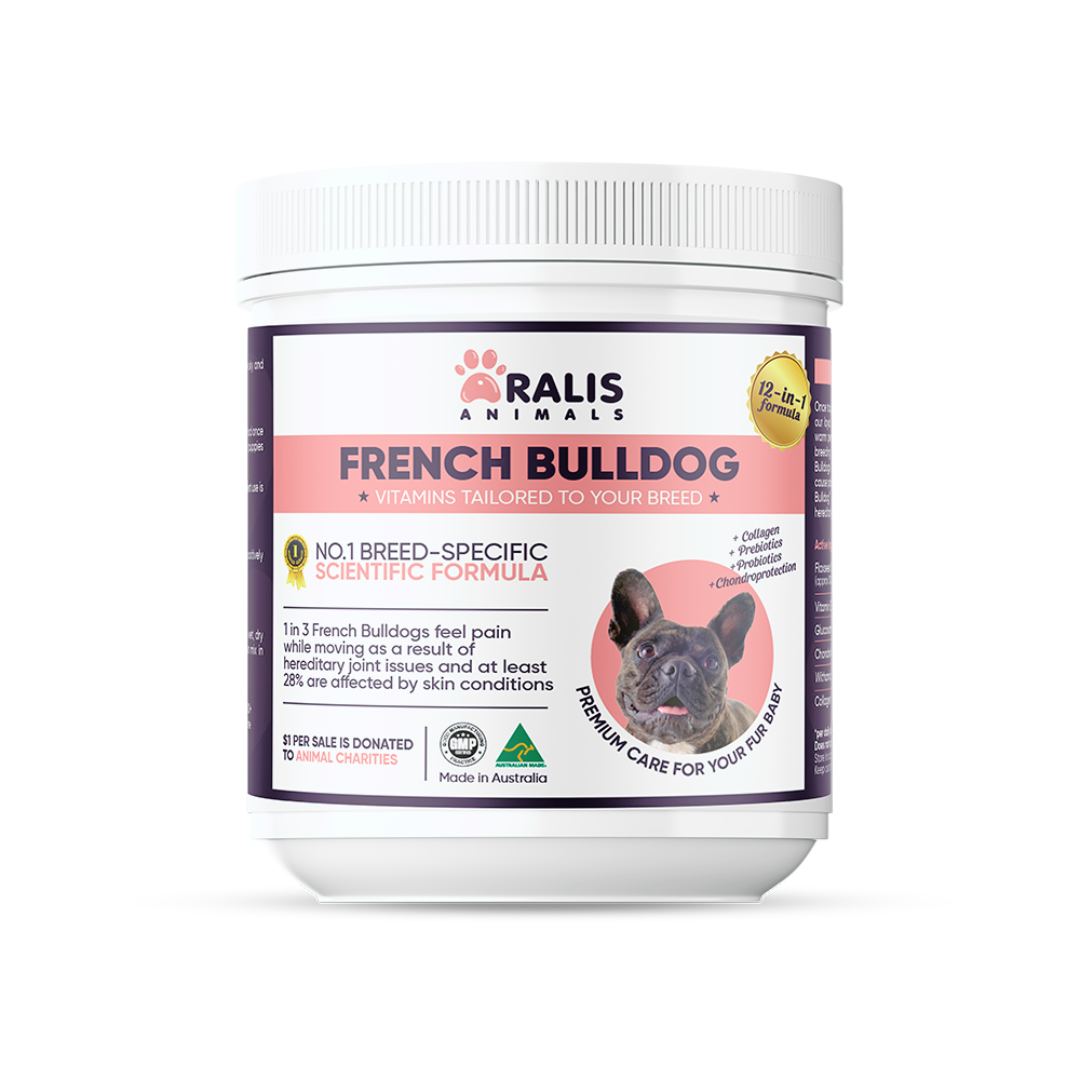
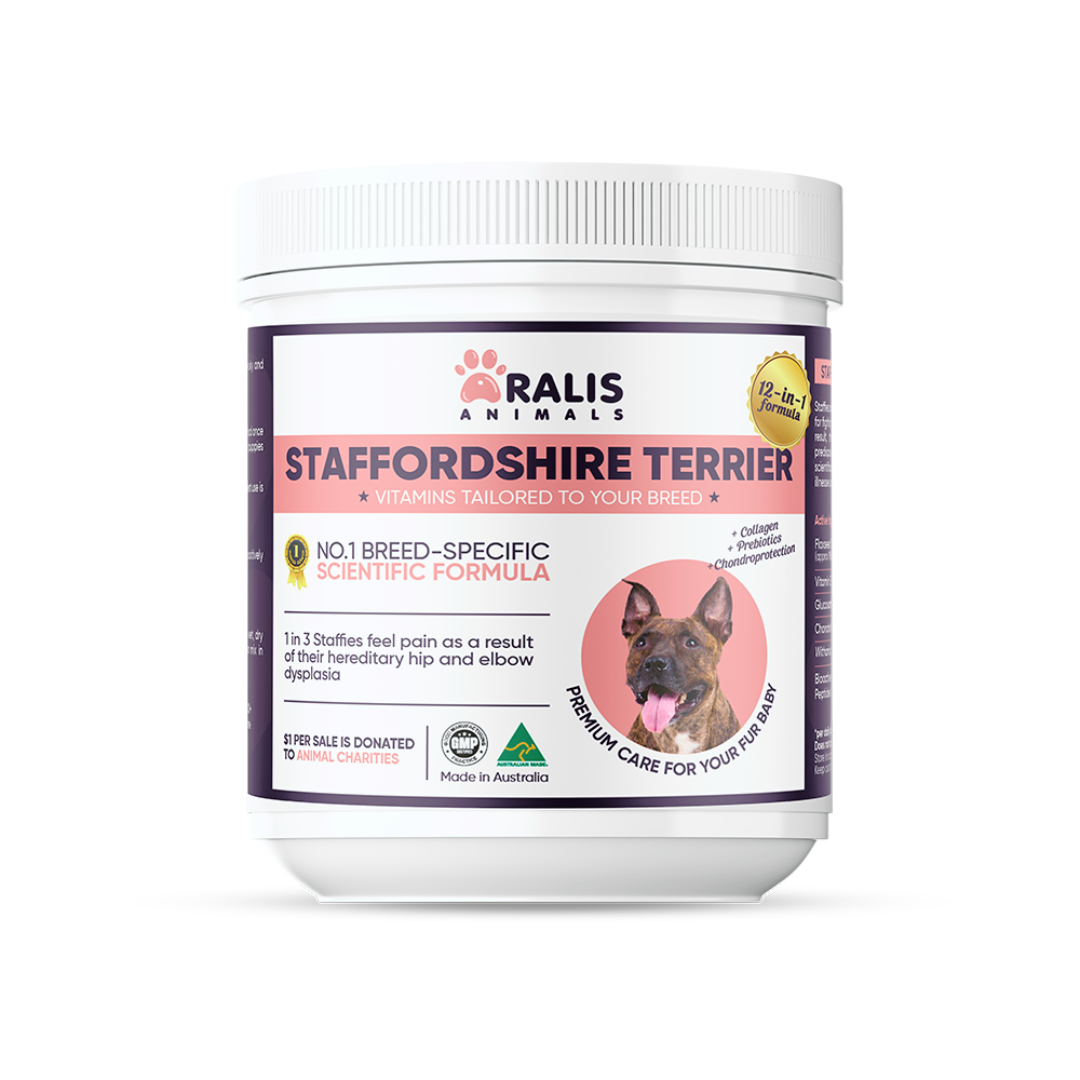
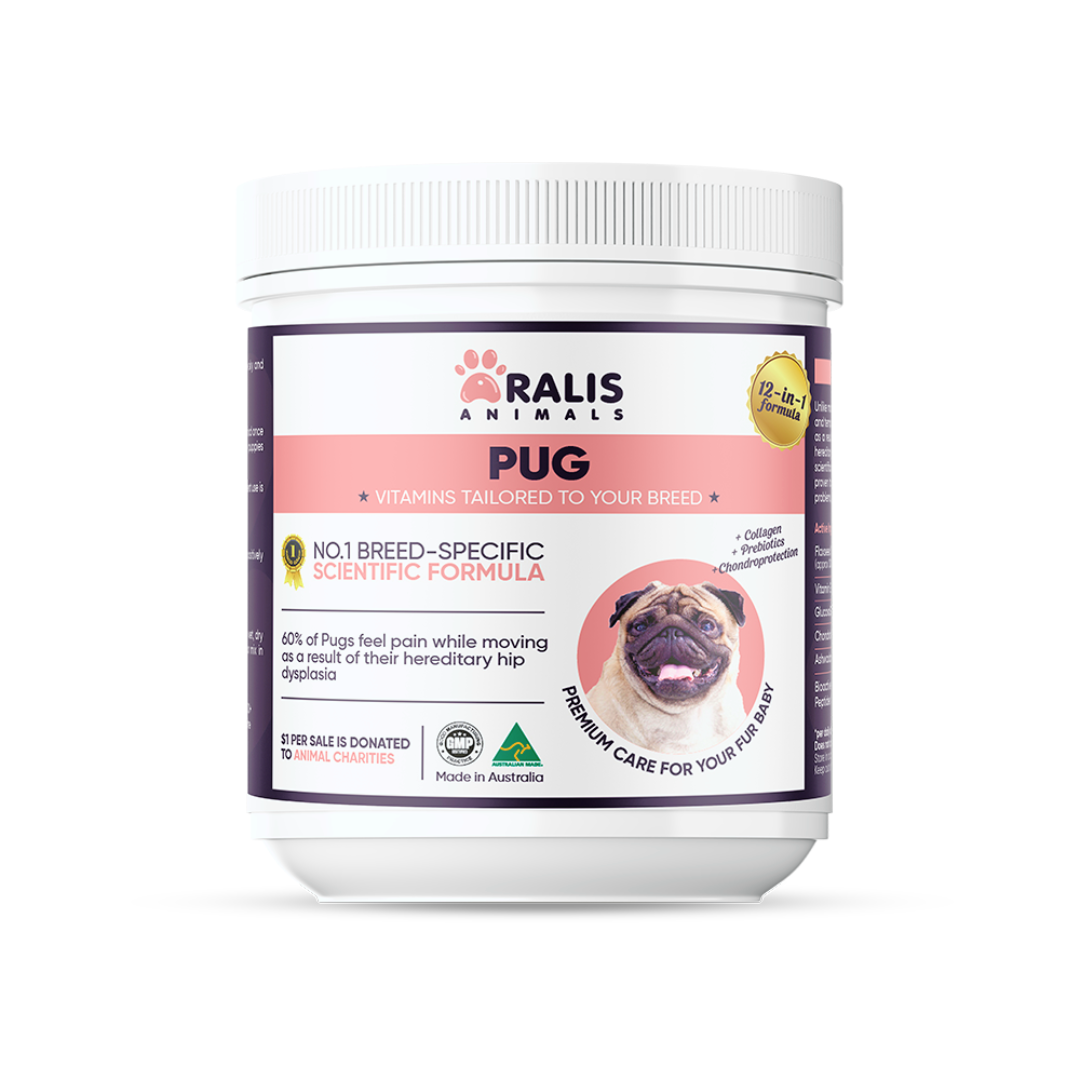
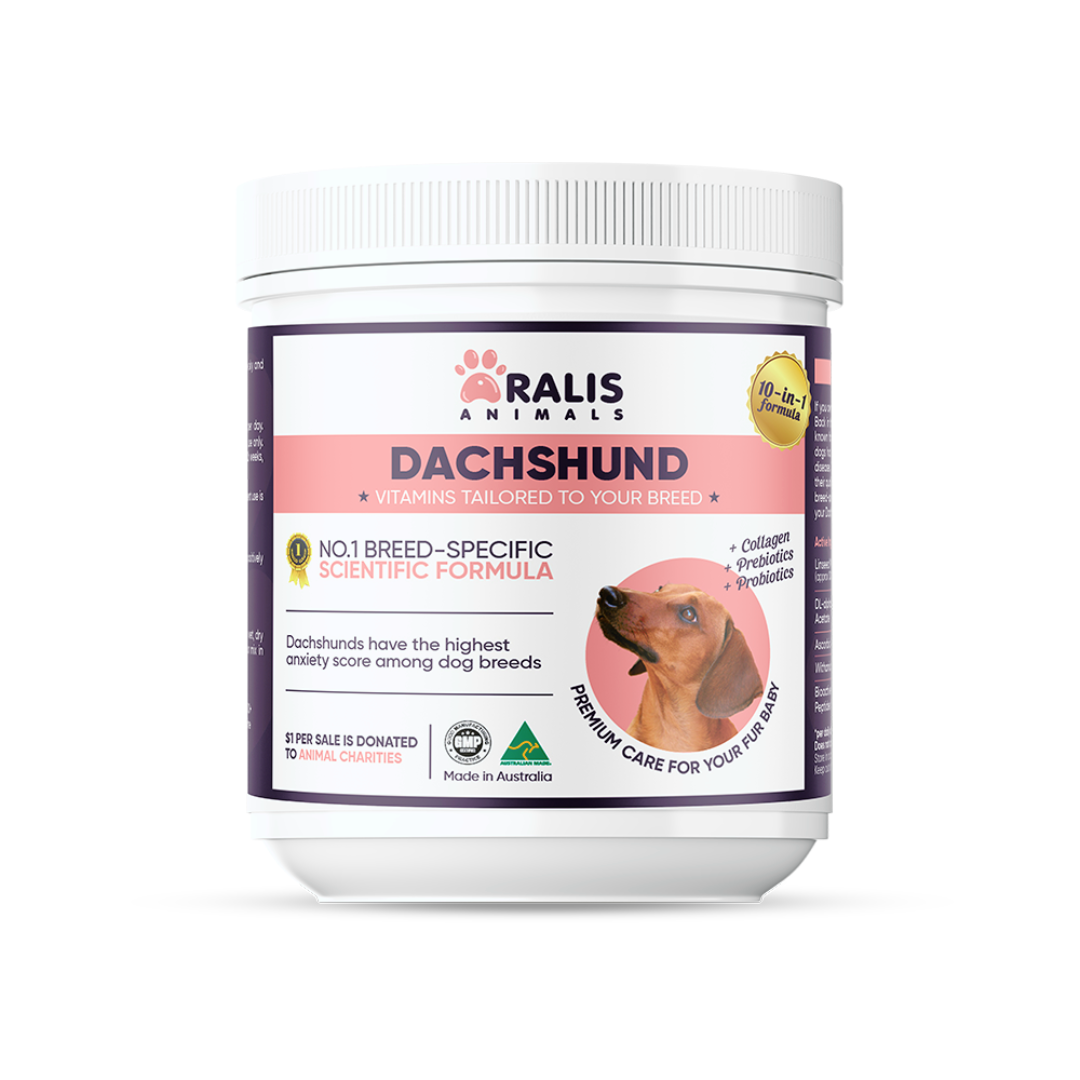
At Aralis Animals, we understand that every puppy is unique. Our breed-specific supplements are formulated to address the particular nutritional needs of different dog breeds during their critical growth phases. Rather than offering one-size-fits-all solutions, we provide customized vitamin and mineral formulations that support optimal development for your specific puppy.
Every puppy grows differently, which is why breed-specific nutrition matters during these important early stages. Our Aralis Animals puppy multivitamins are formulated with essential vitamins, probiotics, omega fatty acids, and growth-supporting nutrients to help support healthy bones, gut balance, immune health, and everyday development—discover tailored puppy wellness support here.
Our dog vitamins and supplements are developed with veterinary nutritionists and formulated using bioavailable ingredients that your puppy's body can effectively utilize. Whether you have a large breed puppy prone to skeletal issues or a small breed pup with different nutritional requirements, we have tailored solutions designed specifically for your beloved companion.
Conclusion
Choosing the best puppy vitamins for your growing dog is one of the most important decisions you'll make as a pet owner. The right supplementation during these critical growth stages sets the foundation for lifelong health and vitality. By understanding what your puppy actually needs—from essential vitamins like A, D, and B-complex to crucial minerals like calcium, phosphorus, iron, and zinc—you can make informed decisions about their nutritional care.
Remember that proper puppy nutrition involves combining a quality diet with appropriate breed-specific supplementation and regular veterinary guidance. Investing in your puppy's nutritional health during these formative months pays dividends throughout their entire life, helping ensure they grow into healthy, vibrant adult dogs. With the right approach to puppy vitamins and supplements, you're giving your new family member the best possible start in life.