

Best Prebiotics and Probiotics for Dogs: What Actually Improves Gut Health?

Your dog's digestive system is far more complex than most pet owners realize. The gut microbiome, the community of bacteria and microorganisms living in your dog's digestive tract, plays a crucial role in everything from nutrient absorption to immune function and even mood regulation. When this delicate balance is disrupted, your furry companion can suffer from digestive issues, allergies, and reduced overall wellness. This is where prebiotics and probiotics for dogs come into play, offering scientifically-backed solutions to restore and maintain optimal gut health. Understanding the difference between these two powerful tools and knowing how to select the best pre and probiotic supplement for your dog can transform their quality of life.
Understanding Dog Gut Health
The canine gut is home to trillions of microorganisms that work together to maintain digestive function and support overall health. A healthy gut microbiome helps your dog digest food efficiently, absorb essential nutrients, produce vital vitamins, and maintain a robust immune system. The gut barrier also acts as a protective shield, preventing harmful pathogens from entering the bloodstream.
However, various factors can disrupt this delicate balance. Stress, dietary changes, antibiotics, poor nutrition, and age-related changes can all negatively impact your dog's gut flora. When the beneficial bacteria population declines, harmful bacteria can proliferate, leading to dysbiosis—an imbalance in the gut microbiome.
Common digestive issues in dogs include chronic diarrhea, constipation, bloating, gas, and food sensitivities. Beyond digestive symptoms, poor gut health can manifest as skin problems, allergies, behavioral issues, and weakened immunity. Recognizing these signs early and taking action with the best gut health supplement can prevent more serious health complications down the road.
What Are Prebiotics?
Prebiotics are non-digestible food components that selectively stimulate the growth and activity of beneficial bacteria already present in your dog's gut. Think of them as fertilizer for the good bacteria—they provide the nourishment these microorganisms need to thrive and multiply.
Common prebiotic ingredients include inulin, fructooligosaccharides (FOS), and chicory root. These compounds pass through the small intestine undigested and reach the colon, where they become food for beneficial bacteria like Lactobacillus and Bifidobacterium. As these good bacteria consume the prebiotics, they produce short-chain fatty acids that nourish the intestinal lining and support overall digestive health.
The benefits of prebiotics for dogs are substantial. They promote the growth of beneficial bacteria, improve digestive efficiency, enhance nutrient absorption, support immune function, and may help reduce inflammation in the gut. Additionally, prebiotics can help regulate bowel movements and reduce gas and bloating. For dogs with sensitive stomachs or those recovering from antibiotic treatment, prebiotics offer a gentle way to restore microbial balance.
What Are Probiotics?
Probiotics are live beneficial bacteria that, when consumed in adequate amounts, confer health benefits to your dog. Unlike prebiotics, which feed existing bacteria, probiotics introduce new beneficial microorganisms directly into the gut. These living cultures work to establish a healthier microbial community and compete with harmful bacteria for resources and space.
There are several types of probiotic bacteria beneficial for dogs, with Lactobacillus and Bifidobacterium being among the most researched and effective strains. Specific strains like Lactobacillus acidophilus, Lactobacillus plantarum, and Bifidobacterium longum have demonstrated particular benefits for canine digestive health. The best probiotics for gut health in dogs contain multiple strains, as different bacteria offer different benefits.
Probiotics work through several mechanisms: they produce antimicrobial compounds that inhibit harmful bacteria, strengthen the intestinal barrier, modulate immune responses, and improve overall digestive function. Dogs taking quality probiotic supplements often experience improved digestion, reduced diarrhea, better nutrient absorption, and enhanced immune function. Probiotic supplements for gut health are particularly valuable for dogs with compromised digestion or those recovering from illness.
Prebiotics vs Probiotics: Key Differences
While both prebiotics and probiotics support gut health, they work through different mechanisms. Probiotics introduce beneficial bacteria, while prebiotics feed bacteria already present in the gut. This fundamental difference means they complement each other beautifully.
Probiotics are living organisms that must survive stomach acid and reach the colon alive to be effective. This is why quality matters significantly—not all probiotic supplements deliver viable bacteria. Prebiotics, being non-living compounds, are more stable and don't require special handling to remain effective.
The best approach to supporting your dog's gut health involves using both prebiotics and probiotics. This combination is often called a synbiotic approach. Probiotics establish a foundation of beneficial bacteria, while prebiotics ensure those bacteria have the nutrition they need to flourish. Together, they create an optimal environment for digestive wellness. Many of the best prebiotic and probiotic supplement products combine both components for maximum effectiveness.
Best Prebiotics and Probiotics for Dogs
When selecting the best prebiotics and probiotics for your dog, quality and composition matter tremendously. Look for products that specify the bacterial strains included, the colony-forming units (CFUs) per serving, and the manufacturing standards used.
High-quality gut health supplements should contain multiple probiotic strains rather than just one, as different bacteria offer complementary benefits. The CFU count should be substantial—typically ranging from 5 to 50 billion CFUs per serving, depending on your dog's size and health status. Products should also include prebiotic ingredients like inulin or FOS to support bacterial growth.
Ingredient transparency is crucial. Avoid products with excessive fillers, artificial additives, or unclear labeling. The best gut health supplement will clearly list every ingredient and strain, include third-party testing verification, and come from reputable manufacturers. Additionally, look for products specifically formulated for dogs, as canine-specific formulations account for dogs' unique digestive physiology.
How to Choose the Best Gut Health Supplement
Selecting the right supplement requires careful consideration of several factors. First, examine the label thoroughly. Quality indicators include clearly listed bacterial strains, CFU counts, expiration dates, and storage instructions. Reputable manufacturers will provide information about how their products are tested and verified.
Reading labels also means understanding the other ingredients. Some supplements include beneficial additions like pumpkin, sweet potato, or bone broth that support digestive health. Others might include enzymes to aid digestion. Ensure all ingredients are safe for dogs and appropriate for your pet's specific health needs.
Consulting your veterinarian is essential before starting any supplement regimen. Your vet can assess your dog's specific digestive issues, recommend appropriate strains and dosages, and monitor your dog's response to treatment. This is particularly important if your dog is taking medications, as some supplements can interact with pharmaceuticals.
Implementation Tips
Introducing prebiotics and probiotics to your dog's diet should be done gradually. Start with a small dose and increase over one to two weeks to allow your dog's digestive system to adjust. Sudden introduction of probiotics can sometimes cause temporary digestive upset as the microbiome rebalances.
Dosage guidelines vary based on your dog's size, age, and health status. Smaller dogs typically require lower CFU counts than larger dogs. Puppies and senior dogs may have different requirements than adult dogs in their prime. Always follow the manufacturer's recommendations and your veterinarian's guidance.
Results from probiotic and prebiotic supplementation aren't always immediate. Most dogs show improvement within two to four weeks, though some may take longer. Consistency is key—daily supplementation is necessary to maintain the benefits. Once your dog's gut health improves, you may be able to reduce supplementation frequency, but this should be done under veterinary guidance.
Conclusion
Your dog's gut health is foundational to their overall wellness, affecting everything from digestion and immunity to behavior and longevity. The best prebiotics and probiotics for dogs work synergistically to restore and maintain a healthy microbiome. By understanding the difference between these two powerful tools and selecting high-quality supplements tailored to your dog's needs, you're investing in their long-term health and happiness.
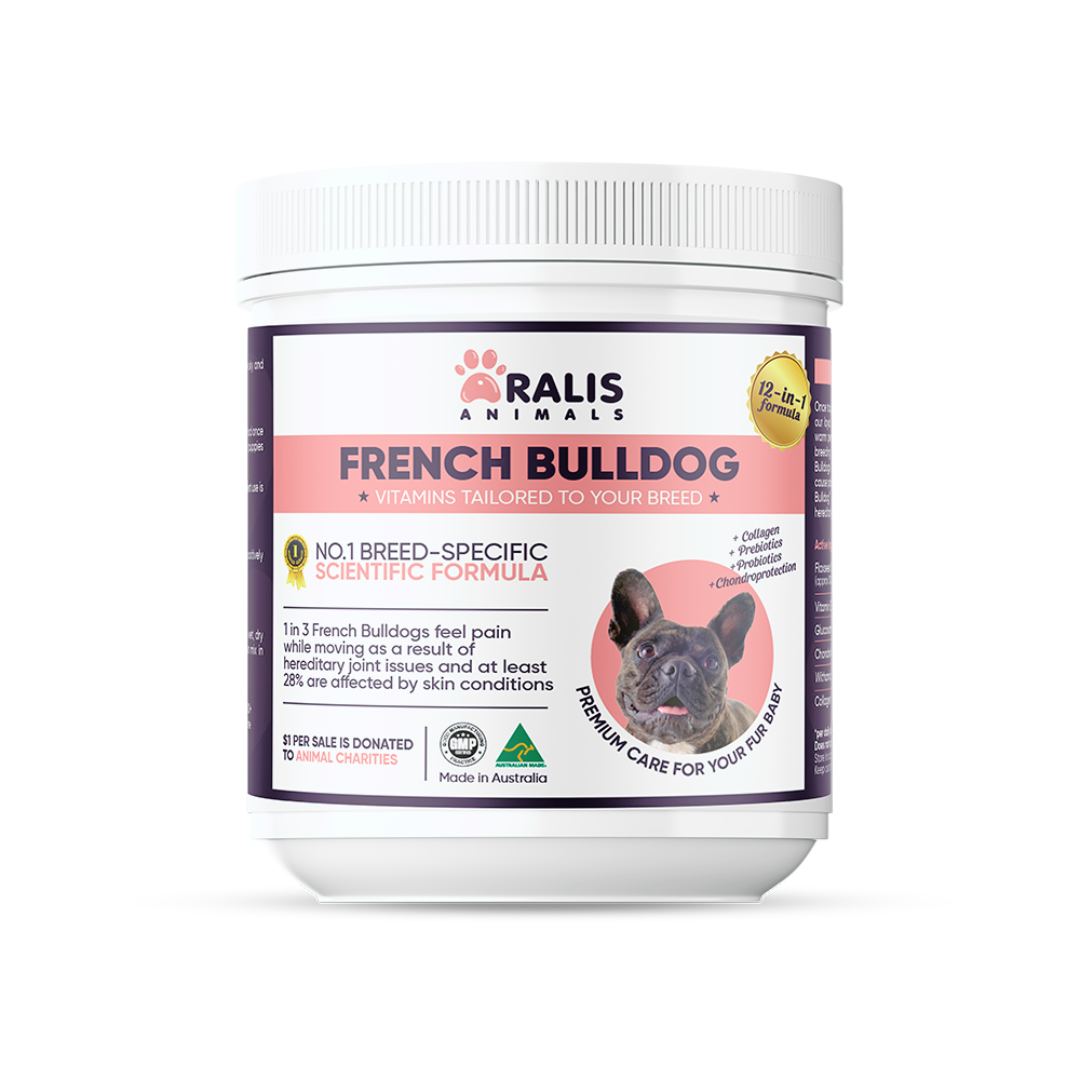
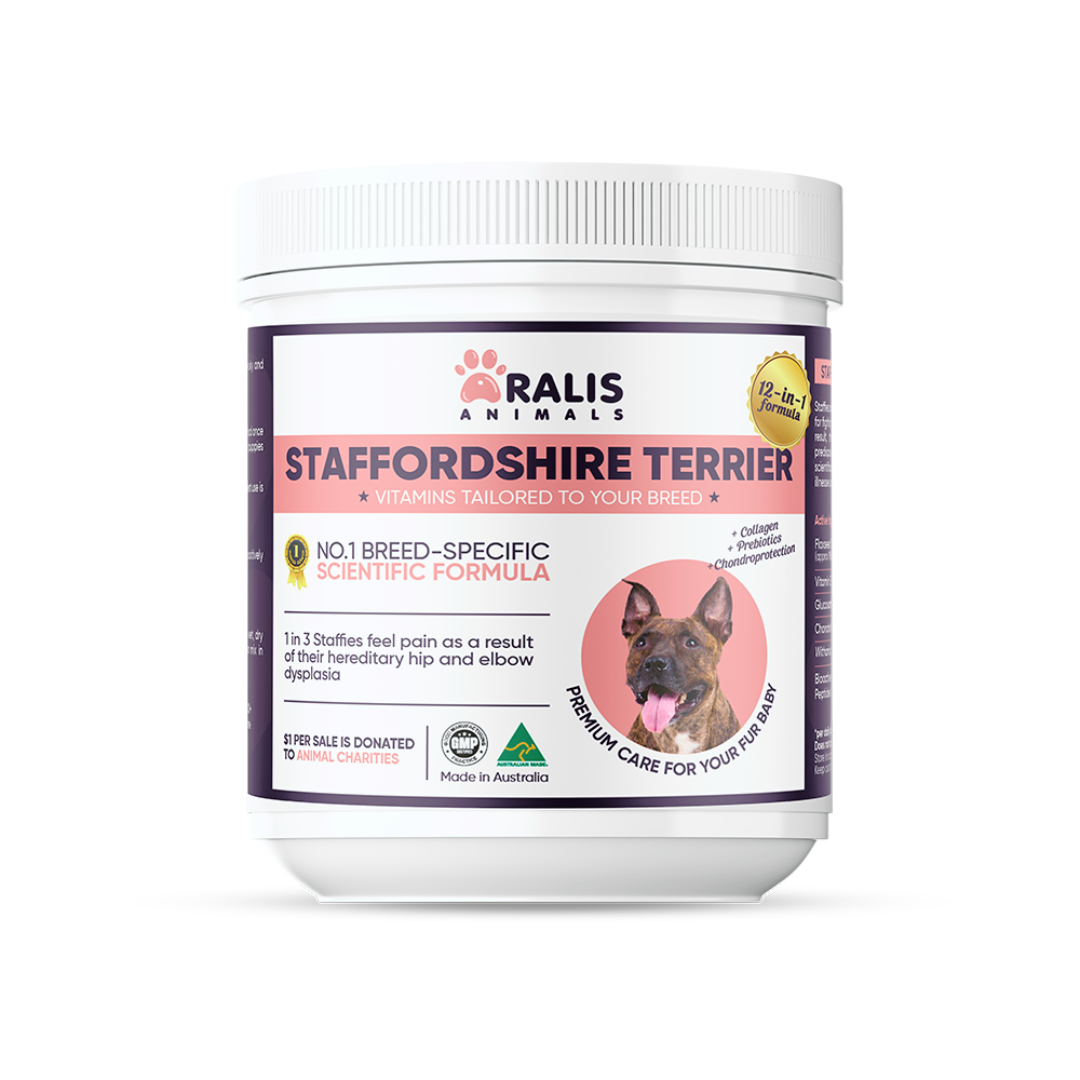
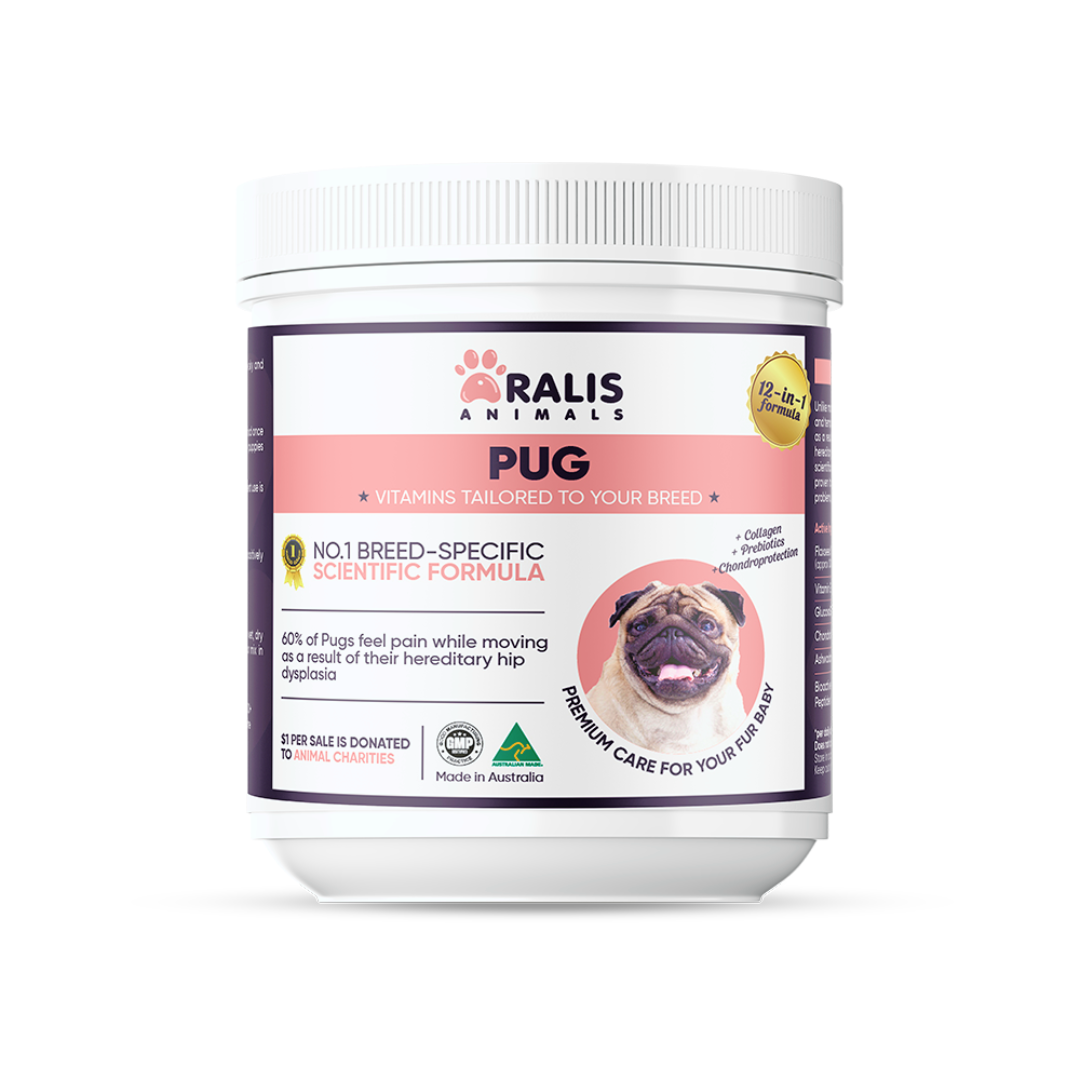
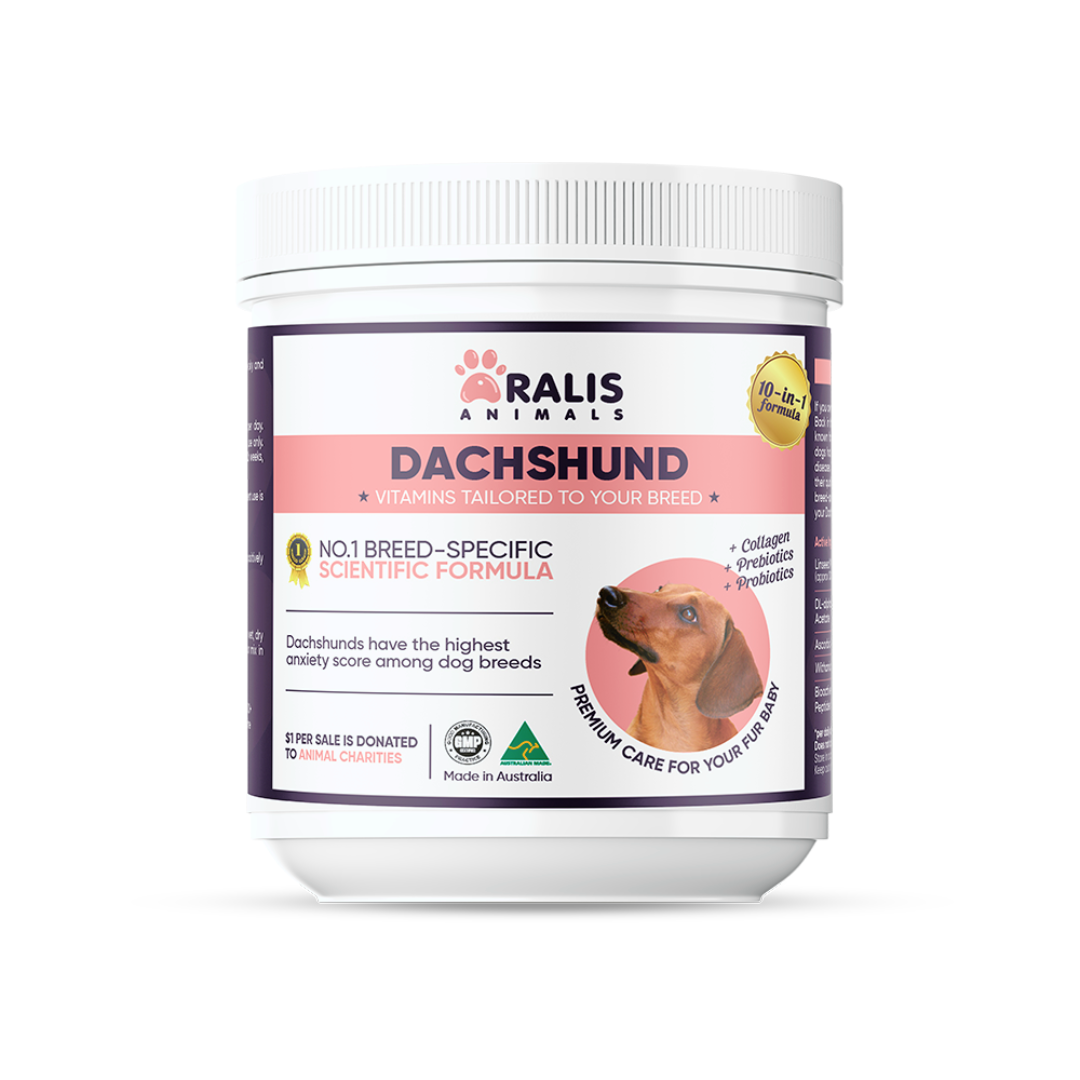
At Aralis Animals, we understand that every dog is unique, which is why we offer breed-specific supplements designed to elevate your pet's health. Our carefully formulated prebiotic and probiotic supplement options are crafted to support optimal gut health and digestive wellness. Discover our tailored solutions for your beloved companion and take the first step toward a healthier, happier dog. Your furry friend deserves the best, and with the right gut health supplement, you can provide exactly that.